
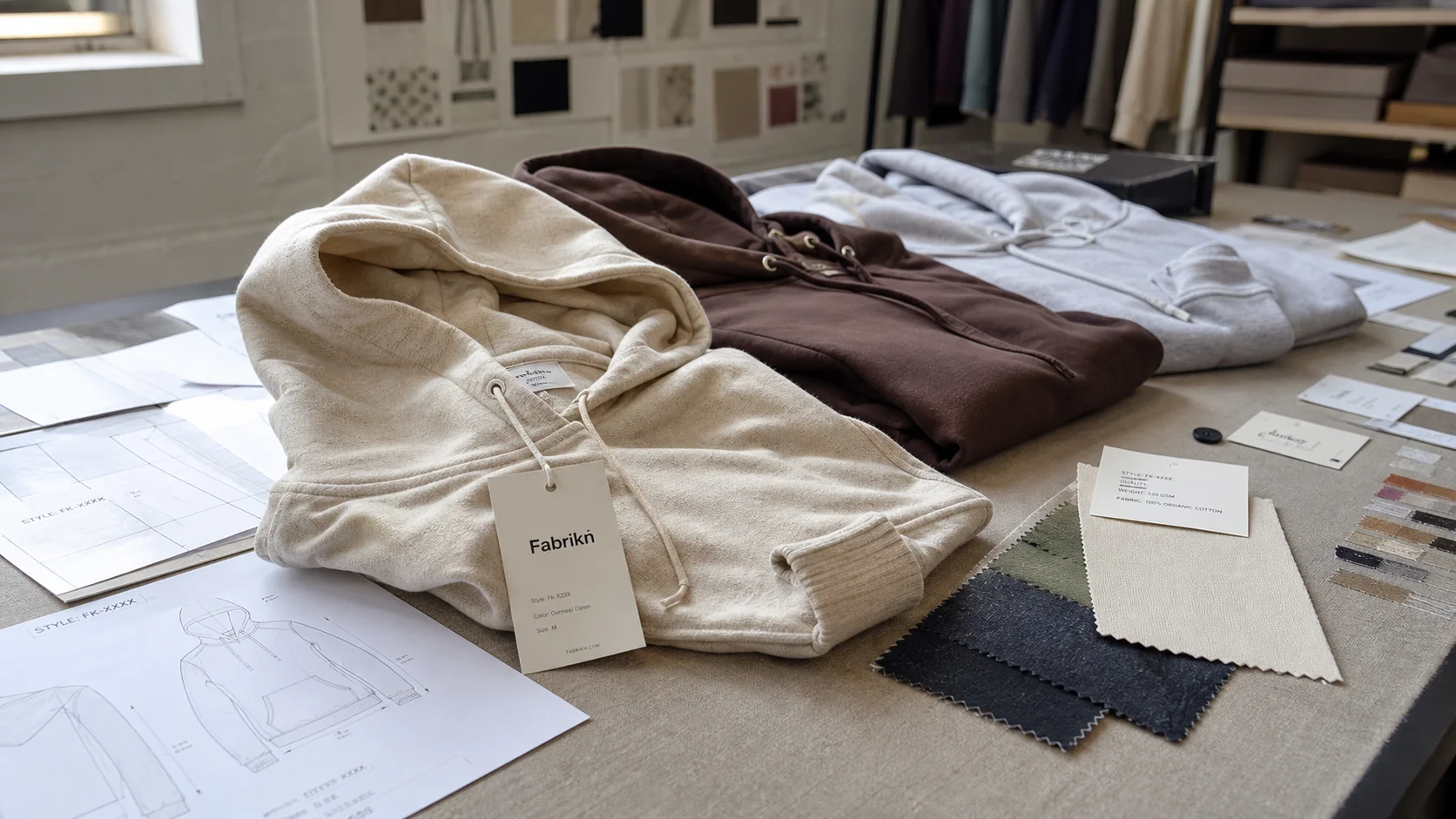
Reduce Clothing Ecommerce Returns compared by sample evidence, fabric or trim specs, MOQ, AQL terms, cost lines, delivery timing, and rework responsibility.
Fast answer: Reduce Clothing Ecommerce Returns: Tech Pack, Sample Gate, MOQ, and QC Terms should be judged by production evidence, not by a generic sourcing promise. The buyer needs sample proof, cost breakdowns, QC checkpoints, and delivery buffers in writing.
Ask for recent sample photos, measurement tolerances, fabric or print test assumptions, decoration test notes, packing examples, and a named inspection checkpoint. These details show whether the team can repeat an approved sample at bulk volume.
Separate garment cost, decoration, labels, packaging, sampling, testing, freight, and rush charges. Clear cost lines make it easier to reduce colorways, adjust size depth, or reserve more time for sampling.
How to Reduce Clothing Ecommerce Returns: Smart Strategies for Fashion RetailersClothing ecommerce returns have become one of the most pressing challenges facing fashion retailers today. While the convenience of online shopping has unlocked massive growth opportunities, the flip side is a tsunami of returns that erodes profitability. Industry estimates suggest that return rates for apparel can range from 20% to as high as 40%, compared to just 8-10% for other retail categories. Reducing returns is not only about limiting costs—it is also about enhancing customer satisfaction, streamlining operations, and building sustainable growth.
For fashion retailers, especially those operating purely online, reducing returns is a complex puzzle of fit, product representation, customer expectations, and fulfillment. Addressing this challenge requires a holistic strategy that spans merchandising, product development, sizing transparency, customer experience, and logistics. This article outlines actionable strategies that modern fashion brands can deploy to reduce clothing ecommerce returns, protecting both margins and reputation.
Analyzing return data is the first step toward reducing the volume of returns. Retailers discover that a handful of reasons account for most returns. Fit issues are consistently the leading cause—garments that don’t fit as expected simply get sent back. Closely following fit are visual misalignment concerning how an item appears versus how it looks in product imagery, poor quality or unexpected fabric feel, and late or faulty delivery. Return spikes after promotions are also telling; when customers buy impulsively without verifying size or fit, the probability of returns increases.
Other behavioral reasons include customers ordering multiple sizes or colors to try at home, dissatisfaction with how the garment drapes, or even receiving the wrong item. By dissecting these drivers through return analytics, you can identify patterns, segment problem SKUs, and tailor corrective actions.
Mapping the customer journey reveals critical touchpoints where expectations can be set or dashed. From the first product discovery through checkout and post-delivery communication, each interaction influences perceptions of the brand and the likelihood of a return. Poorly executed sizing guidance, lackluster imagery, or a gap between marketing copy and actual product details can all misalign expectations, prompting a return once the package is opened. Addressing return reasons in the early stages of the customer journey helps prevent them at the source.
Fit is the biggest return culprit, but you can combat this by bringing clarity to sizing. Use comprehensive size charts that reveal chest, waist, hip, shoulder width, and length metrics in centimeters and inches. Instead of just listing “Small, Medium, Large,” present a range of body measurements for each size. Offer digital tools such as body measurement guides, fit calculators, or even AI-powered sizing recommendations that help shoppers match their body profile to your garment size. Include guidance for how the garment fits (snug, relaxed, true to size) and fabric behavior (stretch, drape, stiffness).
Encourage customers to compare the measurements with garments they already own. Providing downloadable measurement guides or short videos that explain how to measure oneself accurately gives shoppers confidence.
Utilize multiple fit models representing different body types and sizes in your content. Showing how a garment looks on bodies with varying proportions reduces uncertainty. This includes showcasing the same item on petite, tall, curvy, and athletic frames. Customers relate better to models that resemble themselves. If your production schedule allows, expand your sample modelling to highlight special fit features—such as length for tall shoppers or waist adjustments for curvy silhouettes.
Today's shoppers expect premium digital experiences. High-resolution photography from multiple angles, 360-degree spins, and in-context lifestyle shots convey details such as texture, drape, and movement. Provide zoom functionality so shoppers can examine fabric weight, stitching, and construction. Video clips can demonstrate how the garment moves when walking, how it stretches, or how the pockets function. Label photos with key product attributes—lining, closure type, material transparency—to reduce guesswork.
Use color-accurate imagery to prevent mismatched expectations. Label your colorways clearly and ensure your merchandising team maintains consistent lighting protocols, so what consumers see on-screen is what they receive.
Effective product descriptions blend inspiration with precision. Describe the material composition, care instructions, opacity, and feel. Note whether the fabric is structured or flowy, if the garment needs dry cleaning, or if it has shrinkage considerations. Mention unique features such as adjustable straps, built-in shaping, or hidden snaps. This narrative not only supports SEO but also equips customers with the context needed to decide whether an item suits their wardrobe.
Transparency matters—if an item runs small or is designed for layering, state it clearly. Use bullet lists to highlight key features so shoppers can scan the details quickly.
Curating smaller, seasonally focused collections helps manage customer expectations and reduces overwhelming choices, which often lead to impulse purchases and returns. Theme collections around activities such as travel, workwear, or sustainable essentials. When customers understand the intended use, they become more deliberate learners, choosing garments that align with their needs.
Implement “complete the look” features that show complementary pieces, not just upsells. This inspires customers to consider how garments pair with their existing wardrobe, discouraging random purchases that may end up being returned.
While eliminating returns entirely is unrealistic, making the process efficient for customers can still reduce friction. Provide transparent return policies with easy-to-find instructions that outline timelines, eligibility, and refunds. Offering prepaid return labels can increase customer satisfaction while also allowing your team to monitor return reasons more effectively. Include a simple return portal where customers upload reasons and photos; this not only expedites processing but also captures data for future optimization.
Encourage exchanges or store credit for specific categories, particularly if you sell items with a higher chance of being returned. This keeps value within your brand while still giving the customer flexibility.
Mismatched orders or packaging errors exacerbate return rates. Improve picking accuracy through barcode scanning, packing checklists, and double-verification for high-value items. Consider implementing automation where cost-effective. Packaging should protect the garment while keeping presentation polished—wrinkled or damaged items typically get returned immediately.
Track shipping partners—late deliveries and transit damage contribute to return spikes. Partner with reliable carriers and provide proactive updates so customers feel informed.
Return data is a rich source of intelligence. Integrate analytics across your ecommerce platform to identify patterns: Which SKUs have the highest return rates? Are certain categories more problematic? Do returns spike with specific marketing campaigns or discount levels?
Create dashboards that display returns by cause, size, color, and fulfillment center. This contextual information lets you act strategically—pause problematic products, tweak messaging, and adjust inventory to avoid overstocking items that customers frequently return.
Virtual fitting rooms or augmented reality try-on solutions bring the retail dressing room experience online. These technologies range from body outline visualizations that overlay garments onto a user’s shape to AI models that recommend sizes based on previous purchases. While investment may vary, even simple interactive tools help shoppers visualize fit and reduce guesswork.
Some advanced solutions connect with smart-sizing databases that consider returns history to refine future recommendations. Integrating these tools into your product pages differentiates your experience and gives shoppers the confidence to buy.
Highlight sizing guidance in product descriptions but also reinforce it throughout the shopping process. Add informative banners or pop-ups that remind shoppers to refer to size charts before adding items to the cart. During checkout, prompt customers to confirm their usual size and offer quick access to measurement resources. Educating customers reduces impulsive purchases that later get returned due to uncertainty.
Post-purchase communication can be as critical as pre-purchase guidance. Send a confirmation email summarizing purchased items, sizing, and care tips. In the shipment tracking email, include styling ideas or ways to incorporate the garment into wardrobes. Personalization shows your brand cares about their success with the garment.
After delivery, follow up with a satisfaction survey that asks about fit, fabric, and whether the product met expectations. This feedback loop not only surfaces potential issues early but also demonstrates that your brand listens.
Track return rate by SKU and by reason, monitoring trends over time. Compare return rates before and after implementing specific initiatives—did new fit guidance reduce returns for big outerwear? Did customer education decrease returns from promotional spikes? Align your reporting with KPIs such as net margin, customer lifetime value, and speed of processing returns.
Monitor customer sentiment through reviews, post-purchase surveys, and social listening. While quantitative data is invaluable, qualitative insights help you understand the emotion behind returns.
Adopt a test-and-learn approach. For example, test two different size charts with different product lines to see which format drives lower returns. Trial new imagery treatments on a subset of high-return SKUs. A/B testing helps you understand what resonates with customers, giving you the confidence to scale successful strategies across the catalog.
Reducing returns begins even before garments reach the fulfillment center—during design and production. Partnering with a manufacturer who understands your brand, size grading, and quality expectations ensures garments are consistent with customer promises. At Fabrikn, our team works side-by-side with brands to develop product lines that align precisely with customer expectations. From pattern development to fabric selection and meticulous sampling, we help you iron out fit issues early, preventing problems that could lead to returns. Learn more about how our services support fashion retailers in creating on-trend, well-constructed garments.
Working with a reliable manufacturer also gives you the flexibility to adjust production based on return feedback, refining fit and construction before committing to large orders. Communication and transparency in the manufacturing process reinforce the retailer’s ability to deliver a consistent customer experience.
Get a free quote from Fabrikn — your trusted B2B clothing manufacturer with 10+ years of experience. MOQ as low as 200 pieces.
Get a Free Quote →A strong brief makes the supplier's job narrower and the quote more reliable. For reduce clothing ecommerce returns, include the target customer, sales channel, expected order quantity, size range, decoration needs, packaging requirements, and delivery market. Then call out the details most likely to affect the result, especially fit intent, material source, and trim selection.
The brief should also explain what cannot change. Some brands care most about hand feel, some about price, some about launch timing, and some about retail compliance. When those priorities are not written down, suppliers tend to optimize for whatever is easiest to quote. Clear priorities help the factory make better tradeoffs before the first sample is cut or printed.
Ask the supplier to respond with assumptions, not just a price. A useful reply states MOQ, sample route, production capacity, inspection plan, packing method, and freight handoff. If the answer is vague, the project may still work, but it needs a tighter pre-production stage before money and calendar pressure build up.
The best time to catch problems is before the pre-production sample is approved. Check measurements, color, placement, material behavior, shrinkage, construction, labels, and packaging in the same review instead of approving each item in isolation. Many bulk issues are not caused by one dramatic mistake; they come from several small unchecked assumptions.
For reduce clothing ecommerce returns, pay special attention to sample review, bulk inspection, and shipping plan. These details often look minor in an email but become expensive once cutting, printing, sewing, packing, or shipping begins. A simple checklist with owner, due date, and approval status keeps the brand team and factory aligned.
Bulk production should not start until the supplier can explain how the approved sample becomes a repeatable production standard. That means reference sample storage, line instructions, inline checks, final inspection, and defect handling. A factory that can describe this process clearly is usually safer than one that only promises speed.
Price differences are useful only when the quotes cover the same work. Compare sample cost, material source, trims, decoration, packaging, testing, inspection, and freight assumptions. A low unit price can become expensive if it excludes items the brand needs before launch.
Timeline promises deserve the same scrutiny. Ask what happens if the first sample needs revision, whether materials are in stock, when the production slot is reserved, and how export packing is handled. The most reliable supplier is often the one that gives a realistic calendar instead of the fastest optimistic answer.
Focus on transparency around fit and sizing, invest in high-quality imagery, educate customers throughout the buying journey, enhance fulfillment accuracy, and continuously monitor return data. Combining these elements builds trust and reduces guesswork for buyers.
Tools like virtual try-on, AI sizing recommendations, and interactive size charts reduce uncertainty by giving customers a clearer idea of how garments will fit. Analytics platforms help identify problematic SKUs, enabling proactive adjustments in merchandising or marketing.
While it is tempting to tighten policies, the best approach is to strike a balance: make returns simple enough to maintain a positive customer experience, but gather enough information through the process to gain insights and discourage unnecessary returns through education, exchanges, or incentives.
If you’d like to explore how a partner like Fabrikn can help you improve fit, reduce returns, and deliver what fashion customers expect, reach out via our contact page or visit the about us section to learn more about our process.