
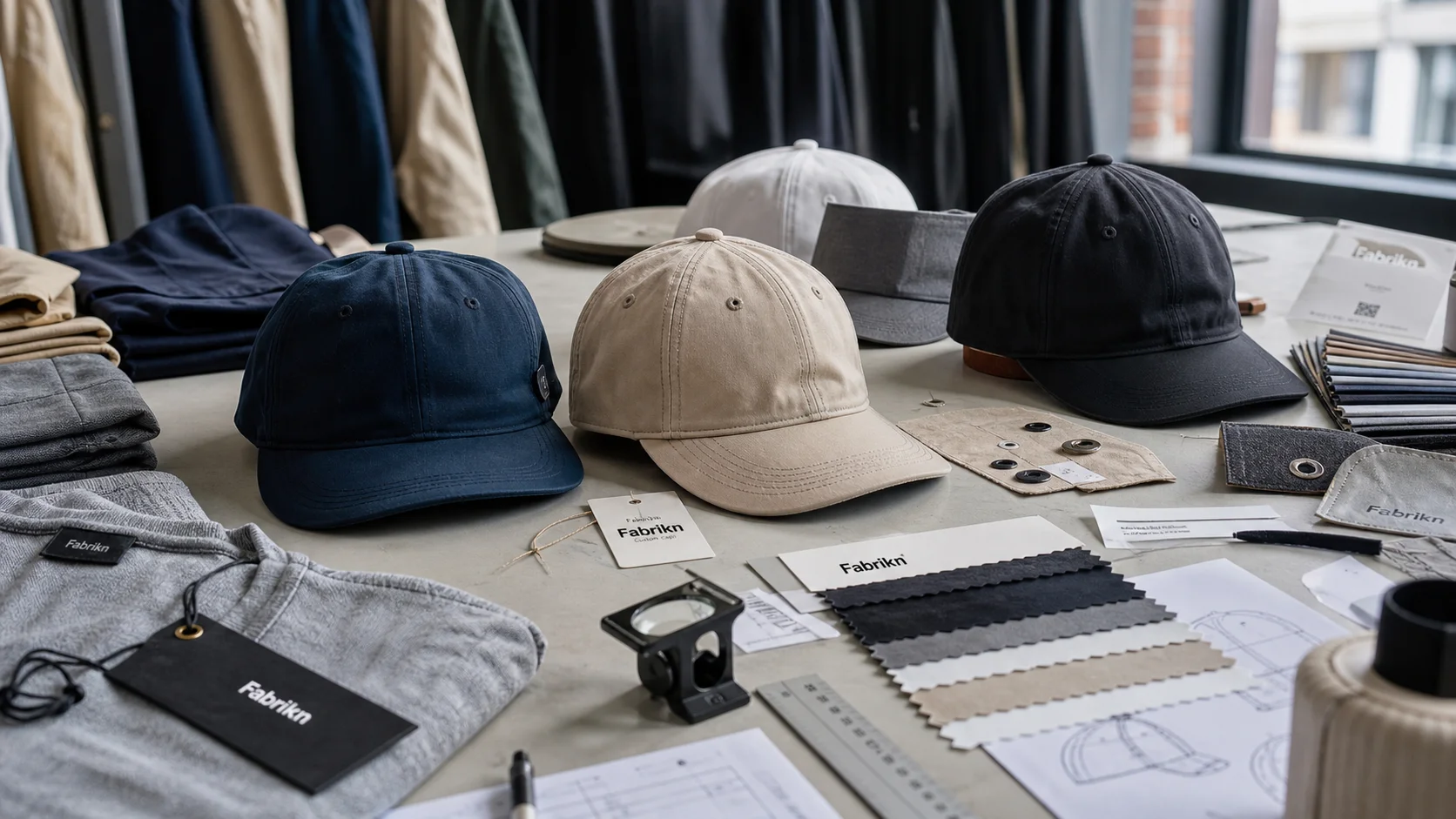
Set Up Returns for Clothing Ecommerce compared by sample evidence, fabric or trim specs, MOQ, AQL terms, cost lines, delivery timing, and rework responsibility.
Fast answer: Set Up Returns for Clothing Ecommerce: Tech Pack, Sample Gate, MOQ, and QC Terms should be judged by production evidence, not by a generic sourcing promise. The buyer needs sample proof, cost breakdowns, QC checkpoints, and delivery buffers in writing.
Ask for recent sample photos, measurement tolerances, fabric or print test assumptions, decoration test notes, packing examples, and a named inspection checkpoint. These details show whether the team can repeat an approved sample at bulk volume.
Separate garment cost, decoration, labels, packaging, sampling, testing, freight, and rush charges. Clear cost lines make it easier to reduce colorways, adjust size depth, or reserve more time for sampling.
Returns are one of the biggest operational realities in clothing ecommerce. Unlike many other product categories, apparel buyers often need to assess fit, fabric, color, and style in person. That means a return-friendly experience is not just a customer service feature; it is a core part of building trust, reducing friction, and increasing conversion rates.
If you are figuring out how to set up returns for clothing ecommerce, the goal is to create a process that protects your margins while keeping customers confident enough to buy. A well-designed return system can reduce support tickets, improve repeat purchase rates, and help your brand stand out in a crowded market.
In this practical guide, we will walk through everything you need to know: how to create a return policy, choose your return workflow, manage the logistics, reduce unnecessary returns, and set up systems that support long-term growth. Whether you are launching a new store or improving an existing one, these steps will help you build a returns process that works.
Clothing has one of the highest ecommerce return rates because fit and feel are difficult to judge online. Customers may order multiple sizes, change their minds after seeing a garment in person, or return items because the product did not match the photos or description.
For brands, returns can be costly. They affect shipping expenses, inventory management, warehouse labor, and resale value. At the same time, a rigid return policy can discourage purchases and reduce customer trust. That is why the best approach is not to avoid returns completely, but to manage them intelligently.
When returns are handled well, they can actually improve business performance. A smooth return experience makes customers more willing to place an order in the first place. It can also improve reviews, repeat purchases, and word-of-mouth referrals. For apparel businesses, returns are part of the customer journey, not an exception to it.
Your return policy is the foundation of your entire returns process. It should be easy to find, easy to understand, and specific enough to prevent confusion. The best return policies strike a balance between flexibility for the customer and protection for the business.
Decide how long customers have to return an item. Common return windows for clothing ecommerce are 14, 30, or 60 days. A 30-day window is often a practical starting point because it gives customers enough time while keeping inventory moving.
State whether items must be unworn, unwashed, unaltered, and in original packaging with tags attached. For apparel brands, this is critical because resale value depends heavily on item condition.
List any items that cannot be returned, such as final sale products, personalized items, intimate apparel, or accessories with hygiene concerns. Be transparent about exceptions before checkout.
Customers should know whether they will receive a refund to their original payment method, a replacement item, or store credit. Some brands offer more generous terms for exchanges than refunds to help preserve revenue.
Clearly explain who pays for return shipping. Many brands cover return labels only for defective or incorrect items, while customers pay for remorse-based returns. Another option is to offer free returns above a certain order value.
Tell customers how long it takes to approve a return, receive the item, inspect it, and issue a refund or exchange. This reduces support inquiries and sets realistic expectations.
Once your policy is drafted, place it in visible locations across your site, including product pages, checkout, FAQ pages, and order confirmation emails. If you want to see how a structured service approach supports brand operations, explore Fabrikn’s services page.
There is no one-size-fits-all return model. Your choice depends on product price, order volume, margins, customer expectations, and internal resources. The main return models include self-service returns, manual approval, returnless refunds, exchanges-first workflows, and third-party return portals.
Customers initiate returns through an online portal, often by entering their order number and email address. This is efficient, scalable, and popular with modern ecommerce brands because it reduces manual support work.
Customers email support or submit a form, and your team reviews each case. This model gives you more control, but it can create delays and add workload as your order volume increases.
For low-value items or cases where return shipping is not cost-effective, some businesses issue refunds without requiring the item to be sent back. This should be used carefully, but it can improve customer satisfaction and reduce logistics costs.
If your goal is to retain revenue, prioritize exchanges instead of refunds. This works especially well for size-related returns in clothing ecommerce. You can even make exchanges more attractive by offering free exchange shipping or faster processing.
Many brands use return management software to automate label generation, tracking, refunds, and notifications. These platforms are useful when you want a professional system without building one from scratch.
The right model often combines multiple approaches. For example, you might use self-service for standard returns, manual review for damaged goods, and an exchange-focused flow for size issues.
A good return policy means little without a strong operational process behind it. To set up returns properly, you need to define what happens after a customer submits a request.
Set up a dedicated return shipping address or warehouse receiving process. Decide who receives packages, how they are logged, and where they are routed next. If you work with a third-party logistics provider, align the workflow with their process.
Build a simple checklist for evaluating returned items. For example, determine whether the garment is clean, unworn, undamaged, and resellable. This helps your team make consistent decisions.
Use standardized reasons such as too small, too large, color mismatch, defect, wrong item sent, or changed mind. Tracking these categories helps you spot product and content issues over time.
Returned items should be sorted into categories such as resale, repair, liquidation, donation, or disposal. This is especially important for clothing, where condition directly affects value.
Your support team should know the policy, the return timelines, the escalation process, and how to handle edge cases. Friendly, consistent communication reduces frustration and protects brand reputation.
Returns often spike after holidays, end-of-season promotions, and major campaigns. Make sure your operations can absorb these volumes without slowing down processing.
Strong operational planning is especially important if you manufacture or source apparel at scale. If you are looking for a partner with clothing production expertise, learn more about Fabrikn’s background on the about us page.
The best return strategy is one that prevents unnecessary returns before they happen. In clothing ecommerce, the two biggest drivers of returns are poor fit and product disappointment. That means sizing clarity and product quality are essential.
Include detailed size charts, garment measurements, model measurements, and fit notes on every product page. Instead of only listing S, M, and L, show exact measurements in inches or centimeters so customers can compare them to their own clothing.
Tell shoppers whether an item runs small, true to size, or oversized. Be consistent across product pages, social content, and email campaigns so customers are not confused by different descriptions.
Reviews that mention height, weight, and size ordered can significantly reduce uncertainty. This kind of peer insight can help customers choose the correct size the first time.
Customers are less likely to return items when the online presentation matches reality. Use accurate color representation, multiple angles, close-up fabric shots, and video clips that show drape and movement.
Inconsistent stitching, fabric defects, and labeling errors create avoidable returns. A strong quality control process at the manufacturing or packing stage can dramatically reduce these issues.
For clothing brands, return reduction starts with production quality, fit consistency, and clear product storytelling. If you need support with apparel development or manufacturing, consider how a reliable production partner can help you reduce future return pressure.
Even the best return policy will fail if customers cannot find or understand it. Return communication should be simple, visible, and consistent at every stage of the shopping experience.
Add a short summary on product pages, a link near the checkout button, and a full policy page in your site footer. Customers should never have to hunt for return information.
Avoid legal jargon. Write your policy in direct, customer-friendly language so people immediately know what to expect.
Include return instructions in order confirmation and shipping confirmation emails. This is a good moment to remind customers about the window, condition requirements, and how to start a return.
Use a step-by-step return guide such as:
If certain return types take longer or are subject to review, say so upfront. Transparency prevents disappointment and reduces disputes later.
Technology can turn returns from a manual headache into a manageable, efficient system. For clothing ecommerce businesses, the right tools can save time and improve the customer experience at the same time.
These tools automate return requests, labels, approvals, and notifications. They also allow customers to track progress without contacting support.
Returns should sync with your ecommerce platform, warehouse system, and inventory records so that stock levels update accurately. This prevents overselling and improves forecasting.
Set up email updates for return approval, shipping received, refund issued, and exchange shipped. Automated communication reduces support burden and keeps customers informed.
Use reporting tools to monitor return reasons, product-level trends, and processing speed. The more data you have, the easier it becomes to improve your products and policies.
Returns should not be treated as static. The best clothing ecommerce brands review return data regularly and use it to refine product development, merchandising, and customer experience.
Key metrics to track include:
Look for patterns. If one style has an unusually high return rate, the issue may be fit, fabric, photography, or description accuracy. If customers frequently say an item is too small, your size chart or grading may need adjustment. If returns increase after a campaign, the issue might be misleading positioning rather than product quality.
Use this information to improve both current and future collections. Returns are feedback, and if you study them carefully, they can help you make better decisions across the business.
Many clothing ecommerce brands make avoidable mistakes when setting up returns. These errors can lead to customer complaints, margin loss, and operational stress.
A return policy that is unclear or incomplete creates disputes and extra support work. Spell out the rules in simple terms.
If the process is confusing, customers will contact support, abandon exchanges, or leave negative reviews. Keep the process efficient.
If you do not analyze return reasons, you will miss opportunities to improve your clothing line, content, and fit consistency.
Free returns can be good for conversion, but only if you understand the financial impact and have a system to manage the volume.
Your return promise must match your actual warehouse, support, and reimbursement process. If the policy says one thing but the team does another, customer trust suffers.
Learning how to set up returns for clothing ecommerce is really about building a system that supports growth. A strong returns process protects your margins, improves customer trust, and gives you valuable insight into fit, product quality, and merchandising performance.
Start with a clear policy, choose the right return model, build efficient internal workflows, and use data to improve over time. Then make sure your sizing, product pages, and quality control systems help reduce unnecessary returns before they happen.
If your clothing brand is also looking for support in production, development, or manufacturing strategy, visit Fabrikn’s services page or contact us to discuss your needs.
Get a free quote from Fabrikn — your trusted B2B clothing manufacturer with 10+ years of experience. MOQ as low as 200 pieces.
Get a Free Quote →A 30-day return window is a common and practical choice for clothing ecommerce. It gives customers enough time to try items while helping you manage inventory efficiently.
Free returns can increase conversions and customer confidence, but they also increase costs. Many brands reserve free return shipping for defective or incorrect items and charge for buyer’s remorse returns.
Improve size charts, add fit notes, use better product photography, strengthen quality control, and collect return reason data. These actions can reduce returns significantly over time.
Offering exchanges is a smart way to retain revenue, especially for size-related returns. Many clothing brands encourage exchanges by making them easier or faster than refunds.
Return management software can automate requests, labels, updates, and tracking. The right tool depends on your store platform, fulfillment setup, and monthly order volume.
List final sale items clearly before purchase and make sure customers understand that they are non-returnable. Transparency is key to avoiding disputes.
Clothing returns are common because fit, fabric feel, and color accuracy are difficult to judge online. This is normal in apparel ecommerce, which is why a strong return process matters so much.