
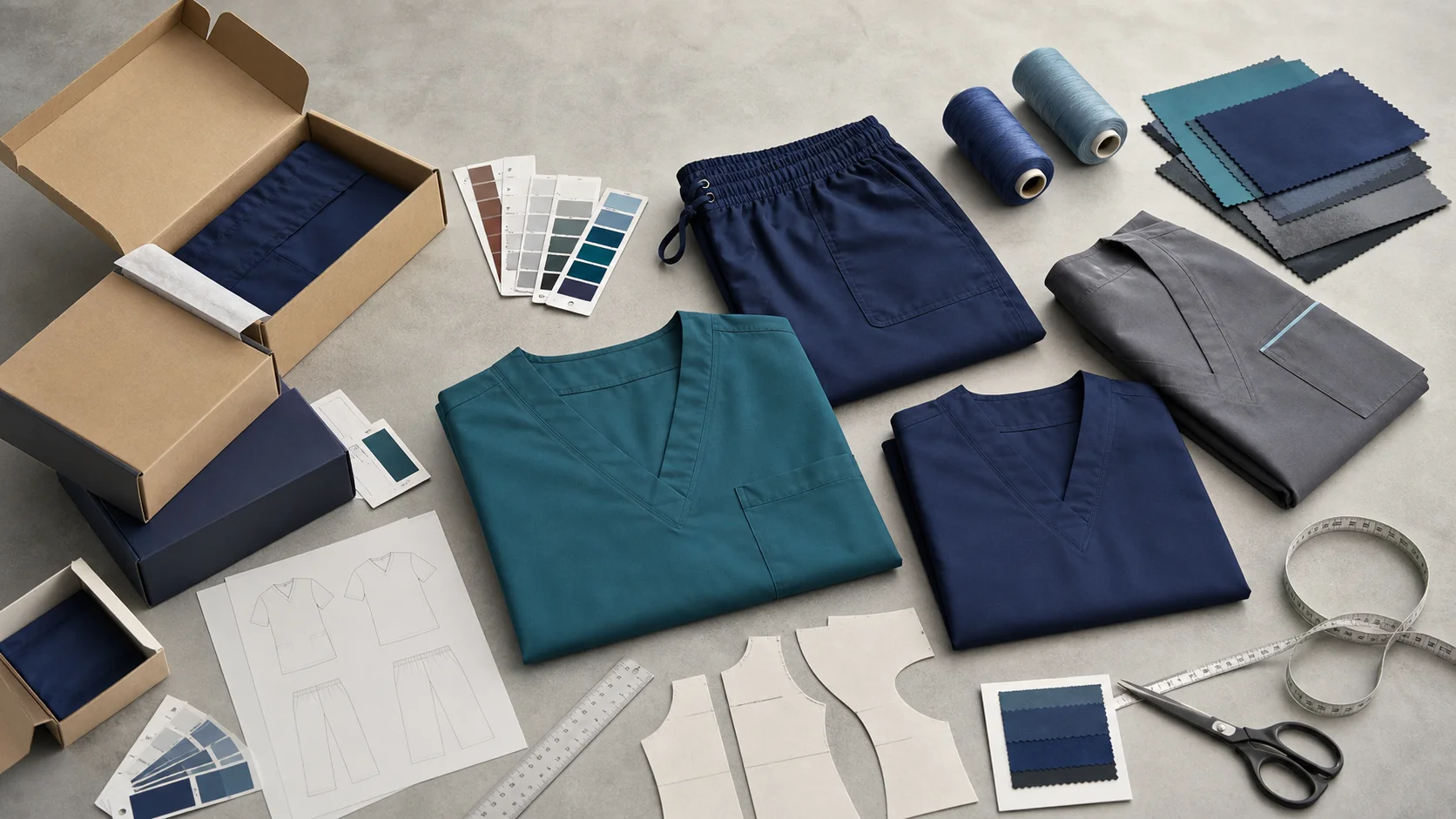
Start A Fashion Brand compared by sample evidence, fabric or trim specs, MOQ, AQL terms, cost lines, delivery timing, and rework responsibility.
Fast answer: Start A Fashion Brand: Tech Pack, Sample Gate, MOQ, and QC Terms should be judged by production evidence, not by a generic sourcing promise. The buyer needs sample proof, cost breakdowns, QC checkpoints, and delivery buffers in writing.
Ask for recent sample photos, measurement tolerances, fabric or print test assumptions, decoration test notes, packing examples, and a named inspection checkpoint. These details show whether the team can repeat an approved sample at bulk volume.
Separate garment cost, decoration, labels, packaging, sampling, testing, freight, and rush charges. Clear cost lines make it easier to reduce colorways, adjust size depth, or reserve more time for sampling.
Starting a fashion brand is one of the most exciting ways to turn creativity into a business. It is also one of the most competitive. New founders often enter the industry with strong design ideas but little clarity on production, pricing, branding, or how to bring a collection to market successfully. If you are wondering how to start a fashion brand, the answer is not just about designing clothes. It is about building a business with a clear identity, a loyal audience, a reliable supply chain, and a repeatable process for growth.
This step-by-step guide will walk you through the essential stages of launching a fashion label, from defining your concept to working with the right clothing manufacturer and preparing for your first sales. Whether you are building a streetwear line, activewear brand, luxury label, or everyday essentials collection, these steps will help you move from idea to execution with more confidence and fewer costly mistakes.
If you are also exploring manufacturing support, you can learn more about Fabrikn’s clothing manufacturing services, or get in touch through our contact page to discuss your brand vision.
The first step in starting a fashion brand is clarifying what your brand stands for. Too many new founders begin by choosing fabrics or sketching garments before answering the bigger question: why should your brand exist? A successful fashion brand has a clear purpose, a distinct audience, and a recognizable point of view.
Start by defining the following:
Your brand identity will influence everything from design decisions to marketing tone and packaging. A strong concept makes it easier to attract customers, investors, and manufacturing partners. It also helps you stay consistent as your business grows.
Fashion can be highly trend-driven, but successful brands are built on more than trends alone. Market research helps you understand what customers want, where the gaps are, and how crowded your niche really is. Before investing in product development, study your market carefully.
Look at brands in your category and analyze:
At the same time, learn as much as possible about your ideal customer. You can do this through surveys, interviews, social media polls, online research, and analyzing competitor audiences. The goal is to find a real market opportunity, not just create clothes you personally like.
For example, if you want to launch a minimalist women’s brand, you may discover a strong audience demand for elevated basics, better fit, and natural fabrics. That insight can shape your collection and give you a sharper market entry strategy.
A fashion brand is a creative business, but it still needs structure. A business plan helps you map out the practical side of launching and running your company. It does not need to be overly complicated, but it should cover the essentials.
Your plan should include:
Many new founders underestimate the cost of launching a fashion label. Sampling, minimum order quantities, packaging, and marketing all add up quickly. A well-thought-out plan helps you avoid cash flow issues and gives you a realistic path to profitability.
Your first collection should be focused, strategic, and commercially viable. One of the most common beginner mistakes is trying to launch too many products at once. Instead, begin with a small, cohesive collection that reflects your brand identity and can be produced efficiently.
When designing your first collection, consider:
It is also important to think about the customer journey. Will these pieces work together as a collection? Can they be styled in multiple ways? Are they practical enough to generate repeat purchases?
For new founders, the best first collections often contain fewer styles, but each style is well developed. That approach keeps development costs lower and gives you room to test demand before expanding.
Choosing the right clothing manufacturer is one of the most important decisions you will make when starting a fashion brand. Your manufacturer affects product quality, lead times, cost structure, and your ability to scale. A great design can fail if production is inconsistent or poorly managed.
When evaluating a manufacturer, ask about:
You should look for a partner that understands your category and can support your growth from sampling to full production. Transparency matters. A reliable manufacturer should be clear about costs, constraints, and what is realistically achievable for your brand stage.
If you are still researching the production side, it may help to review Fabrikn’s about page to understand our approach to manufacturing partnerships and brand support.
For many founders, working with a manufacturer that offers development guidance is invaluable. It can help you improve fit, reduce sampling errors, and avoid production delays. If you need support turning your idea into a commercial collection, a trusted manufacturing partner can save time, money, and stress.
The materials you choose influence not only the look and feel of your garments, but also their durability, price point, and production complexity. Fabric sourcing is a critical part of how to start a fashion brand because it directly affects product quality and customer satisfaction.
As you evaluate materials, think about:
It is also smart to create a quality standard document for your products. This should outline acceptable tolerances for stitching, measurements, labeling, finishing, and packaging. The clearer your standards are, the easier it is to maintain consistency across production runs.
Quality is one of the strongest brand differentiators in fashion. Customers may forgive a small style misstep, but they are far less forgiving of poor construction, uncomfortable fabrics, or inconsistent sizing.
Pricing is where many new fashion brands struggle. You need a price that covers your costs, supports marketing and operations, and leaves room for profit, while still being attractive to your target customer. Underpricing can destroy margins, while overpricing without brand justification can limit sales.
To price effectively, calculate:
Then decide on your markup based on your channel. Direct-to-consumer brands often have different margin requirements than wholesale brands. If you plan to sell through retailers, remember that wholesale pricing must leave enough room for the retailer’s margin too.
Do not base price only on what competitors charge. Your costs, brand perception, and customer expectations matter just as much. Healthy pricing supports long-term sustainability.
Once your concept and products are in place, you need to present your brand professionally. Strong branding makes your fashion label feel credible, memorable, and consistent across every touchpoint.
Your brand identity should include:
Then build your digital presence. At minimum, you will need a website, product photography, and social media profiles that align with your target audience. Your website should tell your story, show your products clearly, and make it easy to shop or join a waitlist.
Fashion brands often win attention visually, so invest in strong creative assets. Product photos, lifestyle images, and short-form video content can dramatically increase trust and engagement.
A brand does not succeed simply because it is launched. It succeeds when people discover it, understand it, and buy from it. Your launch strategy should create excitement, build awareness, and guide customers toward conversion.
Common launch tactics include:
Marketing should not stop after launch day. In fact, the first few months are often when you learn the most about your customers. Track which products get attention, which channels drive traffic, and which messages convert best.
Focus on building customer trust through clear product descriptions, transparent shipping policies, responsive service, and consistent content. Fashion buyers often need multiple touchpoints before making a purchase, especially if your brand is new.
Once you have validated demand, you can begin to scale. Growth should be based on data, not guesswork. A common mistake is expanding too quickly before operations are ready. That can lead to inventory problems, delayed shipments, and poor customer experiences.
To scale sustainably, you may need to:
Scaling should be a controlled process. The strongest fashion brands grow by deepening customer loyalty, improving product quality, and strengthening the systems behind the scenes.
Many first-time fashion founders make avoidable errors that slow down growth or increase costs. Knowing these mistakes early can save you significant time and money.
Fashion founders who succeed tend to balance creativity with discipline. They test ideas, listen to customers, and make decisions based on both brand vision and business fundamentals.
Learning how to start a fashion brand takes more than creativity. It requires a clear concept, market research, product planning, reliable manufacturing, strong branding, and a smart launch strategy. The good news is that you do not need to do everything at once. In fact, the best approach is often to start focused, validate your idea, and refine as you grow.
If you are serious about building a fashion brand, remember that execution matters just as much as inspiration. Start with a defined audience, build a commercially viable first collection, and work with partners who can help bring your vision to life. With the right structure and support, your fashion idea can become a real business.
If you are ready to explore production support or discuss your next collection, visit Fabrikn’s services page or reach out through our contact page.
Get a free quote from Fabrikn — your trusted B2B clothing manufacturer with 10+ years of experience. MOQ as low as 200 pieces.
Get a Free Quote →The cost varies widely depending on your product type, quantity, and market position. A small launch may require a few thousand dollars for samples, branding, photography, and a limited production run, while larger launches can require significantly more. It is best to budget for development, manufacturing, marketing, packaging, and operating expenses.
No. A fashion degree can help, but it is not required. Many successful founders come from business, creative, or self-taught backgrounds. What matters most is your ability to define your brand, understand your market, develop products, and build a reliable production process.
The best first product is usually one that is simple to produce, aligns with your brand identity, and has strong market demand. Many new brands start with basics, tees, shirts, loungewear, activewear, or capsule wardrobe pieces because they are easier to test and scale.
Look for manufacturers that specialize in your product category, offer the services you need, and communicate clearly about minimum order quantities, timelines, and quality standards. It is important to request samples, ask questions, and compare several partners before deciding.
Both models have advantages. Pre-orders reduce risk because you produce based on demand, but they require strong communication and patience from customers. Inventory-based launches give you faster fulfillment but require upfront capital. The right option depends on your budget, category, and audience.
Branding is extremely important. In fashion, customers often choose based on identity, style, quality, and emotional connection as much as product function. Strong branding helps you stand out, build trust, and justify your price point.
Yes. Fabrikn works with brands looking for reliable clothing manufacturing support, from early product development to larger production runs. If you are evaluating your next steps, you can learn more on our about page or contact us directly to discuss your project.