
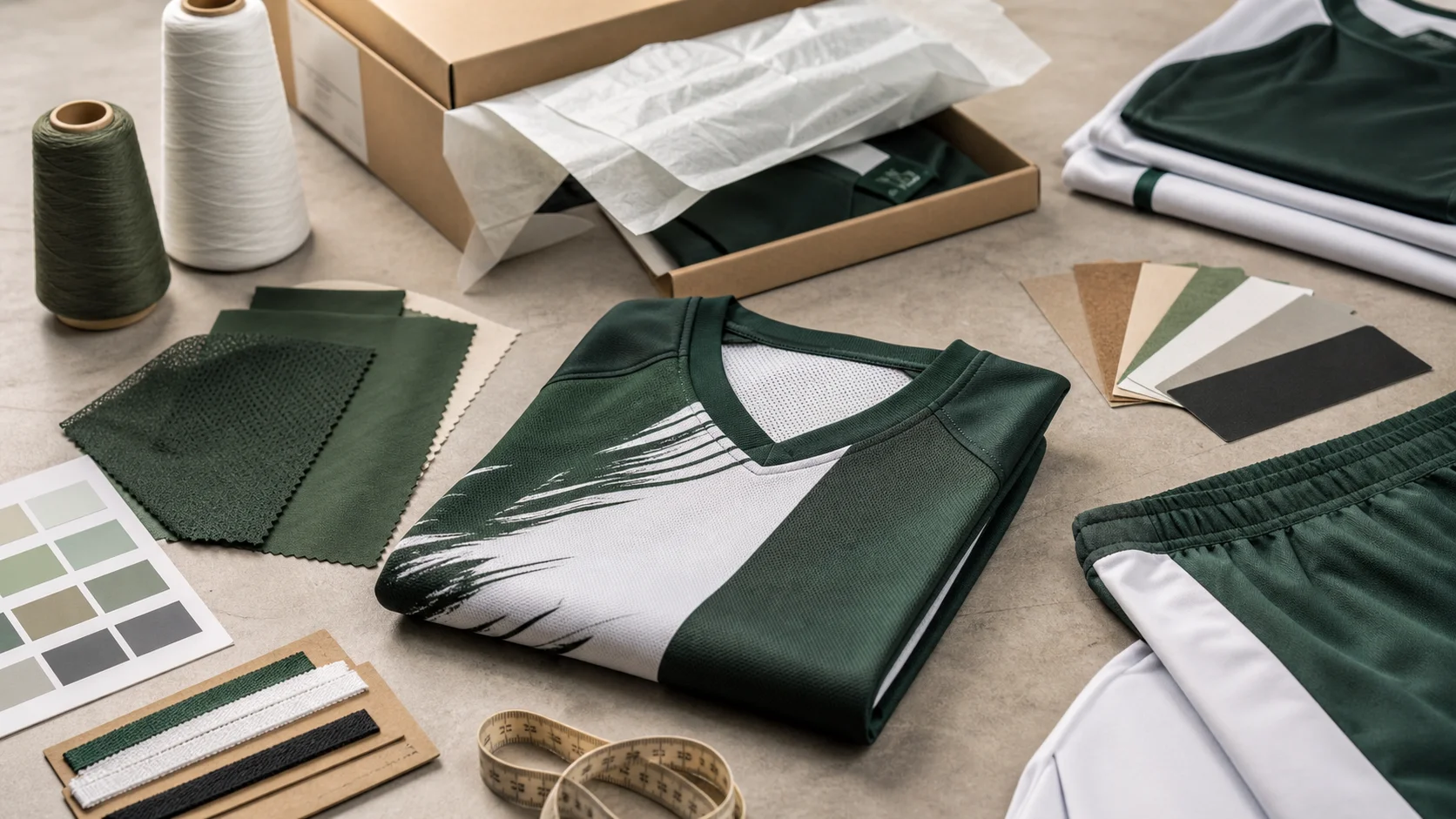
Use Trade Shows to Find compared by sample evidence, fabric or trim specs, MOQ, AQL terms, cost lines, delivery timing, and rework responsibility.
Fast answer: Use Trade Shows to Find: Tech Pack, Sample Gate, MOQ, and QC Terms should be judged by production evidence, not by a generic sourcing promise. The buyer needs sample proof, cost breakdowns, QC checkpoints, and delivery buffers in writing.
Ask for recent sample photos, measurement tolerances, fabric or print test assumptions, decoration test notes, packing examples, and a named inspection checkpoint. These details show whether the team can repeat an approved sample at bulk volume.
Separate garment cost, decoration, labels, packaging, sampling, testing, freight, and rush charges. Clear cost lines make it easier to reduce colorways, adjust size depth, or reserve more time for sampling.
Trade shows remain one of the most effective ways to connect with qualified buyers, build brand visibility, and generate real sales opportunities. In a world dominated by digital outreach, face-to-face conversations still create a powerful advantage. Buyers at trade shows are often already in discovery mode, actively looking for new suppliers, products, or manufacturing partners. That makes events an ideal channel for businesses that want to shorten the sales cycle and meet decision-makers directly.
If your goal is to find buyers through trade shows, success does not happen by accident. You need a plan before the event, a clear strategy during the event, and a disciplined follow-up process after the event. This guide explains how to use trade shows to find buyers in a practical, step-by-step way so you can turn event attendance into measurable business growth.
Trade shows give you something that email campaigns and social media ads cannot fully replace: immediate human interaction. You can introduce your brand, answer objections in real time, and build trust much faster than through a cold online message. For businesses in wholesale, manufacturing, apparel, and B2B supply chains, this trust factor matters a great deal.
Trade shows also bring together a concentrated audience. Instead of reaching out to hundreds of prospects one by one, you may be in the same room with buyers, distributors, retailers, sourcing managers, and brand owners who are already interested in your category. That concentration can create a strong return on investment if you approach the event strategically.
For companies like Fabrikn, trade shows can be especially valuable for showcasing capabilities, discussing customization, and building relationships with businesses that need dependable apparel manufacturing support. Learn more about our capabilities on our services page or explore our company background on the about us page.
The first step in using trade shows to find buyers is to define what success looks like. Many exhibitors focus on being “busy” at the booth, but activity alone does not create sales. Your goals should be specific, measurable, and tied to business outcomes.
Examples of strong trade show goals include:
Once you have goals, decide which metrics matter most. You may care more about lead quality than lead volume. Or you may prioritize meetings over booth traffic. Clear goals help your team stay focused and make it easier to evaluate whether the event was worth the investment.
Not every trade show will attract the buyers you want. Some events are best for industry networking, while others are designed for sourcing, procurement, and product discovery. Choosing the right show is one of the most important decisions you can make.
Start by asking a few questions:
If you are a manufacturer or supplier, look for trade shows where buyers are actively sourcing products and evaluating vendors. Review exhibitor lists, attendee profiles, event themes, and previous year reports if available. A smaller show with the right audience can outperform a larger event with poor buyer alignment.
You should also think about geography. If you want local or regional buyers, choose a show with strong attendance in that market. If you want international business, select events known for attracting global sourcing teams and importers.
Your booth is more than a display space. It is your sales environment. If it looks confusing, generic, or uninviting, you may attract visitors who are curious but not qualified. A strong booth strategy helps you draw the right kind of attention and create better conversations.
Focus on clarity first. Buyers should understand what you do within a few seconds. Use concise messaging, strong visuals, and signage that highlights your core offer. Avoid clutter and too much text. Your booth should communicate value fast.
Consider these booth best practices:
It also helps to create a reason for visitors to stop. This might be a sample kit, a product demonstration, a new launch, or a giveaway tied to a business need. The goal is not just to attract foot traffic, but to attract qualified prospects who can become real buyers.
One of the biggest mistakes exhibitors make is waiting for buyers to “find” them at the event. The best results often come from pre-show outreach. If you can contact prospects before the trade show, you can arrange meetings in advance and arrive with a pipeline already in motion.
Use your event participation as a reason to reach out. Send targeted emails, LinkedIn messages, or direct invitations to prospects in your database. Let them know where you will be, what you will be showing, and why it matters to them.
Effective pre-show marketing activities include:
Be specific in your message. Instead of saying “visit our booth,” explain what problem you solve or what opportunity you offer. Buyers respond better when the value is clear and relevant to their business goals.
If you do not yet have a strong list of target buyers, trade shows can also help you identify prospects for the future. In that case, use the event to build a contact database and qualify opportunities. When you are ready to scale outreach, a strong lead capture and follow-up plan becomes essential. You can also contact our team through the contact us page if you want to discuss manufacturing support for your business.
Time at a trade show is limited, so you need a fast way to identify serious buyers. Not every booth visitor will be a decision-maker or a fit for your business. The better you qualify early, the more efficient your sales efforts will be.
Use a simple set of questions to understand the visitor’s needs:
These questions should feel like a conversation, not an interrogation. The goal is to uncover whether the person has buying intent, budget, and authority. If they are not the right fit, politely direct them to the right resource and keep the conversation positive.
A good qualification process saves time and helps your team focus on prospects with genuine potential. It also improves the quality of your post-show follow-up because you already know what matters to each lead.
Once you identify a qualified visitor, you need a clear, concise pitch. Trade show conversations are usually short, so you must explain your value quickly. The most effective pitch focuses on the buyer’s needs, not on long company history or technical details that do not matter yet.
A strong pitch often includes three parts:
For example, a B2B clothing manufacturer might explain that it helps brands and businesses produce reliable apparel with consistent quality, flexible customization, and dependable lead times. That is clearer than a vague description of “high-quality solutions.”
Be ready to tailor your message based on the visitor’s goals. A retailer may care about margin and speed. A corporate buyer may care about consistency and brand presentation. A sourcing manager may care about factory reliability and production capacity. The more relevant your pitch, the better your chances of converting the conversation into a follow-up.
Use storytelling when possible. A short case example about a successful client, improved delivery process, or solved sourcing problem can make your offer more memorable than a list of features.
Lead capture is one of the most important parts of using trade shows to find buyers. If you do not collect the right information, even a promising conversation can disappear after the event.
Use a process that is simple and consistent. Your team should record key details such as:
Digital lead capture tools, QR forms, or CRM-integrated scanning systems can make this process easier. Still, the technology matters less than the discipline behind it. Train your team to collect meaningful notes that will help with follow-up later.
Also, label your leads clearly. A hot lead should not be stored the same way as a general contact. Use tags such as “hot prospect,” “sample request,” “needs pricing,” or “partner opportunity.” This makes post-show prioritization much easier.
Speed matters after a trade show. The longer you wait, the more likely your lead will forget the conversation or move on to another supplier. Ideally, your first follow-up should happen within 24 to 72 hours after the event.
Your follow-up should reference the original conversation and include a clear next step. Do not send a generic “nice to meet you” email if you want results. Instead, personalize your message based on what the buyer said they needed.
Examples of strong follow-up actions include:
The best trade show leads often require multiple follow-up attempts. Build a sequence rather than relying on a single email. A structured follow-up plan can include a short email series, a phone call, a LinkedIn message, and a reminder for future outreach.
In B2B manufacturing, the buying process can take time. That means your job is not just to “close” at the show. Your job is to keep the conversation alive and move the buyer toward the next decision point.
To know whether a trade show helped you find buyers, you must measure performance. This goes beyond counting booth visitors. You need to track what the event produced in terms of real business outcomes.
Useful metrics include:
After the show, review what worked and what did not. Which messages drew the strongest attention? Which lead sources produced the highest-quality prospects? Did your booth design support your sales goals? Did your team ask the right questions?
This review is important because it helps you improve each time you exhibit. Trade show success compounds when you learn from each event and refine your approach. Over time, you will identify the best events, the most effective messaging, and the strongest buyer segments for your business.
Many companies attend trade shows with good intentions but weak execution. Avoiding common mistakes can save time, money, and missed opportunities.
Some of the most frequent mistakes include:
Another major mistake is treating trade shows as branding-only events. While brand exposure is valuable, the real opportunity is relationship-building and lead generation. If you want buyers, your entire strategy should support that goal from start to finish.
Trade shows are most effective when they are part of a larger business development plan. They should not stand alone. Use them alongside email marketing, social selling, referral outreach, content marketing, and direct sales activity. This integrated approach helps you stay visible before, during, and after the event.
For manufacturers and B2B suppliers, trade shows can open the door to new accounts, private-label opportunities, wholesale partnerships, and long-term client relationships. If your offer is strong and your process is organized, these events can become one of your best buyer-finding channels.
At Fabrikn, we understand how important it is to connect with the right business partners and buyers. If you are exploring manufacturing support or want to learn more about our team and capabilities, visit our about us, explore our services, or reach out through our contact us page.
Learning how to use trade shows to find buyers is about much more than showing up with a booth. It requires a clear plan, a strong message, smart lead qualification, and fast follow-up. When done well, trade shows can help you meet decision-makers, build trust, and create real sales opportunities in a short amount of time.
Choose the right event, prepare before you arrive, communicate your value clearly, and stay disciplined after the show. By treating trade shows as a structured buyer-generation system, you can turn event attendance into measurable business growth.
Get a free quote from Fabrikn — your trusted B2B clothing manufacturer with 10+ years of experience. MOQ as low as 200 pieces.
Get a Free Quote →Trade shows bring together buyers, decision-makers, and sourcing professionals in one place. This gives you a chance to meet prospects face-to-face, explain your offer, qualify interest, and begin a sales relationship more quickly than through cold outreach alone.
Start by defining your goals, researching the event audience, planning your booth message, and reaching out to target buyers before the show. Preparation helps you focus on qualified leads instead of hoping for random traffic.
Use pre-show marketing, clear signage, product samples, demonstrations, and an attractive booth design. Most importantly, give buyers a reason to stop by by highlighting a specific value proposition or business problem you solve.
Follow up within 24 to 72 hours with a personalized message that references your conversation and offers a next step. This may include pricing, a sample request, a call, or more product information.
Measure results such as qualified leads, meetings booked, sample requests, quote requests, and deals influenced or closed. Compare those outcomes to your total event cost to evaluate ROI.
Yes. Small businesses can benefit greatly from trade shows because they can meet the right people quickly, build relationships, and compete on trust, service, and specialization rather than only on scale.