
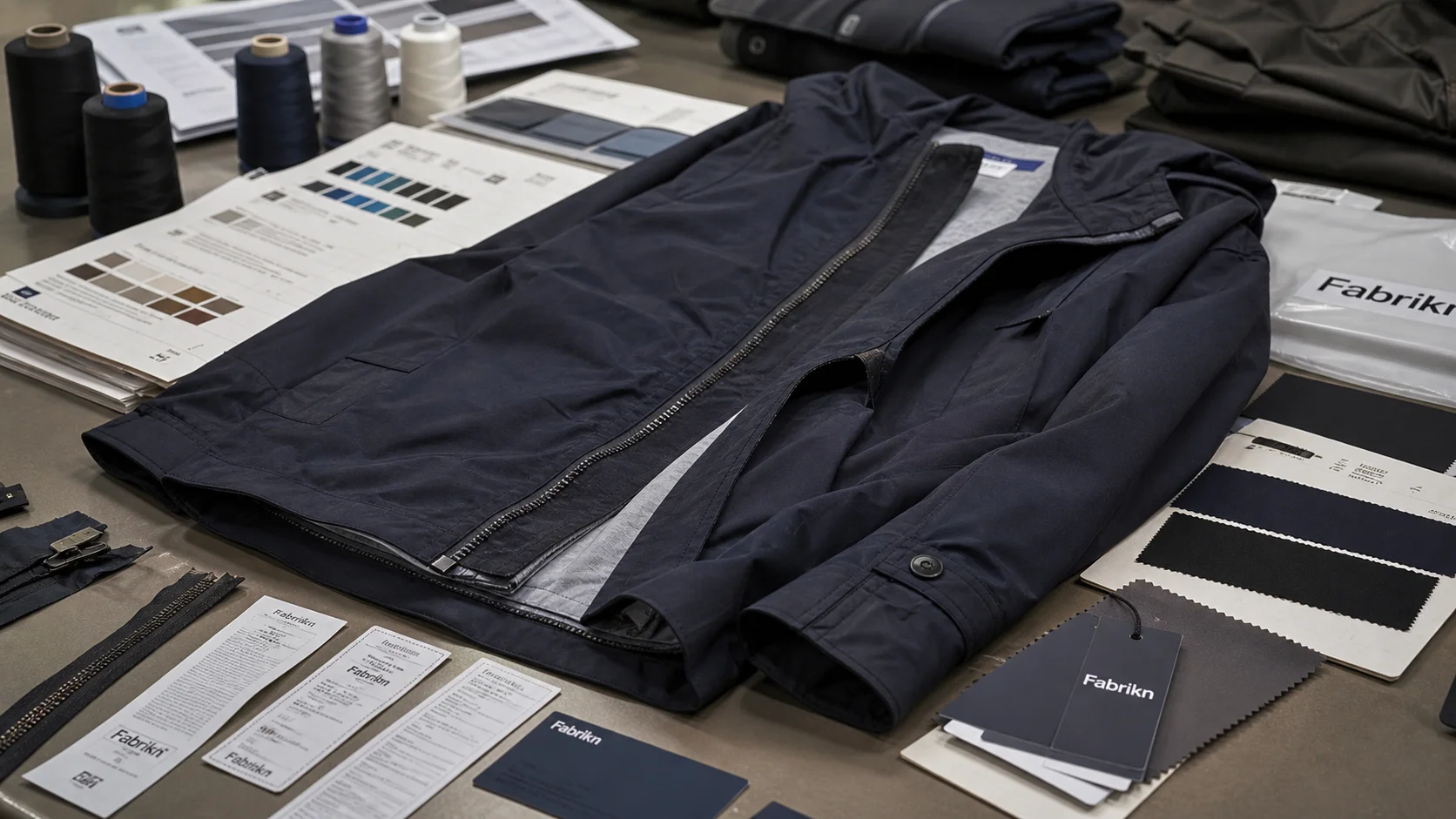
OEKO-TEX Standard 100 with checks for samples, fit, MOQ, QC evidence, pricing terms, and delivery risk.
Fast answer: OEKO-TEX Standard 100: Verification Steps should be judged by production evidence, not by a generic sourcing promise. The buyer needs sample proof, cost breakdowns, QC checkpoints, and delivery buffers in writing.
Ask for recent sample photos, measurement tolerances, fabric or print test assumptions, decoration test notes, packing examples, and a named inspection checkpoint. These details show whether the team can repeat an approved sample at bulk volume.
Separate garment cost, decoration, labels, packaging, sampling, testing, freight, and rush charges. When every cost line is visible, it becomes easier to reduce colorways, adjust size depth, or reserve more time for sampling.
OEKO-TEX Standard 100 has become a cornerstone for companies striving to demonstrate a commitment to sustainable fashion. This internationally recognized certification ensures that textile products are free from harmful substances, providing brands and manufacturers with a robust framework for material safety. At Fabrikn, we understand how essential transparent validation is for online and retail customers seeking responsibly made garments. Verification under OEKO-TEX Standard 100 is a strategic move toward minimizing environmental impact while standing out in a crowded marketplace with verifiable evidence of safe sourcing.
The verification steps for OEKO-TEX Standard 100 not only cover the final products but also span the entire production chain, from raw materials to finished garments. For B2B customers looking to integrate ethical practices into their supply chain, adhering to these steps aligns closely with sustainability goals. Whether you are a brand sourcing casual wear, activewear, or technical apparel, this certification helps ensure each thread is vetted for chemical safety and manufacturing integrity.
In the competitive landscape of sustainable fashion, certifications like OEKO-TEX Standard 100 serve as objective, third-party validation of eco-conscious practices. Consumers and B2B buyers increasingly demand transparency about what they wear. Verification provides peace of mind that garments are not contributing to chemical pollution, worker endangerment, or unchecked resource waste.
Standard 100 addresses key sustainability concerns such as:
Another detail: integrating the certification process early allows brands to optimize fabric selection, dyeing processes, and finishing techniques. When a manufacturer like Fabrikn aligns with OEKO-TEX Standard 100, it signals a commitment not only to product safety but also to long-term stewardship of the environment.
The verification journey can be extensive, but when approached methodically, it becomes manageable and fruitful. The following outlines the key steps Fabrikn advises B2B clients to follow when pursuing OEKO-TEX Standard 100 certification.
The first step is identifying which product classes apply. OEKO-TEX Standard 100 categorizes products into four classes based on skin contact and safety requirements:
Understanding which class your products fall into determines the threshold for chemical limits and testing intensiveness. This classification informs the preparation for subsequent verification steps.
OEKO-TEX examinations are only as accurate as the inputs. Collect detailed information on all raw materials, trims, labels, and accessories. Fabrikn’s sourcing team works closely with suppliers to ensure materials meet OEKO-TEX criteria before arriving at production facilities.
Also, record any chemical suppliers, dyestuffs, and finishing agents used. This information is crucial for both the lab testing phase and the documentation required by auditors.
OEKO-TEX Standard 100 is administered through accredited independent institutes. Selecting the right institute affects turnaround times and overall clarity of the verification expectations. Fabrikn partners with trusted institutes aligned with our quality assurance systems, ensuring a streamlined approach for clients.
Reach out to an institute early to schedule testing and understand specific documentation requirements, as timelines may vary depending on regional demand and product complexity.
Once materials are prepared, submit product samples to the testing institute. The lab will examine textiles for substances such as:
It’s vital to submit representative and thoroughly documented samples, emphasizing the final product’s typical construction, finishes, and colors. We recommend providing multiple samples if the product line includes multiple colors or finishes.
While lab tests analyze chemical safety, factory audits corroborate operational compliance. Auditors review traceability, handling processes, and employee training related to hazardous substance management.
Institutes may request documentation on chemical inventories, storage, disposal, and employee protective gear. Fabrikn’s production facilities are routinely audited, resulting in robust internal records that support the OEKO-TEX verification process.
After testing and audits, institutes issue reports detailing any non-conformities. It is imperative to review these thoroughly and implement corrective actions where needed. Non-conformities might include:
Fabrikn’s team collaborates with clients to adjust processes, substitute materials, or revise documentation to meet compliance requirements swiftly.
Upon successful verification, the institute issues the OEKO-TEX Standard 100 certificate. This certification is valid for one year and covers specific products and manufacturing locations. Keep detailed records of certificate numbers, expiration dates, and product references to facilitate renewals and customer inquiries.
Also, maintain copies of all test reports, audit results, production batches, and shipment records. These will support future renewals and expedite communications with buyers or regulators seeking verification proof.
OEKO-TEX Standard 100 verification depends heavily on documentation that demonstrates compliance. Whether you are a brand looking to certify garments or a manufacturer preparing for your clients’ audits, organizing the following documentation is essential.
Prepare a comprehensive bill of materials (BOM) that lists composition percentages for fabrics, yarns, trims, and accessories. Include supplier declarations outlining material origins and any union, eco, or safety certifications they already hold. These details simplify cross-referencing during audits.
OEKO-TEX requires precise data about all chemicals used in finishing, dyeing, and washing processes. Compile a chemical inventory that includes:
This documentation proves that the chemicals employed meet the stringent safety standards of the certification.
Keep detailed logs of production runs, washing cycles, and finishing steps. Internal audits help identify gaps before the official institute audit. Document corrective actions and continuous improvement initiatives to highlight commitment to quality and compliance.
OEKO-TEX emphasizes responsible chemical management. Documentation should include training schedules, attendance records, and instructional materials used to educate staff on handling hazardous substances. Regular refreshers support compliance and help mitigate risks of human error.
Choosing the right third-party partners ensures accuracy and reliability in OEKO-TEX verification.
OEKO-TEX partners with accredited laboratories worldwide. Look for labs with proven expertise in handling similar textiles and production volumes. Fabrikn recommends laboratories with ISO/IEC 17025 accreditation, ensuring international recognition and consistent results.
Auditors examine documents, interview staff, and inspect chemical storage to confirm compliance. They compile a detailed report that includes:
These reports influence the certification decision and serve as internal references for continuous improvement.
Risk management is vital to avoid delays or unexpected failures.
Early consultation with fabric and trim suppliers ensures they understand OEKO-TEX requirements. Provide them with reference documents and demand transparency about chemicals used. Fabrikn coordinates this upstream communication to ensure the supply chain is aligned with sustainability goals.
While official OEKO-TEX tests must be conducted by accredited institutes, additional in-house testing can detect potential issues early. Quick preliminary tests help verify colorfastness, shrinkage, and chemical levels before sending samples for certification.
Create mitigation plans that outline how to respond if testing identifies non-compliant substances. These plans should include sourcing alternative materials, adjusting wash formulas, and scheduling retests. A prepared mindset reduces disruption and keeps timelines intact.
OEKO-TEX Standard 100 certification is more than a one-time achievement. Successful brands integrate it into ongoing processes.
Since certificates expire annually, plan renewal activities several months in advance. Reconfirm materials, resubmit samples for testing, and ensure documentation reflects current production practices. Fabrikn’s project managers track expiration dates and reminders to keep certifications current without last-minute rushes.
Regularly evaluate suppliers to ensure they maintain chemical safety standards. If a supplier changes a formula or introduces new materials, reassess their compliance impact. Close supplier collaboration encourages innovation while safeguarding verification compliance.
Conducting periodic internal audits fosters a culture of accountability. Use insights from OEKO-TEX reports to improve processes, reduce waste, and strengthen safety measures. Feedback loops from clients also provide valuable data for adjustments in design, production, or packaging.
Once verified, OEKO-TEX certification becomes a powerful marketing asset:
Ultimately, evidence of verification strengthens customer relationships and positions your brand as a responsible leader in sustainable fashion. Fabrikn supports this message by aligning production practices with OEKO-TEX reporting, helping clients tell a cohesive sustainability story throughout their sales channels.
Get a free quote from Fabrikn — your trusted B2B clothing manufacturer with 10+ years of experience. MOQ as low as 200 pieces.
Get a Free Quote →A strong brief makes the supplier's job narrower and the quote more reliable. For oeko-tex standard 100, include the target customer, sales channel, expected order quantity, size range, decoration needs, packaging requirements, and delivery market. Then call out the details most likely to affect the result, especially fit intent, material source, and trim selection.
The brief should also explain what cannot change. Some brands care most about hand feel, some about price, some about launch timing, and some about retail compliance. When those priorities are not written down, suppliers tend to optimize for whatever is easiest to quote. Clear priorities help the factory make better tradeoffs before the first sample is cut or printed.
Ask the supplier to respond with assumptions, not just a price. A useful reply states MOQ, sample route, production capacity, inspection plan, packing method, and freight handoff. If the answer is vague, the project may still work, but it needs a tighter pre-production stage before money and calendar pressure build up.
The best time to catch problems is before the pre-production sample is approved. Check measurements, color, placement, material behavior, shrinkage, construction, labels, and packaging in the same review instead of approving each item in isolation. Many bulk issues are not caused by one dramatic mistake; they come from several small unchecked assumptions.
For oeko-tex standard 100, pay special attention to sample review, bulk inspection, and shipping plan. These details often look minor in an email but become expensive once cutting, printing, sewing, packing, or shipping begins. A simple checklist with owner, due date, and approval status keeps the brand team and factory aligned.
Bulk production should not start until the supplier can explain how the approved sample becomes a repeatable production standard. That means reference sample storage, line instructions, inline checks, final inspection, and defect handling. A factory that can describe this process clearly is usually safer than one that only promises speed.
Price differences are useful only when the quotes cover the same work. Compare sample cost, material source, trims, decoration, packaging, testing, inspection, and freight assumptions. A low unit price can become expensive if it excludes items the brand needs before launch.
Timeline promises deserve the same scrutiny. Ask what happens if the first sample needs revision, whether materials are in stock, when the production slot is reserved, and how export packing is handled. The most reliable supplier is often the one that gives a realistic calendar instead of the fastest optimistic answer.
For a deeper understanding of Fabrikn’s commitment to sustainability and ethical manufacturing, explore our about us section.