
A practical outline for sportswear startups planning OEM cut and sew tracksuit production, covering pattern development, fabric choices, fit, trims,...
OEM Tracksuits Cut and Sew for Startups - Fabrikn production reference
For sportswear startups, OEM tracksuits cut and sew production is one of the most practical ways to turn a product idea into a sellable line. The model gives you control over fit, fabric, trim, branding, and construction, while still working within the realities of early-stage order quantities. That balance matters. Startups rarely need fashion-level complexity at launch. They need repeatable quality, a clear cost structure, and a factory that can handle sampling, revisions, and production without creating avoidable delays.
Cut and sew tracksuits are built from raw fabric panels rather than finished blanks. That is the difference that gives you flexibility. You can specify brushed fleece, double-knit polyester, interlock, French terry, or performance blends. You can define jacket shapes, cuff treatment, pocket style, zipper grade, waistband construction, and decoration method. You can also control where the risk sits. A simple silhouette in a standard fabric is easier to launch than a heavily paneled set with multiple trims and mixed print methods.
For startups, the real question is not whether OEM is possible. It is whether the line can be developed with enough discipline to avoid expensive corrections. That means early spec decisions, realistic MOQ planning, careful sample approval, and a strong understanding of what actually affects lead time.
OEM stands for original equipment manufacturing. In practical terms, the startup provides the product direction, and the factory develops and produces the tracksuits to spec. The startup usually owns the branding and sells under its own label. In apparel sourcing, OEM is often the better fit when the brand wants a differentiated garment, not just a logo on a standard blank.
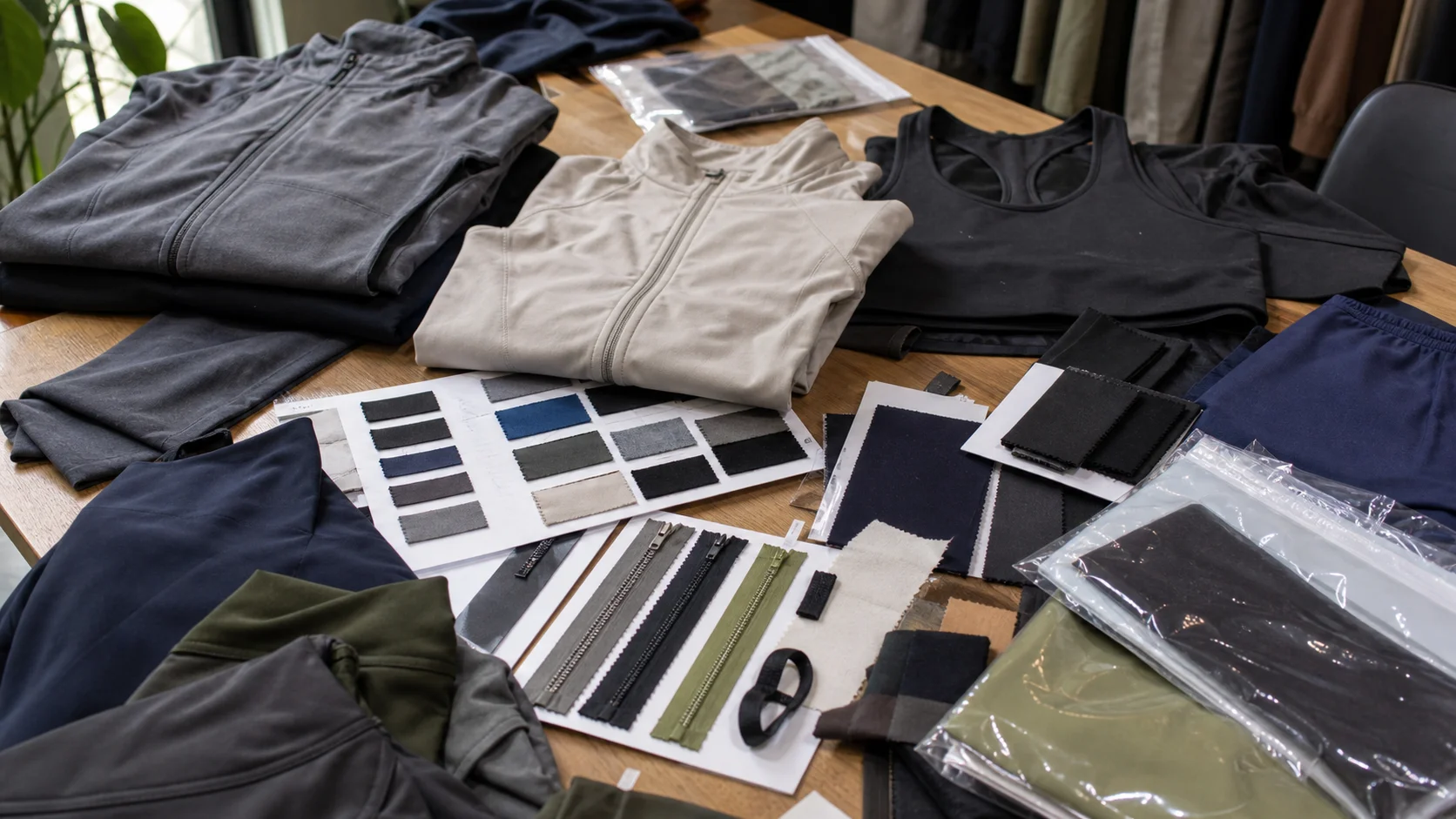
For tracksuits, OEM usually covers the full garment package: tech pack review, pattern development, sampling, fabric sourcing, trim sourcing, labeling, cutting, sewing, finishing, packing, and carton preparation. Some suppliers also support print, embroidery, heat transfer, and hangtag application. The more services included, the easier it is to keep accountability inside one production flow.
Startup buyers should treat OEM as a product-development process first and a production order second. The factory can only price and build what is clearly defined.
This is where many first orders go wrong. A founder may have a clear brand story but a vague construction brief. That creates back-and-forth on zipper length, leg opening, logo placement, and fabric weight. Each unresolved detail affects pricing and timing. The better the brief, the fewer surprises during sampling and pre-production.
Cut and sew production gives startups room to build a recognizable product instead of entering a crowded market with generic stock garments. A tracksuit is simple enough to manage at launch, yet flexible enough to express brand identity through silhouette, piping, panel layout, collar shape, and fabric choice. That makes it a sensible entry point in activewear and teamwear.
There are tradeoffs. Cut and sew is usually slower and more demanding than private label blanks. It requires more development work, more approvals, and tighter communication. Unit cost can also be higher at low volume because fabric cutting, sewing operations, and trim sourcing are all tied to the exact pattern and order size. The upside is stronger product control and better long-term brand value.
For sportswear startups, the strongest use case is a line that sits between performance and lifestyle. A clean track jacket and matching pant can serve warm-ups, team travel, gym wear, and casual use. That broad utility makes the product easier to sell, especially when budgets are tight and inventory risk matters.
The price of an OEM tracksuit is driven by a small number of decisions. A startup that understands these early can make smarter tradeoffs before sampling begins.
Fabric choice is the biggest cost and performance driver. Common options include polyester tricot, polyester-spandex blends, brushed fleece, French terry, and interlock knits. A performance track set often uses polyester-rich fabric for durability, color stability, and easier decoration. A more lifestyle-oriented set may use heavier fleece or cotton-blend terry for comfort.
Fabric weight matters. Lightweight fabrics can lower cost and improve packability, but they may feel less premium. Heavier fabrics can improve structure and perceived value, yet they increase consumption, freight weight, and sometimes drying time during production. For startup brands, a mid-weight construction is often the safer commercial choice.
Fit decisions affect both sales and sewing complexity. A slim athletic fit uses less fabric but leaves less tolerance for sizing error. A relaxed fit is easier to wear across body types and often better for general teamwear, though it can require more fabric and more careful grading. Startups should avoid over-engineered patterning unless the silhouette is central to the brand.
Zipper grade should be specified early. A standard coil zipper may be suitable for many tracksuit jackets, while a molded zipper can offer better durability depending on style and price target. Rib cuffs, drawcords, eyelets, elastic waistbands, pocketing, and printed labels all change cost and lead time. Trims are rarely dramatic in isolation, but they add up quickly when the order is still small.
Embroidery looks premium but can stiffen lightweight fabric and increase cost. Screen print is economical for larger, flatter artwork, though it may not suit all performance fabrics. Heat transfer works well for smaller logos and variable placement. Woven labels, main labels, and size labels are practical branding essentials, and they need to be approved alongside the garment itself, not after production starts.
Decision Area Lower-Risk Startup Choice Tradeoff Fabric Mid-weight polyester blend Less premium feel than heavier fleece Fit Regular athletic fit Less fashion-led differentiation Branding Small embroidery or heat transfer Limited visual impact compared with large graphics Construction Simplified panel layout Fewer design features to market as premiumSampling is where OEM tracksuits are won or lost. A startup should expect more than one round if the design is new or the factory is translating from a rough sketch. The usual sequence is concept review, fabric and trim confirmation, pattern or proto sample, fit sample, revised sample if needed, and pre-production approval. Rushing this process often creates downstream production problems that cost more than the delay would have.
The first sample is rarely the final answer. It is a tool for checking proportions, construction logic, and material behavior. Fabrics drape differently once cut and sewn. Logos may distort on curved areas. Zippers can buckle if the placket is underbuilt. Pocket openings may sit awkwardly on a new grade rule. These are normal issues, and the point of sampling is to catch them before bulk cutting begins.
Startups should keep approval feedback specific. Comments like “make it better” do not help the factory. Better notes include neckline depth, sleeve width, cuff recovery, pocket position, inseam length, hem opening, logo size, and zipper pull preference. Clear feedback reduces revision cycles and keeps the development calendar under control.
Bulk production should not start until the pre-production sample matches the approved standard. If the factory uses different fabric lot numbers, print methods, or trim substitutions at the bulk stage, those changes should be disclosed and approved. Hidden substitutions are a common source of complaints, especially in activewear where hand feel and stretch recovery are easy for customers to notice.
Minimum order quantities for OEM tracksuits vary by supplier capability, fabric type, and decoration method. Startups should expect a practical MOQ range in the low hundreds per colorway for many custom programs, though some factories will quote lower if the design is simple or if they can consolidate fabric runs. A fully custom set with special trims, custom dyeing, or complex paneling usually pushes the MOQ higher.
Lead time depends on more than sewing capacity. Fabric sourcing, lab dips, knit development, trim procurement, sample approvals, and packaging all affect the schedule. A straightforward order with in-stock fabric may move faster. A custom-dyed fabric, special zipper, or difficult logo application will slow the process. In activewear, fabric availability is often the critical path.
Typical startup planning should assume enough time for at least one sample revision and one pre-production approval cycle. That means founders should not build a launch calendar around a best-case sample outcome. The safer approach is to work backward from the sales date and leave room for fabric delays, inspection findings, and shipping buffers.
Short lead times are possible only when the style is simple, the material is available, and the approvals are disciplined. One weak link can add weeks.
Freight method also matters. Air shipment shortens delivery but raises landed cost. Sea freight is more economical for larger orders, but it should be built into the timeline early. Startups that ignore this tradeoff often misread the actual cash requirement for a first run.
Tracksuits are simple in concept, but there are several recurring quality risks in OEM production. These are the points that deserve extra attention during inspection.
Inspection should cover measurement, appearance, workmanship, and packaging. A startup does not need a complicated quality system, but it does need a documented standard. That standard should include a measured spec sheet, approved sample reference, and clear tolerance thresholds. If the product is intended for teamwear, consistency matters more than dramatic design detail.
It is also worth asking how the factory handles inline checks. If defects are found only at the end of production, corrective work becomes slower and more expensive. Inline inspection usually saves money, even if it adds a small amount of process time.
Startups usually do better with a tight first assortment than with a broad catalog. A focused launch might include one jacket style, one pant style, and two or three colors. That keeps inventory manageable and makes it easier to evaluate sell-through before expanding the line. A large first assortment can look ambitious on paper and still create dead stock.
Color selection should reflect both brand identity and production practicality. Black, navy, grey, and deep green tend to be safer from a stock and demand standpoint. Bright team colors can work well if the brand has a strong use case, but they may require more dye control and more careful matching between fabric lots. If the line depends on coordinated top and bottom pairs, color consistency is not optional.
Packaging should be planned alongside production. Fold size, polybag type, size sticker format, barcode placement, and carton configuration affect not only warehouse handling but also the customer experience. These details are easy to overlook until the first shipment arrives. They should be treated as part of the product, not afterthoughts.
For brands still evaluating manufacturing partners, a structured service page such as fabric and garment production support can help frame the scope of work clearly. It is worth asking whether the supplier handles development and bulk production under one roof, or whether samples, sourcing, and sewing are split across multiple points of responsibility.
Choosing the right OEM partner for tracksuits is a sourcing decision, not just a pricing exercise. A low quote is only useful if the supplier can meet the construction standard, handle the materials cleanly, and communicate well enough to keep the launch on schedule. Price alone rarely tells the full story.
Ask direct questions about fabric sourcing, MOQ by color, sample cost, revision charges, production lead time, tolerance standards, and inspection process. It also helps to ask what the factory needs before quoting. A serious supplier will usually want a tech pack, size chart, branding details, fabric references, and target order quantity. If those details are missing, any quote should be treated as provisional.
Startups that need an introduction to the company behind the production process can review the brand background on the company profile. That is a practical step when assessing whether a supplier is structured for OEM development or simply reselling generic stock programs.
When moving toward the first inquiry, keep the line of communication simple and complete. A clear brief lowers the chance of incorrect assumptions. For a direct production conversation, the contact page is the right place to start with the project details, target quantity, and timeline.
The search intent behind “OEM tracksuits cut and sew for startups” is commercial and informational at the same time. Buyers want a manufacturing path, but they also want enough detail to judge feasibility. That means the article should cover product development, MOQ, lead time, and sampling without drifting into generic branding advice.
Relevant keyword themes include OEM tracksuits, cut and sew sportswear, startup activewear manufacturing, custom tracksuit supplier, private label tracksuits, teamwear production, and custom sportswear MOQ. The strongest content does not force keywords unnaturally. It answers the sourcing questions a buyer would actually ask before sending a tech pack.
From an SEO standpoint, this topic is well suited to long-form content because the buyer journey is detailed. Founders compare fabric options, evaluate MOQ thresholds, and try to understand where delays happen. A useful article should reduce that uncertainty and help the reader make a better sourcing decision.
OEM tracksuits cut and sew production can be a sound route for sportswear startups, provided the product is kept under control. Simple construction, disciplined sampling, realistic MOQ planning, and clear quality standards usually matter more than decorative complexity. The best early product is not the most ambitious one. It is the one that can be produced consistently, priced correctly, and delivered on time.
For startups entering activewear and teamwear, the opportunity is in building a dependable first line that can be repeated, refined, and expanded. That requires a practical manufacturing partner, detailed product specifications, and a willingness to make tradeoffs where they actually improve commercial outcome.
Get a free quote from Fabrikn — your trusted B2B clothing manufacturer with 10+ years of experience. MOQ as low as 200 pieces.
Get a Free Quote →It is the process of manufacturing tracksuits from raw fabric and trims according to a brand’s own design, fit, and construction requirements. The factory builds the garment to spec rather than supplying a finished blank.
Many suppliers quote low hundreds per colorway for custom tracksuits, though complex fabrics, special trims, and high-detail branding can raise the minimum. The actual MOQ depends on material availability and the factory’s production structure.
At least one prototype and one revision sample are common for a new tracksuit program. More rounds may be needed if the fit, fabric behavior, or branding needs adjustment.
Fabric sourcing is often the main bottleneck, especially when the design depends on custom-dyed or hard-to-find materials. Sample approval delays and trim substitutions are also common causes of schedule slippage.
A mid-weight polyester blend is often a practical starting point because it balances durability, cost, and decoration compatibility. The final choice should reflect whether the product is aimed more at performance, teamwear, or lifestyle use.
Common problems include size inconsistency, poor stitching at stretch points, logo placement errors, and shade variation between fabric lots. These issues are easier to catch when a clear approved sample and tolerance sheet are in place.