
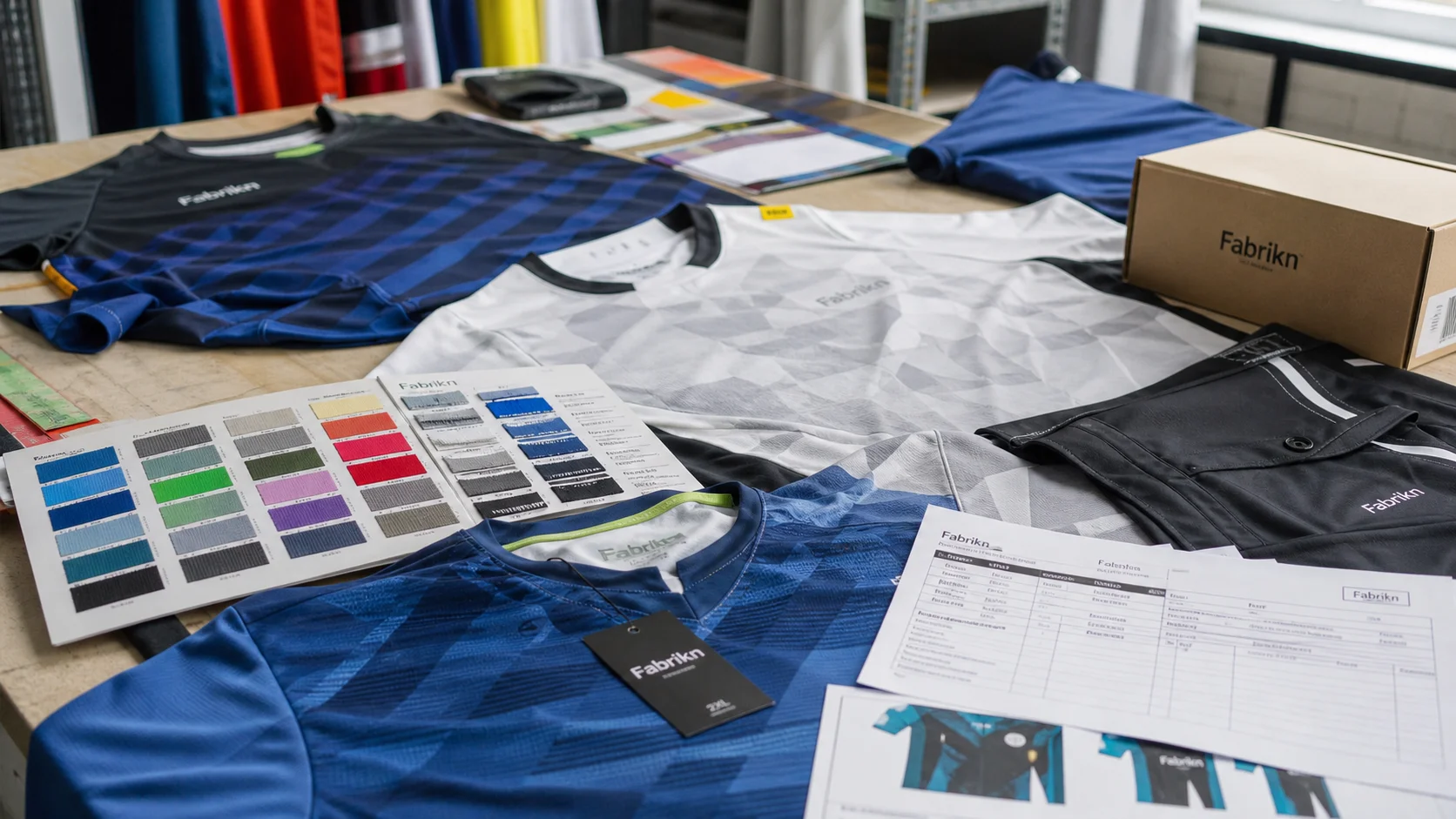
Organic Cotton vs. Recycled Polyester with checks for samples, fit, MOQ, QC evidence, pricing terms, and delivery risk.
Fast answer: Organic Cotton vs. Recycled Polyester: Making the Right should be judged by production evidence, not by a generic sourcing promise. The buyer needs sample proof, cost breakdowns, QC checkpoints, and delivery buffers in writing.
Ask for recent sample photos, measurement tolerances, fabric or print test assumptions, decoration test notes, packing examples, and a named inspection checkpoint. These details show whether the team can repeat an approved sample at bulk volume.
Separate garment cost, decoration, labels, packaging, sampling, testing, freight, and rush charges. When every cost line is visible, it becomes easier to reduce colorways, adjust size depth, or reserve more time for sampling.
For contemporary sustainable fashion brands, the fabric choice is not merely a technical decision—it is a declaration of values. Many labels gravitate toward materials that support clean supply chains, reduce environmental harm, and align with consumer expectations of responsibility. Two materials that consistently rise to the forefront of the sustainability conversation are organic cotton and recycled polyester. Each has a unique profile of strengths, trade-offs, and deployment scenarios, making the comparison essential for brands seeking to craft meaningful products. This article explores the nuances of organic cotton versus recycled polyester, offering a deep dive into their environmental impacts, performance characteristics, and practical considerations that help sustainable fashion brands make informed decisions.
Organic cotton is cultivated without synthetic pesticides, herbicides, or genetically modified organisms (GMOs). This farming approach favors crop rotation, organic fertilizers, and integrated pest management, which collectively bolster biodiversity and soil health. According to industry studies, organic cotton cultivation can reduce water use by up to 91% compared to conventional cotton, depending on the growing region and irrigation strategy. Without chemical runoff, organic cotton farms protect waterways and reduce the cumulative ecological burden of cultivation.
However, the transition to organic cotton can be complex. Farmers often face yield gaps that narrow over time, but the restructuring of supply chains requires rigorous certification protocols. Organic cotton relies heavily on certifying bodies such as the Global Organic Textile Standard (GOTS), which audits every step of the supply chain—from field to finished goods—ensuring transparency and compliance. Brands that source organic cotton also benefit from associating with regenerative agriculture initiatives, contributing to long-term environmental resilience.
Recycled polyester is derived from post-consumer and post-industrial plastic waste, such as PET bottles and textile scraps. Transforming plastic waste into apparel-grade yarns helps divert millions of tons of plastic from landfills and oceans. The chemical recycling process can reduce the carbon footprint of polyester by up to 75% compared to virgin polyester production. By embedding recycled polyester into their product lines, brands can tangibly support circular economy initiatives and reduce dependence on virgin fossil fuel-derived feedstocks.
One critical environmental concern for recycled polyester is microfiber shedding during washing, which has prompted innovations in fabric finishing and garment construction. Leading manufacturers incorporate anti-microbial finishes, tighter knits, and filtration technologies to mitigate microfiber release. Also, certification programs such as the Global Recycled Standard (GRS) provide traceability and ensure the recycled content is genuine, audited, and responsibly managed.
When comparing the two fabrics across environmental indicators, several distinctions emerge. Organic cotton excels in soil regeneration, water stewardship, and biodegradability, whereas recycled polyester reduces plastic pollution and greenhouse gas emissions associated with virgin polymer production. The carbon intensity of organic cotton is generally lower than virgin cotton but can vary depending on transportation, processing, and finishing. Recycled polyester, conversely, has a lower carbon footprint than virgin polyester but higher than natural fiber alternatives in some lifecycle assessments due to energy usage during polymer recycling.
Brands evaluating these materials should consider the full scope of their sustainability mandates. For example, a label focused on regenerative agriculture and biodegradability may favor organic cotton, while performance-oriented sportswear brands may prioritize the durability and technical functionalism of recycled polyester. Some forward-thinking brands blend both materials, creating hybrid fabrics that deliver the comfort of cotton with the resilience of polyester.
Organic cotton offers a soft, breathable handfeel prized for next-to-skin garments. Its natural fibers regulate body temperature and are less likely to irritate sensitive skin because no harsh chemicals are used during cultivation or processing. The tactile qualities of organic cotton also allow for rich dye uptake and a variety of textures, making it ideal for loungewear, basic tees, and everyday staples. However, pure cotton can retain moisture and takes longer to dry, which may be less suitable for performance-focused or humid-weather garments.
Recycled polyester, thanks to its hydrophobic nature, excels at moisture-wicking, quick-drying attributes, and shape retention. It is especially favored in activewear, outdoor apparel, and travel-ready pieces. The fiber’s robustness also supports technical constructions like stretch-knit blends, mesh panels, and structured silhouettes. To mitigate its synthetic aesthetic and improve softness, manufacturers often blend recycled polyester with other fibers, including organic cotton, bamboo, or elastane.
Designers should weigh the desired garment experience against the fabric’s technical specifications. In many cases, hybrid constructions that combine organic cotton and recycled polyester yield garments that balance comfort with performance while minimizing each material’s limitations.
Recycled polyester typically outperforms organic cotton in tensile strength and abrasion resistance, which results in longer-lasting garments. That durability can justify the initial environmental footprint when brands present garments as durable, repairable, and suitable for long-term wear. Recycled polyester also resists fading and maintains its shape despite repeated laundering, supporting circularity through resale, rental, and take-back programs.
Organic cotton, while less inherently durable, can still achieve high longevity with proper weaving techniques, reinforced seams, and thoughtful finishing. Brands committed to extending the lifecycle of cotton garments often emphasize repairs, upcycling, and responsible disposal. Combining both fibers within a garment can result in fabrics that feel natural but remain resilient enough for extended use.
Organic cotton is often priced higher than conventional cotton because of lower yields, certification costs, and the specialized agronomy required. The premium reflects the brand’s investment in sustainable farming and traceability. However, as more farmers adopt organic practices and demand increases, organic cotton prices have stabilized and become more accessible. Bulk purchasing, long-term sourcing contracts, and partnerships with cooperatives can help brands manage costs while securing consistent supply.
Recycled polyester’s price is influenced by the availability of quality feedstock and processing infrastructure. In regions where plastic waste collection and recycling networks are well-developed, recycled polyester can be competitively priced—sometimes even lower than virgin polyester. That said, supply volatility can arise when plastic waste is diverted to other industries or when geopolitical tensions disrupt trade routes. Companies investing in vertically integrated recycling solutions or localized supply chains can mitigate these risks.
Transparency is critical to making credible sustainability claims. Organic cotton’s traceability benefits from established certifications like GOTS, which audits every production stage, ensuring compliance from farm to final sewn garment. Brands that source organic cotton can trace fiber origins back to specific farms, reinforcing storytelling about regenerative practices.
Recycled polyester needs traceability as well, particularly to ensure that recycled feedstock is post-consumer and to avoid greenwashing. Certifications such as the Recycled Claim Standard (RCS) and GRS provide robust documentation of recycled content and processing methods. Brands can also work with manufacturers that publish Environmental Product Declarations (EPDs) to articulate the full environmental footprint of their fabrics.
Both materials benefit from digital traceability platforms that incorporate blockchain, QR codes, and stakeholder transparency portals. These technologies empower brands to provide shoppers with verifiable sustainability data directly on product labels or through mobile apps.
Organic cotton allows brands to highlight pastoral narratives: farmers cultivating healthy soil, communities empowered by fair wages, and families gaining access to clean water. These stories resonate with consumers seeking authentic connections to the origins of their clothing. Also, organic cotton aligns smoothly with values like transparency, ethical labor, and regenerative agriculture, making it appealing to lifestyle brands, slow fashion pioneers, and companies invested in farm-to-closet traceability.
Recycled polyester opens different storytelling avenues. Brands can speak to circularity, plastic pollution reduction, and technological innovation. Highlighting how discarded bottles transform into high-performing garments taps into consumer interest in solutions-based sustainability. Activewear, outdoor brands, and travel-focused labels can showcase recycled polyester’s resilience and eco-conscious functionality.
To reinforce authenticity, Fabrikn encourages brands to integrate educational content about material choices on product pages and marketing channels. Transparent storytelling that shares both triumphs and challenges demonstrates leadership in sustainable innovation.
Today’s consumers are increasingly educated about textile materials and expect credible claims. Research shows that shoppers often perceive cotton-based garments as more natural and skin-friendly, while polyester-based items are seen as high-performance yet synthetic. Bridging this perception gap calls for thoughtful communication about recycled polyester’s environmental benefits and innovative finishes that enhance comfort.
Some brands differentiate themselves by offering chemical-free, GOTS-certified cotton garments in capsule collections, while keeping performance lines in recycled polyester blends. Others adopt a hybrid approach, marketing garments for their balanced comfort and durability. Aligning material choice with customer expectations and the brand’s mission ensures coherence across collections.
When assessing whether organic cotton or recycled polyester—or a blend of both—is the right choice, sustainable fashion brands should consider product function, customer expectations, and lifecycle impact. For items intended for close contact with skin, such as basics or intimates, organic cotton’s softness and hypoallergenic properties make it a strong candidate. For performance garments requiring moisture management or odor resistance, recycled polyester delivers technical advantages.
Hybrid fabrics that combine the two can offer the best attributes of both materials. For example, a garment with organic cotton on the body and recycled polyester panels for stretch zones can cater to comfort and functionality. These blends also support responsible sourcing goals by leveraging multiple sustainable material streams.
Sourcing sustainable fabrics is only part of the journey; manufacturing partners must understand how to handle them properly. Fabrikn offers sustainable apparel manufacturing services that help brands integrate organic cotton and recycled polyester into their product development process with ease. From material testing to production planning, Fabrikn ensures that each fabric’s unique properties are respected, resulting in high-quality finishes that align with your brand’s identity. Visit our services page to discover how we support sustainable production from prototype to delivery.
For brands ready to develop or scale cohesive collections, engaging in collaborative planning with a manufacturer ensures transparency, consistent lead times, and shared values. Understanding the nuances of organic cotton fiber tension, recycled polyester shrinkage, and finishing requirements reduces the risk of costly mistakes and missed deadlines.
As the sustainable fashion landscape evolves, brands should remain agile in their material strategies. Regularly reviewing lifecycle assessments, monitoring consumer feedback, and exploring innovations in dyeing, finishing, and recycling will ensure your material mix remains relevant. Fabrikn’s team is ready to guide brands through this evolution—whether you are optimizing existing products or designing a new sustainable-enabled collection. Reach out via our contact page to discuss your next project.
Deciding between organic cotton and recycled polyester is not always an either/or proposition. By evaluating your brand’s objectives, production capabilities, and end-user needs, you can choose a material strategy that balances environmental responsibility with commercial viability. Whether you lean into the purity of organic cotton, the circular promise of recycled polyester, or a nuanced blend, Fabrikn provides the manufacturing expertise to bring those fabrics to life and reinforce your commitment to sustainable fashion. Learn more about Fabrikn’s mission and capabilities on our about us page.
Get a free quote from Fabrikn — your trusted B2B clothing manufacturer with 10+ years of experience. MOQ as low as 200 pieces.
Get a Free Quote →Both fabrics have environmental advantages. Organic cotton nurtures soil health and reduces chemical pollution, while recycled polyester diverts plastic waste and lowers carbon emissions compared to virgin polyester. The best choice depends on the garment application and your brand’s broader sustainability goals. Many brands combine both materials to balance comfort and performance while maximizing environmental impact.
Yes, blending organic cotton with recycled polyester is common and offers the benefits of both fibers. Blends can enhance durability, manage moisture, and create unique textures. Proper blending requires expertise in sourcing compatible fibers and ensuring the final fabric meets quality and sustainability standards.
Certifications such as GOTS, GRS, and RCS provide third-party verification of sustainability claims. They audit everything from fiber sourcing to chemical use, ensuring that organic cotton and recycled polyester meet rigorous standards. These certifications help brands substantiate their marketing claims and build consumer trust.
Fabrikn specializes in sustainable apparel production and can guide brands through fabric selection, prototyping, sampling, and manufacturing. With expertise in handling materials like organic cotton and recycled polyester, Fabrikn ensures your garments are produced efficiently and responsibly. Contact Fabrikn to discuss your next sustainable collection and get customized support throughout the production lifecycle.