
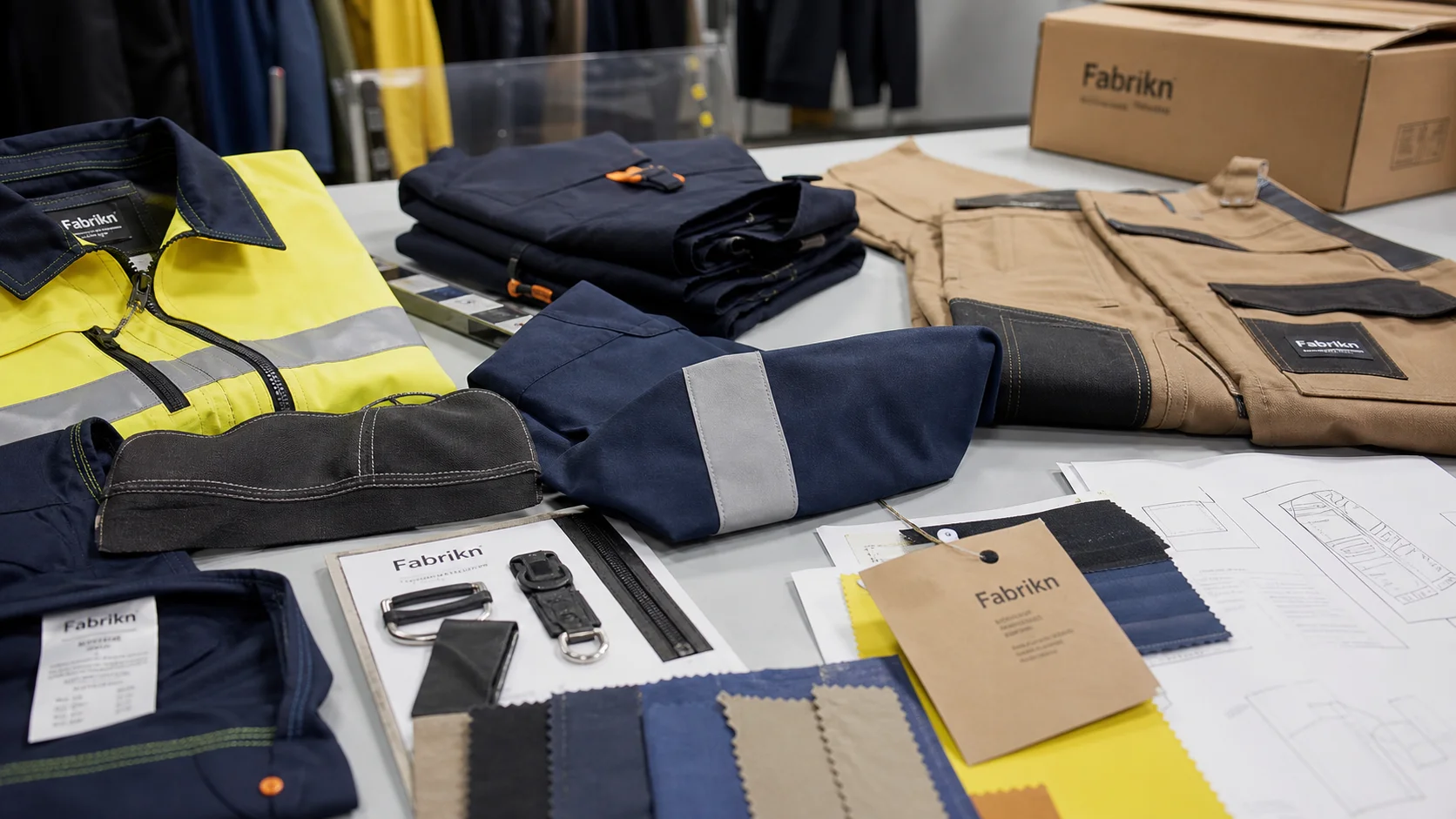
Private Label Clothing Brand Positioning compared by sample evidence, fabric or trim specs, MOQ, AQL terms, cost lines, delivery timing, and rework...
Fast answer: Private Label Clothing Brand Positioning: Spec Files, Packing Method, and Landed Cost should be judged by production evidence, not by a generic sourcing promise. The buyer needs sample proof, cost breakdowns, QC checkpoints, and delivery buffers in writing.
Ask for recent sample photos, measurement tolerances, fabric or print test assumptions, decoration test notes, packing examples, and a named inspection checkpoint. These details show whether the team can repeat an approved sample at bulk volume.
Separate garment cost, decoration, labels, packaging, sampling, testing, freight, and rush charges. Clear cost lines make it easier to reduce colorways, adjust size depth, or reserve more time for sampling.
Building a successful private label clothing brand is about much more than choosing garments and printing a logo. In a crowded fashion market, the brands that grow are the ones that clearly communicate who they are, who they serve, and why customers should choose them over everyone else. That is where brand positioning comes in.
This private label clothing brand positioning guide is designed to help you define your brand with clarity and confidence. Whether you are launching a streetwear label, a premium basics brand, an athleisure line, or a niche apparel collection, a strong positioning strategy gives your brand direction. It shapes your products, pricing, messaging, packaging, and long-term growth.
For private label businesses, positioning is especially important because the product itself can often be customized to fit many different market segments. That flexibility is powerful, but without a clear identity, it becomes easy to blend in. The goal is not only to make great clothing, but to make clothing that reflects a distinct brand promise customers remember.
Private label clothing brand positioning is the process of defining how your brand should be perceived in the minds of your target customers. It answers the essential questions: What does your brand stand for? Who is it for? What makes it different? Why should people trust it?
In apparel, positioning connects your business strategy with the customer experience. It influences whether your brand feels affordable or premium, trend-led or timeless, minimalist or expressive, mass-market or niche. It also helps determine what products you should create, how they should be designed, and how they should be marketed.
Strong positioning makes your brand easier to understand and easier to buy. It helps customers quickly identify whether your clothing fits their lifestyle, values, budget, and aesthetic.
Fashion is a highly competitive category, and consumers are constantly exposed to new brands. If your private label clothing line does not communicate a clear value proposition, it can get lost among similar-looking products and price-driven competitors.
Brand positioning matters because it helps you:
Without positioning, a private label brand often falls into one of two traps: competing only on price or trying to appeal to everyone. Both approaches make it hard to build loyalty. A clear position gives your brand a voice and a reason to exist.
A strong positioning strategy is built from several connected pieces. When these elements align, your brand becomes clearer and more memorable.
Who is your brand for? Define your ideal customer based on demographics, lifestyle, buying habits, values, and pain points. The more specific you are, the easier it becomes to tailor your offer.
What exact apparel category are you in? Private label clothing can cover everything from luxury loungewear to activewear to uniforms. Your niche affects how you design products and communicate value.
Why should customers choose your brand? Your value proposition is the specific benefit or combination of benefits your brand offers, such as better fit, higher quality, ethical production, faster delivery, or a more distinctive style.
Your brand should feel like something. Is it bold, elevated, playful, clean, confident, sustainable, or performance-focused? Personality influences copy, visuals, packaging, and social content.
What makes your brand meaningfully different from competitors? Differentiation can come from fabric quality, construction, fit, price point, storytelling, sustainability, or a unique audience focus.
What can customers expect every time they buy from you? A brand promise creates trust and reinforces consistency across every product drop and customer touchpoint.
Before you start sampling products or building a store, define your brand foundation. This step prevents costly mistakes and keeps your business moving in the right direction.
Ask why your brand should exist. Are you solving a problem? Filling a gap in the market? Helping people express identity? Supporting a lifestyle? Your purpose should be bigger than “selling clothes.”
Your mission should explain what your brand does and who it serves. Keep it clear and practical. For example, a mission could focus on creating durable essentials for modern professionals or offering fashion-forward basics for a younger audience.
Choose values that reflect how you want to operate. Common values in private label apparel include quality, transparency, sustainability, craftsmanship, inclusivity, and innovation. Make sure your values are reflected in your products and business decisions.
Your promise should capture the result customers can expect. If your clothing line is built around premium fit, your promise may be that every piece is designed to feel tailored, comfortable, and dependable.
A positioning statement is a concise internal guide. It typically includes your target customer, the category you operate in, the key benefit you provide, and what makes you different. This statement becomes a decision-making tool for product development and marketing.
Positioning should be built on insight, not assumptions. Research helps you understand where the market is crowded, where there are gaps, and how customers talk about products in your category.
Look at brands targeting the same customer or selling similar products. Study their pricing, product range, messaging, imagery, social media, and customer reviews. Pay attention to what they emphasize repeatedly.
Identify recurring themes in your niche. Are most brands focused on price, trend appeal, or sustainability? Do they use similar colors, language, or product structures? These patterns can reveal both opportunity and saturation.
Customer feedback is one of the best sources of positioning insight. Reviews often reveal what people love, what frustrates them, and what they wish brands would do better. These comments can help shape your brand story and product improvements.
Ask where customer needs are not being fully met. Maybe the market has lots of trendy options but few high-quality basics. Maybe there are premium products, but the messaging is too exclusive. Your positioning can occupy that gap.
Private label clothing brands succeed when they speak directly to a specific audience. Broad targeting usually produces generic branding, while focused targeting creates relevance.
Go beyond age and gender. Consider income level, style preferences, lifestyle, shopping behavior, profession, values, and the occasions when they wear your clothing. The more specific the profile, the better your branding decisions will be.
Why do customers buy apparel like yours? They may want comfort, confidence, status, convenience, self-expression, performance, or sustainability. Positioning should connect to the emotional and practical reasons people buy.
What problems are they trying to solve? Common pain points in clothing include poor fit, inconsistent sizing, low quality, lack of style variety, limited durability, and weak brand trust. Your brand should address one or more of these pain points clearly.
Customers should feel like your brand understands them. Use language, imagery, and product descriptions that reflect how they think and speak. This makes your brand feel more authentic and relevant.
Differentiation is what helps your brand stand out when product options seem similar. In private label clothing, even small distinctions can become powerful when communicated well.
Premium fabrics, better stitching, improved fit, and stronger construction can set your brand apart. Quality is one of the most effective differentiators, especially when supported by clear product education.
Your brand may stand out through a distinct silhouette, color palette, print style, or minimal aesthetic. Design can become a signature if it is consistent and recognizable.
Serving a very specific segment can be a major advantage. For example, your brand may focus on petite sizing, tall fit, modest fashion, plus-size activewear, or apparel for a particular profession or lifestyle.
If sustainability, ethical sourcing, or local production is central to your business, make it visible and credible. Values-based positioning works best when it is backed by real operational choices.
Sometimes the brand experience is the differentiator. This may include fast fulfillment, premium packaging, exceptional customer service, or a highly curated shopping experience.
Your positioning must be reflected in the actual product. If your brand claims to be premium but uses low-grade materials or inconsistent finishes, the market will notice.
Every product you launch should fit your brand direction. A minimalist essentials brand should not introduce random trend pieces that confuse the customer. A luxury-inspired brand should focus on refined design details and elevated materials.
Price is part of positioning. A lower price can signal accessibility, while a higher price may reinforce exclusivity or premium quality. Your pricing should align with customer expectations, production costs, and your desired market position.
In apparel, quality consistency matters as much as the first sample. Customers quickly lose trust if fit, fabric, or finish varies too much between batches. Work with manufacturing partners who can maintain consistent standards across collections.
Your products should feel like part of a larger brand world. Cohesive collections make your positioning more visible and help customers understand your style identity.
People do not just buy clothing; they buy identity, confidence, and meaning. A strong brand story helps customers connect emotionally with your label.
Why did you start the company? What gap did you see in the market? What personal insight or business opportunity inspired the brand? A genuine origin story adds credibility and human interest.
Your purpose should show how your brand improves the customer’s life. Maybe you help them feel more confident, dress more easily, or access better quality without unnecessary complexity.
Your website, product pages, social media, packaging, and email campaigns should all reinforce the same narrative. A consistent story strengthens recognition and trust.
Visual identity is a major part of brand positioning because customers often form impressions before they read detailed product information.
Color influences perception. Neutral palettes may feel premium and timeless, while bold colors can signal energy and creativity. Choose colors that match your brand personality and use them consistently.
Fonts, photography, and layout all affect how your brand is perceived. Minimal typography and clean photography may suit an elevated basics brand, while high-contrast visuals and dynamic styling may suit a streetwear label.
Your messaging should sound like your brand identity. A premium label may use polished, concise language, while a youthful brand may use more energetic and conversational copy. The key is consistency.
Your website, marketplace listings, social media, and packaging should feel like the same brand experience. Repetition builds memory, and memory builds loyalty.
Brand positioning is not a one-time exercise. It should be tested and refined based on customer response, sales performance, and market changes.
Instead of launching too many products at once, begin with a tight collection that clearly represents your positioning. A focused launch makes it easier to communicate your value and gather feedback.
Watch how customers respond to your messaging, pricing, visuals, and product selection. Which items perform best? Which descriptions convert better? What questions do customers ask most often?
Use sales data, website analytics, customer reviews, and social engagement to determine whether your positioning is landing. If your message is unclear or the products do not match expectations, make adjustments early.
As your brand expands, resist the temptation to drift away from your original positioning just to chase trends. Growth is easier when customers know what your brand stands for.
Many private label brands struggle because they underestimate the importance of positioning. Avoid these common mistakes:
Each of these mistakes weakens trust and makes it harder for customers to remember your brand. A clear, consistent position is more valuable than a broad but blurry one.
At Fabrikn, we understand that private label clothing success depends on more than manufacturing. It depends on creating products that reflect your brand identity and support your market goals. From product development to production support, the right partner can help you turn positioning into a tangible clothing line.
If you are building a private label apparel business and need support with manufacturing, sampling, or production planning, explore our services. You can also learn more about our approach on the about us page, or contact our team directly through the contact us page to discuss your project.
When your manufacturing partner understands your brand strategy, it becomes easier to create collections that feel aligned, consistent, and ready for market.
Get a free quote from Fabrikn — your trusted B2B clothing manufacturer with 10+ years of experience. MOQ as low as 200 pieces.
Get a Free Quote →The first step is defining your target customer and brand purpose. Once you know who you serve and why your brand exists, you can build a positioning strategy around those priorities.
Stand out by focusing on a clear niche, strong product quality, distinctive design, and consistent messaging. Differentiation works best when it is rooted in something meaningful to your customer.
Yes. In fact, smaller brands often benefit the most from clear positioning because it helps them compete against larger and more established labels with less budget.
Yes, but it is better to refine positioning than to change it constantly. If your audience or market shifts, adjust carefully while keeping core brand consistency.
A positioning statement should include your target audience, product category, main benefit, and the key difference that sets your brand apart from competitors.
Fabrikn supports private label brands with manufacturing-related services that help bring product ideas to life. For specific project discussions, reach out through our contact us page.