
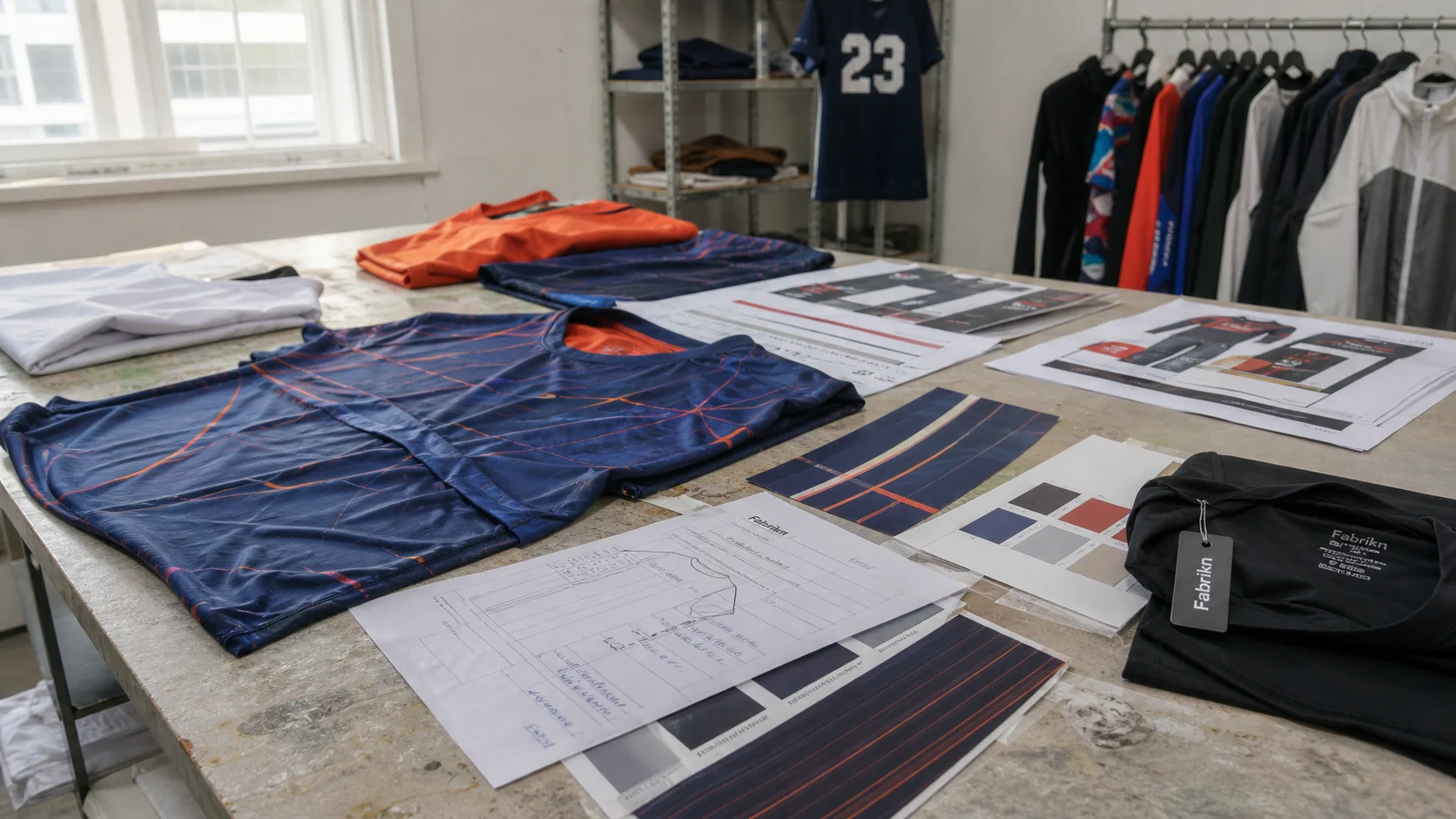
Private Label Clothing compared by sample evidence, fabric or trim specs, MOQ, AQL terms, cost lines, delivery timing, and rework responsibility.
Fast answer: Private Label Clothing: Spec Files, Packing Method, and Landed Cost should be judged by production evidence, not by a generic sourcing promise. The buyer needs sample proof, cost breakdowns, QC checkpoints, and delivery buffers in writing.
Ask for recent sample photos, measurement tolerances, fabric or print test assumptions, decoration test notes, packing examples, and a named inspection checkpoint. These details show whether the team can repeat an approved sample at bulk volume.
Separate garment cost, decoration, labels, packaging, sampling, testing, freight, and rush charges. Clear cost lines make it easier to reduce colorways, adjust size depth, or reserve more time for sampling.
Private label clothing is no longer just a cost-saving alternative to national brands. In 2025, it has become one of the most strategic ways for retailers, wholesalers, startups, and DTC brands to build identity, improve margins, and respond faster to changing consumer demand. As shoppers become more selective, and competition in apparel continues to intensify, private label clothing trends are being shaped by sustainability, speed, quality, customization, and digital commerce.
For buyers and brand owners, understanding these trends is essential. The market is evolving quickly, and the brands that win are the ones that can combine strong product development with reliable manufacturing and a clear brand story. Whether you are launching a new clothing line or expanding an existing one, knowing what is driving the private label market can help you make smarter sourcing decisions and create products that resonate with modern consumers.
At Fabrikn, we work closely with apparel businesses that want to build private label collections with consistency, flexibility, and growth potential. If you are evaluating your next production partner, you can learn more about our private label clothing services or reach out through our contact page.
Private label clothing refers to garments manufactured by one company and sold under another company’s brand name. Instead of producing everything in-house, the brand partners with a clothing manufacturer to create custom apparel that reflects its own designs, labels, packaging, and positioning.
This model is popular because it gives brands more control over product identity while reducing the need to invest in factories, machinery, and complex production infrastructure. Private label apparel can include basics, activewear, outerwear, loungewear, fashion collections, uniforms, and more. It is used by boutiques, eCommerce stores, retail chains, influencers, corporate buyers, and emerging fashion labels.
What makes private label especially attractive in 2025 is its flexibility. Brands can differentiate themselves through materials, fit, branding, sizing, and packaging without having to build a manufacturing operation from scratch. That flexibility is becoming more valuable as consumer expectations continue to rise.
Sustainability is one of the strongest forces shaping private label clothing trends in 2025. Buyers are no longer treating eco-friendly apparel as a niche offering. It has moved into the mainstream as consumers increasingly expect brands to demonstrate responsible sourcing, ethical production, and lower environmental impact.
For private label buyers, sustainability now affects every stage of development. Fabric selection, dyeing methods, waste reduction, packaging, transportation, and factory compliance all matter. Brands are asking for organic cotton, recycled polyester, low-impact dyes, biodegradable packaging, and certified production processes. At the same time, they want measurable proof rather than vague claims.
This shift is being driven by a more informed consumer base. Shoppers want to know where products come from, who made them, and how they were produced. Retailers and brands that can provide transparency tend to earn greater trust and stronger repeat purchases. In many markets, sustainability is no longer a premium extra; it is a basic expectation.
For manufacturers, this means offering greener materials and cleaner production practices is becoming a competitive advantage. Private label brands that want long-term relevance should think beyond trend-based messaging and build sustainability into their sourcing strategy from the start.
Speed is another defining factor in 2025. Private label brands are under pressure to respond quickly to changing fashion cycles, social media trends, and seasonal demand. Long development timelines can result in missed opportunities, excess inventory, and weaker margins.
As a result, brands are prioritizing manufacturers that can support faster sampling, efficient communication, and streamlined production. The ability to move from concept to finished product quickly is becoming just as important as the design itself. Buyers want a responsive supply chain that can adapt when market conditions change.
This trend is especially important in eCommerce, where demand signals can shift overnight. A style that performs well on social media may need to be restocked quickly, while a slower-selling product may need to be adjusted or discontinued. Private label brands that can test, learn, and reorder efficiently have a major advantage.
Fast response production does not mean sacrificing quality. In fact, the most successful brands are looking for partners that can deliver both. This includes strong sample development, clear communication, predictable timelines, and scalable manufacturing capacity. If your brand is exploring a faster production model, Fabrikn can help you align design, sampling, and manufacturing through our service offering.
Private label clothing has evolved far beyond basic commodity products. In 2025, premiumization is one of the clearest market trends. More brands are using private label as a way to launch higher-quality apparel that competes with established labels on fabric, fit, craftsmanship, and presentation.
Consumers are willing to pay more when they perceive better value. That value can come from elevated materials, refined tailoring, improved comfort, sustainable sourcing, or a stronger brand identity. Private label brands are responding by upgrading their product specifications and focusing more on details such as stitching quality, trims, labels, and packaging.
Premium private label apparel is particularly strong in categories like athleisure, lounge sets, everyday basics, and workwear-inspired fashion. In these categories, customers expect durability and comfort, but they also respond to a polished look and feel. Brands that can deliver a premium product without losing commercial appeal have an opportunity to build stronger loyalty and healthier margins.
This trend also reflects a broader shift in consumer behavior. Shoppers are becoming more selective and value-conscious, but that does not always mean choosing the cheapest option. Many are looking for a better balance of price, quality, and brand experience. Private label brands that position themselves as thoughtful, well-made, and trustworthy are likely to benefit.
Customization is becoming increasingly important as brands look for ways to stand out in a crowded market. Private label clothing allows businesses to create collections that reflect a specific audience, lifestyle, or aesthetic, and 2025 is seeing more demand for flexible production runs that support this approach.
Small-batch manufacturing is especially attractive for new brands and niche retailers. It reduces risk, makes it easier to test product-market fit, and allows for more experimentation. Instead of committing to large volumes upfront, brands can launch with a smaller collection, gather feedback, and scale the best performers.
Customization also extends to fit, sizing, colorways, packaging, and labeling. Today’s consumers expect products that feel tailored to their needs, whether that means inclusive sizing, specific cuts, or branding that speaks directly to their identity. This creates room for private label brands to build more meaningful differentiation.
Manufacturers that support low minimum order quantities, flexible custom options, and efficient reorders are becoming more valuable to buyers. As the market becomes more fragmented, the ability to create a distinct product without taking on excessive inventory risk will remain a major advantage.
Private label clothing is increasingly shaped by how products are sold and presented across multiple channels. In 2025, the line between retail, wholesale, and direct-to-consumer is blurring. Brands need their apparel to work not just as a product, but as part of a broader omnichannel experience.
This means private label brands must think carefully about how their clothing looks in-store, online, and on social media. Product photography, descriptions, packaging, and brand voice all contribute to how consumers perceive the value of an item. A strong product story can improve conversion and support higher price points.
Consistency matters. A shirt, hoodie, or jacket should feel aligned with the brand’s identity no matter where it is discovered. The same applies to labels, swing tags, packaging inserts, and post-purchase communication. Brands that maintain a coherent experience across channels are better positioned to build trust and repeat business.
For manufacturers, this means being able to support brand storytelling at the product level. Details such as custom woven labels, printed neck tags, branded packaging, and polished finishing touches all help create a more memorable customer experience.
Technology is having a major impact on private label clothing trends in 2025. Buyers want more visibility into production, better communication, and fewer surprises. As a result, manufacturers that use digital tools to improve workflow, sampling, quality control, and order tracking are becoming more attractive partners.
Tech-enabled manufacturing can improve efficiency at every stage. Digital pattern development, virtual sampling, production management software, and real-time communication tools help reduce delays and improve accuracy. These capabilities are especially valuable for brands managing multiple SKUs or coordinating production across different product categories.
Visibility is also important for planning. Brands need more reliable information about lead times, inventory flow, and production status so they can make better sales and replenishment decisions. A manufacturer that communicates clearly and consistently can help reduce uncertainty and strengthen the buyer-supplier relationship.
In addition, technology supports better quality control. From fit approval to final inspection, brands are increasingly looking for production partners that can document standards and maintain consistency across batches. In a market where customer reviews can make or break a product, that consistency matters greatly.
Not all private label clothing categories are growing at the same pace. In 2025, demand is being shaped by lifestyle changes, hybrid work, wellness, and fashion preferences that value comfort and versatility. Some categories are outperforming others because they fit the way people now live and dress.
Strong categories include elevated basics, athleisure, loungewear, performance apparel, oversized silhouettes, and transitional pieces that can move between home, work, and social settings. Consumers want clothing that feels practical but still looks intentional.
Women’s apparel continues to be a major focus, especially in categories that combine style and comfort. Men’s essentials, premium tees, hoodies, joggers, and layering pieces also remain strong. Meanwhile, kids’ apparel and corporate apparel continue to offer stable opportunities for private label development.
Seasonality is still relevant, but many brands are investing in more evergreen products that can sell year-round. This helps smooth out demand and makes inventory planning easier. For private label buyers, the key is identifying categories that offer repeat purchase potential and consistent consumer interest.
As private label clothing trends continue to evolve, successful buyers are focusing on a few core priorities.
These priorities help reduce risk and increase the odds of launching a product that performs well in the market. In private label apparel, the manufacturer is not just a vendor; they are a strategic partner in the brand-building process.
Brands that want a stronger foundation should also consider the manufacturing partner’s experience, compliance standards, and ability to scale. If you are evaluating a potential partner, it can be helpful to review their background and capabilities first. Learn more about Fabrikn on our about us page.
At Fabrikn, we understand that private label success depends on more than just manufacturing garments. It requires collaboration, consistency, and a clear understanding of what the market wants. We support brands that are looking to build high-quality private label collections with a balance of flexibility, speed, and attention to detail.
Our approach is designed to help clients move from idea to finished product with greater confidence. Whether you are developing a simple essentials line or a more specialized clothing range, our team can help guide material selection, production planning, and branding execution. We also understand the importance of working efficiently while maintaining quality standards that reflect your brand’s position in the market.
As private label clothing trends continue to shift in 2025, the brands that succeed will be the ones that combine strong creative direction with dependable manufacturing support. If you are ready to discuss your next collection, please visit our contact us page to start the conversation.
Private label clothing in 2025 is being shaped by a more demanding and more discerning market. Sustainability, speed, premium quality, customization, omnichannel consistency, and tech-enabled production are all influencing how brands source and sell apparel. At the same time, consumer expectations are rising, which means private label businesses must be more strategic than ever.
The opportunity is significant for brands that can adapt. Private label is no longer simply about copying an existing product and adding a logo. It is about creating a product line that feels relevant, reliable, and distinctive. Brands that understand these trends and work with the right manufacturing partner will be better positioned to grow in a competitive market.
For businesses looking to build or expand a private label clothing line, 2025 is a year of opportunity. The key is to act with clarity, choose the right production model, and focus on products that genuinely meet customer needs.
Get a free quote from Fabrikn — your trusted B2B clothing manufacturer with 10+ years of experience. MOQ as low as 200 pieces.
Get a Free Quote →The biggest trends include sustainability, faster production timelines, premium product positioning, customization, omnichannel branding, tech-enabled manufacturing, and strong demand for versatile apparel categories.
Private label clothing is growing because it allows brands to control pricing, quality, and brand identity while offering consumers products that feel unique and relevant. It also helps businesses improve margins and respond more quickly to market demand.
Yes. Sustainability is now a major buying factor in private label apparel. Consumers want responsible sourcing, ethical manufacturing, and transparency, making eco-conscious practices increasingly important for brand success.
Popular categories include basics, activewear, loungewear, athleisure, hoodies, tees, joggers, outerwear, and versatile everyday apparel. These items align well with current consumer demand for comfort and functionality.
Look for a manufacturer with strong quality control, clear communication, flexible production options, relevant category experience, and the ability to support your branding and lead time requirements.
Yes. Small brands can succeed by starting with focused collections, testing the market with smaller quantities, and working with a manufacturer that offers customization and scalable production.