
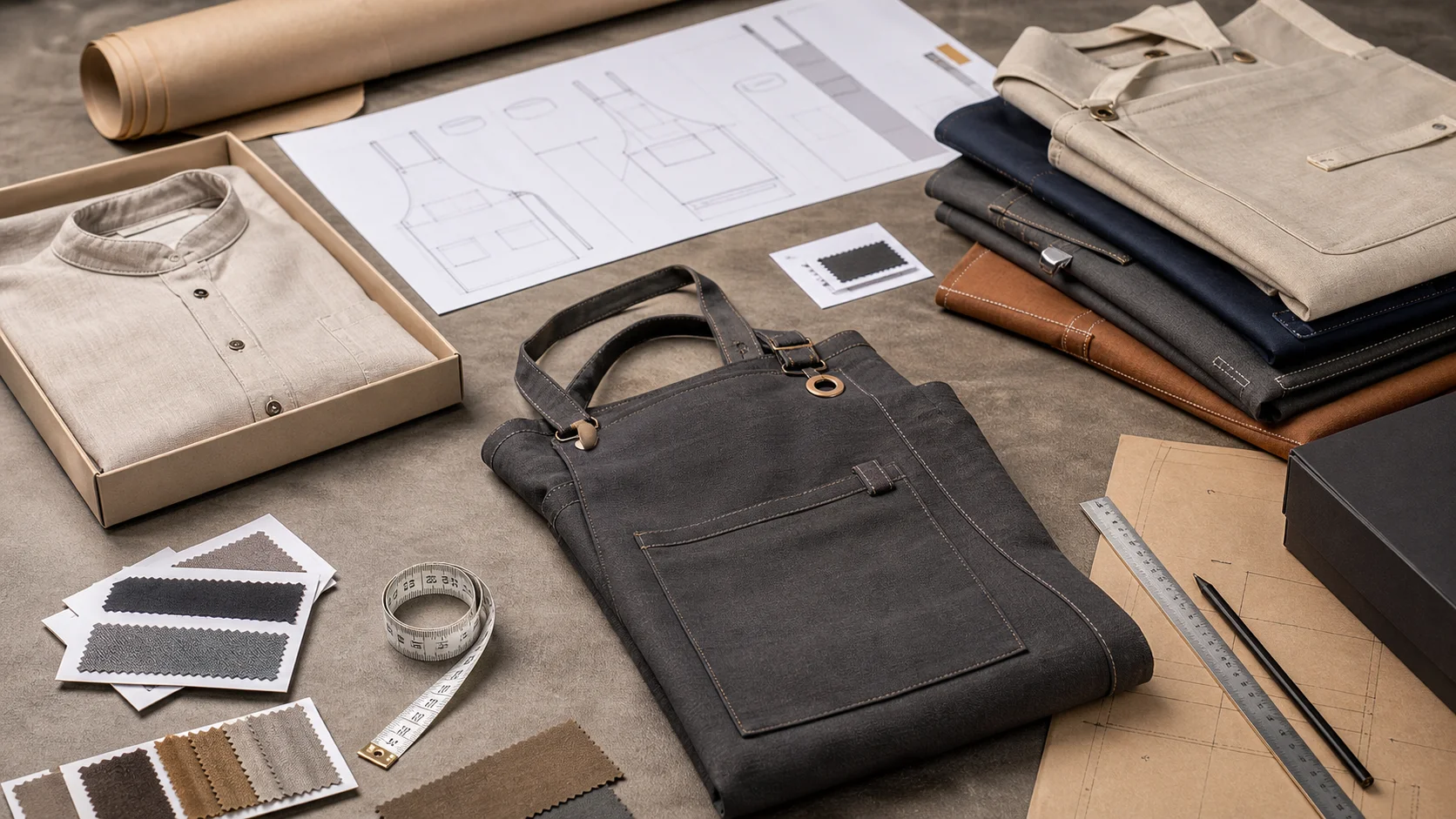
Quality Control Checklist for Apparel Manufacturing Buyers with checks for samples, fit, MOQ, QC evidence, pricing terms, and delivery risk.
Fast answer: Quality Control Checklist for Apparel Manufacturing Buyers should be judged by production evidence, not by a generic sourcing promise. The buyer needs sample proof, cost breakdowns, QC checkpoints, and delivery buffers in writing.
Ask for recent sample photos, measurement tolerances, fabric or print test assumptions, decoration test notes, packing examples, and a named inspection checkpoint. These details show whether the team can repeat an approved sample at bulk volume.
Separate garment cost, decoration, labels, packaging, sampling, testing, freight, and rush charges. When every cost line is visible, it becomes easier to reduce colorways, adjust size depth, or reserve more time for sampling.
For apparel manufacturing buyers, quality control is one of the most important parts of the sourcing process. A product may look promising in a catalog, but without a strong quality control checklist, small issues can turn into costly returns, customer complaints, delayed launches, and damaged brand reputation. Whether you are buying private label clothing, promotional apparel, or custom fashion products, a structured quality control process helps protect your investment and ensures consistency from sample to shipment.
This guide provides a practical quality control checklist for apparel manufacturing buyers. It covers every major stage of the production cycle, from pre-production review to final shipment inspection. If you are sourcing from a garment factory or clothing supplier, this checklist can help you identify risks early and make better purchasing decisions.
For buyers looking for a manufacturing partner with a strong commitment to product standards, you can also explore Fabrikn’s services or learn more about our company on the about us page.
Quality control in apparel manufacturing is not just about catching defects. It is about creating repeatable processes that support product consistency, buyer confidence, and customer satisfaction. A single issue, such as poor stitching or incorrect sizing, can lead to expensive rework and lost sales.
For B2B buyers, quality control also affects long-term supplier relationships. Reliable factories are transparent, responsive, and able to meet product standards consistently. Buyers who use a clear checklist are better positioned to compare suppliers, evaluate samples, and manage production more effectively.
Strong apparel quality control helps buyers:
The most effective quality control process starts before mass production begins. Many problems can be prevented by reviewing product details, approvals, and factory capabilities at the beginning of the project.
Every garment should have a detailed specification sheet. This document should include measurements, fabric type, stitching requirements, trims, colors, embellishments, packaging, and labeling instructions. Buyers should never rely on verbal confirmation alone.
Before production starts, buyers should approve a final sample that represents the expected finished product. This sample becomes the benchmark for production quality. Compare it against the specification sheet and inspect every visible and functional detail.
Material quality directly affects garment performance. Buyers should ask where the fabric, trims, and accessories are sourced and whether the factory can provide documentation for special requirements such as organic materials, recycled fibers, or compliance-related certifications.
Every manufacturing project should define acceptable quality standards. Tolerances help determine what is acceptable and what is not. Without clear tolerances, disputes can arise later over sizing differences, stitch quality, or color variation.
Not all factories are equally suited for every product type. A supplier may be excellent at basic T-shirts but less experienced with outerwear, technical sportswear, or embellished fashion pieces. Buyers should verify that the factory has the right equipment, skills, and quality systems for their product category.
If you are evaluating a new supplier, it can help to ask about their team, production process, and past work. Fabrikn’s contact us page is a convenient place to start a conversation about your product requirements and quality expectations.
Quality control should continue after production begins. In-process inspections help catch mistakes before the entire order is affected. This stage is especially important for large orders, complex garments, and products with multiple design elements.
The first pieces produced on the line should be checked against the approved sample. This helps verify that the factory has correctly interpreted the tech pack, patterns, and construction instructions.
Stitching is one of the most visible indicators of garment quality. Buyers should inspect stitch density, straightness, tension, and finish. Poor stitching can weaken garments and create a negative impression even if the design is attractive.
Inaccurate cutting can affect garment symmetry, fit, and overall appearance. Buyers should ensure fabric pieces are cut according to the approved patterns and that cutting is consistent across production batches.
Labels and branding elements must be correct because errors can cause compliance issues, customer confusion, and costly relabeling. Buyers should inspect main labels, size labels, care labels, hangtags, and any custom branding.
One of the biggest challenges in apparel manufacturing is maintaining consistent sizing. Buyers should sample units from multiple production stages to ensure that measurements remain within tolerance.
Buyers should not wait until the end of production to evaluate quality. A simple defect log can reveal patterns early, such as recurring seam issues, fabric flaws, or trim problems. This allows the factory to correct the issue before more units are affected.
The final inspection before shipment is the last opportunity to catch problems before goods leave the factory. This step is essential for protecting your order, especially if goods are being shipped internationally and corrections later would be expensive or impractical.
A final random inspection helps determine whether the order meets the agreed standard. Buyers can inspect a sample from the finished batch rather than reviewing every unit, which is more efficient for large orders.
Packaging affects presentation, product protection, and shipping efficiency. Buyers should verify that packaging meets the agreed standard and prevents garment damage in transit.
Incorrect carton markings can cause customs delays, warehouse errors, and fulfillment problems. Buyers should check that carton labels match purchase order details and shipping requirements.
Depending on the market, apparel may need specific compliance documentation. Buyers should ensure all required paperwork is complete before shipment.
Even when product quality is good, order shortages can create major issues. Buyers should confirm that shipped quantities match the purchase order and production agreement.
Buyers can avoid many problems by recognizing warning signs early. Some issues indicate a factory may not be prepared to meet your quality expectations consistently.
When buyers notice these red flags, it is often better to pause production and request clarification than to move forward and hope for the best. Preventing one major defect issue is usually much less expensive than fixing a full shipment later.
A good quality control checklist is only useful if it is applied consistently. The best apparel buyers build quality control into every step of sourcing, development, and production.
A detailed tech pack is the foundation of quality control. It should include designs, materials, measurements, construction notes, artwork, and packaging instructions. The more precise the documentation, the fewer production errors you are likely to face.
Some buyers inspect products themselves, while others rely on third-party inspection teams or manufacturer quality teams. The right approach depends on order size, complexity, and internal resources. What matters most is having a reliable process in place.
Do not wait until the first shipment to define your standards. Make quality expectations clear during supplier selection, sample development, and order confirmation. This helps align the manufacturer’s process with your business goals.
Keep records of approved samples, spec sheets, measurement charts, testing results, and email confirmations. Documentation helps resolve disputes and keeps everyone accountable.
When a factory understands your standards and product preferences, quality usually improves over time. Strong supplier relationships lead to better communication, faster problem-solving, and more consistent results.
At Fabrikn, we understand that buyers need more than a manufacturer. They need a dependable production partner that values consistency, communication, and product quality. Our process is designed to support buyers through sampling, production, and final delivery with a focus on reliable standards and clear communication.
If you are looking for a clothing manufacturing partner for your next project, explore our services to see how we support custom apparel production. You can also reach out through our contact us page to discuss your product requirements, order volume, and quality expectations.
Fabrikn works with buyers who need professional manufacturing support for B2B apparel programs. Whether you are developing a new collection or scaling an existing product line, having a structured quality control process helps ensure your garments arrive as expected.
A quality control checklist for apparel manufacturing buyers is more than a useful document. It is a business tool that helps reduce risk, improve supplier communication, and protect product quality from concept to shipment. By reviewing specifications carefully, checking samples, monitoring production, and inspecting final goods, buyers can avoid many of the most common issues in garment sourcing.
The strongest apparel sourcing strategies are built on prevention, not correction. When you define expectations clearly and inspect systematically, you are more likely to receive consistent, market-ready products that support your brand and satisfy your customers.
Get a free quote from Fabrikn — your trusted B2B clothing manufacturer with 10+ years of experience. MOQ as low as 200 pieces.
Get a Free Quote →A quality control checklist is a structured list of checks used to verify that garments meet approved standards for materials, measurements, construction, labeling, packaging, and shipment readiness.
Quality control should begin before production starts, starting with specifications, sample approval, and factory capability review. It should continue throughout production and finish with a final inspection before shipment.
Common defects include poor stitching, measurement errors, fabric flaws, incorrect labeling, color variation, loose threads, faulty zippers or buttons, and packaging mistakes.
Third-party inspections can be very helpful, especially for large or complex orders. They provide an independent review of product quality before shipment and can help reduce risk.
Buyers can reduce quality problems by using detailed tech packs, approving samples carefully, setting clear tolerances, conducting in-process inspections, and working with manufacturers that have strong quality systems.