
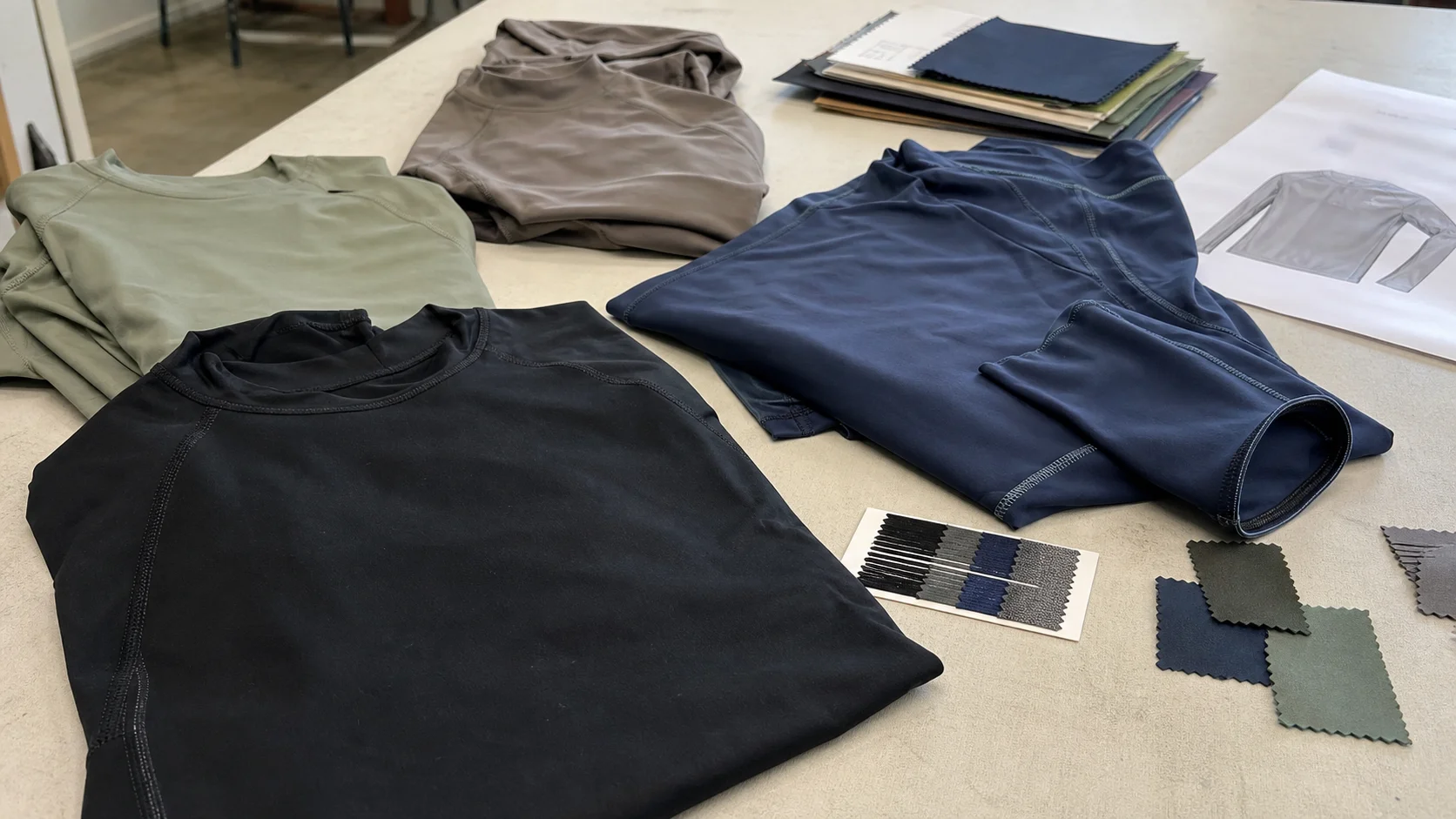
A practical SEO outline for facilities managers evaluating rash guard manufacturers through wash test results, fabric recovery, print durability, labeling,...
Rash Guard Wash Test Review for Facility Buyers - Activewear & Teamwear manufacturing guide
For facility buyers, a rash guard is not just another stretch top. It is a repeat-use uniform, a hygiene-sensitive garment, a brand carrier, and sometimes a safety layer. Swim schools, aquatic centers, surf programs, training facilities, resorts, gyms, martial arts clubs, rescue teams, and children’s activity operators all put rash guards through harder conditions than a normal consumer wardrobe.
A rash guard manufacturer wash test review for facilities managers should answer one practical question: will this garment still look acceptable and perform consistently after repeated laundering under real operating conditions?
That question matters because facility purchasing is different from retail purchasing. A retail customer may wash a rash guard once a week. A facility may wash staff uniforms daily, issue garments to students, process returned rental items, or expose garments to chlorine, saltwater, sunscreen, body oils, deodorant, sand, Velcro contact, and industrial drying cycles. A weak garment can fail quickly, and the cost is not limited to replacement stock. Poor wash durability creates complaints, inconsistent branding, staff frustration, size shortages, and avoidable reordering pressure.
Wash testing is not a luxury step. It is one of the cheapest ways to identify production risk before a full purchase order is released. A clean first sample can still fail after five or ten washes. Color can dull. Seams can twist. Sublimation can haze. Heat transfer logos can crack. Necklines can ripple. Elastic recovery can drop. Fabric can become see-through when stretched. These issues are easier to negotiate during sample approval than after cartons arrive.
Buying judgment: if a facility expects frequent laundering, do not approve a rash guard based only on fit, hand feel, and logo appearance. Require wash-test results before bulk production approval.
The best wash test review does not need to be overcomplicated. It should be structured, repeatable, and tied to the actual use case. A children’s swim school needs different tolerance levels than a premium resort retail program. A rescue training center may care more about color visibility and seam strength than a yoga studio selling branded UV tops. The wash review should match the buyer’s operating reality.
For buyers developing private-label or custom rash guards, it is useful to work with a sourcing partner that can translate performance requirements into fabric, print, trim, and inspection controls. Fabrikn’s manufacturing support services can be reviewed at https://fabrikn.com/services/, especially where buyers need help turning garment requirements into production-ready specifications.
A proper rash guard wash test review checks more than shrinkage. Rash guards are typically made from polyester-spandex, nylon-spandex, or recycled synthetic blends. They are stretch garments, so the main concerns include dimensional stability, recovery, colorfastness, print durability, seam integrity, and surface appearance.
Facility managers should request a simple test protocol in writing before sample approval. The protocol does not have to match a laboratory standard for every order, but it should be consistent enough to compare samples from different manufacturers.
For facility use, five wash cycles is a basic screen. Ten wash cycles gives a more useful early signal. Twenty wash cycles is better for high-frequency programs, staff uniforms, rentals, or long-season operations. A manufacturer that cannot provide any wash feedback before bulk production may still be capable, but the buyer carries more risk.
The result should be documented with photos, measurements, and comments. Buyers should ask for before-and-after images taken under similar lighting. A sample that “looks fine” is not enough. Measurements matter because stretch garments can hide distortion until multiple sizes are compared.
Wash performance depends heavily on how the rash guard is used and cleaned. Facility managers should be honest about laundering habits before asking a manufacturer for recommendations. A supplier can only specify the right fabric and decoration method if the use conditions are clear.
Chlorinated water is one of the main stress factors. Chlorine weakens elastane over time and can accelerate color loss. Saltwater creates different stress, especially when garments are not rinsed before drying. Sunscreen and body oils can discolor light fabrics or cause yellowing. Sand and rough pool edges can abrade fabric. High heat drying can damage spandex, distort fit, and reduce garment life.
Facilities often use faster and hotter laundering than household consumers. That may be necessary for hygiene and throughput, but it should be reflected in the product specification. If staff will use tumble dryers, do not approve a rash guard based only on hang-dry testing. If garments will be washed with towels, uniforms, or items with zippers and hooks, abrasion and snagging risk rises.
A shared rental rash guard needs a tougher specification than a one-time camp shirt. A staff rash guard needs better color consistency because employees are seen together. A junior swim school rash guard needs good recovery because children pull at collars, sleeves, and hems. A surf camp rash guard needs abrasion resistance and UV stability. The wash test should reflect those realities.
Buying judgment: the cheapest rash guard is rarely the best facility buy when laundering is frequent. Cost per wear is a better metric than first-unit price.
Most rash guards are built from synthetic stretch fabrics. The common options are polyester-spandex, nylon-spandex, recycled polyester-spandex, and sometimes blends with textured or brushed surfaces. Each fabric has tradeoffs.
Polyester-spandex is widely used because it prints well, dries quickly, and is often cost-effective. It is a strong choice for sublimated teamwear and branded programs. Nylon-spandex can feel smoother and more premium, but it may cost more and can require careful dyeing and print control. Recycled polyester options are increasingly common, though buyers should still verify stretch recovery, colorfastness, and certification claims where sustainability language will be used in marketing.
Fabric weight matters. Very light rash guards may feel comfortable, but they can become transparent when wet or stretched. Heavier fabrics may improve coverage and durability, but they can feel hotter and slower to dry. Many commercial rash guards fall somewhere around 180 to 240 gsm, depending on style, market, and use case. Lightweight promotional versions may sit below that. More robust training or premium versions may sit higher.
Buyers should be careful with UPF claims. A supplier’s statement is helpful, but formal claims may require test reports from recognized labs. Fabric color, weight, stretch, and wet condition can affect sun protection performance. If the garment will be sold or issued with a UPF claim, confirm whether testing applies to the exact fabric and color being ordered.
Fabric should also be checked under stretch. Hold a white or printed panel over a contrasting surface and stretch it to expected wearing tension. If the fabric becomes noticeably sheer, the issue may worsen after wash cycles. This is especially important for white, neon, pastel, and junior-size garments.
Decoration method is one of the biggest drivers of wash test results. Facility buyers often want bold branding, sponsor logos, staff identification, or color-coded groups. Those details can fail before the fabric does.
Sublimation is common for polyester-based rash guards. It is strong for full-body graphics because the artwork becomes part of the fabric surface rather than sitting heavily on top. It can reduce cracking risk compared with some surface prints. Sublimation is not ideal for every fabric, and it usually works best on white or light polyester base fabric. Deep colors, exact brand shades, and nylon fabrics may need different processes.
Screen printing can work, but ink selection must suit stretch fabric and water exposure. Poor ink choice may crack, thicken the garment, or lose elasticity. Heat transfer logos are convenient for names, numbers, small orders, and multi-logo programs. They require careful testing because edges can lift after repeated washing, especially when tumble drying or chlorine exposure is involved.
Embroidery is usually not the first choice for tight rash guards because it can restrict stretch, irritate skin, absorb water, and distort lightweight fabric. It may be acceptable for looser training tops or small non-stretch zones, but it should be sampled carefully.
Logo placement should be checked after washing. A chest logo that looks straight on a flat sample may shift when worn or after seam torque appears. Sleeve logos can distort if the sleeve pattern is too tight. Back prints may stick, crack, or show abrasion if garments are stacked or dried under heat.
Buying judgment: for facilities ordering mixed staff names, sponsor marks, and size runs, decoration complexity can create more quality risk than garment sewing. Approve the full decoration method, not just a blank rash guard.
A disciplined sample process prevents most avoidable problems. Facility buyers do not need to over-engineer it, but they should avoid approving a production order based on one attractive photo sample. The best process moves from specification to fit sample, then print sample, then wash-tested pre-production sample.
The first step is a clear tech pack or product brief. It should include intended use, fabric composition, gsm target, size range, fit type, sleeve length, collar style, seam type, color references, logo files, label requirements, packaging requirements, and wash expectations. If the buyer does not have a full tech pack, a supplier can often help build one, but the facility must still approve the final details.
Next comes fabric and trim confirmation. Buyers should request fabric swatches, color dips where relevant, print strike-offs, and trim samples. For sublimated rash guards, artwork placement should be reviewed on a digital mockup and then on a physical sample. Digital mockups are useful, but they do not confirm stretch behavior, color saturation, or seam alignment.
Size set review is important for facilities because rash guards often span youth and adult sizing. A medium sample can pass while youth sizes have collar tightness or adult XL sizes show fabric strain. Buyers should request at least key jump sizes for review. For example, a youth medium, adult medium, and adult XL may reveal grading issues that one sample cannot show.
Fitting should include movement. Users should raise arms, rotate shoulders, bend, swim-stroke simulate, and stretch the torso. Tightness in the underarm or neck becomes more uncomfortable during wet use. A rash guard that looks sleek while standing still may be impractical for instructors working all day.
Facilities that need help translating wash performance expectations into sourcing documentation can review Fabrikn’s background and approach at https://fabrikn.com/about-us/. The important point is to define requirements before the supplier commits to fabric and production setup.
MOQ for custom rash guards depends on fabric availability, printing method, color count, size range, and factory setup. For basic custom logo rash guards using available fabric, typical MOQs may start around 100 to 300 pieces per style or color. For fully custom sublimated designs, MOQs may be around 100 to 500 pieces, depending on supplier capability and size breakdown. For custom-dyed fabric, specialty recycled fabrics, custom trims, or lab-tested performance claims, MOQs can rise to 500 to 1,000 pieces or more.
These ranges are not fixed. Some manufacturers accept lower quantities with higher unit costs, simplified designs, or limited size ranges. Others hold firm because fabric mills, print setup, and sewing lines need efficiency. Facility buyers should ask whether MOQ applies per style, per color, per print design, or total order. This detail changes the real buying commitment.
Order Type Typical MOQ Range Tradeoff Stock fabric with small logo 100 to 300 pieces Lower setup burden, less design flexibility Custom sublimated rash guard 100 to 500 pieces Strong branding, requires artwork and print approval Custom dyed fabric 500 to 1,000+ pieces Better brand color control, higher MOQ and longer lead time Special performance fabric 500 to 1,000+ pieces Improved function, more testing and sourcing complexityLead time should be separated into sample time and bulk production time. Sample development may take 1 to 3 weeks for simple designs and 3 to 6 weeks when fabric sourcing, custom artwork, revisions, or lab tests are involved. Bulk production commonly takes 4 to 8 weeks after final approval, though peak seasons, material delays, holidays, inspection requirements, and shipping mode can extend that window.
Air freight is faster but expensive, especially for bulky garments packed by size and program. Sea freight reduces cost but requires planning. Facilities tied to swim terms, camp seasons, resort openings, competitions, or staff onboarding should build a buffer. Late rash guards are not just inconvenient; they can disrupt program launches.
Buyers often try to compress sampling to save time. That can work for reorder programs with a proven supplier and unchanged materials. It is risky for first orders, youth sizing, new decoration methods, or high-use facility uniforms. If timing is tight, reduce complexity before cutting testing. Choose stock colors, fewer logos, simpler packaging, or a phased order rather than skipping wash review.
Buying judgment: when the calendar is tight, a simpler garment delivered correctly is usually better than a complex garment approved without enough testing.
Rash guard inspection needs activewear-specific checks. Standard garment inspection catches measurement errors, loose threads, stains, and packing issues, but stretch products require closer attention to recovery, seam elasticity, and print alignment.
One common problem is inconsistent stretch between fabric lots. If bulk production uses a different lot than the approved sample, fit can change. Another issue is shade variation across panels or sizes, especially when sublimation, piece dyeing, or multiple fabric rolls are involved. Facilities ordering team colors should be strict here because shade mismatch is visible when groups stand together.
Seam quality is another high-risk area. Rash guards often use flatlock, overlock, coverstitch, or bonded details depending on design and budget. Flat seams can improve comfort, but poor execution may create skipped stitches or weak joins. Overlock seams are common and efficient, but thread tension and stretch recovery must be checked. Seams should stretch with the fabric without popping.
Inspection sampling should be agreed before shipment. Many buyers use AQL-based inspection for bulk apparel, but the exact level depends on order value and risk. For smaller orders, buyers may still request a detailed photo inspection or third-party check. The main point is to inspect before final payment or shipment release where commercial terms allow it.
Care label accuracy is often overlooked. The label should reflect realistic washing recommendations and material content. If the label says cold wash and line dry, but the facility plans warm wash and tumble dry, there is a mismatch. Either the garment specification or the laundering process needs adjustment. A care label cannot protect performance if actual facility practice contradicts it.
Packaging can also create problems. Rash guards packed while slightly damp can develop odor or mildew risk. Dark prints pressed against light panels under heat may transfer. Over-compressed cartons can crease heat transfers. Size assortment errors can leave facilities short of the most-used sizes even when total quantity is correct.
A supplier scorecard helps facility buyers compare manufacturers beyond price. It also creates a record for reorders. The scorecard should be simple enough for purchasing teams to use, but detailed enough to catch risk.
Category What to Review Pass Indicator Warning Sign Fabric Composition, gsm, stretch, recovery, opacity Matches agreed spec and remains stable after wash Sheerness, weak recovery, unverified fabric substitution Color Shade, fading, bleeding, lot consistency Minimal change after test cycles Visible dulling, staining, panel mismatch Decoration Logo, sublimation, transfer, screen print No cracking, peeling, major migration, or distortion Lifted edges, tackiness, poor stretch behavior Construction Seams, thread, collar, hems, sleeve openings Seams stretch cleanly and garment keeps shape Skipped stitches, seam twisting, collar rippling Fit Movement, grading, size consistency Comfortable across key sizes after washing Neck tightness, sleeve restriction, inconsistent grading Documentation Spec sheet, test notes, care label, packing list Clear, consistent, and aligned with purchase order Vague claims, missing measurements, unclear material detailsFacilities should use the same scorecard during sample review and bulk inspection. This keeps decisions objective. If a supplier passes on price but fails on wash durability, the buyer can quantify the risk. If a higher-priced supplier delivers better recovery and lower shade variation, the scorecard helps justify the spend.
The scorecard should include comments, not only pass or fail marks. For example, a small amount of color softening after ten washes may be acceptable for a promotional program but not for premium staff uniforms. A slightly thicker fabric may be acceptable for instructors but too warm for outdoor summer camps. The best decision depends on use case, budget, and replacement schedule.
For most facility buyers, the safest purchasing route is a mid-weight polyester-spandex or recycled polyester-spandex rash guard with proven wash stability, appropriate UPF support where required, and decoration selected for the actual laundering process. Do not chase the lowest gsm if opacity and durability matter. Do not approve heat transfers without wash testing. Do not use a retail-style sample as proof of facility-grade performance.
A practical first-order strategy is to start with one or two core colors, a controlled size range, and a decoration method that can be repeated. Once the supplier proves consistency, expand to more colors, sponsor versions, seasonal graphics, or staff-specific personalization. This reduces the chance of discovering too many variables at once.
For high-use programs, request a ten-wash review as the minimum. For rentals, staff uniforms, children’s swim schools, and chlorine-heavy environments, move closer to twenty wash cycles or add lab testing where the order value justifies it. The cost of extra testing is usually small compared with replacing a failed order.
Facility buyers should also plan reorders early. If a program uses rash guards daily, keep safety stock in the most common sizes. Ask the manufacturer whether fabric and print settings can be repeated. Keep approved samples, measurement specs, artwork files, and wash test records. Reorders become easier when the original order is documented properly.
Supplier communication should be direct. Ask what fabric they recommend for chlorine exposure. Ask whether the logo method survives tumble drying. Ask if the same fabric lot will be used for bulk. Ask what happens if wash testing fails. A reliable supplier will answer in specifics, not only with broad claims such as “high quality” or “durable.”
Facilities preparing a custom rash guard project can contact Fabrikn through https://fabrikn.com/contact-us/ to discuss specifications, development steps, and sourcing requirements. Before requesting a quote, gather the intended use, quantity estimate, size range, artwork needs, wash conditions, target delivery date, and any compliance requirements.
Final buying judgment: approve a rash guard manufacturer only after the garment has passed a wash test that matches facility laundering conditions. Price matters, but wash performance determines whether the order stays useful after the first month.
Get a free quote from Fabrikn — your trusted B2B clothing manufacturer with 10+ years of experience. MOQ as low as 200 pieces.
Get a Free Quote →A rash guard wash test review is a structured check of how a rash guard performs after repeated laundering. It usually reviews shrinkage, twisting, color change, logo durability, seam strength, stretch recovery, opacity, and surface appearance. For facility buyers, the test should reflect real laundering conditions, not only gentle home washing.
Five cycles can identify obvious problems, but ten cycles is a better minimum for most facility programs. High-use uniforms, rentals, swim schools, and chlorine-heavy environments should consider twenty cycles or lab-assisted testing. The right number depends on replacement expectations and order value.
Polyester-spandex is often the most practical option because it dries quickly, supports sublimation well, and can be cost-effective. Nylon-spandex may offer a smoother hand feel but can cost more and needs careful print and dye control. Recycled polyester-spandex is a good option when sustainability positioning matters, but performance and certification claims should still be verified.
Typical MOQs may range from 100 to 300 pieces for stock fabric with a simple logo and 100 to 500 pieces for custom sublimated designs. Custom-dyed fabric, special trims, recycled certified materials, or performance-tested fabrics may require 500 to 1,000 pieces or more. Always confirm whether MOQ applies per style, color, artwork, or total order.
Sampling may take 1 to 3 weeks for simple projects and 3 to 6 weeks for more complex development. Bulk production often takes 4 to 8 weeks after approval. Fabric availability, artwork revisions, wash testing, lab testing, factory capacity, inspection, and shipping method can all change the timeline.
Sublimation is strong for full-color polyester rash guards and reduces cracking risk. Screen printing can work if stretch-compatible ink is used. Heat transfers are useful for small runs, names, numbers, and sponsor logos, but they must be wash tested because peeling and edge lifting are common risks. The best method depends on fabric, artwork, quantity, and laundering conditions.
The main risks are shade variation, weak stretch recovery, seam popping, skipped stitches, twisting after wash, logo cracking or peeling, fabric sheerness, and incorrect size grading. Care label errors and packing mistakes can also create operational problems for facilities.
No. Fabric claims are useful, but finished garments should still be tested because sewing, print method, heat application, trims, and actual laundering all affect performance. A fabric may be strong while the logo, seam, or collar construction fails.
The specification should include fabric composition, gsm, stretch direction, size range, fit type, seam type, color references, artwork placement, logo method, label details, packaging, wash expectations, measurement tolerances, and inspection requirements. UPF or compliance claims should be supported by appropriate documentation where they will be marketed or required.
Start with a controlled design, proven fabric, limited color range, and clear wash test requirement. Approve fit, decoration, and wash performance before bulk production. Keep the approved sample and measurement spec for inspection and reorders. This approach reduces risk while still allowing the facility to build a reliable custom rash guard program.