
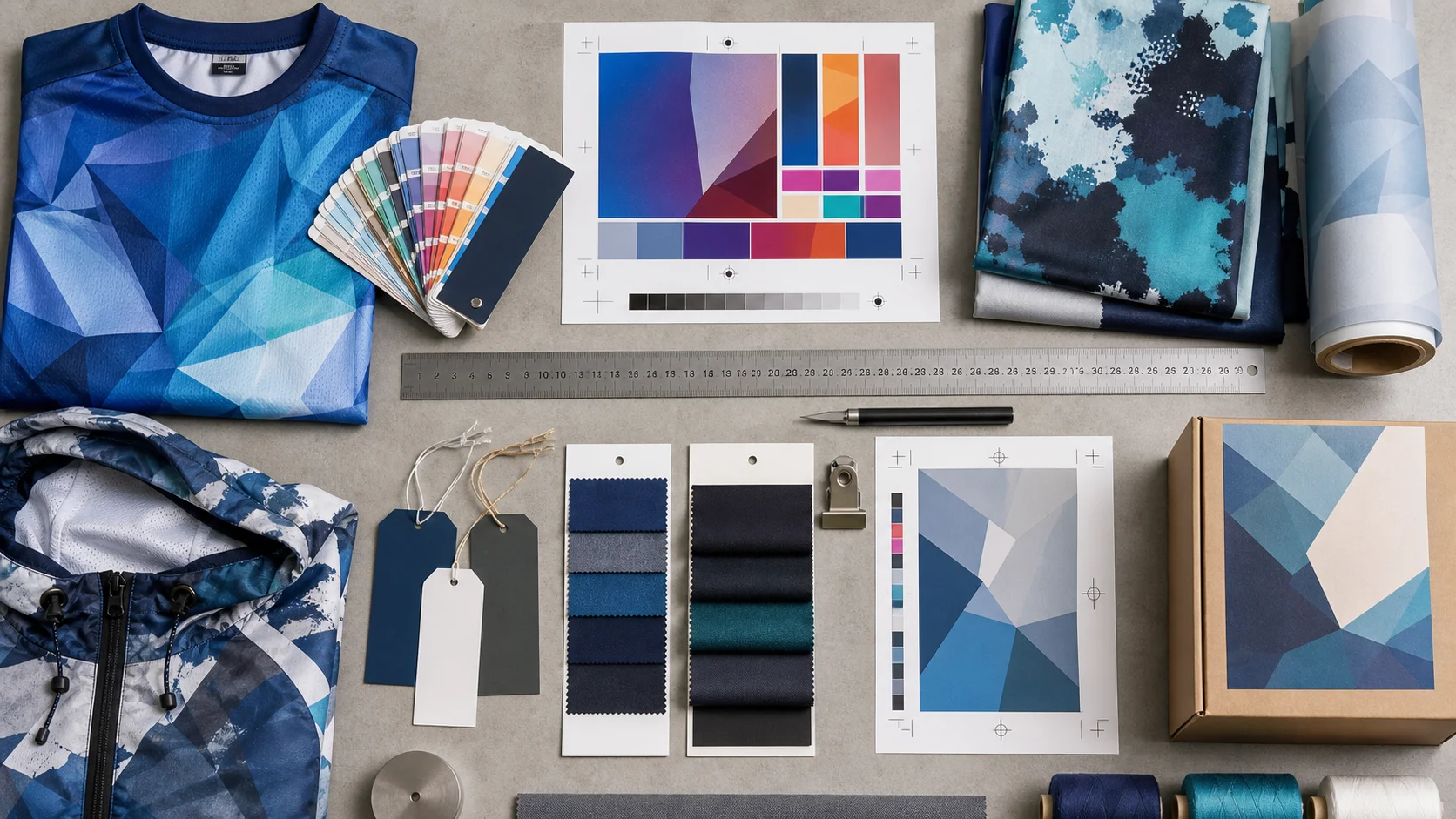
Shopify Size Practices Clothing Stores with checks for samples, fit, MOQ, QC evidence, pricing terms, and delivery risk.
Fast answer: Shopify Size Practices Clothing Stores: Samples, Cost Lines, QC, and Delivery Risk should be judged by production evidence, not by a generic sourcing promise. The buyer needs sample proof, cost breakdowns, QC checkpoints, and delivery buffers in writing.
Ask for recent sample photos, measurement tolerances, fabric or print test assumptions, decoration test notes, packing examples, and a named inspection checkpoint. These details show whether the team can repeat an approved sample at bulk volume.
Separate garment cost, decoration, labels, packaging, sampling, testing, freight, and rush charges. When every cost line is visible, it becomes easier to reduce colorways, adjust size depth, or reserve more time for sampling.
For clothing brands selling online, sizing is one of the biggest challenges and one of the biggest opportunities. A well-designed Shopify size guide can reduce customer uncertainty, improve conversion rates, and lower costly return rates. In fashion ecommerce, where shoppers cannot touch, try on, or compare garments in person, size guidance becomes a critical part of the buying experience.
If you run a clothing store on Shopify, your size guide should do more than display numbers in a chart. It should help customers feel confident, reduce friction at checkout, and support your brand’s reputation for quality and clarity. In this article, we will explore Shopify size guide best practices for clothing stores, including how to structure your guide, what content to include, and how to make it work for different product types and customer segments.
Whether you are launching a new apparel brand or improving an existing store, strong sizing guidance can make a measurable difference. For clothing businesses looking to build a better customer experience from product development to retail readiness, working with a manufacturing partner like Fabrikn can also help ensure your garments are consistent and size-friendly from the start. Learn more about our services, or get in touch through our contact page.
Size-related uncertainty is one of the top reasons customers hesitate to buy clothing online. Even if they love the style, they may abandon the cart if they are unsure whether a small or medium will fit. This hesitation can lower conversion rates and increase customer service inquiries.
A good size guide solves several business problems at once:
For many clothing stores, returns are not just an inconvenience; they are a major cost center. Every return involves shipping, restocking, processing, and possibly lost inventory value. A clear Shopify size guide helps minimize these losses by setting expectations before purchase.
Size guides are also valuable for brand positioning. When your store feels organized, transparent, and helpful, customers are more likely to view your business as reliable. That matters whether you sell basics, activewear, premium fashion, uniforms, or custom apparel.
Before diving into best practices, it is important to understand what makes a size guide useful. A strong guide should be easy to scan, relevant to the product, and written in customer-friendly language.
Your size guide should include exact measurements for bust, chest, waist, hips, inseam, sleeve length, and other relevant dimensions depending on the product. Avoid vague descriptions whenever possible.
Use both inches and centimeters if you sell to international audiences. Consistency helps avoid confusion and makes your brand more accessible to global shoppers.
Measurements alone are not enough. Add notes such as “runs small,” “relaxed fit,” “true to size,” or “designed for layering” to explain how the garment actually wears.
Simple illustrations or model photos can help shoppers understand where to measure their body and how the garment should fit. Visual support reduces guesswork.
A size guide for T-shirts should not look the same as one for jeans, blazers, or dresses. The best guides are tailored to each product category.
Now let’s look at the most effective Shopify size guide best practices for clothing stores. These strategies are designed to make your size charts more useful, more persuasive, and more conversion-friendly.
If shoppers cannot locate your guide quickly, it loses much of its value. Place a visible size guide link near the size selector on product pages. You can also add links in the product description, FAQ, and footer. The key is to make sizing help available at the moment of decision.
Many ecommerce customers shop on mobile devices. If your size chart is cramped, hard to read, or requires too much zooming, shoppers may abandon it. Use a responsive design that displays neatly on small screens, with readable text and simple tables.
Avoid technical jargon unless your audience is highly specialized. Instead of saying “torso circumference,” say “measure around the fullest part of your chest.” Simple language improves comprehension and reduces errors.
Customers do not buy measurements; they buy confidence. Include practical guidance like “choose one size up for a looser fit” or “size down if you prefer a more tailored look.” These recommendations help translate measurements into buying decisions.
Shoppers often want to know what size the model is wearing and how tall the model is. Include model height, weight if appropriate, and the size worn in the product photos. This gives customers a real-world comparison point.
Whenever possible, maintain consistency across products. If a medium in one shirt fits very differently from a medium in another, you create confusion and increase return risk. Standardized grading helps shoppers learn your brand’s fit system over time.
Garment construction, fabric content, and fit can change over time. Review your size guides whenever you launch a new collection or modify a product pattern. Outdated size charts can mislead customers and damage trust.
Reviews can reinforce sizing guidance. If multiple customers say a hoodie runs large or a dress fits exactly as expected, include that feedback in the product page. Social proof can make sizing advice more credible.
If a product is designed differently from your standard sizing, say so clearly. For example, a cropped jacket may fit differently from your regular outerwear line. Transparency prevents disappointment after delivery.
Always test your size guide with internal teams, sample customers, or fit advisors before publishing it broadly. Ask whether the guide is easy to follow, whether the measurements are understandable, and whether anything feels unclear.
One of the best practices for Shopify size guides is to create product-specific versions instead of using one generic chart for everything. Different garments require different measurement categories and fit explanations.
For tops, include bust/chest width, shoulder width, body length, and sleeve length. Since tops are often purchased based on fit preference, add notes about relaxed, slim, oversized, or cropped silhouettes.
For pants, include waist, hip, inseam, rise, and leg opening. Customers often need additional guidance about stretch fabric, high-rise versus mid-rise, and whether the fit is meant to be tailored or casual.
Dresses can be tricky because proportions vary widely. Include bust, waist, hip, and length measurements, and if relevant, shoulder-to-hem length. Mention whether the dress is designed for a fitted or flowy silhouette.
Jackets and coats should include chest, shoulder, sleeve, and garment length measurements. It is especially useful to advise shoppers if the piece is intended to fit over layering items such as sweaters or hoodies.
For leggings, sports bras, and compression items, explain how the fabric stretches and whether sizing should be based on body measurements or desired compression level. Fabric composition matters here, so note spandex, elastane, or other stretch materials.
These categories require extra clarity and sensitivity. Include precise measurement guidance and avoid ambiguous phrases. Comfort-focused products should emphasize both fit and wearability.
Even brands with great products can lose sales because of avoidable size guide errors. Here are some of the most common mistakes clothing stores make on Shopify.
Alphabetic sizing alone is not enough. Customers need actual body and garment measurements to compare against their own fit preferences.
If a shopper has to search for the chart, you increase the chance of abandonment. Visibility matters.
Brands selling globally should account for regional sizing differences. A US size medium may not translate directly to EU or UK expectations.
Too much information can overwhelm shoppers. Focus on the most relevant measurements and present them in a clear, readable format.
One shirt using chest width and another using chest circumference can confuse customers. Choose a standard format and stick with it.
A non-stretch cotton shirt behaves differently from a knit blend or ribbed fabric. Size guidance should reflect how the material performs in real wear.
Customers with measurements between sizes need direction. Include guidance for in-between sizing, broad shoulders, long torsos, or curvier fits where relevant.
Shopify gives clothing brands several ways to support sizing content, and app integrations can make the process even easier. Depending on your store setup, you may be able to add custom tabs, metafields, or embedded sizing widgets.
Many clothing brands also use third-party apps to display size charts dynamically by product type. These tools can improve user experience by showing the right chart automatically based on the selected item. Some apps even allow customers to compare body measurements against garment dimensions or receive size recommendations.
If you are working with a larger brand operation, it can also help to align your size guide with your production process. Clear specs, consistent grading, and accurate garment sampling all reduce the risk of mismatched expectations. Fabrikn works with brands to support quality apparel manufacturing, which can strengthen the foundation behind your size guide. If you want to learn more about our company, visit our about us page.
A size guide is only as good as the accuracy behind it. To make your guidance more reliable, use the following measurement best practices when developing apparel and preparing product data.
Use a consistent method for measuring finished pieces. Small differences in seam placement, fabric stretch, or pattern development can affect fit dramatically.
Fit testing with real people is one of the most valuable ways to confirm whether the measurements match the intended design. Sample wear testing helps identify issues before products reach customers.
If you already have sales data, reviews, or return patterns, use that information to refine your size guide. Real customer behavior is one of the strongest indicators of whether your sizing is working.
Show shoppers how to measure themselves correctly. Explain where to place the tape measure and how to keep it level. This small step can significantly improve fit accuracy.
When measuring body dimensions, suggest that customers use minimal clothing or undergarments. Bulky clothing can distort the numbers and lead to poor size choices.
Your size guide should feel like part of your brand experience, not a separate utility page. The design, tone, and format should match the rest of your store.
For example, a luxury fashion label may prefer a minimalist, editorial-style size guide with refined typography and understated language. A streetwear brand might use a more bold, graphic approach. A children’s clothing brand may prioritize clarity, friendliness, and easy instructions for parents.
Brand-aligned size guides can also support higher perceived value. When customers see thoughtful product education, they are more likely to trust the craftsmanship behind the garment. That trust can make them more willing to pay a premium, especially when your product quality and fit consistency are strong.
This is where manufacturing quality matters. The more consistent your production is, the easier it is to create accurate, reliable sizing content. Brands that invest in well-made garments from the beginning often find it much simpler to reduce fit-related issues later in the customer journey.
Shopify size guide best practices for clothing stores come down to clarity, accuracy, and customer confidence. A great size guide is easy to find, simple to understand, tailored to the product, and consistent with your brand. When done well, it becomes a sales tool that helps customers buy with confidence and reduces the friction that often leads to returns.
If you want your clothing store to stand out in a competitive ecommerce market, treat sizing as a core part of your customer experience strategy. From product development and fit testing to garment consistency and digital presentation, every detail matters. The more accurate and helpful your size guide is, the more likely shoppers are to complete their purchase and return for more.
For clothing brands looking to improve product quality and support better fit outcomes, Fabrikn can help. Explore our services, connect with our team through contact-us, or learn more about our company on the about-us page.
Get a free quote from Fabrikn — your trusted B2B clothing manufacturer with 10+ years of experience. MOQ as low as 200 pieces.
Get a Free Quote →A Shopify size guide should include accurate body and garment measurements, unit conversions if needed, fit notes, and simple instructions showing customers how to measure themselves.
Place it near the size selector or product title area so shoppers can find it quickly while deciding which size to buy.
It is better to create product-specific or category-specific size guides because shirts, pants, dresses, and outerwear all fit differently.
By helping customers choose the right size before they buy, a size guide reduces mismatched expectations and lowers the likelihood of fit-related returns.
If you sell internationally or expect customers from multiple regions, including both inches and centimeters is a smart best practice.
Review your size guide whenever you launch new products, change patterns, alter fabric, or receive repeated feedback about fit issues.
Yes. Reviews that mention fit, stretch, and true-to-size feedback can reinforce your size guide and help shoppers make better decisions.