
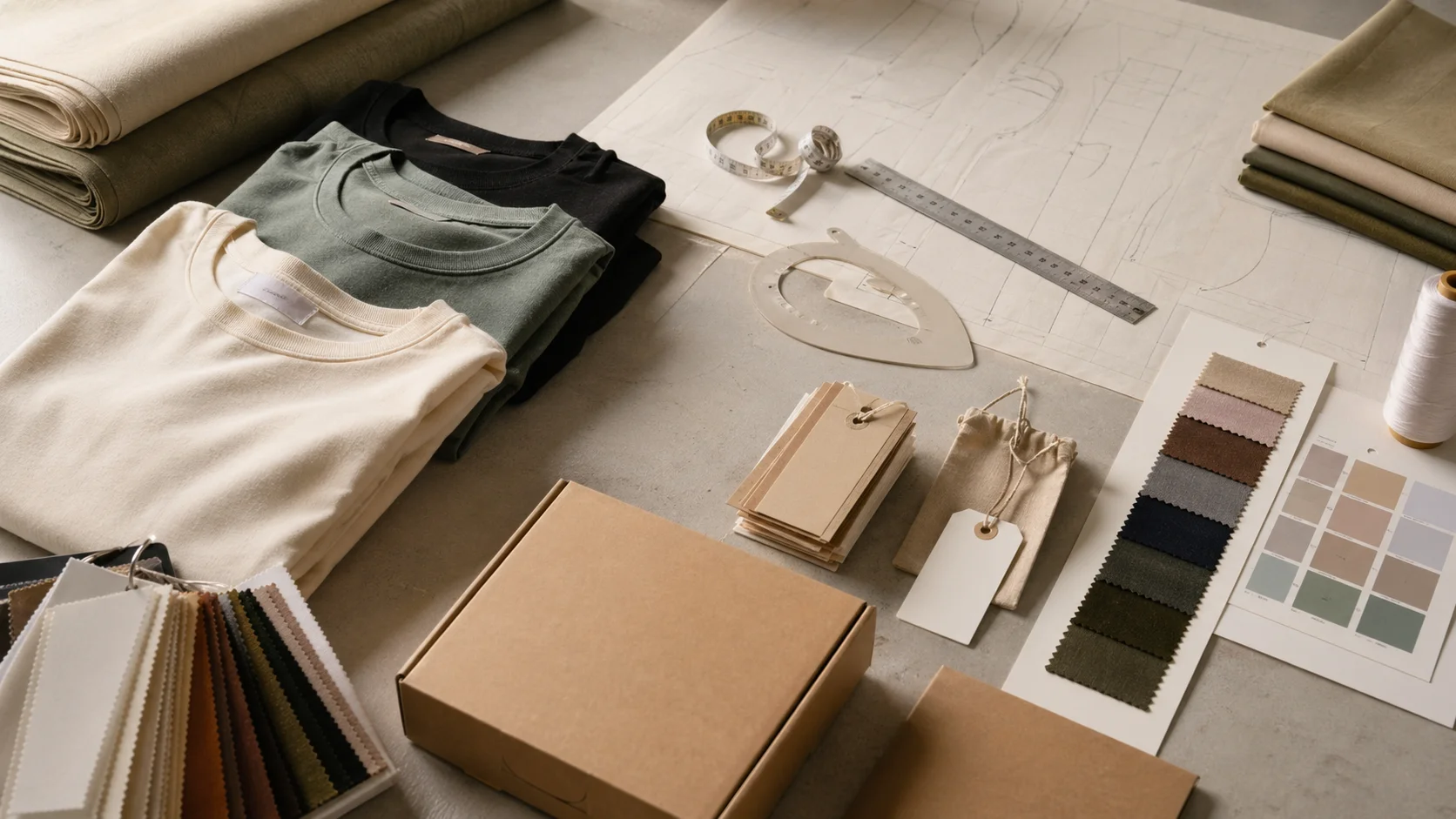
Small Batch Clothing Manufacturing for Startups with checks for samples, fit, MOQ, QC evidence, pricing terms, and delivery risk.
Fast answer: Small Batch Clothing Manufacturing for Startups should be judged by production evidence, not by a generic sourcing promise. The buyer needs sample proof, cost breakdowns, QC checkpoints, and delivery buffers in writing.
Ask for recent sample photos, measurement tolerances, fabric or print test assumptions, decoration test notes, packing examples, and a named inspection checkpoint. These details show whether the team can repeat an approved sample at bulk volume.
Separate garment cost, decoration, labels, packaging, sampling, testing, freight, and rush charges. When every cost line is visible, it becomes easier to reduce colorways, adjust size depth, or reserve more time for sampling.
Small Batch Clothing Manufacturing for StartupsFor startups entering the competitive fashion and apparel space, navigating production is one of the first pivotal challenges. A full-scale manufacturing contract with massive minimum order quantities (MOQs) can strain cash flow, tie up inventory, and limit adaptability. Small batch clothing manufacturing, however, provides a startup-friendly alternative that emphasizes flexibility, iteration, and precision. This approach empowers founders to test products, gauge market demand, and refine their designs without overcommitting resources. In this guide, we explore everything startups need to know about partnering with a small batch clothing manufacturer, including how to select the right plant, ensure quality control, manage costs, incorporate sustainable practices, and scale thoughtfully.
Startups thrive on innovation, agility, and the ability to respond quickly to customer feedback. Small batch production supports these priorities by allowing brands to produce limited runs of garments, experiment with new silhouettes, and fine-tune their offerings before scaling. Unlike mass manufacturing, which requires high MOQs and long lead times, small batch manufacturing keeps order sizes lean and timelines tight. Emerging brands can launch capsule collections, seasonal drops, or custom offerings that build hype and demand without the risk of surplus inventory.
With small batch manufacturing, startups also minimize upfront investment. Manufacturing in limited quantities preserves capital and reduces storage costs. Brands can prioritize high-quality fabrics and focus on brand storytelling without sacrificing the ability to pivot. In fast-moving markets, where trends shift rapidly, maintaining small batch cycles lets brands stay nimble and keep pace with consumer preferences. Choosing the right manufacturing partner for this approach becomes critical, as the partner must understand startup constraints and collaborate on product development, sourcing, and finishing.
Small batch manufacturing offers a wide range of advantages tailored to startups striving to find their footing:
These advantages make small batch manufacturing an ideal approach not only for new labels but also for established brands launching limited releases, collaborations, or experimental lines. The key to extracting maximum value is forging a partnership with a manufacturer that understands the nuances of small batch production and can operate as an extension of the brand’s team.
Identifying a reliable small batch clothing manufacturer is foundational to a startup’s success. Many manufacturers are structured to serve large-volume clients, and their processes, equipment, and staffing reflect that focus. Startups require partners that are tailored to flexible production, quick turnarounds, and open communication.
When evaluating prospective manufacturers, startups should consider the following criteria:
Fabrikn understands these priorities and aligns its capabilities with the needs of startups seeking small batch production. Whether launching a first collection or testing new garment categories, startups benefit from Fabrikn’s collaborative approach, which blends design support with production expertise. For more details about how we can support your capabilities, visit our services page.
Understanding the small batch manufacturing journey helps startups plan effectively and manage expectations. The process typically unfolds in several stages:
The journey begins with concept ideation and detailed planning. Designers supply sketches, mood boards, or inspiration photos along with desired fabrics and trims. Startups often work with manufacturers to translate these ideas into technical packages, which include measurements, stitch types, colorways, and construction notes. At this stage, material sourcing is critical. Small batch manufacturers often have established supplier relationships and can recommend fabric options that align with sustainability goals, budget, and desired hand feel.
Once the technical pack is finalized, the manufacturer produces samples for review. Startups should plan for multiple rounds of sample development to confirm fit, proportion, and finish. Sampling allows the brand to see the garment in real life, test it for wearability, and make any necessary adjustments before committing to production. A transparent partner will document changes and provide detailed feedback on fit issues, ensuring the final product meets the brand’s expectations.
After sample approval, the small batch run begins. Because quantities are limited, machinery and labor can focus on precision. This phase includes cutting fabrics, sewing components, adding trims, and completing finishing touches like labels and packaging. Startups should schedule regular updates during production and request photo or video documentation to verify progress. Reliable manufacturers also provide pre-shipment inspections to catch any issues before goods leave the facility.
For small batches, quality control is especially important to maintain brand reputation. Manufacturers conduct thorough inspections to ensure stitch consistency, seam integrity, and color uniformity. Once approved, garments are prepared for distribution, whether shipped to a single retail location, fulfilled through an e-commerce operation, or sent to pop-up events. Clear logistics planning and documentation prevent delays and ensure the startup can launch its product on time.
This structured process keeps production aligned with brand timelines. Even with small runs, startup teams appreciate consistent communication, transparency around lead times, and the ability to pivot when necessary. Fabrikn’s team walks clients through every step, ensuring each small batch reflects the brand vision with meticulously maintained quality.
Managing costs is a top concern for every startup, especially in manufacturing. Small batch production has inherent cost benefits—smaller orders mean lower upfront spend—but startups still need to optimize every dollar.
Consider these strategies when pricing and forecasting:
Strategic cost management ensures startups can offer competitive price points without compromising quality. Fabrikn’s team partners with brands to optimize production efficiencies, whether adjusting fabric choices, refining tech packs, or advising on appropriate batch sizes. For startups ready to take the next step, our contact team is prepared to offer tailored pricing that aligns with unique production goals.
In small batch manufacturing, quality cannot be sacrificed. Since each garment represents a significant portion of the total order, any flaw is magnified. Startups must understand the manufacturer’s quality control protocols and confirm compliance with industry standards.
Key quality checkpoints include:
Small batch manufacturers often handle these checks in-house, while also providing clients with inspection reports and photos. Transparent communication about quality assurance builds confidence and avoids shipping errors. Fabrikn maintains rigorous standards across every stage, ensuring startups receive fully inspected garments that match their specifications. Our teams collaborate with clients to document inspection criteria, streamline approvals, and confirm garments meet or exceed expectations.
Sustainability is no longer optional; it’s a differentiator for modern startups. Small batch manufacturing naturally aligns with sustainable principles by minimizing overproduction, reducing waste, and enabling thoughtful sourcing. Brands can further reinforce ethical commitments through transparent supplier chains, eco-conscious materials, and responsible labor practices.
Startups should evaluate the following sustainability touchpoints:
By choosing small batch production, startups already reduce the risk of dumping unsold inventory into landfills. Fabric selection can further amplify impact, especially when the manufacturer supports traceability and transparency. Fabrikn is committed to sustainable manufacturing, from material sourcing guidance to ensuring ethical workplace practices across our facilities. Aligning these practices with your brand story strengthens trust with conscious consumers and fosters long-term loyalty.
Once a startup gains traction, the natural progression is scaling. Small batch manufacturers must be capable of growing alongside the brand. Startups should assess a partner’s ability to manage a range of order sizes without sacrificing the agility that defined their early launches.
Consider these scaling strategies:
A manufacturing partner that values scalability will also support the startup with data, reporting, and insights drawn from each production cycle. This guidance enables smarter decisions about inventory planning, retail partnerships, and wholesale opportunities. Fabrikn supports brands at every growth stage, providing small batch precision today and scale-ready infrastructure tomorrow. Our streamlined processes ensure that as your brand expands, production remains predictable, efficient, and aligned with your evolving vision.
Hearing how other startups successfully navigated small batch manufacturing brings strategy to life. Consider these types of scenarios that Fabrikn regularly supports:
These stories illustrate how small batch manufacturing not only mitigates risk but becomes a strategic tool for creating urgency, validating demand, and crafting premium experiences. By partnering with a skilled team, these startups ensured each garment resonated with their audience and aligned with brand narratives.
Fabrikn specializes in empowering startups through flexible, transparent, and high-quality small batch clothing manufacturing. Our process starts with a discovery call, during which we review your concept, production goals, and timeline. From there, we develop a production plan, source materials, and begin the sampling process together. For startups seeking more insight into how we collaborate, learn about our story and capabilities on the about us page.
Whether you are launching a single style or building a full collection, Fabrikn partners with you every step of the way. Our team’s manufacturing expertise, combined with startup-friendly logistics, keeps the focus on what matters most—delivering distinctive apparel that makes an impact in the marketplace. When you’re ready to turn your ideas into tangible garments, reach out through our contact form, and we’ll guide you through the next steps.
Get a free quote from Fabrikn — your trusted B2B clothing manufacturer with 10+ years of experience. MOQ as low as 200 pieces.
Get a Free Quote →A small batch clothing manufacturer specializes in producing limited quantities of garments—often ranging from a dozen to several hundred pieces per style. These manufacturers focus on flexibility, fast turnarounds, and personalized service, making them ideal for startups testing products or limited-edition launches.
Small batch production lowers financial risk by reducing the initial investment in manufacturing. Startups can avoid large MOQs, minimize inventory holding costs, and align production with demand signals, reserving capital for marketing, development, and brand growth.
Absolutely. Many small batch manufacturers emphasize meticulous craftsmanship and detailed quality control because each garment carries more significance. With focused labor, thorough inspections, and collaborative oversight, the quality of small batch runs often matches—or even exceeds—larger productions.
Timelines can vary depending on complexity, but small batch runs often complete within 4 to 8 weeks, including sampling. Faster timelines are possible with streamlined tech packs, quick approvals, and available production slots. Communication with your manufacturer is key to managing expectations.
Yes. Producing in small quantities reduces waste and encourages careful material use. When paired with sustainable fabric choices, ethical labor practices, and responsible waste management, small batch production aligns well with sustainable fashion goals.