
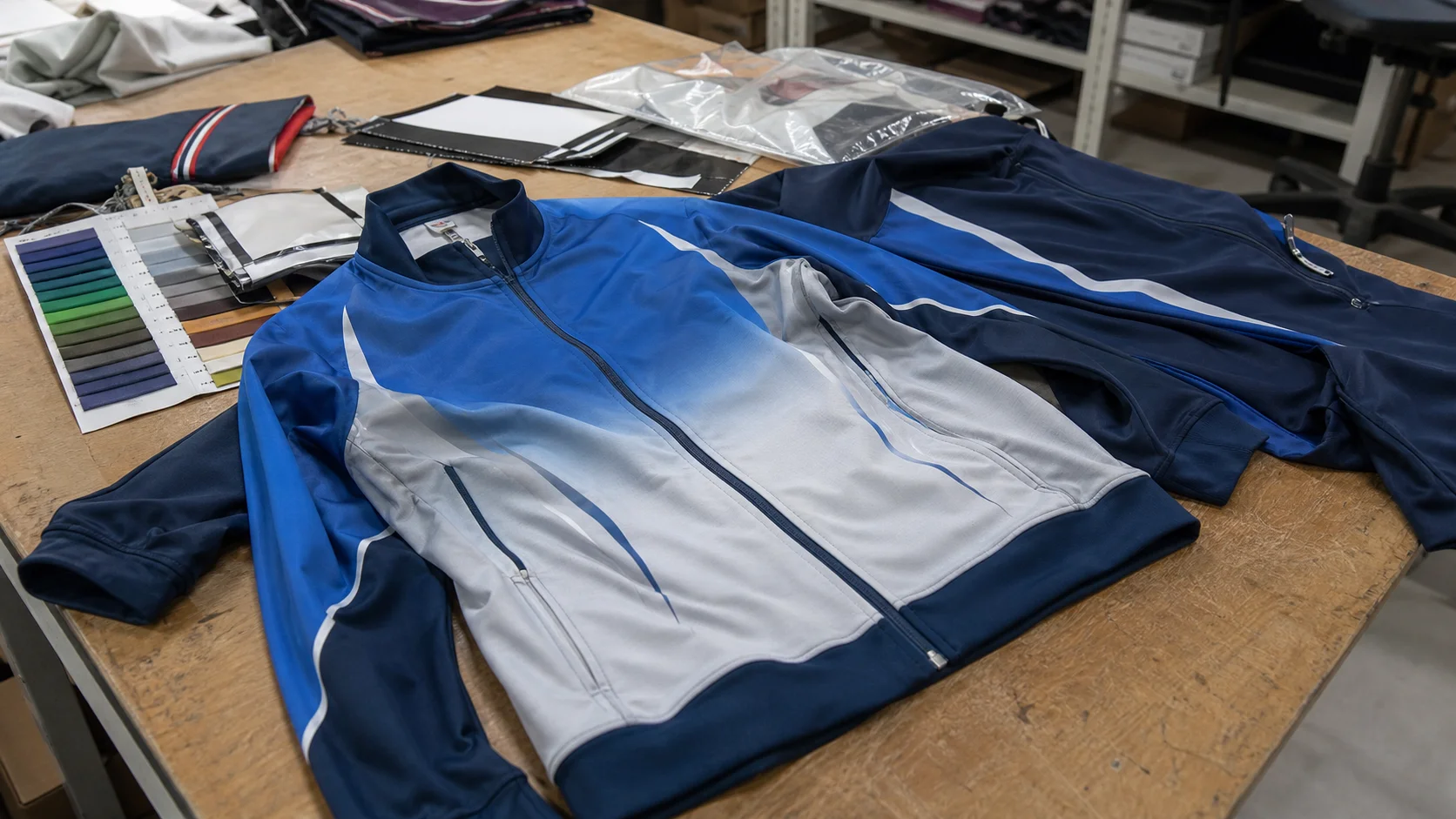
A product-specific outline for pharmacy operations teams auditing sports bra colorfastness, dye transfer risk, wash durability, labeling, sampling, and...
Sports Bra Colorfastness Audit for Pharmacy Ops - Fabrikn production reference
A sports bra factory colorfastness audit for pharmacy operations teams is not just a textile quality exercise. It is a retail risk control process. Pharmacy operators that sell wellness apparel, staff fitness products, recovery garments, athleisure basics, or private-label activewear need color consistency and dye stability because the product may sit near healthcare goods, personal care products, white packaging, fixtures, uniforms, or customer belongings.
Sports bras create a higher colorfastness risk than many basic garments. They use stretch fabrics, high-elastic trims, foam cups, hook-and-eye closures, heat-transfer labels, mesh panels, contrast binding, and high-sweat-use conditions. A black or deep red sports bra that bleeds onto skin, packaging, towels, or pharmacy retail fixtures can trigger complaints quickly. If the item is part of a wellness program, loyalty promotion, employee apparel bundle, or private-label pharmacy range, the reputational risk is even higher.
This article explains how pharmacy operations teams can audit sports bra factories for colorfastness before committing to bulk orders. It focuses on sourcing judgment: what to test, what documents to ask for, where failures usually happen, and how to balance MOQ, cost, and lead time without accepting unnecessary quality risk.
Pharmacy retail environments are different from sporting goods stores. A customer buying an activewear item from a pharmacy often expects safe, clean, practical merchandise. They may buy the garment alongside skincare, medical supports, supplements, maternity items, or personal hygiene goods. Any visible dye transfer can feel especially unacceptable in that setting.
For pharmacy operations teams, poor sports bra colorfastness can create several problems:
Colorfastness should be treated as a pre-production approval gate, not a post-shipment debate. A supplier’s reassurance is not enough. The audit should check whether the factory understands dye risk, tests properly, segregates colors in production, controls trims, and can show documented evidence batch by batch.
A useful audit looks at both laboratory results and factory behavior. A sports bra can pass a test on the main fabric but fail because of binding tape, elastic, printed logo, dark lining, or foam cup cover fabric. The audit scope should include material control, production handling, finishing, packing, and inspection.
Audit Area What to Check Why It Matters Main fabric Fiber content, dye method, shade lot control, lab dips, bulk test reports Main fabric is the largest dye source and often drives overall risk. Elastic and binding Waistband elastic, underband elastic, shoulder straps, fold-over binding, dye migration Elastic sits under tension and sweat exposure, increasing rub-off and bleeding risk. Cups and padding Foam cover fabric, removable cup color, lining compatibility Foam and lining can absorb migrating dye or show staining after wash. Printing and labels Heat-transfer logos, size labels, care labels, silicone prints Prints can crack, discolor, or transfer when exposed to heat and moisture. Factory wet processing control Color matching, rinse control, post-dye washing, pH control, fixation records Loose dye and poor fixation are common causes of bleeding. Packing Polybag contact, color assortment packing, humidity control, tissue use Transfer can happen during transit if dark and light goods are packed tightly.For buyers building private-label sports bras, a broader supplier qualification process may be needed. Product development and manufacturing support can be reviewed through Fabrikn’s services if the team needs structured sourcing, sampling, and production coordination.
Pharmacy operations teams usually manage multiple categories with tight shelf discipline. Activewear may not be the largest department, so the product must be operationally simple. That means limited returns, clean packaging, clear size labeling, and dependable replenishment. Colorfastness problems cut across all of those requirements.
The risk profile depends on how the sports bra is sold:
Deep colors need special caution: black, navy, wine, burgundy, dark green, red, purple, and fluorescent shades. High-contrast combinations also deserve attention, such as black binding on a white body, red straps on a pale pink bra, or dark removable cups inside a light shell.
A pharmacy operations buyer does not need to become a textile chemist, but the audit should name the required tests clearly. Vague language such as “good colorfastness” leaves too much room for interpretation. The purchase order, tech pack, or quality manual should state test type, standard, color rating requirement, and test method where relevant.
This test checks whether color bleeds or changes during laundering. For sports bras, it is essential because consumers will wash the item frequently after sweat exposure. A typical acceptable commercial target is grade 4 or above for color change and staining, though some buyers accept grade 3-4 for dark fashion colors if disclosed and risk-assessed. Pharmacy teams should avoid weak approvals on core shades.
Sports bras are worn close to the body and exposed to sweat. Perspiration testing usually includes acidic and alkaline conditions. This matters for underband elastic, straps, cup linings, and dark dyed fabrics. A sports bra that passes washing but fails perspiration can still cause skin staining or transfer to underlayers.
Rubbing tests evaluate dry and wet transfer. Wet rubbing is usually more difficult to pass, especially for dark cotton-rich blends, brushed fabrics, or heavily dyed synthetics. For activewear sold through pharmacy channels, wet crocking should not be ignored. Customers may try the garment after applying lotion, deodorant, body oil, or after light sweating.
This is a basic but useful test for dye migration under damp contact. It is relevant to warehouse humidity, damp returns, and items packed tightly in polybags. If dark and light components sit together under pressure, water fastness weaknesses can appear as staining.
Not every sports bra needs pool-related testing. If the item is positioned for gym, yoga, walking, or everyday wellness, these tests may be optional. If the product is promoted for swim-adjacent use, travel, spa, hydrotherapy, or recovery programs, testing to sea water and chlorinated water becomes more relevant.
Lightfastness is important for shelf display. Pharmacy stores often use bright retail lighting, and goods may sit under illumination for weeks. Fluorescent shades, pale neons, and certain fashion colors can fade. A sports bra that fades on the front panel while hanging on display may become unsaleable even if it never bleeds.
Test Priority for Pharmacy Ops Typical Risk Signal Washing High Loose dye, staining on adjacent fabrics, shade change Perspiration High Skin staining, lining transfer, underband bleeding Rubbing/crocking High Transfer to skin, packaging, light garments, retail fixtures Water Medium to high Migration during damp storage or transit Light Medium Fading on display or uneven shelf appearance Chlorinated water Conditional Required if product is marketed for pool or spa useSports bra colorfastness starts with material selection. The factory may cut and sew the garment, but mills and trim suppliers often create the actual dye risk. A credible factory should be able to trace main fabric, lining, mesh, elastic, thread, cups, and labels by supplier and batch.
Common sports bra fabrics include nylon/spandex, polyester/spandex, recycled polyester/spandex, cotton/spandex, and blends with modal or other cellulosic fibers. Polyester and nylon can perform well when dyed correctly, but dark shades and fluorescent colors still need testing. Cotton-rich fabrics may feel comfortable but can show more crocking risk in deep shades.
Key specifications to confirm include:
Finishes can affect colorfastness. Heavy softeners may improve hand feel but reduce rubbing performance or create oily transfer risk. Antimicrobial or odor-control claims add another layer of testing and regulatory caution. Pharmacy operators should be careful with performance claims unless the supplier can provide appropriate support documents.
Elastic is a frequent failure point. It stretches, rubs, absorbs sweat, and sits in high-pressure zones. Underband elastic may be encased or exposed. Exposed jacquard elastic with a logo can create both colorfastness and appearance risks.
For elastic, request colorfastness testing separately, not only as part of the finished garment. The audit should check whether elastic batches are segregated by shade and whether factories store dark elastic away from light components. Black elastic packed against white or pastel shell fabric can create migration marks before the garment even reaches the customer.
Thread is usually less risky than main fabric, but contrast stitching can bleed or discolor. Binding tape and mesh panels need individual attention because they may come from different suppliers. A light-colored sports bra with dark mesh insert panels should be tested as a full assembled garment and as component materials.
Removable cups create practical problems. If cups are white, beige, or pale grey, they can show staining from dark shell fabrics. If cups are dark, they can transfer color onto light linings. Cup materials may also yellow after washing or heat exposure. The audit should include cup color evaluation after wash and damp contact.
Document control is one of the easiest ways to separate a prepared factory from a risky one. A factory that cannot provide clear records before production is unlikely to manage colorfastness consistently during bulk.
Ask for the following documents before confirming the purchase order:
Reports should not be accepted blindly. Check the test date, sample description, color name, fabric composition, test method, and laboratory identity. A report for “black polyester fabric” is not automatically valid for a black nylon/spandex sports bra with brushed finish and exposed elastic. Pharmacy teams should match reports to the actual product bill of materials.
Colorfastness approval works best when it is staged. Approving the final pre-production sample without checking materials earlier can force costly delays. A practical workflow is shown below.
Stage Buyer Action Factory Output Approval Risk Material nomination Confirm fabric, lining, elastic, cup, trim, and color direction Material cards, supplier details, preliminary test reports High if dark shades or contrast trims are selected late Lab dip Approve shade under agreed lighting Lab dip swatches with recipe reference Medium; lab dip may not represent bulk behavior Strike-off or trim sample Review elastic, print, logo, label, and binding colors Trim submissions and component test data High for exposed elastic and heat transfers Fit sample Check support, fit, coverage, seam placement, and comfort Prototype garment Colorfastness data may still be incomplete Pre-production sample Approve final construction, shade, trims, label, and care instruction Garment made from bulk-intent materials Critical gate before cutting Bulk top sample Check first production output against approved sample First bulk garment Risk if fabric lot changed after PP approvalThe pre-production sample should be made from bulk-intent fabric and trims whenever possible. If the factory submits a PP sample using substitute elastic or available stock fabric, the approval has limited value. The sports bra may fit correctly but still fail colorfastness once actual bulk materials are introduced.
Purchasing judgment: do not release cutting approval for deep colors until main fabric and critical trims have passing test reports tied to the intended bulk lot or a clearly equivalent approved lot.
MOQ pressure is common in activewear. Pharmacy operations teams may want a controlled launch quantity, while factories and mills prefer efficient dye lots. Colorfastness testing adds time and cost, but skipping it can be more expensive if the shipment fails.
Actual MOQ depends on fabric type, color, size range, trim customization, factory capacity, and whether materials are stock or custom dyed. As a broad sourcing guide:
For pharmacy launches, a stock-color program may be safer than forcing custom shades at low volume. Stock black, navy, grey, and neutral colors can reduce development time, but they still need test confirmation. Stock does not mean risk-free.
Sports bra production lead time typically depends on material readiness more than sewing time. A simple cut-and-sew sports bra using available fabric may be ready faster than a custom dyed style with branded elastic and lab testing.
Process Typical Time Range Notes Material sourcing and quotation 1-2 weeks Longer if multiple support levels or fabric options are compared. Lab dips 5-14 days Resubmissions add time if shade is rejected. Fit sample 1-3 weeks Complex cup, strap, or support construction may require more rounds. Colorfastness testing 3-10 working days Depends on test lab, method, and number of components. Bulk fabric and trim production 2-5 weeks Custom dyeing and elastic production can extend this stage. Cutting, sewing, finishing, packing 2-5 weeks Depends on order size, style complexity, and factory loading. Final inspection and shipment release 2-7 days Reinspection may be needed if defects exceed AQL limits.A realistic development-to-ship timeline may run 8-14 weeks for a new custom sports bra program. Repeat orders with approved materials can be shorter, but shade lot and trim control should still be checked.
Lower unit cost often comes from higher volume, simpler colors, fewer trims, and reduced testing. That can be acceptable for low-risk products, but sports bras sold through pharmacy operations need a stronger quality floor. Paying for component testing and a pre-shipment inspection is usually more sensible than accepting vague factory assurances.
Buyers should be cautious with unusually low quotes. The risk may sit in untested stock fabric, weak elastic recovery, poor dye fixation, inconsistent cup materials, or missing inspection. A sports bra is not a flat T-shirt. If it fails, the reason may be hidden inside the material stack.
Inspection should not wait until the goods arrive at the pharmacy distribution center. A practical plan combines incoming material checks, inline checks, and final random inspection before shipment.
The factory should check fabric shade, width, weight, defects, and batch labels before cutting. For colorfastness control, incoming checks should include shade continuity between rolls and simple internal rubbing or wash checks. These are not substitutes for lab testing, but they can catch obvious problems before production starts.
During sewing, inspectors should look for mixed shade lots, staining from handling, oil marks, heat-transfer defects, and color mismatch between body, binding, strap, and lining. Sports bras often have many small panels, so shade mismatch can become visible after assembly.
Final inspection should include workmanship, measurement, labeling, packing, barcode accuracy, and visual color checks. For pharmacy operations, carton labeling and SKU control are especially important because store allocation errors can be costly.
Colorfastness-related inspection points include:
AQL inspection can help manage general quality, but colorfastness is partly a lab-performance issue. A garment can look acceptable at final inspection and still fail perspiration or wash testing. That is why lab results and inspection must work together.
Most colorfastness failures are preventable if the factory identifies them early. The corrective action depends on whether the problem comes from dye fixation, fabric finishing, trim migration, heat setting, washing, or packing.
Failure Likely Cause Corrective Action Buyer Decision Wet rubbing failure on dark fabric Loose dye, insufficient fixation, brushed surface, heavy shade depth Improve soaping/rinsing, adjust dye process, retest bulk lot Do not approve shipment without passing retest or formal risk acceptance. Staining on light lining Dye migration from shell, elastic, or cups Change lining, add barrier fabric, improve dye fixation, separate components Reject if staining is visible after wash or damp contact. Elastic bleeding Poor elastic dyeing, incompatible yarn, weak post-dye wash Replace elastic batch, require trim test report, reapprove PP sample Treat as critical if elastic touches skin or light shell fabric. Shade variation between panels Mixed fabric rolls, poor roll segregation, inconsistent dye lot Cut by shade lot, improve roll mapping, recut affected panels Allow only if variation is within approved tolerance. Print transfer or discoloration Incorrect heat setting, unstable ink, poor curing Adjust temperature/time/pressure, change transfer supplier Retest after wash and stretch recovery. Color staining in packed goods High humidity, tight packing, dark-light contact Use tissue separation, improve drying, control carton moisture Inspect cartons and review storage conditions before release.Corrective action should be documented. The factory should state the root cause, affected quantity, repair or replacement plan, retest method, and prevention step for future orders. Verbal explanations are not enough for pharmacy retail programs where multiple stores or distribution centers may be affected.
A supplier scorecard turns a one-time audit into a repeatable buying tool. Pharmacy operations teams can use a simple scoring model to compare factories before awarding production.
Criteria Strong Supplier Weak Supplier Material traceability Can trace fabric and trims by batch, supplier, and shade lot Uses general stock without clear batch identification Testing discipline Provides relevant component and garment test reports Provides outdated or unrelated reports Sampling accuracy PP sample uses bulk-intent materials Substitutes trims or fabrics without clear disclosure Color control Uses lab dips, bulk shade approval, roll segregation Relies on visual judgment only Corrective action Documents root cause and retesting Promises improvement without evidence Packing control Separates risky colors and manages moisture Packs dark and light goods tightly without protectionA factory does not need to be large to be competent, but it must be organized. The best commercial choice is often a supplier that communicates limits early: higher MOQ for a custom elastic, extra days for retesting, or a warning that a deep shade may not meet a high wet crocking target. That honesty is more useful than a low quote with no quality structure.
For pharmacy operations teams sourcing sports bras, the buying decision should be conservative where the garment touches skin, sits near light packaging, or carries the pharmacy’s own brand. Colorfastness is one of the quality areas where prevention is cheaper than recovery.
If the product is a private-label pharmacy activewear program, align merchandising, sourcing, QA, and logistics early. Colorfastness is not only a lab report; it affects packaging, store display, returns handling, customer service scripts, and replenishment planning.
Teams that need help structuring a supplier brief or production approval process can review Fabrikn’s background and contact the team through Fabrikn’s contact page.
The following checklist can be adapted for supplier onboarding or pre-production review.
Checklist Item Pass Requirement Buyer Note Approved lab dip available Yes, dated and linked to color standard Check under agreed light source. Main fabric test report Same or equivalent composition, shade, and finish Require new test if finish or dye lot changes materially. Elastic test report Available for the approved elastic color Critical for exposed underband and straps. Garment wash test No visible staining, distortion, or unacceptable shade change Check cups and lining after wash. Wet and dry rub check Meets agreed rating Dark colors need closer review. Perspiration test Passes acidic and alkaline conditions Important for skin-contact garments. Roll segregation plan Factory cuts by dye lot and shade group Prevents panel mismatch. Packing method Controls moisture and dark-light contact Review polybag, carton, and storage conditions. Final inspection plan AQL and color checks defined Include barcode and carton accuracy for pharmacy distribution.Care labels should be clear and defensible. They should not be used to excuse poor colorfastness, but they can reduce misuse and complaints. Common care instructions for sports bras may include cold machine wash, wash with like colors, do not bleach, do not iron print, line dry, and remove cups before washing if applicable.
If the sports bra uses dark dyes or performance finishes, the care label should match actual tested behavior. Do not claim easy-care performance if the garment requires delicate handling. Pharmacy customers value practicality. A sports bra that needs complicated washing may not suit the channel unless the product is clearly positioned as premium or specialty.
A sports bra factory colorfastness audit for pharmacy operations teams should be firm, documented, and tied to the actual product. The main mistake is treating colorfastness as a generic fabric requirement. In sports bras, the risk sits across the full garment: fabric, elastic, lining, cups, binding, trims, print, packing, and consumer use.
The safest commercial path is to approve fewer colors, use tested materials, require component and garment reports, inspect before shipment, and avoid late substitutions. If a factory resists basic documentation or cannot link reports to the submitted product, the buyer should slow down the order or look for another supplier. Delivery speed does not compensate for a color bleeding issue that reaches pharmacy shelves.
Colorfastness control is not about making the product more complicated. It is about making the launch predictable. For pharmacy operations, predictability is the real value: fewer returns, cleaner shelves, lower complaint risk, and a product that supports the wellness category without creating unnecessary operational noise.
Get a free quote from Fabrikn — your trusted B2B clothing manufacturer with 10+ years of experience. MOQ as low as 200 pieces.
Get a Free Quote →It is a review of how a factory controls dye stability and color transfer risk for sports bras. The audit should check material records, lab dips, fabric and trim test reports, production handling, packing, and inspection procedures.
Pharmacy retail environments often involve clean displays, white packaging, personal care products, and health-focused customer expectations. Dye bleeding or staining can create returns, fixture contamination, and brand trust issues.
Colorfastness to washing, perspiration, rubbing, and water are usually the top priorities. Lightfastness is also useful for retail display. Chlorinated water or sea water testing may be needed if the product is marketed for pool, spa, or swim-adjacent use.
Typical MOQ may range from 300-800 pieces per style/color for stock fabrics and 800-1,500 pieces or more for custom dyed fabrics. Custom elastic, seamless construction, or special finishes can push MOQs higher.
Old reports should be reviewed carefully. They may be acceptable only if they match the same fabric composition, shade family, finish, supplier, and intended use. A report for a different fabric or color should not be treated as proof for a new sports bra order.
Yes. Elastic is a common failure point because it is exposed to sweat, stretch, friction, and pressure. Underband elastic, shoulder straps, and fold-over binding should be checked separately when they are dyed or customized.
Wet rubbing and perspiration staining are common risks. Dark fabrics may look acceptable when dry but transfer dye after sweat, washing, humidity, or contact with light-colored materials.
Testing should happen before bulk cutting, ideally after materials are confirmed and before pre-production approval. Final inspection should still be performed before shipment, but lab testing should not be left until goods are complete.
No. Care labels can guide proper use, but they cannot compensate for poor dye fixation or unstable trims. If a sports bra bleeds under reasonable washing or sweat conditions, the product quality needs correction.
The buyer should hold shipment release, request root-cause analysis, identify affected lots, require corrective action, and retest. If the failure affects skin contact, light packaging, or visible staining, shipment approval should be treated as high risk.