
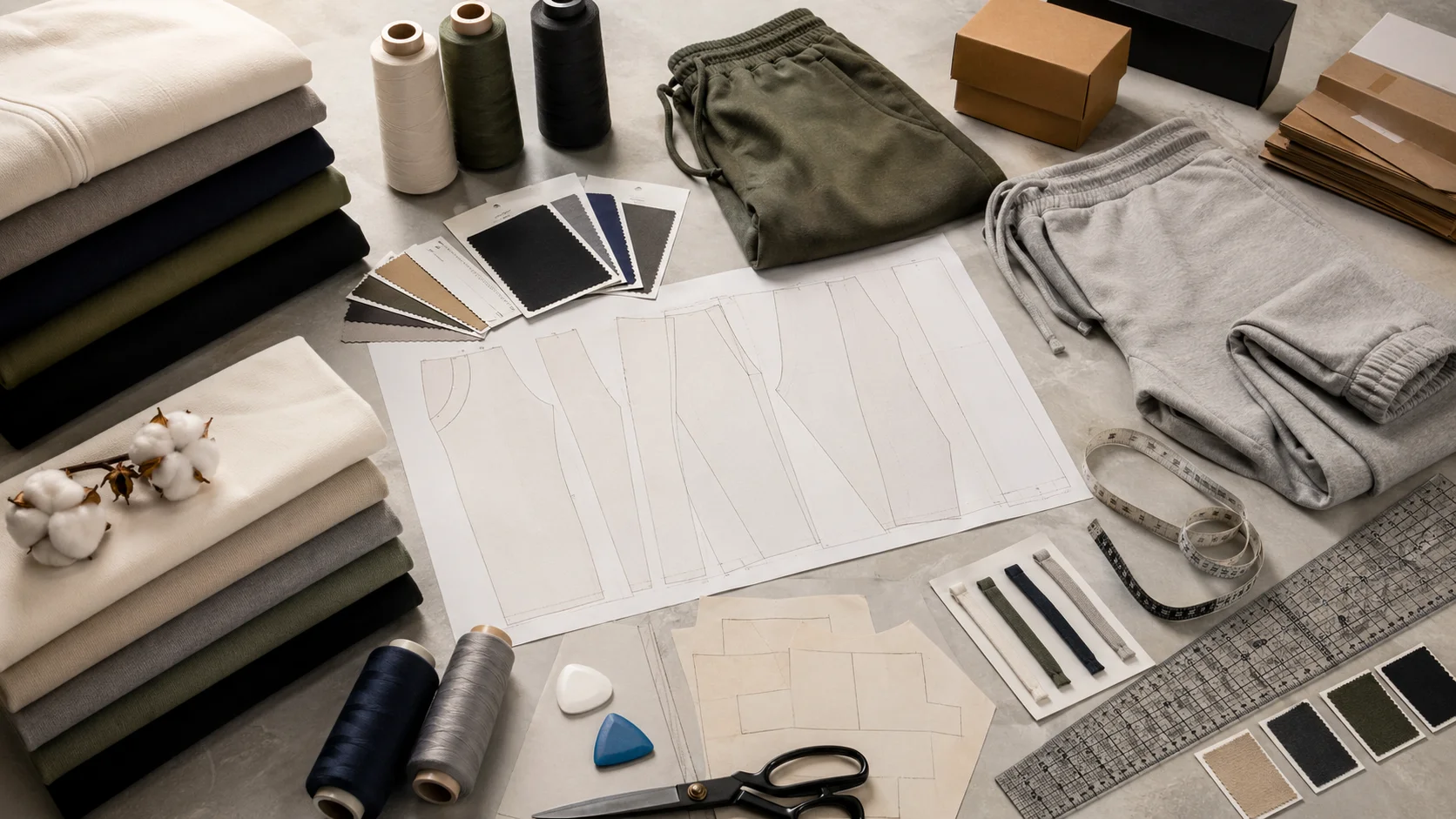
Sustainable Denim Sourcing compared by sample evidence, fabric or trim specs, MOQ, AQL terms, cost lines, delivery timing, and rework responsibility.
Fast answer: Sustainable Denim Sourcing: Fabric, Shrinkage, Fit, and QC Terms should be judged by production evidence, not by a generic sourcing promise. The buyer needs sample proof, cost breakdowns, QC checkpoints, and delivery buffers in writing.
Ask for recent sample photos, measurement tolerances, fabric or print test assumptions, decoration test notes, packing examples, and a named inspection checkpoint. These details show whether the team can repeat an approved sample at bulk volume.
Separate garment cost, decoration, labels, packaging, sampling, testing, freight, and rush charges. Clear cost lines make it easier to reduce colorways, adjust size depth, or reserve more time for sampling.
Sustainable denim sourcing is no longer a niche concern. For fashion brands, retailers, and private label buyers, jeans are one of the most important categories to get right from both a product and responsibility standpoint. Denim has long been associated with durability and long wear life, but traditional denim production can also be water-intensive, chemically demanding, and energy-heavy. That means every sourcing decision matters, from fiber selection and dyeing methods to supplier transparency and factory compliance.
If you are building or scaling a denim line, choosing the right materials and suppliers can significantly reduce environmental impact while improving product quality and brand credibility. This guide explains how to source better jeans materials, evaluate supplier capabilities, and make denim collections more aligned with sustainable fashion goals. It is designed for brands that want practical sourcing criteria, not vague sustainability language.
Whether you are developing classic indigo jeans, rigid vintage-inspired styles, stretch denim, or premium workwear silhouettes, the same principle applies: better sourcing starts with better information. To explore production support for your apparel line, you can also visit our services page or learn more about our company on about us.
Denim has a large environmental footprint because of how it is grown, processed, dyed, and finished. Conventional cotton can require significant water and pesticide use. Indigo dyeing can involve repeated dips and chemical management. Finishing processes like sandblasting, heavy washing, or aggressive abrasion can add further environmental and occupational risks. In short, denim is a category where small improvements across the supply chain can create major benefits.
Sustainable denim sourcing matters for several reasons:
Consumers are also paying closer attention to how clothing is made. Brands that can explain their denim sourcing choices clearly are more likely to stand out, especially in competitive e-commerce and wholesale environments. Transparent sourcing is not only good for sustainability reporting; it is also good for business.
The foundation of sustainable denim begins with the fiber content and fabric construction. Choosing better materials can reduce impact before the jeans even reach the dyeing and sewing stages. When evaluating denim fabric, look beyond the label and ask how the yarns were grown, spun, blended, and woven.
Organic cotton is one of the most common sustainable choices for denim. It is typically grown without synthetic pesticides or fertilizers, which can reduce soil and water pollution and support healthier agricultural systems. While organic cotton is not automatically low-impact in every case, it is often a stronger starting point than conventional cotton.
For brands that want cleaner material inputs, organic cotton denim can be a strong option for rigid jeans, classic five-pocket styles, and heritage-inspired collections. It also works well when paired with responsible dyeing and finishing practices.
Recycled cotton can reduce reliance on virgin fiber, but it has trade-offs. Recycled cotton fibers are often shorter and weaker than virgin cotton fibers, which means they may need to be blended with other materials to maintain durability. In denim, this can affect strength, hand feel, and appearance.
Use recycled cotton strategically for product lines where a softer or more textured look is acceptable. Always test the fabric for abrasion resistance, shrinkage, recovery, and wash performance before approving production.
Stretch denim is popular because it offers comfort and fit retention. However, elastane and polyester can complicate recyclability and increase microplastic concerns. If stretch is necessary, consider using the lowest blend percentage that still meets fit requirements. Recycled polyester may be preferable to virgin polyester, but it should still be assessed within the context of the full product lifecycle.
For brands focused on circularity, rigid denim is often easier to recycle than highly blended stretch denim. If you must include stretch, work with suppliers that can explain the material source and performance implications clearly.
Some sustainable denim collections use alternative fibers like hemp or lyocell. Hemp can offer strong environmental advantages in the right growing regions and can add durability and texture. Lyocell, especially from responsibly managed sources, may improve softness, drape, and moisture management.
These fibers are not always direct replacements for classic denim construction, but they can be useful in blends or in fashion-forward denim-like products. If your brand is looking to differentiate its sustainable denim line, these fibers can be worth testing.
One of the most sustainable features a pair of jeans can have is longevity. A fabric that wears well, resists seam failure, and keeps its shape helps extend the product life and reduces replacement demand. Sustainable denim sourcing should always balance lower-impact inputs with real-world durability.
Ask suppliers for fabric specs such as weight, shrinkage, tensile strength, colorfastness, and abrasion performance. A green claim is not useful if the jeans fail quickly.
Finishing is often where denim production becomes most resource-intensive. From the look of faded vintage jeans to the soft hand-feel many customers expect, finish choices can drive water use, chemical use, and worker exposure. A sustainable denim sourcing guide must therefore address finishing with the same seriousness as material selection.
Traditional denim washing can use large volumes of water, especially for distressed or heavily faded styles. Today, more responsible suppliers use techniques that reduce wash cycles, reuse water, or minimize the number of wet processes. Look for factories that track water consumption and have specific reduction targets.
Older finishing methods such as manual sandblasting or unsafe abrasion techniques can create worker health and safety concerns. Safer alternatives include laser finishing, ozone washing, e-flow systems, or targeted mechanical techniques that reduce labor risks and chemical exposure.
When reviewing supplier capabilities, ask what methods they use to create whiskers, fades, and distressed effects. Sustainable-looking denim should not come at the expense of worker safety.
Indigo dyeing is central to denim identity, but dye chemistry matters. Responsible suppliers should be able to explain their chemical management policies, wastewater treatment, and compliance with restricted substances standards. Brands should also ask whether the mill supports lower-impact dyeing processes or closed-loop systems.
Not every pair of jeans needs heavy distressing, excessive coating, or multiple wash treatments. Minimalist, clean finishes can reduce environmental impact and often lead to a more timeless product. From a brand perspective, simpler finishes also tend to age better in the market, helping reduce short-term trend dependence.
Choosing the right supplier is just as important as choosing the right fabric. A supplier may offer a “sustainable” denim range, but real sustainability should be verified through processes, certifications, documentation, and openness. The best partners understand both product development and responsible manufacturing.
A credible denim supplier should be able to tell you where the cotton is sourced, where spinning and weaving take place, how dyeing is managed, and where the final garment is assembled. Traceability is essential if you want to support sustainability claims and respond to customer or retailer requests for proof.
Ask whether the supplier can provide mill information, fabric composition documentation, and production batch tracking. The more traceable the supply chain, the easier it becomes to manage compliance and reduce risk.
Look for evidence of water recycling, energy efficiency, wastewater treatment, and waste reduction systems. Sustainable denim suppliers should be able to explain what they do to limit environmental impact beyond marketing language. If possible, request facility reports or sustainability summaries.
A strong supplier should also demonstrate an internal culture of improvement. Sustainability is not a single certification; it is an ongoing operational commitment.
Good sourcing partners do more than sell fabric or make garments. They help optimize design for sustainability. That might mean recommending a fabric that reduces waste, suggesting a less resource-intensive wash, or adjusting pattern construction to improve cutting efficiency.
If your brand needs end-to-end support, consider working with a manufacturer that can help bridge design, sourcing, sampling, and production. You can learn more about that kind of support on Fabrikn services.
Sustainable sourcing often involves testing smaller runs before scaling. A supplier with flexible minimum order quantities can help brands validate the market without overproducing. This is especially valuable for startup labels and seasonal denim capsules.
Ask whether the supplier can accommodate pilot orders, fabric development, and limited runs. Flexibility can reduce waste by preventing large commitments to unproven styles or materials.
Sustainability is not only environmental. Ethical working conditions are a critical part of responsible denim sourcing. Confirm that suppliers comply with labor standards, health and safety protocols, fair wage expectations, and legal employment requirements. If the supplier works with subcontractors, those partners should also be vetted.
Certifications can help brands verify claims, but they should not be treated as the only proof of sustainability. Still, they are useful screening tools when sourcing denim materials and suppliers. Depending on your market, product positioning, and compliance goals, ask about the following:
In addition to certifications, request test reports, material declarations, and compliance records. A supplier with strong systems will usually be comfortable sharing documentation. If they are reluctant, that may be a warning sign.
One of the best ways to improve denim sourcing is to ask sharper questions early. These questions help uncover whether a supplier can truly support your sustainability goals or simply uses the right language.
These questions are not only for due diligence. They also help suppliers understand that your brand values responsible manufacturing and long-term product quality.
Even brands with good sustainability intentions can make sourcing mistakes that weaken product outcomes or undermine their claims. Avoiding these common errors will improve both your environmental strategy and your commercial results.
Some brands select sustainable fibers without enough technical testing. If the material fails in fit, durability, or hand-feel, it will likely create returns, complaints, or reorders. Sustainability should enhance the product, not compromise it.
Fiber choice matters, but it is only one piece of the puzzle. Dyeing, finishing, energy use, and labor conditions all shape the final impact. A pair of jeans made with organic cotton can still be problematic if processed irresponsibly.
Buttons, rivets, zippers, labels, and packaging also influence sustainability. Whenever possible, source durable hardware, reduce unnecessary embellishment, and choose packaging that is recyclable or minimal.
One of the least sustainable decisions is producing more denim than the market can absorb. Better forecasting, smaller pilot runs, and closer supplier collaboration can reduce overstock and dead inventory.
Terms like “green,” “eco denim,” or “responsible” need evidence. Always ask for documentation, testing, and process details before making claims in your own marketing.
The most effective denim sourcing strategy is one that connects materials, factories, logistics, and demand planning. Sustainability improves when every part of the supply chain is aligned around lower waste, better traceability, and product longevity.
Here are practical ways to strengthen your supply chain:
Sustainable denim sourcing is not just about finding a “better” fabric. It is about building a system that supports consistent quality and responsible growth.
At Fabrikn, we understand that sourcing sustainable denim requires a balance of technical expertise, supply chain visibility, and production flexibility. For B2B apparel buyers, the ideal partner helps translate sustainability goals into workable sourcing and manufacturing decisions.
Whether you need assistance with denim development, sourcing support, or apparel production coordination, our team can help evaluate materials and suppliers with your brand objectives in mind. If you are ready to discuss your next denim project, please visit contact us for a conversation with our team.
We also encourage brands to learn more about our capabilities through our services and our company background on about us. Choosing the right manufacturing partner can make a major difference in how quickly and effectively you bring sustainable denim to market.
Get a free quote from Fabrikn — your trusted B2B clothing manufacturer with 10+ years of experience. MOQ as low as 200 pieces.
Get a Free Quote →Sustainable denim sourcing is the process of selecting lower-impact materials, responsible suppliers, and cleaner production methods for jeans and denim apparel. It includes fiber choice, dyeing, finishing, factory compliance, and traceability.
Organic cotton is often a strong choice, but it is not automatically the best in every situation. The best material depends on your target product, performance needs, durability goals, and the rest of the supply chain.
Ask for certifications, traceability documents, environmental process details, and social compliance records. A reliable supplier should provide clear answers and supporting evidence rather than general sustainability claims.
Often, yes, because stretch denim usually includes synthetic fibers such as elastane or polyester, which can complicate recyclability. However, stretch denim can still be sourced responsibly if you minimize blend content and work with efficient processes.
Lower-impact denim finishing methods may include laser finishing, ozone treatments, e-flow systems, and reduced-wash techniques. These methods can lower water use and reduce chemical exposure compared with conventional distressing processes.
Yes. Fabrikn supports apparel brands with sourcing and manufacturing services that can help align denim development with sustainability goals. To start a conversation, visit contact us.
Sustainable denim sourcing is about making smarter choices at every step, from fiber to finished jean. When brands choose better materials, more transparent suppliers, and lower-impact production methods, they create denim that is better for people, the planet, and long-term business growth.