
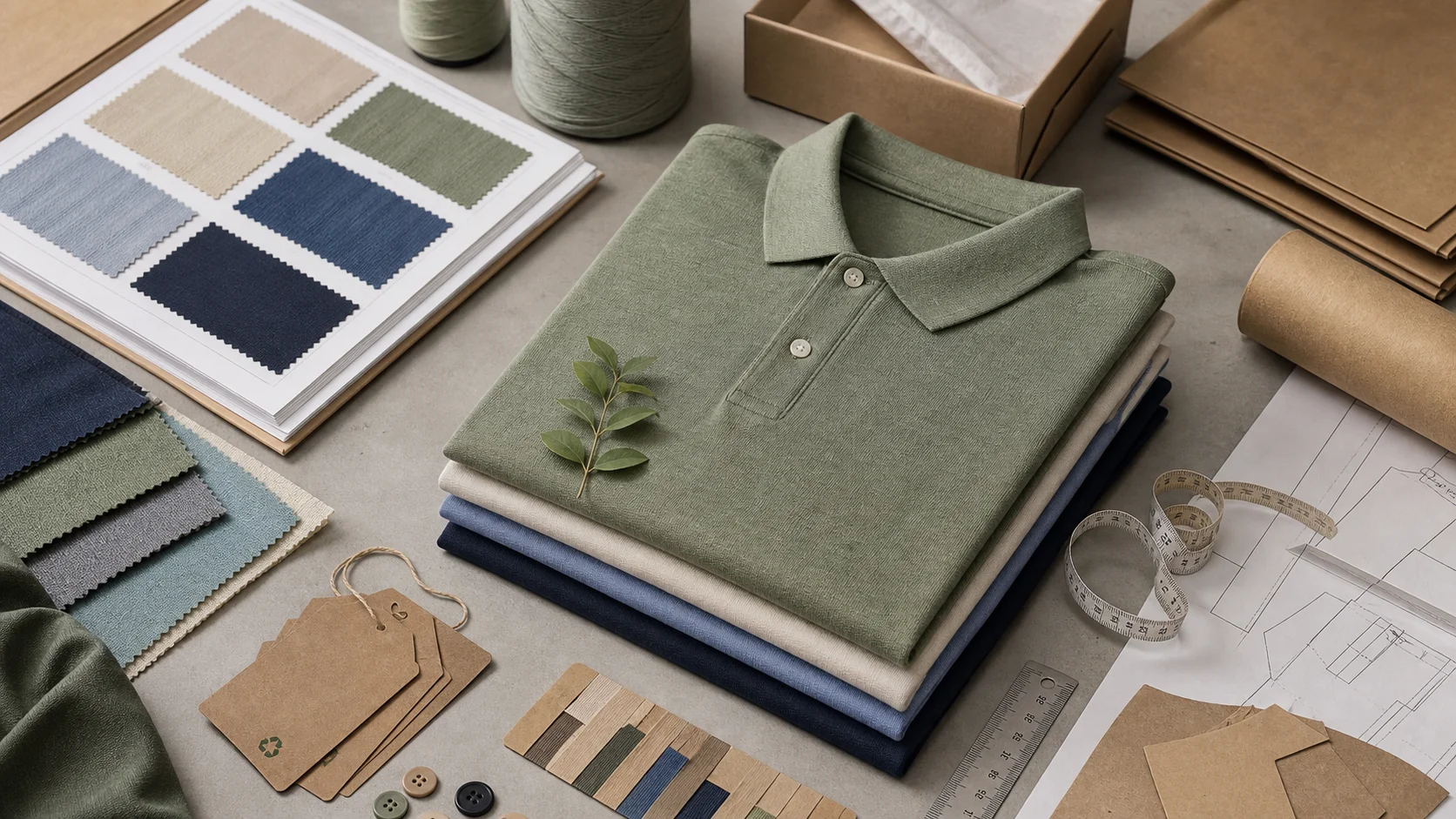
Sustainable Loungewear Sourcing compared by sample evidence, fabric or trim specs, MOQ, AQL terms, cost lines, delivery timing, and rework responsibility.
Fast answer: Sustainable Loungewear Sourcing: Tech Pack, Sample Gate, MOQ, and QC Terms should be judged by production evidence, not by a generic sourcing promise. The buyer needs sample proof, cost breakdowns, QC checkpoints, and delivery buffers in writing.
Ask for recent sample photos, measurement tolerances, fabric or print test assumptions, decoration test notes, packing examples, and a named inspection checkpoint. These details show whether the team can repeat an approved sample at bulk volume.
Separate garment cost, decoration, labels, packaging, sampling, testing, freight, and rush charges. Clear cost lines make it easier to reduce colorways, adjust size depth, or reserve more time for sampling.
As consumer demand shifts toward comfort, versatility, and transparency, loungewear has become one of the most important categories in modern apparel. But for brands, retailers, and private-label buyers, comfort is no longer enough. Today’s customers also expect ethical production, lower environmental impact, and materials that align with their values. That is where sustainable loungewear sourcing becomes essential.
This sustainable loungewear sourcing guide is designed to help brands identify the right materials, factories, certifications, and production practices for ethically made comfort wear. Whether you are building a new loungewear line or improving an existing collection, the sourcing decisions you make will directly affect product quality, brand reputation, and long-term competitiveness.
At Fabrikn, we work with brands seeking reliable apparel manufacturing solutions that balance comfort, sustainability, and scalable production. If you are exploring custom production support, you can learn more about our services or contact us to discuss your project.
Sustainable loungewear is created with reduced environmental and social impact across the full product lifecycle. That means looking beyond soft hand-feel or relaxed silhouettes. A truly sustainable product should account for the raw materials used, the energy and water consumed in processing, worker welfare, waste management, packaging, and durability over time.
In practical terms, sustainable loungewear should aim to do the following:
Because loungewear often includes items like sweatshirts, joggers, shorts, robes, sets, and sleepwear, the category gives brands many opportunities to improve sustainability without sacrificing comfort or style.
Loungewear sits at the intersection of comfort and everyday wear, which means customers often expect it to be both functional and emotionally appealing. Sustainability adds another layer of value. Buyers increasingly want to know where their clothing comes from, who made it, and whether the materials are safe and responsibly sourced.
For brands, sustainable sourcing can offer several advantages:
In short, sustainable sourcing is no longer just a branding choice. It is becoming a competitive necessity.
Fabric selection is one of the most important decisions in sustainable loungewear sourcing. The best material depends on your product category, performance needs, price point, and target audience. A fabric that works for relaxed sleepwear may not be ideal for heavyweight joggers or premium knit sets.
Organic cotton is one of the most common sustainable choices for loungewear. It is grown without synthetic pesticides or genetically modified seeds, which can reduce harm to soil, ecosystems, and farming communities. It is soft, breathable, and widely accepted by consumers.
Best for: T-shirts, sweatshirts, joggers, lounge sets, sleepwear, and robes.
Recycled cotton helps divert textile waste from landfills and reduces demand for virgin fiber. It is often blended with other fibers to improve strength and consistency because recycled cotton can have shorter staple length.
Best for: Casual loungewear, terry items, knit blends, and elevated basics.
Recycled polyester, often made from post-consumer plastic bottles or reclaimed textile waste, can be useful for performance loungewear, brushed fleece, and blended fabrics. It offers durability and wrinkle resistance, though brands should still consider microplastic shedding and end-of-life recyclability.
Best for: Active-lounge hybrids, fleece tops, stretch joggers, and outer layers.
Lyocell and modal are regenerated cellulose fibers known for a smooth hand-feel, breathability, and drape. Tencel is a well-known branded lyocell fiber often associated with more responsible closed-loop production. These fibers are especially popular in premium loungewear and sleepwear.
Best for: Soft sets, elevated sleepwear, relaxed tops, and drapey pants.
Hemp is naturally strong, breathable, and low-input compared to many conventional crops. It can be blended with cotton or lyocell for improved softness and comfort.
Best for: Durable casualwear, relaxed lounge pieces, and eco-conscious collections.
Blends can be practical and sustainable when they are designed intentionally. For example, an organic cotton and recycled polyester fleece may offer a balance of comfort, shape retention, and durability. The key is to ensure each fiber serves a clear purpose rather than using blends without strategic value.
When selecting fabrics, always ask your supplier about fiber origin, yarn content, finishing processes, and fabric certifications.
Finding ethical suppliers is just as important as choosing the right fabric. A supplier may offer sustainable materials on paper, but if their labor practices, quality control, or environmental systems are weak, your brand may still face serious risks.
Ethical suppliers should be willing to share information about factory location, ownership structure, certifications, material sources, and production processes. If a supplier is vague or evasive, that is often a warning sign.
Ask how workers are recruited, trained, paid, and protected. Ethical suppliers should provide safe working conditions, legal wages, and clear labor policies. If possible, request audit reports or third-party verification.
Not every factory is suited to every type of loungewear. Some specialize in knitted garments, while others are stronger in woven sleepwear or premium cut-and-sew products. Make sure the supplier has proven experience with your product category, fabric type, and finishing requirements.
Sampling is one of the most reliable ways to evaluate supplier capability. Pay attention to stitch quality, fit consistency, fabric hand-feel, shrinkage, color accuracy, and overall construction. Sustainable sourcing should not compromise product quality.
A supplier that works well for a startup brand may not be suitable for later growth. Choose a partner that can support your current order volume while also scaling with you as demand increases.
Certifications can help validate environmental and social claims, but they should be understood as part of a broader sourcing strategy rather than the entire strategy.
The Global Organic Textile Standard is one of the most recognized certifications for organic fibers and responsible processing. It covers ecological and social criteria across the supply chain.
This certification indicates that the final textile product has been tested for harmful substances. It is especially useful for brands selling sleepwear, intimate loungewear, and pieces worn close to the skin.
The Global Recycled Standard verifies recycled content and tracks responsible production practices. It is relevant for recycled polyester, recycled cotton, and mixed-material products.
While not a garment certification, FSC may be relevant if your loungewear uses paper-based packaging or hang tags. It supports responsible forest management.
Depending on the factory and region, quality management and social compliance standards can provide added confidence in production consistency and working conditions.
When reviewing certifications, ensure they are current, applicable to the exact material or process, and issued by credible organizations.
Sustainable sourcing is not only about material choice. The way a garment is designed and constructed can significantly affect waste, durability, and customer satisfaction.
Classic silhouettes tend to sell longer and remain relevant across seasons. This helps reduce overproduction risk and increases the wear life of each product.
Pattern layout affects material waste. Experienced manufacturers can improve yield by planning marker efficiency carefully, especially across multiple sizes.
Reinforced seams, high-quality rib trims, stable stitching, and careful finishing all help products last longer. Durability is a core part of sustainability because it reduces replacement frequency.
Small details matter. Consider recycled labels, biodegradable packaging, responsibly sourced zippers, and minimal hang tag usage. Keep decorative elements intentional rather than excessive.
Garments that are easy to care for tend to last longer in real life. Clear care instructions and fabric choices that resist excessive pilling, shrinking, or distortion improve the user experience and reduce product waste.
Before you commit to a production run, ask your supplier the following:
The answers to these questions will reveal whether the supplier can truly support a sustainable program or only offers surface-level claims.
Even experienced brands make mistakes when sourcing loungewear. Avoiding these errors can save time, money, and reputational damage.
A lower unit cost may look attractive, but if the fabric pills quickly, the fit fails, or labor standards are poor, the real cost becomes much higher.
Sustainability does not stop at the cut-and-sew factory. Fiber production, yarn spinning, fabric dyeing, finishing, packaging, and freight all affect impact.
Terms like “eco-friendly,” “natural,” or “clean” are often unregulated and can be misleading. Always ask for documentation.
Testing for shrinkage, colorfastness, pilling, seam strength, and comfort is essential. Sustainable products should still meet performance expectations.
Different buyers value different aspects of sustainability. Some prioritize organic fibers, others want recycled content, and others care most about ethical labor. Know your audience before you source.
A strong sustainable supply chain requires coordination across design, sourcing, production, and logistics. The most successful brands treat sustainability as a system, not a one-time material swap.
Start by defining your priorities. For some brands, the focus may be organic cotton and clean chemistry. For others, it may be recycled content and durability. Once your priorities are clear, align your suppliers around those goals.
Then, build a sourcing framework that includes:
It is also wise to maintain a supplier scorecard that tracks price, quality, reliability, communication, compliance, and sustainability performance. This helps your team make better decisions over time.
If you want to learn more about working with a manufacturing partner that understands sustainable production needs, visit our about us page to explore Fabrikn’s approach.
For many brands, the most efficient path to sustainable loungewear sourcing is partnering with a manufacturer that already understands material selection, compliance documentation, sampling, and production management. A good partner can help you avoid costly trial and error while maintaining your brand standards.
When evaluating a manufacturer, look for:
At Fabrikn, we support B2B apparel brands that need dependable production with an emphasis on fit, consistency, and responsible sourcing. If you are building a custom loungewear line or expanding your sustainable essentials collection, our team can help you evaluate the best production path.
Sustainable loungewear sourcing is about making smarter decisions at every stage of development. From fabric selection and supplier verification to construction quality and packaging, each choice affects the environmental and ethical footprint of your final product. The brands that succeed in this category will be the ones that combine comfort, durability, and transparency in a way that feels authentic to customers.
If you approach sourcing strategically, you can create loungewear that people love to wear and feel good about buying. That is the real opportunity in sustainable fashion: products that perform well, last longer, and reflect values that matter.
To start a conversation about sustainable production options, visit our contact us page.
Get a free quote from Fabrikn — your trusted B2B clothing manufacturer with 10+ years of experience. MOQ as low as 200 pieces.
Get a Free Quote →Sustainable loungewear sourcing is the process of selecting materials, suppliers, and production methods that reduce environmental impact and support ethical labor practices while maintaining comfort and quality.
Common low-impact options include organic cotton, recycled cotton, recycled polyester, Tencel lyocell, modal, and hemp. The best choice depends on your product type and target customer.
Look for transparency, certifications, labor compliance, quality control, and willingness to share documentation. Ethical suppliers should be clear about where and how products are made.
Certifications are not the only indicator of sustainability, but they can provide valuable third-party verification for fiber content, chemical safety, recycled materials, and responsible processing.
Yes, especially when materials, design, and production are planned strategically. Sustainable products may have a slightly higher upfront cost, but better quality and longer wear life can create stronger value for brands and consumers.
Start by defining your sustainability goals, selecting the right fabrics, identifying compliant suppliers, requesting samples, and confirming documentation. Working with an experienced manufacturing partner can make the process more efficient.