
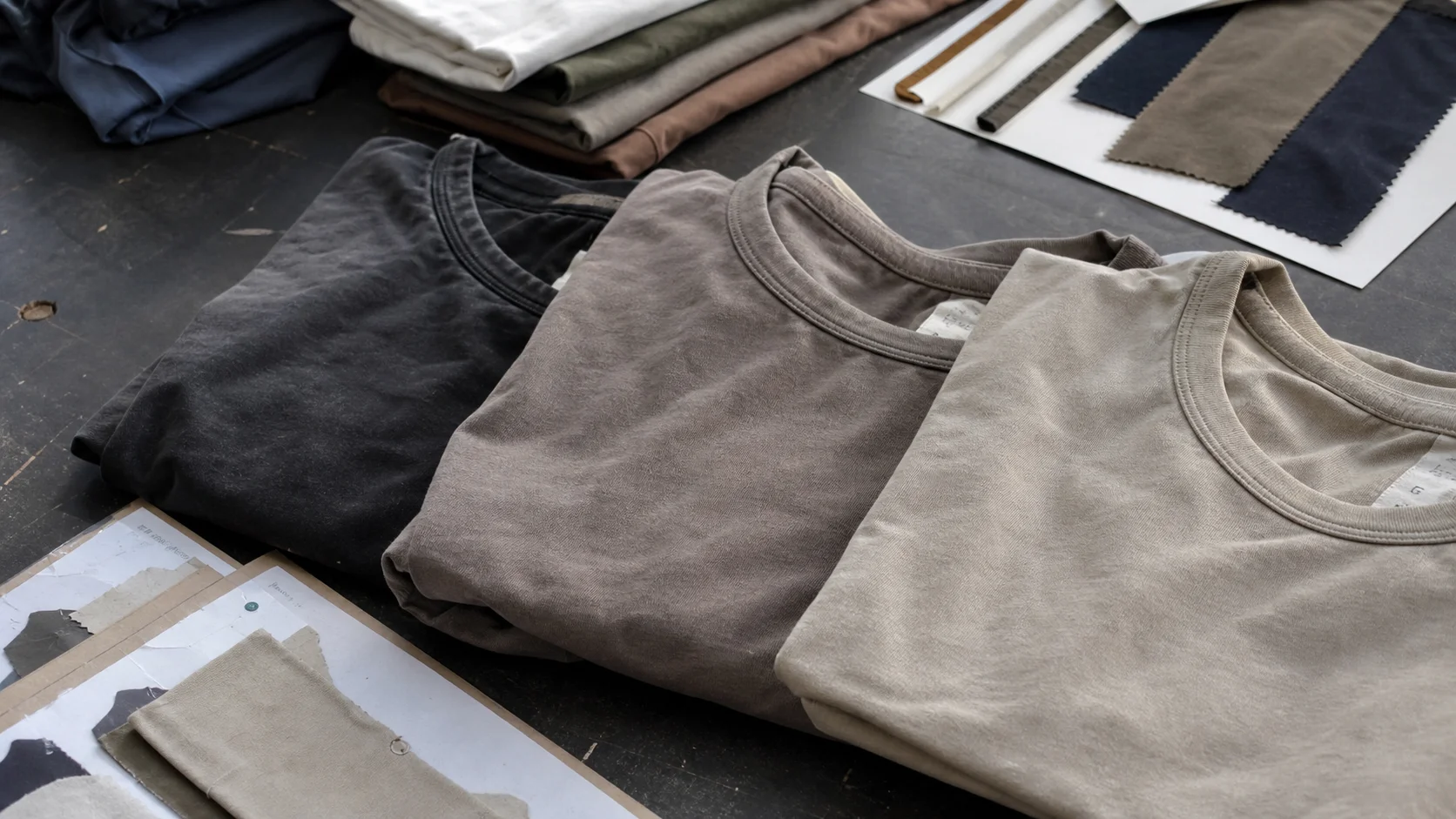
A buyer-focused outline for evaluating recycled, low-impact safety vest fabrics, from visibility performance and abrasion resistance to wash durability,...
Sustainable Safety Vest Fabric Testing Buyers Need - Fabrikn production reference
Logistics buyers sourcing sustainable safety vests have a narrow brief: the garment must be visible, durable, comfortable enough for long shifts, and backed by fabric testing that supports both compliance and procurement discipline. That combination is harder than it sounds. A vest can look correct in a sales sample and still fail on colorfastness, tear strength, shrinkage, reflective performance, or wash durability. A sustainability claim adds another layer, because recycled or lower-impact materials still need to meet the same practical standards as conventional fabric.
For buyers, the right approach is not to chase the greenest headline claim. It is to specify a fabric system that can survive warehouse work, loading dock exposure, repeated laundering, and seasonal weather while meeting the visibility standard your market requires. The safest purchasing decision is usually the one that balances verified materials, controlled finishing, and a test package tied to the end use.
For sourcing support and production alignment, see Fabrikn services and contact options.
Safety vests are often treated as simple items, but logistics buyers know they carry more risk than the price suggests. These garments are worn in motion, around vehicles, and in rough handling environments. When fabric fails, the issue is not only product return. It can affect site compliance, worker comfort, and brand credibility with contractors or distributors.
Fabric testing gives procurement teams a way to separate marketing language from measurable performance. It also reduces disputes between buyer, supplier, and inspector. If a supplier cannot define the fabric composition, reflective tape standard, wash cycle expectations, and minimum performance thresholds, the order should be treated as unfinished. Sustainability does not reduce the need for technical control; it raises it.
Sustainable safety vests are usually built from recycled polyester, solution-dyed yarns, lower-impact dyes, or fabrics with documented chemical compliance. Some programs also use bio-based blends or fabrics produced with reduced water and energy inputs. The practical point is simple: the sustainability claim must be linked to a material specification and a certification or test report that can be checked.
Buyers should separate three layers:
A vest made from recycled polyester may still underperform if the knit structure is weak or the dye system fades quickly. A lower-impact finish is useful only if it does not reduce fluorescence, print adhesion, or tape bonding. Sustainability should be treated as a qualification layer, not a substitute for testing.
The most useful test package for logistics buyers is one that covers basic mechanical performance, appearance retention, and wear durability. The exact standard may vary by region and end-use requirement, but the supplier should be able to provide recent third-party or in-house lab results tied to the production fabric.
Test Area Why It Matters Typical Buyer Focus Fiber content verification Confirms recycled or blended material claims Match between label claim and actual composition Basis weight / GSM Predicts hand feel, opacity, and durability Consistency across production lots Tensile and tear strength Measures resistance to ripping under stress Shoulder seams, closures, and body panels Colorfastness to wash and light Protects visibility and appearance over time Fading after repeated laundering or UV exposure Dimensional stability / shrinkage Maintains fit and panel alignment after wash Size tolerance after care cycles Abrasion resistance Supports warehouse wear and repeated friction Surface pilling, yarn loss, and wear-through Air permeability Affects wearer comfort in hot environments Breathability for long shifts Chemical compliance Reduces restricted substance risk REACH, CPSIA, or buyer-specific restricted substances listsBuyers often overfocus on a single number, such as GSM. That is a mistake. A heavier fabric may feel more substantial, but it can also run hotter and cost more without delivering better performance. In safety apparel, the best fabric is the one that meets the required visibility, survives handling, and keeps the garment usable after repeated wash cycles.
Visibility is the core function, so fabric testing must support the color and reflective system, not just the base cloth. The shell fabric should maintain its fluorescent appearance within the relevant standard, and the reflective tape should retain brightness after washing, flexing, and abrasion. Buyers should ask for test evidence showing the exact color specification, wash cycle count, and the standard used for certification.
For logistics company buyers, the main risk is buying a sustainable fabric that looks right in the sample room but loses performance after use. A recycled yarn content claim does not protect you if the material starts dulling early. Request proof that the dyed fabric and applied tape system are compatible. If the supplier uses heat transfer graphics or printed branding, those elements should also be checked for wash adhesion and cracking.
One practical judgment: if the vest will be used outdoors, through mixed weather, or in low-light operation, do not trim the compliance budget too tightly. The lowest-cost fabric may pass a first inspection and still create replacement costs later. Paying slightly more for stable color and stronger finishing is often the better procurement decision.
Fabric testing is only part of the job. A vest can fail because of cheap trim, weak stitching, or careless seam layout. Buyers should treat trims as technical inputs, not decoration. That includes zippers, hook-and-loop, snaps, binding, label stock, and reflective tape adhesive or stitch construction.
Construction quality matters because some sustainable fabrics are less forgiving than legacy materials. Recycled yarns can perform well, but consistency depends on fiber quality and spinning control. If the vest includes mesh sections for airflow, the pattern should be reviewed carefully. Loose structures improve comfort, yet they can reduce tear resistance and shorten garment life.
A disciplined approval process prevents most sourcing mistakes. Do not approve from a sales image alone. The correct workflow usually starts with a fabric swatch or lab dip, then a proto sample, then a size or pre-production sample with final trims and print placements, then test confirmation before bulk release.
Typical approval steps look like this:
This sequence matters because some issues appear only after the fabric is cut and sewn. Heat-sealed tape can react differently on a stitched panel than on a flat swatch. Printing can also shift after washing. A buyer who skips the pre-production stage usually ends up paying for corrections in the bulk order.
For sustainable safety vests, MOQ depends on fabric type, color, print complexity, and whether the supplier holds greige stock or needs a custom dye run. Typical factory MOQs can range from 500 to 3,000 pieces per style and color, with some programs higher if special recycled yarns, custom tape, or private-label trims are involved. Lower MOQ often means higher unit cost and less flexibility on shade or trim customization.
Lead times depend on material availability more than sewing time. A straightforward vest with stocked fabric may move in 30 to 45 days after sample approval. A custom recycled fabric, special dye lot, or test-heavy program can extend to 60 to 90 days, especially if lab work or shade correction is needed. Buyers should not promise aggressive delivery dates until fabric is confirmed in hand or under firm reservation.
The main tradeoff is between sustainability specificity and supply stability. A highly specified recycled fabric with strong documentation may be worth the longer lead time if the buyer values traceability and repeatability. A broader generic spec may be faster, but it also leaves more room for variation from batch to batch. For logistics programs that reorder regularly, repeatability usually matters more than one-time savings.
Inspection should focus on what can break the garment in service, not only on cosmetic defects. Common risks include shade variation between panels, weak seam stitching, reflective tape misalignment, inconsistent sizing, and poor wash performance. For sustainable fabric programs, there is also the risk of claim drift, where the bulk fabric no longer matches the approved recycled content or documented finish.
Buyers should watch for these specific issues:
A pre-shipment inspection is useful, but it should not replace fabric testing. If the buyer discovers a failure at final inspection, the order is already late. The better move is to lock critical specs early and require test reports on the actual production lot when the risk profile is high.
The cleanest sourcing strategy is to write the vest around use case, not just sustainability language. Define who will wear it, how often it will be washed, whether it will be used indoors or outdoors, and what visibility level is expected. Then attach fabric and trim requirements to that use case. That gives suppliers a real target and gives the buyer something measurable to enforce.
Working with a supplier that can support development, compliance documentation, and production coordination reduces friction. Review the company profile on about us before committing, then verify service scope and communication channels through services and contact us. Those pages should help buyers judge whether the supplier is set up for technical apparel programs rather than only simple cut-and-sew orders.
One practical rule holds across most programs: ask for evidence before volume. A sustainable safety vest that looks compliant in a sample room but lacks test support is not a finished procurement decision. The best purchase is the one that can survive audit, wear, and reorder pressure without constant correction.
Get a free quote from Fabrikn — your trusted B2B clothing manufacturer with 10+ years of experience. MOQ as low as 200 pieces.
Get a Free Quote →Recycled polyester is the most common starting point because it balances durability, printability, and supply availability. The best option depends on the required standard, climate, and wash frequency. Fabric choice should be confirmed with test data, not just content claims.
At minimum, request fiber composition, GSM, tear strength, tensile strength, shrinkage, colorfastness, abrasion resistance, and chemical compliance. If the vest includes reflective tape or print, request wash durability and adhesion testing as well.
Typical MOQ often falls between 500 and 3,000 pieces per style and color. Recycled yarn programs, special dye lots, and custom trims can push MOQs higher. Suppliers with stock fabric may offer lower minimums.
For simple programs, 30 to 45 days after sample approval is common. Custom recycled fabric, special finishing, or extra testing can extend lead time to 60 to 90 days. Fabric availability is usually the main driver.
Color and reflective performance drift are major risks, especially when the buyer relies on a sample that is not matched in bulk. Poor stitching, tape failure, and inconsistent sizing are also common causes of rejection.
Yes, but the fabric, dye system, and reflective components must all be specified and tested together. Sustainability does not lower the visibility requirement. It only changes the material and process choices used to get there.