
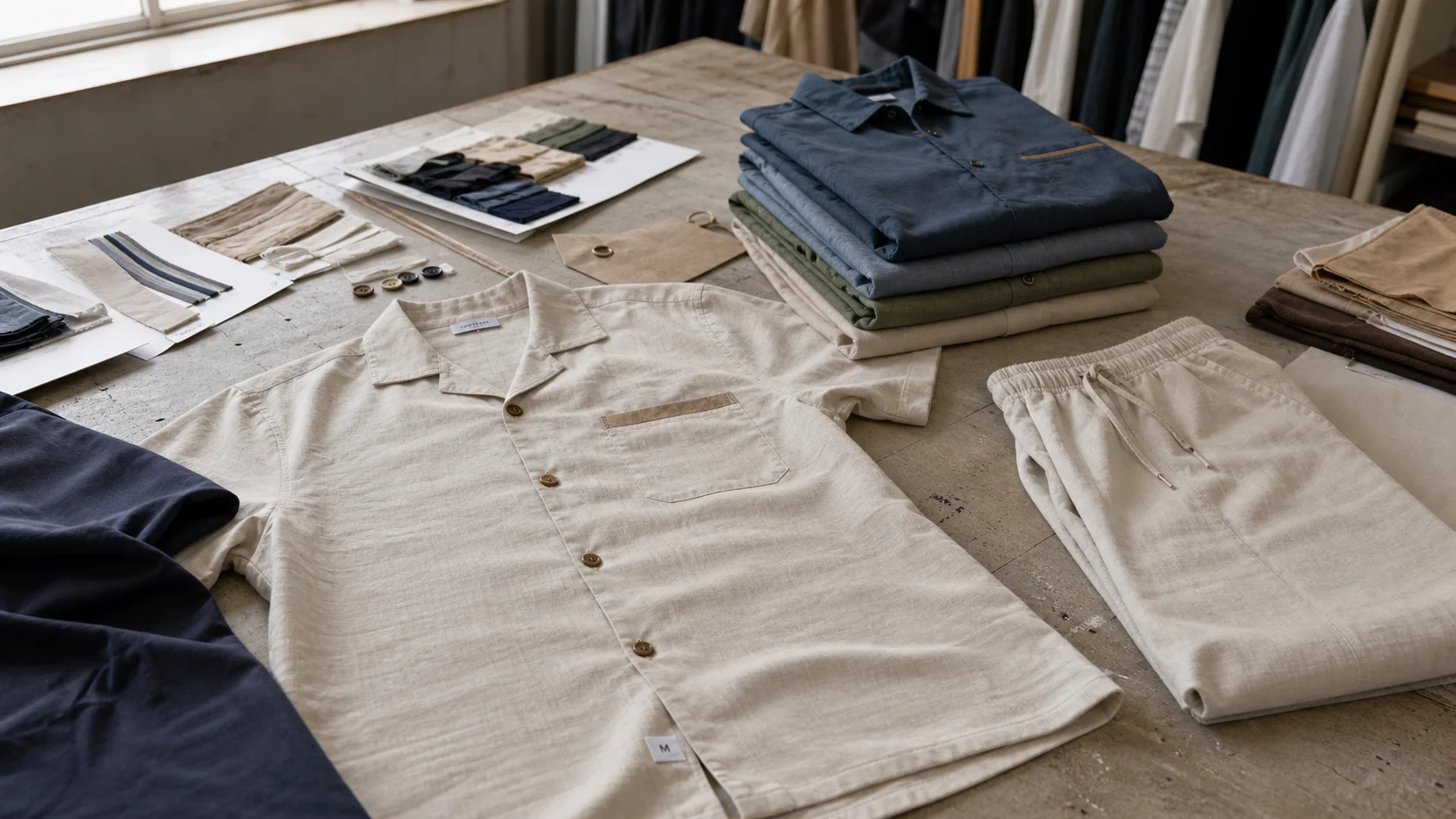
A practical outline for resort uniform buyers evaluating team tracksuit suppliers, focusing on reorder consistency, fabric match risk, lead times, and cost...
For resort uniform buyers, a team tracksuit reorder is never just a repeat purchase. The first order may be straightforward, but the second and third orders often expose the real sourcing risks: fabric shade drift, trim changes, sizing inconsistency, longer factory lead times, and minimum order pressure that does not match actual staff turnover. A well-run reorder review helps protect brand consistency, keep replacement stock available, and avoid last-minute scrambling before peak season.
This article looks at the practical side of team tracksuit supplier reorder risk review for resort uniform buyers. It focuses on MOQ planning, cost control, sample approval, and the common points where a supplier’s repeat order performance can break down. For sourcing teams managing hospitality uniforms, sportswear-style sets, or staff leisurewear, these details matter as much as the original design.
Team Tracksuit Reorder Risk Review for Resorts - Fabrikn production reference
Resorts often rely on team tracksuits for several use cases: staff travel wear, housekeeping outerwear, activity teams, casual front-of-house uniforms, and seasonal promotional sets. These items need to look coordinated across departments, but they also need to be practical to launder, comfortable in heat, and stable in supply.
The first order usually gets the most attention. Buyers check the fit, approve the colors, and confirm decoration. The reorder stage is where sourcing discipline gets tested. A supplier may no longer have the same fabric in stock. A rib trim can be reformulated. Pant lengths can shift. The logo print method may change if the original transfer paper or embroidery thread has been replaced. These are small changes individually, yet they can create a visible mismatch across a resort team.
For hospitality buyers, reorder risk affects more than appearance. Late deliveries can force emergency local purchases, which tend to be more expensive and inconsistent. Poor size continuity creates dead stock in some sizes and shortages in others. Weak control over repeat production also makes budget planning harder, especially for properties that refresh uniforms once or twice a year.
A repeat order should be treated as a controlled production run, not a routine purchase. If the supplier cannot reproduce the original garment with the same materials and measurements, the sourcing team should treat that as a specification issue, not just a buying inconvenience.
Resort buyers are often surprised by how many variables can shift on a repeat tracksuit order. Some changes are intentional, such as an updated logo or a revised fit. Others happen quietly during production and only show up after delivery.
Fabric is the first area to review. A polyester knit, brushed fleece, interlock, or performance blend may look similar from one bulk lot to the next, yet the hand feel, shrinkage behavior, and color depth can differ. If the original order used a specific GSM and finish, that information should be preserved in a tech pack or repeat-order file. Without it, the factory may source the nearest available substitute.
Shade variation is a major reorder risk, especially for navy, charcoal, black, and resort-branded colors. Even when the same Pantone reference is shared, the dye lot can produce visible differences under sunlight, indoor lighting, and wet conditions. For resort uniforms, the problem is more visible because staff often work outdoors and move between pool areas, lobbies, and shaded spaces.
Zippers, drawcord tips, rib cuffs, labels, pocketing, and print transfers can all vary on reorder. A supplier may switch from one zipper brand to another if the original component is unavailable. That can affect both appearance and durability. Small trim substitutions can also affect approval if the resort has a strict brand presentation policy.
Repeat orders can suffer from pattern drift if the supplier did not keep the original graded patterns properly. A half-inch change in chest width or inseam length may not sound serious, but it becomes obvious when one batch is worn next to the previous batch. For teamwear, consistency matters more than fashion-forward variation.
If the tracksuit carries embroidery, heat transfer, screen print, or woven branding, repeat orders should confirm the exact size, stitch density, placement, and color sequence. A redesign of the decoration file can create a subtle but noticeable mismatch. Buyers should avoid assuming that “same artwork” means same output.
MOQ is one of the most practical issues in reorder management. Many resort buyers want small, flexible repeat quantities because uniform demand changes with seasonality, staff turnover, and department expansion. Suppliers, especially garment factories, often prefer higher minimums to keep cutting, dyeing, and decoration efficient.
Typical MOQ ranges for team tracksuits vary by factory setup and product type. As a broad sourcing guide, a basic knit or fleece tracksuit may start around 100 to 300 sets per colorway if the fabric is stock-supported. Custom fabric, special trims, or complex decoration can push the MOQ higher, often 300 to 500 sets or more. For highly customized resort programs, the minimum may be driven by fabric dye lot minimums rather than sewing capacity.
Buyers should not treat MOQ as a simple yes-or-no issue. The more useful question is: what portion of the order is actually fixed by material minimums, and what portion is flexible by size ratio or color split? A supplier with good planning discipline can sometimes reduce reorder pressure by carrying greige fabric stock, standard zippers, or pre-approved labels.
There are three common reorder strategies for resort uniforms:
The best sourcing decision depends on how often uniforms are replaced. Resorts with high staff turnover or frequent activity-team use usually benefit from planned reorder windows rather than ad hoc buying. This helps the supplier reserve materials and avoids emergency cost increases.
Repeat orders are not always cheaper than the original order. In some cases, a reorder costs more because the supplier must reopen old patterns, recreate decoration files, source discontinued trims, or restart a small production run without the benefit of scale.
Key cost drivers include:
Cost reviews should also include hidden reorder expenses. Freight rates can move. Customs clearance requirements can change. Testing may need to be repeated if the factory uses a new fabric lot or if the buyer requests updated compliance documentation. If the resort has multiple locations, inter-branch distribution costs should be included in the landed cost calculation.
A disciplined buyer will compare the new quote against the original approved costing sheet and ask what has changed. If the supplier cannot explain the difference in fabric price, trim cost, or labor content, the buyer should not assume the increase is justified.
For sourcing teams looking to structure a more efficient uniform program, it can help to review the supplier’s broader service scope. See Fabrikn services for a better sense of how development, sampling, and production support can be organized. For direct sourcing inquiries, the contact page is the usual place to start. Buyers who want to understand supplier capability before sending an RFQ can also review the about page.
A reorder should begin with paperwork, not production. The strongest teams keep a sample approval trail so the factory is not relying on memory or informal photos.
The buyer should locate the approved pre-production sample, size set, strike-off, or sealed reference garment from the first order. If the sample is unavailable, the team should use a detailed spec sheet and visual reference images. Relying on an old email thread is risky.
Some resorts want an exact repeat. Others allow small improvements such as stronger zippers, softer fabric, or a more accurate fit. That decision needs to be made before the supplier quotes the reorder. If changes are allowed, they should be listed clearly so the updated garment does not become a new style by accident.
If the reorder uses new fabric dye lots or alternate trims, the buyer should request matching references before bulk production. For printed or embroidered branding, a fresh artwork proof may be needed. This step saves cost later, because correcting a bulk mismatch is far more expensive than rejecting a poor pre-production sample.
Tracksuits can look simple, but fit issues are common. If the resort uses the garment for public-facing staff, the fit line should be checked on a size range, not only on a single sample size. Sleeve length, cuff opening, shoulder balance, rise, and pant taper all influence how professional the uniform looks in service.
A good reorder file should include approved photos, measurements, fabric specs, trim details, and decoration placement. This file becomes the baseline for the next reorder and reduces disputes about what was originally agreed.
Lead time on reorder programs depends on more than sewing capacity. The buyer should look at the full chain: fabric booking, lab dip approval, trim sourcing, sample sign-off, cutting, stitching, finishing, packing, and shipment.
Typical repeat-order lead times can range from two to six weeks for simpler stock-supported tracksuits, and longer when custom fabric or specialized decoration is involved. If material has to be dyed or knitted from scratch, the timeline can extend significantly. Peak season orders often take longer because factories are balancing multiple buyer programs at once.
For resort buyers, the planning question is not only “How long will production take?” It is also “What can delay production even if the supplier is responsive?” Common bottlenecks include:
Late approvals from the resort side are often underestimated. If the buyer wants a fast reorder, internal sign-off procedures need to be simplified. A slow approval chain can cancel out the benefit of choosing a capable supplier.
The safest reorder program is built on a specification sheet detailed enough that a different merchandiser could follow it without guessing. For team tracksuits, the buyer should lock down the following:
Spec area What should be recorded Why it matters Fabric content Fiber composition, knit type, GSM, finish Controls hand feel, warmth, durability, and appearance Color standard Pantone reference, shade band, approved sample photo Reduces visible drift between batches Fit measurements Chest, body length, sleeve length, waist, rise, inseam Preserves size consistency across repeat orders Trim specification Zipper brand, cord type, rib quality, label type, thread color Prevents silent substitutions Decoration details Method, placement, size, artwork file version, thread or print colors Ensures brand identity stays consistent Packing instructions Fold method, size stickers, barcode labels, carton mix Supports resort distribution and inventory controlFabric selection deserves special attention in resort environments. Hot climates, poolside service, and frequent washing place extra stress on the garment. A lightweight polyester knit may dry quickly, but it may also snag or show shine. A brushed fleece may feel better in cooler evenings, yet it may be too warm for daytime staff in tropical locations. Buyers should weigh comfort against wash performance, not just appearance.
Repeat orders can fail quality control even when the first order was acceptable. That usually happens because the factory assumes the previous approval is enough and does not re-check the details with the same discipline.
Main inspection risks include:
Buyers should decide in advance what the acceptable tolerance is for a repeat order. If the resort has a strict brand standard, the inspection criteria should be tighter. If the tracksuit is mainly functional and not guest-facing, there may be room for more flexible tolerances. Either way, the standard should be written down.
Inspection timing matters too. If the buyer only checks finished goods after packing, there is little chance to correct a systemic issue. A better approach is to inspect fabric shade and first-off samples before bulk completion, then complete a final audit before shipment. If the order is large, a mid-line check can catch problems early.
The cheapest reorder is not the one with the lowest unit price. It is the one that arrives on time, matches the approved sample, and does not create replacement cost or staff complaints.
Not every supplier that can produce a good first order is reliable for repeat business. Resort buyers should review the supplier on several points before committing to a reorder program.
A reorder-safe supplier should be comfortable discussing risk before the PO is issued. That includes warning the buyer when a fabric is discontinued, when a trim needs replacement, or when a tiny reorder quantity will cost more than expected. Clear caution is a positive sign. Overconfident pricing with vague assumptions is not.
For resort uniform buyers, the smartest strategy is usually a hybrid one. Keep a core tracksuit style stable for repeat use, but build enough flexibility into the sourcing plan to absorb seasonal demand swings. This may mean holding a small buffer stock of the most used sizes, keeping spare labels and trims, or negotiating a recurring production window with the supplier.
It also helps to separate design changes from replenishment orders. If the resort wants to update the logo, color, or fit, that should be treated as a new development cycle. Mixing redesign and reorder in one PO creates more room for error and makes it harder to compare unit prices accurately.
Buyers should also pay attention to file discipline. A solid reorder record can save a great deal of time. Keep one master folder with the approved sample photos, measurement sheet, fabric details, trim references, decoration artwork, and packing instructions. The team that handles procurement, operations, and branding should all be able to access it.
If the supplier relationship is still being evaluated, a smaller test reorder can be a sensible move. That reduces exposure if the factory’s repeat consistency is not yet proven. Once the supplier demonstrates control over materials, sizing, and shipment timing, the buyer can scale the order with more confidence.
Get a free quote from Fabrikn — your trusted B2B clothing manufacturer with 10+ years of experience. MOQ as low as 200 pieces.
Get a Free Quote →The biggest risk is inconsistency between the original approved sample and the repeat production. That can involve fabric shade, trim changes, sizing drift, or decoration mismatch.
MOQ varies by factory and material setup. A typical range for simpler styles may start around 100 to 300 sets, while custom fabric or special trims can push the minimum higher.
It is possible, but not advisable. A repeat order should still be checked against the original approved reference, especially if any materials or trims may have changed.
For stock-supported styles, repeat lead times are often around two to six weeks. Custom fabric, new decoration, or delayed approvals can extend that timeline.
Keep the fabric composition and GSM, color reference, size measurements, trim details, decoration artwork, and packing instructions. These records reduce confusion and help prevent repeat-production mistakes.
Often yes, but not always. Reorders can become more expensive if the original fabric is unavailable, if the MOQ is low, or if the factory needs to restart a small production run.
For resort buyers, the best reorder policy is the one that protects consistency without creating unnecessary inventory risk. Clear specs, early approvals, and a realistic read on MOQ and lead time will usually save more money than chasing the lowest first quote.