
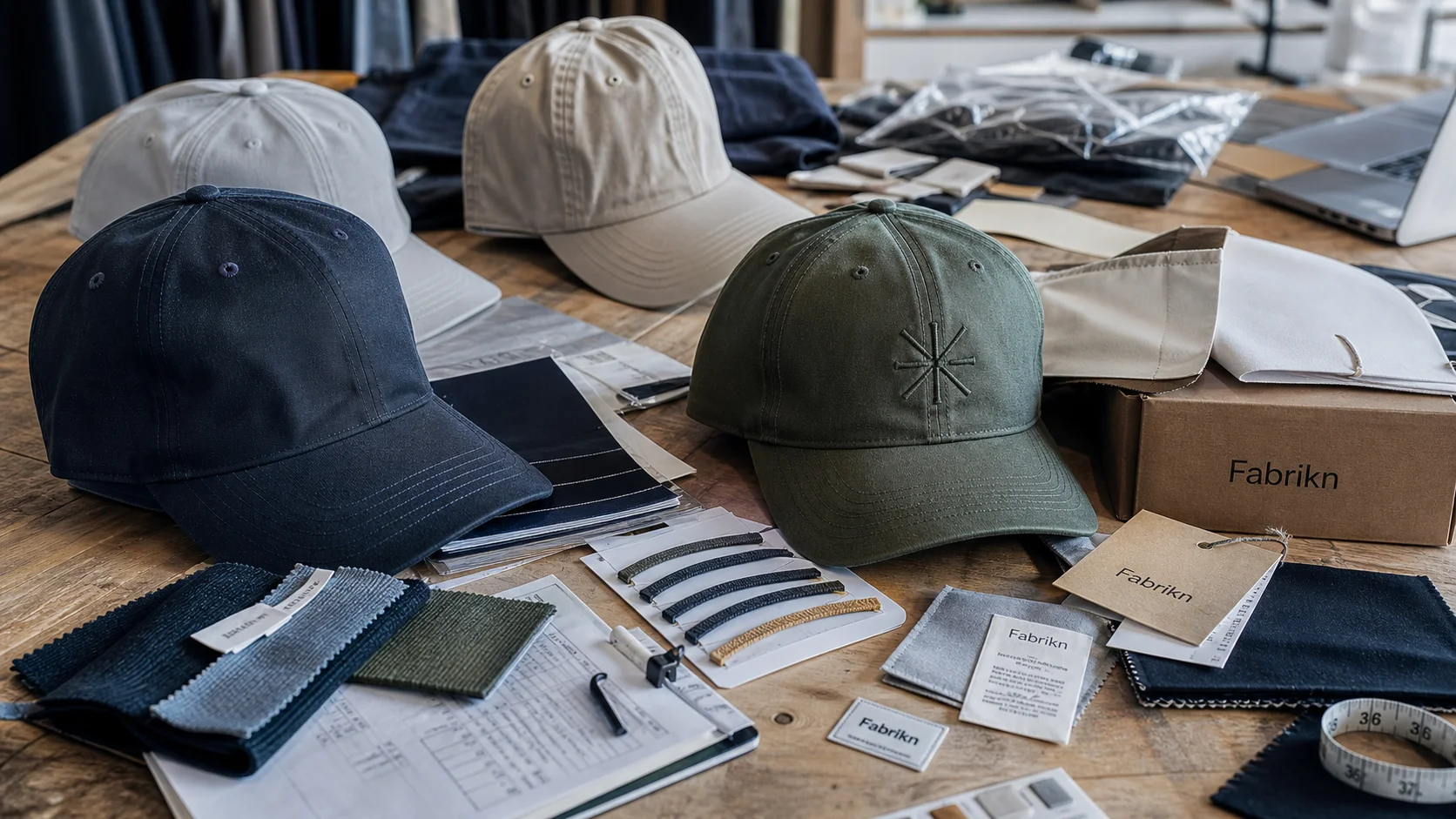
ODM in Apparel Manufacturing with checks for samples, fit, MOQ, QC evidence, pricing terms, and delivery risk.
Fast answer: ODM in Apparel Manufacturing: Samples, MOQ, QC, and Lead Time should be judged by production evidence, not by a generic sourcing promise. The buyer needs sample proof, cost breakdowns, QC checkpoints, and delivery buffers in writing.
Ask for recent sample photos, measurement tolerances, fabric or print test assumptions, decoration test notes, packing examples, and a named inspection checkpoint. These details show whether the team can repeat an approved sample at bulk volume.
Separate garment cost, decoration, labels, packaging, sampling, testing, freight, and rush charges. When every cost line is visible, it becomes easier to reduce colorways, adjust size depth, or reserve more time for sampling.
Original Design Manufacturer (ODM) services have grown substantially in the apparel sector, enabling brands to bring products to market more efficiently while reducing time, cost, and design workload. For clothing companies ranging from startups to established retailers, partnering with an ODM can transform product development from a difficult hurdle into a strategic strength. In this practical review, we explore what ODM means in apparel manufacturing, how it differs from other production models, and how to maximize this approach for your brand’s success.
Clothing manufacturers like Fabrikn offer ODM solutions designed to deliver both creative and logistical excellence. These services encompass everything from design conception to full-scale production, allowing brands to capitalize on pre-existing expertise, technical infrastructure, and market insight. Understanding the full scope of ODM is critical for businesses seeking to deliver quality garments with minimal friction.
An ODM partnership in apparel manufacturing involves multiple integrated components that together ensure a reliable, high-performing production pipeline. While specifics can vary by provider, several foundational elements are consistent across leading clothing manufacturers. Each component plays a role in translating brand vision into tangible garments.
At the heart of ODM manufacturing lies design intelligence. Unlike pure manufacturing models, ODM partners actively participate in creating the design concept. This includes sourcing inspiration, developing illustrations or digital prototypes, selecting fabrics, and advising on trims and embellishments. An experienced ODM team brings trend analysis, technical expertise, and creative direction, enabling brands to offer innovative products without employing an entire in-house design staff.
Material sourcing is another critical function. ODM apparel manufacturers leverage extensive supplier networks to procure quality fabrics, trims, and hardware. They have established relationships with mills, dye houses, and accessory suppliers across the globe, enabling them to secure the right materials at competitive prices. This not only ensures consistency but also allows brands to explore sustainable and premium options with expert guidance.
The prototyping stage tests the feasibility of design concepts. ODM partners manage pattern making, grading, and fit trials, delivering samples that align with brand standards. These samples act as blueprints for large-scale production, allowing brands to make informed decisions prior to committing to full runs. High-quality prototyping reduces the risk of costly revisions later in the process.
ODM services cover the complete production lifecycle, from cutting and sewing to finishing. Production management includes quality control, capacity planning, scheduling, and compliance monitoring. This holistic oversight ensures that garments are manufactured on time, meet technical specifications, and adhere to regulatory standards. Fabrikn, for instance, integrates advanced production planning systems to keep every phase transparent for clients.
Delivering finished apparel efficiently is essential. ODM providers coordinate logistics, packaging, and global shipping, taking on the burden of managing freight forwarders and customs requirements. By handling these operational complexities, the brand can focus on sales, marketing, and retail distribution.
The best ODM relationships involve ongoing feedback loops. Providers continuously improve based on performance metrics, consumer feedback, and evolving brand goals. This level of collaboration ensures the partnership remains dynamic and aligned with shifting markets.
Understanding ODM requires familiarity with its process stages. A well-defined workflow ensures transparency, minimizes delays, and maximizes the quality of the final product.
Every ODM engagement begins with a discovery session. The clothing brand outlines its goals, target audience, budget, desired price points, and brand identity. The manufacturer reviews this brief and proposes tailored solutions, often including mood boards, trend research, and material suggestions. This collaborative dialogue sets expectations and aligns strategic direction.
In the design phase, the ODM team creates detailed tech packs, which include sketches, technical drawings, measurements, and construction notes. These tech packs serve as the roadmap for sourcing and manufacturing. They include specifications for fabrics, trims, hardware, and washing instructions. High-quality tech packs are crucial to maintaining consistency and ensuring precise garment reproduction.
Samples are manufactured to test how the design translates into a physical product. Brands review these samples in fittings or virtual meetings, providing feedback that might result in adjustments to fit, fabric, or finishing touches. This iterative approach reduces the risk of costly mistakes in bulk production.
Once samples are approved, the ODM partner moves into production planning. This includes scheduling, budgeting, and procuring materials. Some manufacturers maintain fabric libraries or monitor inventory levels to ensure critical materials are available when needed. Production planning also involves allocating resources, confirming factory capacity, and establishing quality checkpoints.
During the manufacturing phase, garments are cut, sewn, finished, and packed according to specifications. ODM providers implement stringent quality control procedures at each stage to maintain standardization. Many utilize advanced production tracking systems that allow clients to monitor progress in real time, ensuring transparency and timely responses to any issues.
With garments completed, the ODM firm oversees labeling, packaging, and shipping. They prepare documents for customs clearance, manage inventory warehousing, and coordinate distribution channels. This end-to-end support gives brands peace of mind that their inventory will reach retail stores, fulfillment centers, or direct-to-consumer operations efficiently.
Post-production, ODM manufacturers still play a role. They often gather feedback, monitor product performance, and assist with reorders or collection revisions. This long-term partnership ensures future lines can be developed faster, leveraging insights gained from previous launches.
ODM offers numerous benefits for clothing brands looking to scale strategically. By leveraging complete design and manufacturing expertise, companies can focus on marketing, brand building, and customer engagement.
ODM suppliers are equipped with ready-to-implement systems and designs. This reduces the time from concept to consumer, enabling brands to react quickly to trends or seasonal shifts. Accelerated development cycles are particularly valuable in fast fashion and athleisure sectors.
Brands save on investment required for design teams, pattern makers, and production infrastructure. ODM manufacturers spread these costs across multiple projects while still offering customization. Economies of scale lower per-unit expenses, especially for medium and high-volume orders.
Apparel companies gain access to skilled design and technical staff without hiring full-time employees. ODM teams possess in-depth knowledge of fabrics, construction, fit, and compliance, ensuring garments not only look good but also perform well through wear, washing, and shipping.
Trusted ODM partners maintain quality standards across each production batch. With robust inspection protocols and certifications, they minimize defects and returns. Brands can monitor compliance, sustainability, and ethical production practices in partnership with their ODM supplier.
While designs may be based on templates or existing intellectual property, ODM services remain highly customizable. Brands can modify patterns, colors, prints, and silhouettes to align with their identity. Some manufacturers also support collaborative innovation labs, merging the best of both parties’ creativity.
As demand grows, ODM partners can scale production quickly. They manage supplier relationships, labor, and capacity, ensuring order fulfillment regardless of complexity. This scalability removes the stress of expanding manufacturing footprint while preserving garment quality.
When evaluating manufacturing models, brands often weigh options between ODM, Original Equipment Manufacturer (OEM), and Cut-Make-Trim (CMT). Each approach has unique characteristics.
With ODM, the manufacturer takes the lead on design and development. Brands benefit from ready-to-launch collections shaped by the factory’s expertise. ODM is ideal for companies wanting comprehensive solutions without investing in internal design and R&D departments.
OEM focuses on producing goods based on the brand’s designs. Materials, patterns, and specifications come from the client, while the OEM facility executes manufacturing. This model suits established brands with in-house design teams needing reliable production partners.
CMT is the most hands-on model, where the factory only cuts fabrics, assembles, and trims garments. Sourcing, design, and pattern making are all handled by the brand. CMT allows maximum control but requires significant infrastructure and resources.
Understanding these distinctions allows brands to choose the precise level of support they need. Many businesses combine models, using ODM services for selective collections while managing other lines through OEM or CMT relationships.
Picking the ideal ODM manufacturer is vital for long-term success. Consider the following criteria when evaluating potential partners:
Fabrikn’s services page outlines how our team delivers tailored ODM strategies, combining deep apparel insight with efficient communication channels. Brands who partner with us gain a collaborative partner invested in mutual growth.
The apparel industry is constantly evolving, and leading ODM partners stay ahead by embracing trends and technologies that improve the customer experience and operational velocity.
3D design, virtual sampling, and augmented reality tools reduce physical sample development time. Many ODM firms now integrate digital product creation (DPC) into their workflows, allowing brands to review garments in stunning detail before committing to production.
Consumers expect eco-friendly apparel. ODM providers who offer access to recycled fibers, organic textiles, and low-impact dyes help brands minimize their environmental footprint. Circular design initiatives, such as take-back programs or modular garments, also gain traction.
Flexible manufacturing systems respond to market volatility. These include modular production lines, quick-change tooling, and data-driven forecasting. Adaptive manufacturing ensures ODM partners can honor urgent reorders and maintain agility.
High-tech inspection methods—like AI-powered defect detection or IoT-enabled monitoring—improve QC accuracy. These solutions help ODM factories catch deviations early and deliver higher consistency.
While global supply chains remain critical, some brands prefer nearshoring to reduce lead times. ODM companies with multiple manufacturing locations offer localized production options, blending efficiency with responsiveness.
ODM manufacturing should align with your broader brand strategy. Here are practical steps to ensure seamless integration:
Provide your ODM partner with detailed brand guidelines—including logos, color schemes, fit preferences, and storytelling elements. These guidelines help the manufacturer interpret your aesthetic accurately.
Work with your ODM team to plan seasonal collections, capsules, and limited editions. Collaborating on forecasting and merchandising ensures the right assortments reach consumers at the ideal moment.
Coordinate marketing campaigns alongside production timelines. Share launch dates, lookbooks, and promotional assets so the ODM partner can prioritize packaging, labeling, and delivery accordingly.
Establish key performance indicators (KPIs) such as lead time, defect rates, delivery reliability, and sustainability metrics. Regular reports help monitor progress and identify areas for improvement.
By integrating ODM services with commercial strategies, brands unlock speed, creativity, and consistency. This synergy fuels growth while keeping operations streamlined.
Get a free quote from Fabrikn — your trusted B2B clothing manufacturer with 10+ years of experience. MOQ as low as 200 pieces.
Get a Free Quote →An ODM oversees both the design and production of garments, offering comprehensive solutions from concept development to final delivery. This includes sourcing materials, creating tech packs, sampling, manufacturing, and logistics.
ODM involves the manufacturer contributing design and development, whereas OEM produces garments strictly based on the brand’s existing designs. ODM is ideal for brands seeking development assistance.
Absolutely. ODM services are flexible, allowing brands to customize fabrics, trims, colors, and finishes while benefiting from the manufacturer’s technical expertise.
Yes. Startups gain access to professional design resources and manufacturing capabilities without investing heavily in infrastructure. ODM partnerships help new brands scale quickly.
You can explore collaborative opportunities by visiting Fabrikn’s contact us page to schedule an introductory consultation. Our team will discuss your goals, timeline, and product needs.
Yes. Fabrikn provides comprehensive support, including design consultation, supply chain optimization, and strategic planning. Learn more about our company and capabilities on our about us page.
By embracing ODM, brands unlock a faster, smarter, and more innovative path to apparel success. With a strategic partner like Fabrikn, you can confidently navigate design, production, and distribution while staying true to your brand promise.