
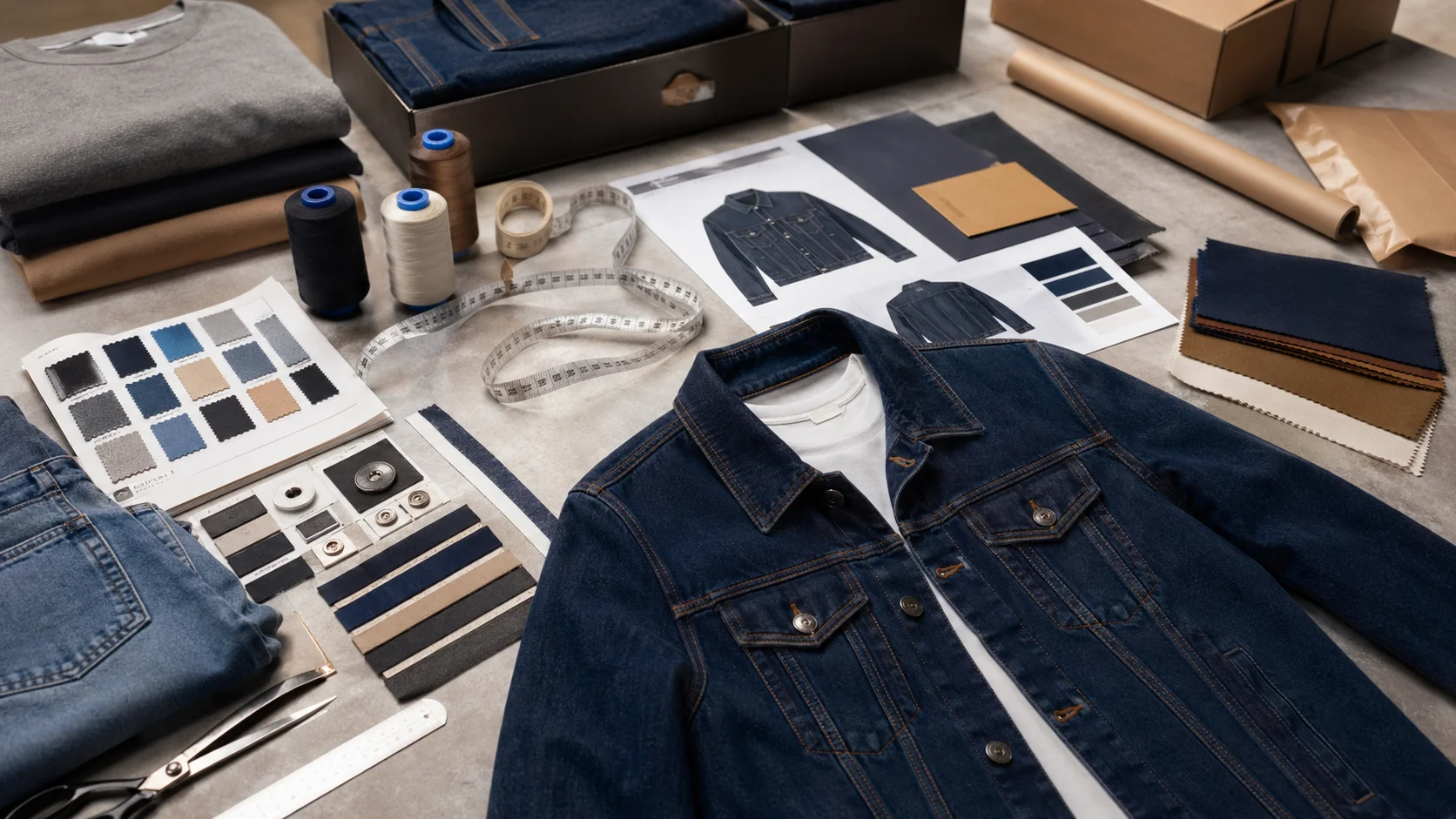
The Slow Fashion Movement compared by sample evidence, fabric or trim specs, MOQ, AQL terms, cost lines, delivery timing, and rework responsibility.
Fast answer: The Slow Fashion Movement: Tech Pack, Sample Gate, MOQ, and QC Terms should be judged by production evidence, not by a generic sourcing promise. The buyer needs sample proof, cost breakdowns, QC checkpoints, and delivery buffers in writing.
Ask for recent sample photos, measurement tolerances, fabric or print test assumptions, decoration test notes, packing examples, and a named inspection checkpoint. These details show whether the team can repeat an approved sample at bulk volume.
Separate garment cost, decoration, labels, packaging, sampling, testing, freight, and rush charges. Clear cost lines make it easier to reduce colorways, adjust size depth, or reserve more time for sampling.
The question “what is the slow fashion movement?” has become increasingly important as consumers, brands, and manufacturers rethink the environmental and social costs of the global apparel industry. In a world dominated by fast fashion, the slow fashion movement offers a more thoughtful, responsible approach to clothing production and consumption. It emphasizes quality over quantity, ethical labor, durable design, and long-term value for both people and the planet.
Slow fashion is not just a trend. It is a mindset and a movement that encourages us to buy less, choose better, and wear longer. For brands and businesses, it also represents a powerful shift in how garments are designed, sourced, produced, and marketed. In this guide, we will explain what slow fashion means, how it differs from fast fashion, why it matters, and how businesses can incorporate its principles into their operations.
The slow fashion movement is a sustainable fashion philosophy that promotes mindful production and consumption of clothing. Instead of producing massive volumes of garments quickly and cheaply, slow fashion prioritizes craftsmanship, durability, transparency, ethical sourcing, and environmental responsibility.
At its core, slow fashion asks a simple but powerful question: do we really need to make and buy so much clothing so quickly? The movement challenges the disposable culture created by fast fashion and encourages a more intentional relationship with garments. This means producing fewer pieces, creating higher quality items, and designing clothing that lasts longer in both style and function.
Slow fashion also values the people behind the clothes. That includes farmers, textile workers, pattern makers, seamstresses, logistics teams, and everyone involved in the supply chain. A slow fashion approach seeks fair wages, safe working conditions, and transparent business practices.
For brands looking to build more responsible collections, working with a manufacturer that understands sustainable production is essential. If you want to explore ethical production support, you can learn more about our services.
The term “slow fashion” was introduced in 2007 by Kate Fletcher, a sustainability researcher and professor known for her work in fashion ethics and environmental responsibility. She used the phrase to draw a parallel with the slow food movement, which similarly encouraged consumers to value quality, local production, and thoughtful consumption over mass-produced convenience.
Over time, slow fashion gained traction as more people became aware of the damage caused by fast fashion. Rising concerns about textile waste, water pollution, greenhouse gas emissions, microplastic contamination, and exploitative labor practices helped push sustainability into the spotlight. Consumers began asking where their clothes came from, how they were made, and what happened to them after purchase.
Today, slow fashion is no longer a niche idea. It has become a major part of the sustainable fashion conversation, influencing independent designers, premium brands, eco-conscious startups, and even larger fashion companies. While the movement is still evolving, its values are shaping the future of apparel.
Slow fashion is built on a set of interconnected principles that guide design, production, and purchasing decisions. These principles help create clothing that is more sustainable, ethical, and meaningful.
Slow fashion encourages making fewer garments, but making them better. High-quality fabrics, stronger construction, and better fit all contribute to longer-lasting clothing. This reduces the need for frequent replacement and lowers overall consumption.
Rather than chasing short-lived trends, slow fashion focuses on pieces that remain relevant season after season. Timeless garments have a longer life cycle because they are less likely to feel outdated quickly.
Fair wages, safe working conditions, and respect for workers are central to the movement. Slow fashion values the humans behind the product and seeks to eliminate exploitative labor practices.
Fabrics matter. Slow fashion often incorporates organic cotton, recycled fibers, natural blends, low-impact dyes, and other materials with reduced environmental impact. Material selection is a major factor in lowering a garment’s footprint.
Brands that practice slow fashion are more open about where materials come from, how garments are made, and who makes them. Transparency helps build trust and allows customers to make informed choices.
Slow fashion aims to minimize waste throughout the product lifecycle, from design and sampling to production and packaging. This includes better inventory planning, responsible cutting practices, and thoughtful end-of-life strategies.
Understanding slow fashion becomes easier when compared with fast fashion. Fast fashion is designed for speed, volume, and low cost. It responds quickly to trends and encourages frequent purchases through constant new arrivals and aggressive pricing.
Slow fashion takes the opposite approach. It is slower, more deliberate, and more focused on long-term value. Here are some key differences:
The contrast is not only about clothing, but about values. Fast fashion treats apparel as a short-term commodity. Slow fashion treats clothing as a valuable, durable product with environmental and human consequences.
The slow fashion movement matters because the fashion industry has significant social and environmental impacts. It is one of the most resource-intensive industries in the world, consuming water, energy, land, and chemicals at scale. It also generates enormous amounts of waste.
Here are some of the major benefits of slow fashion:
By producing fewer, longer-lasting garments, slow fashion helps reduce textile waste and overproduction. It can also lower carbon emissions, water use, and pollution depending on the materials and processes chosen.
Ethical production supports workers and communities. When brands pay fair wages and provide safe conditions, they help improve lives across the supply chain.
For buyers, slow fashion often means higher-quality clothing that fits better and lasts longer. Although the upfront cost may be higher, the cost per wear can be lower over time.
Brands that adopt slow fashion principles can strengthen trust, improve product quality, and create a stronger identity in a crowded market. Sustainability is increasingly a competitive advantage, especially among conscious consumers.
For companies building sustainable collections, partnering with the right production team can make all the difference. If you are exploring a responsible manufacturing partner, you can also reach out through our contact page.
Brands do not need to overhaul everything overnight to move toward slow fashion. In many cases, progress begins with small but meaningful changes.
Create clothing that customers want to wear repeatedly. Focus on flattering fits, durable construction, and styles that remain relevant over time.
Instead of launching excessive collections, consider smaller, more intentional drops. This reduces the risk of unsold inventory and waste.
Select fabrics that align with your sustainability goals. Consider organic, recycled, low-impact, or responsibly sourced materials based on your product category and price point.
Know where your materials come from and who is making your products. Customers appreciate honesty, and transparency can set your brand apart.
Choose factories and partners that share your values. Fair labor practices, quality control, and responsible production methods are essential to a genuine slow fashion approach.
Tell the story behind your products. Explain why quality matters, how to care for garments, and how thoughtful buying supports sustainability.
Clothing manufacturers play a crucial role in bringing slow fashion to life. A sustainable concept can only succeed if the production process supports it. That means working with manufacturers who can manage smaller runs, maintain quality, and use responsible methods.
At Fabrikn, we understand that sustainable fashion is not only about design. It is about execution. From sampling to final production, manufacturers must help brands balance quality, efficiency, and responsibility. A good manufacturing partner can guide material selection, construction methods, and production planning to support more durable garments.
Manufacturers can also help reduce overproduction by producing in smaller quantities and offering flexible development support. This is especially valuable for emerging brands, boutique labels, and businesses testing sustainable lines.
To learn more about who we are and how we work, visit our about us page.
Consumers have more influence than they may realize. Every purchase sends a signal to the market. By choosing slow fashion, shoppers can encourage better practices across the industry.
Instead of buying many inexpensive items, focus on fewer pieces that are versatile, durable, and genuinely useful.
Look at fabric content, stitching, fit, and care instructions. Strong construction is often a sign of a longer-lasting garment.
Choose brands that openly share their sourcing, manufacturing, and sustainability practices.
Washing less often, repairing small damage, and storing garments correctly can extend clothing life significantly.
Giving garments a second life through resale, donation, or repair helps keep textiles out of landfills.
The future of fashion is likely to be shaped by sustainability, traceability, and conscious consumption. As regulations tighten and consumers demand greater responsibility, slow fashion principles will become increasingly relevant.
Technology may also support the movement through better inventory systems, digital sampling, traceability tools, and more efficient production planning. However, technology alone will not solve the problem. The deeper shift is cultural: redefining success away from speed and excess toward responsibility and longevity.
Slow fashion is not about perfection. It is about making better choices with the resources and knowledge available. Whether you are a consumer, designer, or brand owner, every step toward more thoughtful clothing makes a difference.
So, what is the slow fashion movement? It is a sustainable fashion approach that values quality, ethics, transparency, and durability over speed, waste, and mass consumption. It challenges the fast fashion model and offers a better path for the industry, the planet, and the people who make our clothes.
For brands, slow fashion is an opportunity to create products with more meaning and stronger long-term value. For consumers, it is a chance to build a wardrobe that reflects personal style while supporting a more responsible system. And for manufacturers, it is a call to produce with care, precision, and accountability.
If your brand is ready to take the next step toward more responsible apparel production, Fabrikn is here to help. Explore our services, learn more through our about us page, or get in touch via our contact us page.
Get a free quote from Fabrikn — your trusted B2B clothing manufacturer with 10+ years of experience. MOQ as low as 200 pieces.
Get a Free Quote →The slow fashion movement is a way of making and buying clothes more thoughtfully. It focuses on quality, ethical labor, sustainable materials, and long-lasting garments instead of mass-produced disposable fashion.
Slow fashion is one part of sustainable fashion. Sustainable fashion is a broader term that includes eco-friendly materials, ethical labor, circular design, and low-impact production. Slow fashion specifically emphasizes slowing down production and consumption.
Often, yes, the upfront price is higher because better materials and ethical production cost more. However, slow fashion items usually last longer, so the cost per wear can be lower over time.
Yes, but it can be challenging. Large brands can adopt slow fashion principles by reducing overproduction, improving transparency, using better materials, and investing in ethical manufacturing.
A brand can start by producing smaller runs, choosing higher-quality fabrics, designing timeless products, improving supply chain transparency, and working with responsible manufacturers.
Slow fashion helps reduce textile waste, overproduction, and pollution. By making fewer but better garments, it can lower the overall environmental impact of clothing.
No. Slow fashion can include natural, recycled, or innovative materials as long as they align with sustainability goals. The focus is on responsible sourcing, durability, and lower impact.