
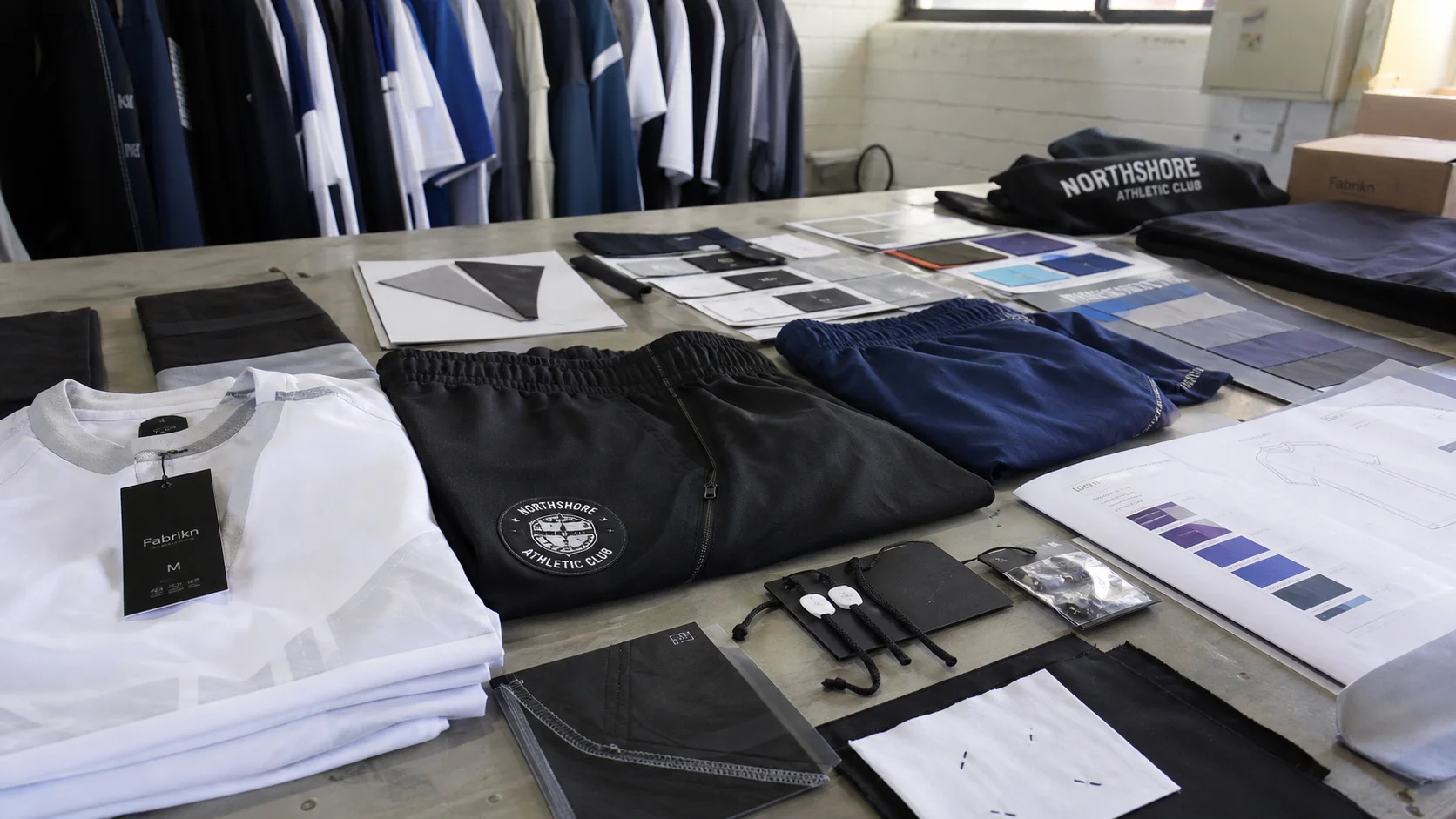
Sustainable Sourcing compared by sample evidence, fabric or trim specs, MOQ, AQL terms, cost lines, delivery timing, and rework responsibility.
Fast answer: Sustainable Sourcing: Tech Pack, Sample Gate, MOQ, and QC Terms should be judged by production evidence, not by a generic sourcing promise. The buyer needs sample proof, cost breakdowns, QC checkpoints, and delivery buffers in writing.
Ask for recent sample photos, measurement tolerances, fabric or print test assumptions, decoration test notes, packing examples, and a named inspection checkpoint. These details show whether the team can repeat an approved sample at bulk volume.
Separate garment cost, decoration, labels, packaging, sampling, testing, freight, and rush charges. Clear cost lines make it easier to reduce colorways, adjust size depth, or reserve more time for sampling.
Sustainable sourcing is the practice of selecting raw materials, fabrics, trims, packaging, and manufacturing partners based on their environmental, social, and ethical impact. In fashion, this means making supply chain decisions that reduce harm to the planet, support fair labor practices, and improve transparency from fiber to finished garment.
When brands ask, “what is sustainable sourcing cost comparison,” they are usually trying to understand whether more responsible materials and manufacturing methods are significantly more expensive than traditional options. The answer is nuanced. Sustainable sourcing can increase unit costs in some areas, but it can also lower waste, improve product quality, strengthen brand value, and reduce long-term risks.
For fashion businesses, sustainable sourcing is no longer a niche concept. It is increasingly tied to customer expectations, retailer requirements, ESG targets, and regulatory pressure. Brands that plan carefully can often transition to more responsible sourcing without losing competitiveness.
If you are exploring sourcing options for your next collection, you can learn more about Fabrikn’s production capabilities on our Services page or reach out through our Contact Us page.
The fashion industry is under pressure to reduce waste, cut carbon emissions, improve working conditions, and use materials more efficiently. Sustainable sourcing addresses the root of many of these issues by influencing what enters the supply chain in the first place.
For brands selling into premium, DTC, retail, or corporate markets, sustainable sourcing is also a positioning tool. It can justify higher price points, create differentiation, and help the business stand out in a crowded market.
The biggest misconception about sustainable sourcing is that it always costs much more. In reality, the cost difference depends on the material type, country of origin, order quantity, certification requirements, lead times, and production complexity.
In many cases, sustainable materials cost more per unit than conventional alternatives because of smaller production volumes, stronger traceability requirements, and higher-quality fiber inputs. However, some sustainable choices are competitively priced, particularly when purchased at scale or when they replace premium conventional fabrics.
That said, the total cost of ownership may be lower than expected. Sustainable garments often generate fewer defects, fewer returns, and stronger customer loyalty. Brands that factor in those benefits may find the economics more favorable than a simple fabric-price comparison suggests.
To understand sustainable sourcing cost comparison properly, it helps to break down where costs come from.
The biggest cost difference often starts with the fiber. Certified or recycled materials require more controlled production, better traceability, and sometimes higher-grade input streams. Organic cotton, for example, may cost more than conventional cotton because of certification, farming practices, and lower yields in some regions.
Not every factory can process sustainable materials efficiently. A supplier with the right expertise may charge more, but they can also reduce rework, misprints, shrinkage, and quality failures.
Many sustainable suppliers have higher minimum order quantities due to production planning or material procurement. This can affect cash flow for smaller brands, especially during early-stage collection development.
Certifications such as GOTS, OEKO-TEX, GRS, FSC, and other third-party standards add cost, but they also provide credibility and traceability. Testing for chemical compliance, colorfastness, and durability can add further expense.
Water-saving dye systems, non-toxic finishing, and cleaner energy use can raise production costs, especially when suppliers are investing in upgraded equipment or compliance systems.
Sustainable labels, recycled polybags, compostable mailers, and soy-based inks may cost more than conventional packaging. Yet they help complete the brand story and reduce environmental impact.
Material selection is often the most visible part of sustainable sourcing cost comparison. Below is a general overview of how common sustainable materials compare with conventional options. Actual pricing varies by quality, geography, treatment, and order quantity.
Organic cotton typically costs more than conventional cotton due to certified farming methods, lower pesticide use, and supply chain verification. The premium can range from modest to significant depending on source and certification. However, organic cotton is often preferred by brands that want a cleaner story and better alignment with eco-conscious consumers.
Recycled polyester can be slightly more expensive than virgin polyester, though pricing has become more competitive as recycled feedstock availability increases. The value proposition is strong because it helps reduce dependence on fossil fuels and repurposes plastic waste.
Tencel and other lyocell fibers often sit at a higher price point than standard viscose, but they are known for lower-impact processing and improved fabric performance. Brands often choose them for drape, softness, and premium positioning.
Hemp can be more expensive or similar in price depending on the blend and processing. It is durable, breathable, and increasingly popular for sustainable collections, though sourcing consistency and fabric hand feel can influence cost.
Certified wool may cost more because of traceability and animal welfare standards. Recycled wool can also require careful sorting and processing, which may affect price. These options are typically chosen by brands targeting higher-end or transparency-focused segments.
In short, sustainable fabrics are not automatically unaffordable. They are often priced as a premium because they offer better story value, stronger compliance, and improved long-term positioning.
A sustainable sourcing cost comparison is incomplete without looking at production and compliance.
Sustainable production may require more careful handling, smaller batch management, better wastewater treatment, or energy-efficient processes. These improvements can increase cost, but they also reduce risk and support better product consistency.
Certifications can be a major line item for brands. Costs may include supplier audits, documentation, chain-of-custody records, and annual renewal fees. Whether the investment is worth it depends on your market strategy and how important verified claims are to your customer base.
Because sustainable materials can behave differently from conventional ones, additional testing may be required. This includes wash testing, shrinkage assessment, color fastness, and fabric strength analysis. Strong quality control reduces expensive errors later in the process.
Brands increasingly invest in digital traceability, supplier mapping, and material tracking tools. These systems add operational cost but help support sustainability claims and respond to buyer requests for transparency.
For brands building a responsible supply chain from the ground up, these expenses should be treated as strategic investments rather than overhead alone. You can learn more about Fabrikn’s mission and production approach on our About Us page.
The true answer to “what is sustainable sourcing cost comparison” depends on both visible and hidden costs. Conventional sourcing may appear cheaper at first glance, but it can carry hidden risks that affect profitability.
In many cases, a sustainable garment may cost more to produce but less to defend in the market. That means the total business case can be stronger than the unit cost alone suggests.
If you are planning a sustainable collection, budgeting carefully will help you avoid surprises. Here is a practical framework.
Clarify whether your brand is focused on lower-impact materials, ethical manufacturing, certifications, traceability, or all of the above. Your goals will determine where to invest.
Start with hero items, best sellers, or the products most visible to customers. You do not have to make every item fully sustainable at once.
Include sampling, development, certifications, packaging, freight, import duties, quality testing, and storage. A cheaper fabric can still create a more expensive final product if it increases production issues.
Model how sustainable sourcing affects your gross margin under different price points. In many cases, a small retail price increase can cover the added sourcing cost while supporting a stronger brand story.
Sustainable sourcing can involve longer lead times or stricter supplier requirements. A contingency budget helps cover delays, sample revisions, or material substitutions.
Working with a knowledgeable clothing manufacturer can reduce waste, improve material efficiency, and help you choose the right balance between cost and responsibility. If you are ready to discuss your project, contact Fabrikn through our Contact Us page.
At Fabrikn, we support brands that want to build better products without losing sight of cost, quality, and delivery. Sustainable sourcing is not only about selecting eco-friendlier materials. It is also about aligning design, production, and supply chain decisions so that the final product is commercially viable.
Our team works with clothing brands, private label businesses, and B2B buyers that need practical guidance on sourcing and manufacturing. Whether you are developing a small capsule collection or a larger wholesale line, we can help you evaluate fabric options, production methods, and packaging decisions with sustainability in mind.
To explore our capabilities, visit our Services page or learn more about our company on the About Us page.
Sustainable sourcing is not simply a moral preference or marketing trend. It is a strategic approach to building a more resilient, credible, and future-ready fashion business. When comparing costs, it is essential to look beyond the fabric price and consider the full picture: material quality, compliance, production efficiency, customer perception, and long-term risk.
For many brands, sustainable sourcing does require a higher upfront investment. But that cost can be offset by stronger product performance, lower returns, improved brand loyalty, and a more defensible market position. The smartest approach is not to ask whether sustainable sourcing is cheaper in every case, but whether it creates better long-term value for your business.
If you are ready to take the next step, Fabrikn can help you evaluate your sourcing strategy and develop products that align with both your values and your budget.
Get a free quote from Fabrikn — your trusted B2B clothing manufacturer with 10+ years of experience. MOQ as low as 200 pieces.
Get a Free Quote →Sustainable sourcing in fashion means choosing materials, suppliers, and production methods that reduce environmental harm, support ethical labor practices, and improve transparency across the supply chain.
Not always. Some sustainable materials and processes do cost more upfront, but the difference depends on order volume, supplier location, certifications, and product type. In some cases, the total business value offsets the higher unit cost.
The biggest factors are fabric type, certification requirements, minimum order quantities, manufacturing complexity, and traceability systems. Packaging and freight can also influence final cost.
Brands can reduce costs by planning larger orders, simplifying designs, choosing widely available certified materials, working with experienced manufacturers, and comparing full landed cost instead of fabric price alone.
For many brands, yes. Sustainable fabrics often support better brand positioning, improved product quality, and stronger customer trust. The value goes beyond raw material cost.
Yes. Fabrikn supports brands looking for responsible sourcing and production solutions. Visit our Services page or contact us directly through our Contact Us page.