
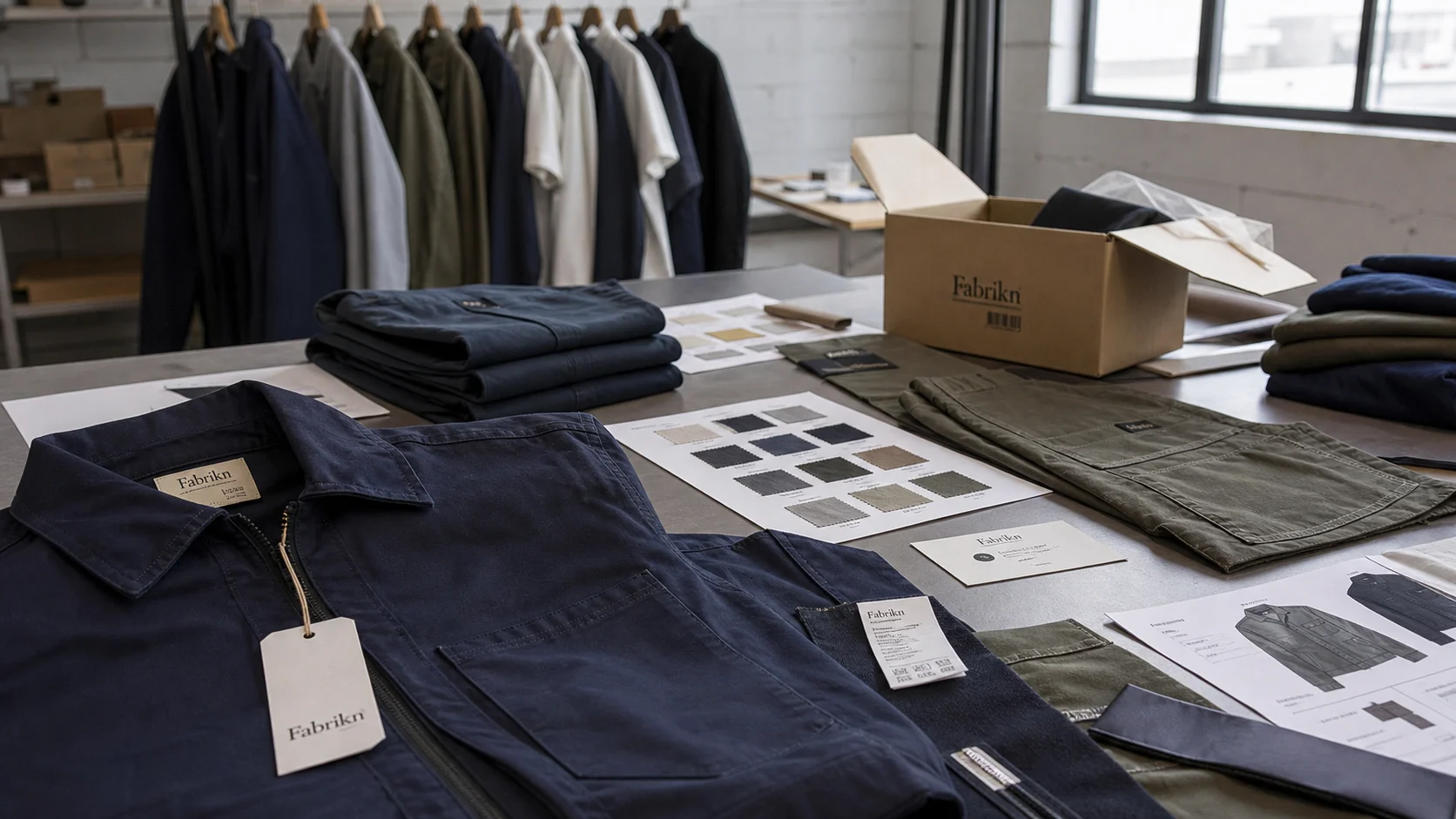
Tencel Lyocell Fabric compared by sample evidence, fabric or trim specs, MOQ, AQL terms, cost lines, delivery timing, and rework responsibility.
Fast answer: Tencel Lyocell Fabric: Fabric, Shrinkage, Fit, and QC Terms should be judged by production evidence, not by a generic sourcing promise. The buyer needs sample proof, cost breakdowns, QC checkpoints, and delivery buffers in writing.
Ask for recent sample photos, measurement tolerances, fabric or print test assumptions, decoration test notes, packing examples, and a named inspection checkpoint. These details show whether the team can repeat an approved sample at bulk volume.
Separate garment cost, decoration, labels, packaging, sampling, testing, freight, and rush charges. Clear cost lines make it easier to reduce colorways, adjust size depth, or reserve more time for sampling.
If you’re researching sustainable textiles for apparel development, you’ve probably seen the term Tencel lyocell fabric used often in product specs, sourcing discussions, and eco-friendly fashion marketing. But what is Tencel lyocell fabric, exactly, and why has it become such a popular choice for modern clothing brands?
Tencel lyocell is a premium cellulosic fiber known for its soft hand feel, breathability, moisture management, and lower-impact production process compared with many conventional fabrics. For fashion brands, it offers a compelling balance of comfort, performance, and sustainability—making it a strong option for everyday wear, premium basics, loungewear, athleisure, shirting, dresses, and more.
In this article, we’ll explain what Tencel lyocell is, how it is made, its benefits for apparel, how it compares with other fabrics, and why it is increasingly important in sustainable fashion. If you are a brand, buyer, or product developer looking for a dependable manufacturing partner, you can also explore Fabrikn’s services or contact us to discuss your next collection.
Tencel is a branded lyocell fiber produced by Lenzing, a company known for developing environmentally responsible fibers. The term lyocell refers to the fiber category, while Tencel is the brand name most people recognize in fashion and textile sourcing.
In simple terms, Tencel lyocell is a regenerated cellulose fiber made from wood pulp, usually sourced from sustainably managed forests. It combines the natural origin of plant-based material with the technical advantages of a manufactured fiber. That is why it is often considered a smart middle ground between natural fibers and synthetic textiles.
Unlike cotton, which is grown and spun from the plant, or polyester, which is petroleum-based, lyocell is created through a controlled manufacturing process that transforms wood pulp into smooth, versatile fibers. The result is a fabric that feels soft like silk, breathes like a natural textile, and performs well in a wide range of garment categories.
The production of Tencel lyocell is one of the reasons it is so highly regarded in sustainable fashion. While no textile is impact-free, lyocell is often viewed as a lower-impact option because of its closed-loop or near-closed-loop manufacturing approach and efficient use of solvents and resources.
The process begins with cellulose derived from wood, commonly from eucalyptus, beech, or spruce trees. When sourced responsibly, these raw materials can come from certified forests that prioritize regeneration and biodiversity.
The wood pulp is broken down into a solution using a non-toxic solvent system. In lyocell production, this solvent is typically recovered and reused at a very high rate, which helps reduce waste and environmental burden.
The cellulose solution is extruded through fine spinnerets to form long fibers. These fibers are then washed, dried, and processed into yarns for knitting or weaving.
The resulting yarn can be knitted or woven into a variety of fabrics. Depending on the construction, Tencel lyocell may appear fluid and drapey, structured and crisp, or soft and stretchy when blended with elastane or other fibers.
This manufacturing path gives lyocell many of the qualities designers want: consistency, softness, and adaptability. It also supports a cleaner narrative for brands trying to reduce their environmental footprint.
Tencel lyocell fabric has become a favorite among apparel brands because it delivers both consumer-facing comfort and product-development flexibility. Below are the most important benefits for clothing applications.
One of the most noticeable benefits of Tencel lyocell is its smooth, luxurious feel. The fibers are naturally round and fine, which helps reduce surface roughness. This makes the fabric comfortable against the skin and attractive for premium fashion, intimate wear, and loungewear.
Lyocell is highly breathable and can absorb moisture effectively. This helps regulate comfort in warm weather or during active movement. For apparel brands, that means better performance in garments worn close to the body, such as shirts, dresses, underwear, sleepwear, and active-inspired basics.
Tencel lyocell is known for its elegant drape. It flows naturally, making it ideal for silhouettes that need movement, softness, and visual fluidity. Designers often use it for dresses, wide-leg pants, blouses, and skirts because it creates a refined, elevated look.
Because of its smooth fiber structure and moisture-regulating properties, Tencel lyocell can feel especially pleasant on sensitive skin. This makes it a strong option for babywear, sleepwear, undershirts, and luxury basics.
Lyocell fibers absorb dye well, helping create rich, even color with a polished finish. This can be beneficial for brands that want deep tones, clean neutrals, or fashion-forward shades with strong visual appeal.
Tencel lyocell can be blended with cotton, wool, linen, polyester alternatives, or elastane depending on the desired outcome. Blends can improve stretch, reduce wrinkling, adjust structure, or lower cost while maintaining the fabric’s signature softness.
Lyocell has strong fiber integrity, which helps it perform well through cutting, sewing, and wear. Its wet strength is also better than some other regenerated fibers, making it suitable for quality garment production.
For many fashion labels, fabric choice is part of storytelling. Tencel lyocell helps brands position collections as modern, sustainable, and high quality. That value can be especially important in competitive markets where customers expect transparency and comfort.
In sustainable fashion, fabric selection is one of the most important decisions a brand can make. Tencel lyocell stands out because it offers a lower-impact alternative to many traditional materials while still meeting performance and aesthetic needs.
Because lyocell is based on wood pulp, it originates from a renewable resource rather than fossil fuels. When sourced from certified and responsibly managed forests, the raw material stage can support better land stewardship.
Lyocell manufacturing is designed to recover and reuse solvents, which reduces chemical waste. Compared with older viscose processes, this is a significant advantage for environmental management.
Brands seeking to move away from petroleum-based materials often look at lyocell as a more sustainable alternative. It can reduce dependence on conventional polyester in some garment types, especially where softness and breathability are priorities.
Sustainability is not only about how a material is made; it is also about how long it lasts in use. A fabric that feels good, performs well, and encourages regular wear can support better product longevity and lower replacement frequency.
Lyocell can be used in collections that emphasize responsible sourcing, mono-material thinking, or fiber blends designed for improved lifecycle performance. While recycling systems vary by market, using lower-impact materials is an important step in building more responsible apparel lines.
For brands exploring sustainability strategy and production planning, Fabrikn’s about us page offers more context on how we approach quality and responsible manufacturing.
Tencel lyocell is highly adaptable, which is one reason it appears across so many apparel categories. Some of the most common applications include:
Depending on the construction, Tencel lyocell can be used for lightweight woven fabrics, jersey knits, rib structures, and blended textiles. It works especially well in garments where touch, drape, and comfort matter as much as visual appeal.
To understand the value of Tencel lyocell, it helps to compare it with other common apparel fabrics.
Cotton is a natural fiber and widely used in clothing, but it can be less efficient in terms of water use and can feel heavier or less fluid depending on the weave. Tencel lyocell typically offers a silkier hand feel, better drape, and stronger moisture management. Cotton still has advantages in familiarity and structure, but lyocell can be a more premium-feeling choice for comfort-driven garments.
Both are regenerated cellulose fibers, but lyocell is generally considered the more advanced and environmentally responsible production method. Lyocell’s solvent recovery system and fiber performance often make it preferable for brands seeking better durability and sustainability.
Polyester is valued for durability, cost-effectiveness, and easy care, but it is synthetic and derived from fossil fuels. Tencel lyocell provides a more natural feel, improved breathability, and a stronger sustainable fashion story. For many brands, the choice comes down to whether they prioritize performance at the lowest cost or a more premium, eco-conscious fabric profile.
Linen is another popular sustainable textile, loved for its natural character and breathable feel. Compared with linen, lyocell generally has a smoother surface, softer drape, and less tendency toward a dry, textured hand. Linen can wrinkle more visibly, while lyocell often offers a more refined look.
While Tencel lyocell offers many advantages, successful product development depends on choosing the right fabric construction, blend ratio, and finishing process. Here are a few sourcing points to keep in mind.
Different garment types require different fabric weights. A lightweight lyocell jersey may be perfect for tees, while a heavier woven lyocell may suit trousers or shirts. Always match the GSM or fabric density to the intended use.
Adding elastane can improve stretch. Blending with cotton may reduce sheen and improve familiarity. Mixing with linen can create a more textured, breathable hand. Each blend affects cost, feel, and performance.
Brush, enzyme wash, soft wash, or peaching finishes can alter how the fabric behaves and feels. The right finishing approach can enhance premium appeal, reduce wrinkling, or improve consumer comfort.
The best fabric choice depends on the garment’s intended market and performance requirements. A fashion blouse, a casual tee, and a sleep set may all use lyocell, but they will need different structures and trims.
Fabric choice alone does not guarantee product success. Pattern development, stitching quality, fit testing, and production consistency all matter. If you are developing a new sustainable line, it helps to partner with a manufacturer that understands both performance textiles and fashion market requirements. You can contact us to discuss sourcing, sampling, and production support.
One of the most practical advantages of Tencel lyocell fabric is that it works well in clothing people actually want to wear often. It is comfortable, attractive, and generally easy to care for when the garment is constructed properly.
Lyocell has good tensile strength and resists breakage well under normal use. It is suitable for everyday garments, though like many smooth fibers it may be prone to surface abrasion or pilling if blended or finished poorly.
Many lyocell garments can be machine washed on gentle cycles, but care instructions depend on the specific construction, blend, and finish. Brands should always test garment care labels based on actual fabric performance.
Tencel lyocell can wrinkle, but often less harshly than linen or pure viscose. Blends with other fibers can improve shape retention and reduce creasing.
With thoughtful design and proper care, lyocell garments can maintain their softness and appearance over time. This supports better consumer satisfaction and can strengthen a brand’s sustainability message by encouraging longer wear.
Fashion brands are under increasing pressure to deliver products that meet consumer expectations for comfort, style, and responsibility. Tencel lyocell helps solve all three challenges at once.
Consumers want clothing that feels soft, looks elevated, and aligns with their values. Retailers want versatile fabrics that can support multiple seasons and categories. Designers want materials that drape beautifully and can be adapted into modern silhouettes. Tencel lyocell answers these needs with a compelling mix of performance and sustainability.
For brands building collections around sustainable fashion, it is not just a trend fabric. It is a strategic material choice that can support better product storytelling, stronger customer appeal, and more responsible sourcing decisions.
So, what is Tencel lyocell fabric? It is a regenerated cellulose textile made from responsibly sourced wood pulp and produced through an efficient process that supports lower-impact manufacturing. More importantly, it is a fabric that offers real benefits for apparel: softness, breathability, drape, versatility, and premium feel.
For sustainable fashion brands, Tencel lyocell is valuable because it helps bridge the gap between eco-conscious sourcing and commercial performance. Whether you are creating T-shirts, dresses, loungewear, or elevated everyday essentials, it can be an excellent fabric choice for modern collections.
If you are planning a new apparel line and want support from a trusted B2B clothing manufacturer, Fabrikn can help you move from concept to production. Learn more about our services, or reach out through our contact page to start the conversation.
Get a free quote from Fabrikn — your trusted B2B clothing manufacturer with 10+ years of experience. MOQ as low as 200 pieces.
Get a Free Quote →Tencel is a brand name for lyocell fibers produced by Lenzing. Lyocell is the fiber category, while Tencel refers to the branded version.
It is widely considered a more sustainable option than many conventional fabrics because of its renewable raw material base and efficient solvent-recovery production process.
It works especially well for shirts, dresses, loungewear, basics, sleepwear, underwear, and any garment where softness and drape are important.
It can wrinkle, but usually in a softer way than fabrics like linen. Blends and finishing techniques can help improve wrinkle resistance.
Yes, its smooth surface and moisture-managing properties make it a comfortable choice for many people with sensitive skin.
Compared with cotton, Tencel lyocell often feels softer, drapes more fluidly, and manages moisture well. Cotton may offer more structure depending on the fabric type.
Yes. It is often blended with cotton, linen, wool, or elastane to adjust stretch, structure, hand feel, and price point.
Brands choose it because it combines comfort, premium aesthetics, and a strong sustainability story, making it ideal for modern fashion collections.