
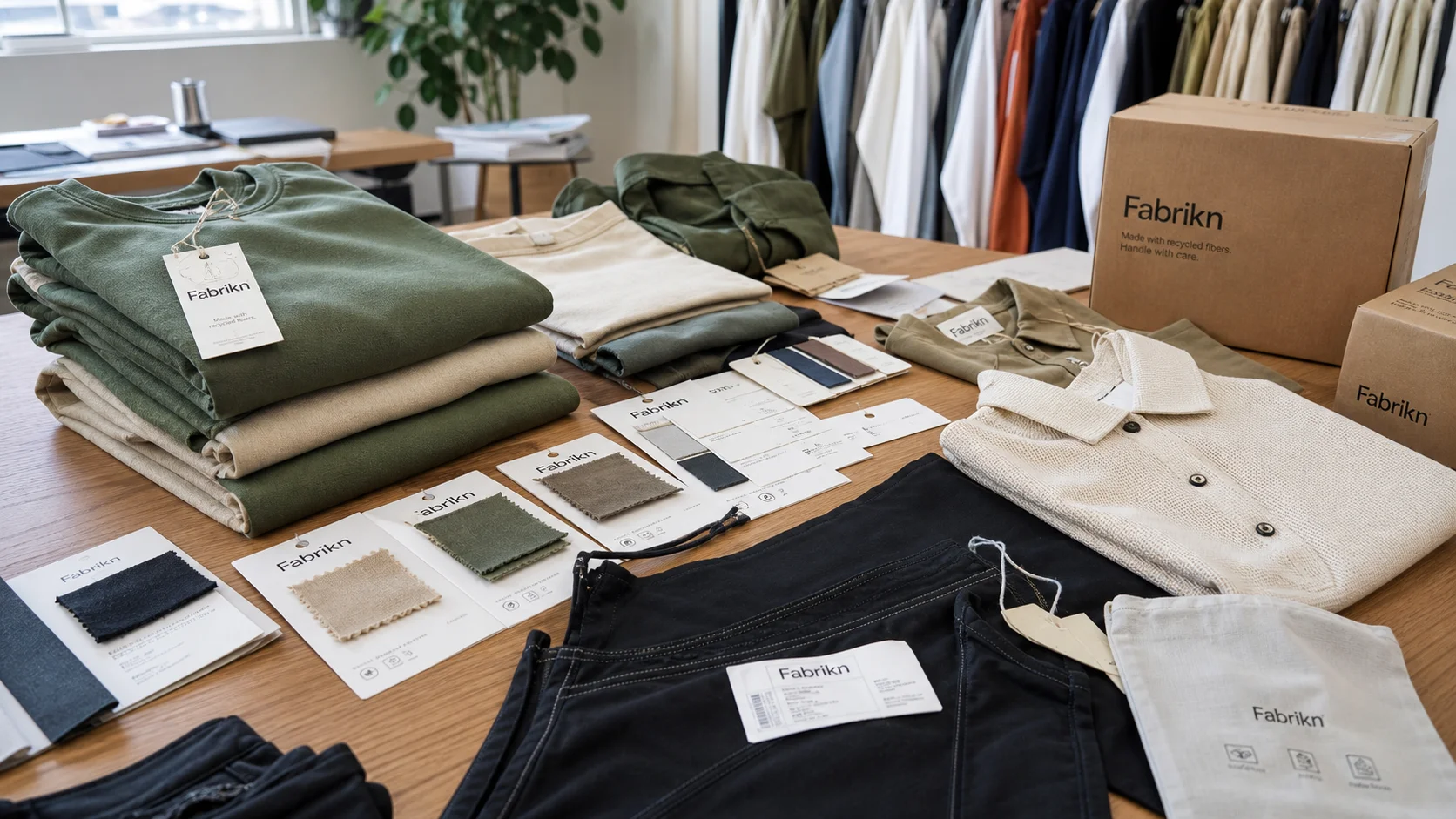
Navigating Wholesale Minimum Order Terms for Boutiques with checks for samples, fit, MOQ, QC evidence, pricing terms, and delivery risk.
Fast answer: Navigating Wholesale Minimum Order Terms for Boutiques should be judged by production evidence, not by a generic sourcing promise. The buyer needs sample proof, cost breakdowns, QC checkpoints, and delivery buffers in writing.
Ask for recent sample photos, measurement tolerances, fabric or print test assumptions, decoration test notes, packing examples, and a named inspection checkpoint. These details show whether the team can repeat an approved sample at bulk volume.
Separate garment cost, decoration, labels, packaging, sampling, testing, freight, and rush charges. When every cost line is visible, it becomes easier to reduce colorways, adjust size depth, or reserve more time for sampling.
In the boutique fashion landscape, every order counts. Boutique owners juggle trend cycles, customer expectations, and inventory costs while trying to grow sustainably. A pivotal piece of the wholesale puzzle is understanding and navigating minimum order terms. Wholesale minimum order terms refer to the smallest quantity or purchase value a brand or manufacturer requires from a boutique before fulfilling an order. While these terms might initially seem rigid, they can become strategic levers when approached thoughtfully.
This guide will walk boutique buyers through the nuances of wholesale minimums, from interpreting contractual language to negotiating terms, planning purchases, and maintaining strong partnerships with suppliers. As a trusted B2B clothing manufacturer, Fabrikn recognizes how thoughtful wholesale arrangements support boutique success. Our goal is to equip you with insights that help you adapt minimum order terms to your growth plans, with practical recommendations tailored to your business model.
Wholesale minimums typically come in a few formats:
Understanding the type of minimum you’re facing is the first step in shaping how you respond. While requirements may appear firm, clothing manufacturers like Fabrikn often provide flexibility through tiered programs, minimum aggregations across collections, or supportive onboarding for first-time boutique partners.
Wholesale minimums aren’t just arbitrary numbers. They help suppliers:
Recognizing these motives enables boutique operators to engage in transparent discussions with suppliers. Rather than viewing minimums as obstacles, see them as parameters that can be aligned with your pacing and clientele demand.
When reviewing wholesale agreements, pay attention to:
Ask suppliers to clarify any ambiguous language. Clear contracts reduce the risk of unexpected fees and help you forecast order cycles with confidence.
Smart management of minimum order terms leads to better inventory control. Instead of overcommitting, boutiques can:
Working with a manufacturer that offers transparent lead times and material sourcing, such as Fabrikn, helps you synchronize minimum-based orders with anticipated consumer demand.
Wholesale minimums influence your cash cycles. Boutique owners gain financial stability by:
Strategic planning ensures you don't tie up crucial capital in excess stock while still meeting vendor expectations.
When you plan orders around minimums, you remain deliberate about the products you offer. This mindset supports:
Manufacturers like Fabrikn emphasize collaboration, enabling boutiques to develop signature pieces within the framework of minimum order requirements.
Before approaching a supplier about minimums, gather sales insights. Determine:
Demonstrating a clear understanding of your business helps suppliers appreciate your buying power, even if your volumes aren’t massive yet.
Suppliers respond positively when boutiques outline future plans. During negotiations:
A supplier that understands your trajectory may offer graduated minimums or review them after key milestones.
If single-style minimums feel steep, propose aggregating across multiple styles or colors within a collection. This approach:
Fabrikn’s services are structured to accommodate diverse production needs, so exploring aggregation can unlock more manageable minimums.
Wish to test a new line before committing to full minimums? Ask about:
Manufacturers invested in your growth may support these pilots, reducing risk and accelerating confident rollouts.
Map your purchase plans around retail seasons and consumer habits. This ensures minimums are timed appropriately:
Seasonal planning helps avoid cash constraints while still adhering to supplier expectations.
Forestry tools and inventory management software can aid your forecasting efforts. With reliable data, you can:
Integrating forecasting tools with vendor communication ensures you hit the sweet spot between availability and overstock.
When facing high minimums, consider splitting purchases across multiple delivery windows, where possible. This tactic allows you to:
Discuss scheduling flexibility with your supplier to ensure this approach aligns with their production timetable.
Wholesale minimums affect product costing. To maintain profitability:
Understanding how minimums influence margins helps you set sustainable price points without compromising on brand appeal.
Frequent, honest dialogue with suppliers fosters trust. Share:
Suppliers appreciate proactive updates, enabling them to accommodate your needs while managing their resources effectively.
Maintaining reliability reinforces negotiation power. When you consistently:
Manufacturers like Fabrikn view you as a strategic partner and are more likely to support flexible terms or prioritize your production slots.
Deep relationships can lead to co-created collections or private label runs that align with minimum requirements. Benefits include:
Fabrikn’s expertise extends to designing and manufacturing exclusive apparel, making such collaborations viable for forward-thinking boutiques. Learn more about our services to explore how we can work together.
Minimums can strain cash flow, especially for newly launching boutiques. Solutions include:
Always communicate financial limitations early on. Manufacturers may offer customized solutions such as staged payments or inventory financing programs.
Ordering large quantities risks surplus stock. Mitigate this by:
Some manufacturers are open to partial returns or exchanges when inventory underperforms, especially under strong partnership ties.
The fashion market shifts rapidly, making rigid minimums feel daunting. Address this challenge by:
Designing with flexibility in mind helps maintain relevance without overshooting requirements.
At Fabrikn, we understand the boutique mindset. Our production services accommodate varying minimums through agile manufacturing, allowing you to:
Our team collaborates closely with buyers to align minimum order terms with your delivery calendar.
Fabrikn treats each boutique relationship as a partnership. We provide:
Engaging with our team gives you access to resources that make wholesale minimums manageable and aligned with your brand goals. Discover more about our story on our about us page.
Getting started is simple and informative. During onboarding, we:
We encourage you to reach out through our contact us page to discuss how we can create a tailored production strategy for your boutique.
Navigating wholesale minimum order terms doesn’t have to be intimidating. With careful preparation, transparent communication, and strategic partnerships, boutiques can transform minimums into growth catalysts. By understanding the types of minimums, negotiating mindfully, planning inventory effectively, and prioritizing strong supplier relationships, your boutique can operate confidently within wholesale frameworks.
Fabrikn stands ready to support your journey with flexible production, thoughtful collaboration, and transparent services. As you plan your next wholesale decision, keep these strategies in mind to maintain a balanced, forward-looking business model. With the right approach, minimums become milestones on the path to boutique success.
Get a free quote from Fabrikn — your trusted B2B clothing manufacturer with 10+ years of experience. MOQ as low as 200 pieces.
Get a Free Quote →A strong brief makes the supplier's job narrower and the quote more reliable. For navigating wholesale minimum order terms for boutiques, include the target customer, sales channel, expected order quantity, size range, decoration needs, packaging requirements, and delivery market. Then call out the details most likely to affect the result, especially fit intent, material source, and trim selection.
The brief should also explain what cannot change. Some brands care most about hand feel, some about price, some about launch timing, and some about retail compliance. When those priorities are not written down, suppliers tend to optimize for whatever is easiest to quote. Clear priorities help the factory make better tradeoffs before the first sample is cut or printed.
Ask the supplier to respond with assumptions, not just a price. A useful reply states MOQ, sample route, production capacity, inspection plan, packing method, and freight handoff. If the answer is vague, the project may still work, but it needs a tighter pre-production stage before money and calendar pressure build up.
The best time to catch problems is before the pre-production sample is approved. Check measurements, color, placement, material behavior, shrinkage, construction, labels, and packaging in the same review instead of approving each item in isolation. Many bulk issues are not caused by one dramatic mistake; they come from several small unchecked assumptions.
For navigating wholesale minimum order terms for boutiques, pay special attention to sample review, bulk inspection, and shipping plan. These details often look minor in an email but become expensive once cutting, printing, sewing, packing, or shipping begins. A simple checklist with owner, due date, and approval status keeps the brand team and factory aligned.
Bulk production should not start until the supplier can explain how the approved sample becomes a repeatable production standard. That means reference sample storage, line instructions, inline checks, final inspection, and defect handling. A factory that can describe this process clearly is usually safer than one that only promises speed.
Price differences are useful only when the quotes cover the same work. Compare sample cost, material source, trims, decoration, packaging, testing, inspection, and freight assumptions. A low unit price can become expensive if it excludes items the brand needs before launch.
Timeline promises deserve the same scrutiny. Ask what happens if the first sample needs revision, whether materials are in stock, when the production slot is reserved, and how export packing is handled. The most reliable supplier is often the one that gives a realistic calendar instead of the fastest optimistic answer.
Wholesale minimum order terms define the smallest quantity (per piece or dollar value) a supplier requires for an order. They ensure manufacturing efficiency and cost coverage, especially for small-batch or custom garments.
Yes. Boutique owners can negotiate by demonstrating sales data, outlining future growth, proposing aggregated orders, or requesting flexible payment and delivery schedules. Clear communication and a strong partnership mindset help suppliers see your long-term potential.
Minimums can tie up capital if not strategically planned. Budgeting for each order, using forecasting tools, and spreading purchases across multiple windows ensure your cash flow stays healthy while meeting supplier expectations.
Fabrikn provides customized production, shared forecasting, transparent onboarding, and attentive communication to help boutiques manage minimums. Learn more about our offerings on our services page and reach out via our contact us page for personalized guidance.
Pré-order campaigns, sample runs bundled with future orders, or co-designing capsule collections are effective ways to test new products within minimum order frameworks. Work with your supplier to pilot strategies that suit your customer base before committing to larger runs.