
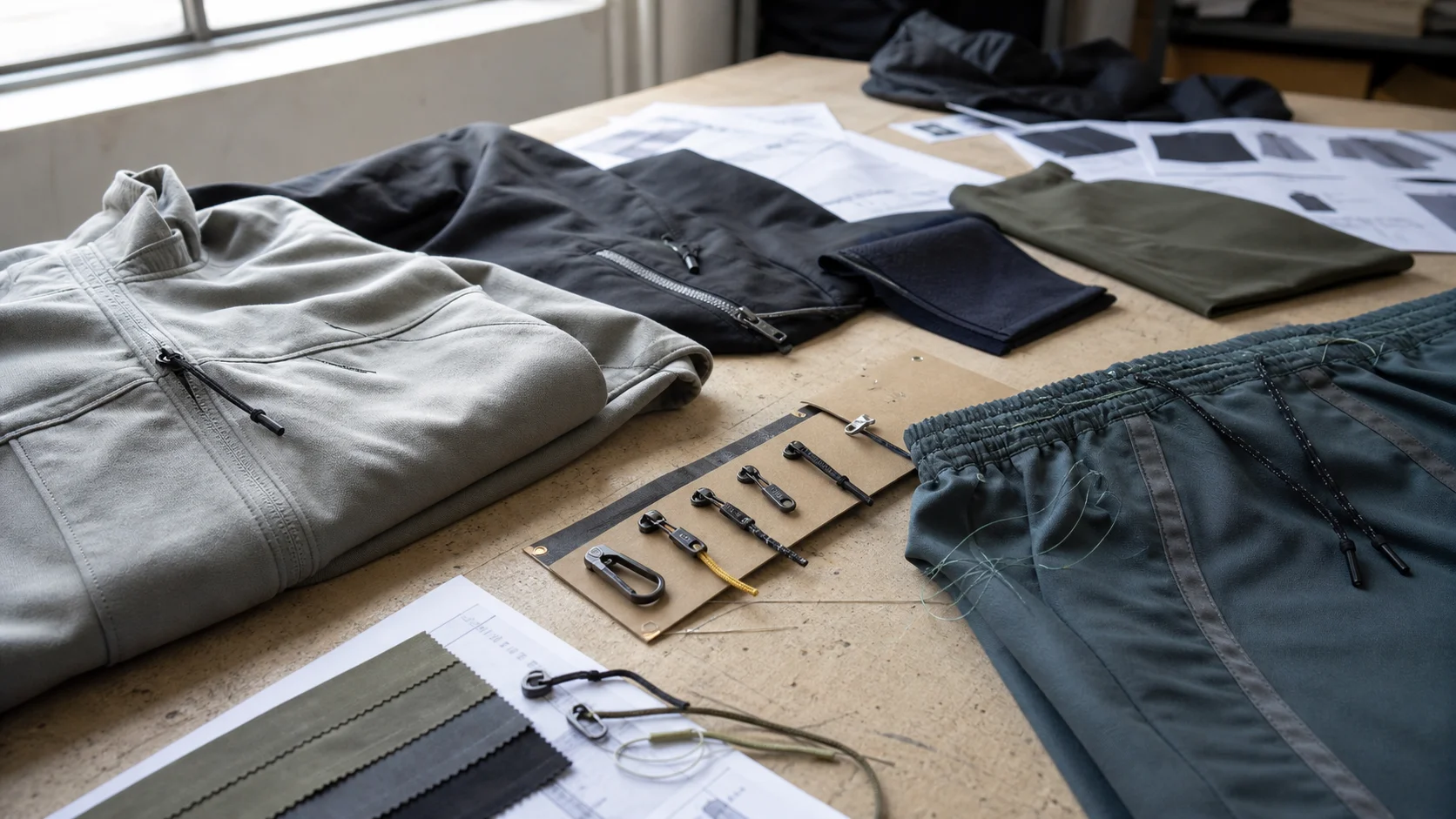
A practical SEO outline for field service buyers evaluating zip puller charms, fabric compatibility, attachment durability, and decoration performance...
Zip Puller Charm Testing Guide for Service Teams - Decoration & Printing manufacturing guide
Zip puller charms look small, but they can create large after-sales problems when they are not tested against the real garment, bag, or accessory construction. A charm may pass a desk review and still fail in the field because the zipper tape, slider, fabric coating, wash method, or user handling is different from the sample room assumption.
For service teams, the goal is not to turn every complaint into a laboratory project. The goal is to identify the likely failure mode quickly, collect the right evidence, and feed practical findings back to sourcing, product development, and quality teams. This is especially important in Decoration & Printing programs where trims are used as branding features, promotional details, or seasonal design upgrades.
A zip puller charm fabric testing guide for field service teams should focus on the points where the trim interacts with the product: the attachment loop, slider hole, zipper tape, shell fabric, lining, print surface, coating, and care process. Problems often appear as broken loops, tarnished metal, color transfer, fabric abrasion, cracked enamel, peeling plating, rust spots, or charms that detach during normal use.
Purchasing judgment: a low-cost charm can be acceptable for short-life promotional goods, but it is a weak choice for outerwear, backpacks, children’s products, workwear, or washable uniforms unless attachment strength, corrosion, and fabric compatibility are proven before bulk production.
Brands and distributors that need a broader decoration and trim sourcing framework can review Fabrikn’s services for related production support. For unresolved field issues, escalation should be based on evidence, not assumptions.
When a zip puller charm complaint arrives, service teams should start with product facts rather than fault assignment. A missing charm, a stained fabric panel, and a scratched coating all require different testing routes. The first check is the product context: garment type, fabric composition, zipper type, care label, production batch, customer usage pattern, and whether the issue is isolated or repeated.
Field teams should request clear photos before asking for product returns. The most useful photos show the complete product, close-up of the zipper slider, charm front and back, attachment ring or cord, adjacent fabric surface, wash label, hangtag if available, and carton or barcode label. If the charm has detached, ask the customer to keep the loose charm and any broken ring, cord, or connector.
A simple triage process helps prevent unnecessary bulk rejections:
Service teams should avoid promising a replacement solution before the failure mode is confirmed. Replacing a metal charm with another metal charm from the same plating batch may repeat the problem. Switching to a rubber or woven puller may solve corrosion but reduce the premium look. The right answer depends on use case, retail price point, care method, and buyer tolerance for design change.
Zip puller charms are commonly made from zinc alloy, brass, stainless steel, aluminum, PVC, silicone, TPU, leather, PU leather, woven tape, cord, acrylic, resin, or printed fabric patches. Each material has a different risk profile. No material is automatically safe across all applications.
Material Type Common Use Main Testing Risks Purchasing Judgment Zinc alloy with plating Fashion jackets, bags, premium branding Corrosion, plating peel, nickel concerns, sharp edges Good appearance, but needs corrosion and finish testing. Silicone or PVC Sportswear, kidswear, promotional bags Color migration, odor, tear strength, print rub-off Flexible and safer-feeling, but check color transfer on pale fabrics. TPU Outdoor goods, waterproof bags, technical apparel Yellowing, heat deformation, coating interaction Useful for technical looks, but specification control matters. Leather or PU leather Casualwear, bags, lifestyle products Crocking, delamination, cracking, wash failure Better for non-washable bags than machine-wash garments. Woven tape or cord Outdoor jackets, uniforms, backpacks Fraying, knot slippage, weak bartack or ring attachment Practical and light, often better for service durability.For apparel manufacturing, the charm specification should include base material, size, weight, surface finish, color code, logo method, attachment type, ring gauge, cord denier if applicable, coating or plating details, restricted substance requirements, and approved supplier reference. Vague terms such as “silver charm,” “black rubber puller,” or “premium metal zip tag” are not enough for repeat production.
The heavier the charm, the more stress it puts on the zipper slider and fabric. Heavy metal charms can also swing during wear and abrade delicate shell fabrics. For lightweight woven fabric, sheer nylon, satin, mesh, coated polyester, and brushed knits, a soft puller is often safer than a rigid charm.
Fabric compatibility is the most overlooked part of zip puller charm testing. A charm is rarely used in isolation. It rubs against fabric during packing, shipping, fitting, wearing, washing, and drying. Service teams should test the charm against the actual bulk fabric, not only against a generic white cotton cloth.
Start with fabric composition and finish. Polyester twill, nylon oxford, cotton fleece, softshell, coated fabric, fleece-backed knit, PU-coated rainwear, and garment-dyed cotton all react differently. Printed and heat-transfer decorated areas are also vulnerable. A metal charm may scratch a plastisol print. A silicone charm may pick up lint from brushed fleece. A PVC charm may transfer pigment onto pale nylon during heat or pressure.
Useful field-level compatibility checks include:
Service teams do not need to run full lab protocols for every small claim, but they should know when a lab is needed. Send samples for accredited testing when complaints involve color migration, chemical odor, suspected restricted substances, children’s products, skin contact, or significant inventory exposure.
Tradeoff: rigid charms often improve perceived retail value, while soft pullers reduce abrasion and customer-service risk. For field uniforms, schoolwear, outdoor rentals, and washable workwear, service durability should usually outweigh decorative weight.
Attachment failure is one of the most common zip puller charm issues. The failure may occur at the jump ring, split ring, cord loop, molded hole, rivet, leather fold, zipper slider, or sewing point. A service team should document exactly where the break happened. “Charm came off” is not a complete failure description.
Typical attachment methods include split rings, jump rings, lobster clasps, molded loops, cord loops, woven tabs, leather folds with rivets, and direct slider attachments. Split rings are generally stronger than simple open jump rings when properly sized, but they can be harder to assemble and may scratch plating. Jump rings are cheaper and faster, but an open gap can spread under load. Cord loops are flexible, yet knot security and cord melting quality need checking.
A practical pull test should evaluate both gradual force and real-use movement. For internal service screening, teams can compare returned goods against retained approved samples using the same pulling direction and fixture. Production-level testing should define a force requirement based on product category. A lightweight fashion pouch does not need the same target as a backpack or workwear jacket.
Product Category Typical Risk Level Suggested Focus Fashion tops and light jackets Medium Fabric abrasion, plating finish, wash resistance Outerwear and uniforms High Pull strength, corrosion, repeated use, glove handling Backpacks and travel bags High Load stress, impact, ring deformation, zipper slider damage Children’s apparel High Small parts, sharp edges, restricted substances, detachment Promotional pouches Low to medium Appearance, short-term use, cost controlFor children’s products, small-part and choking risk rules may apply depending on market, age grading, and product design. Do not treat a charm as harmless because it is decorative. A detachable charm can become a compliance issue. The safest sourcing choice may be a flat woven puller, molded non-removable pull, or standard zipper pull without loose decorative parts.
Colorfastness testing is not limited to fabric. Charms can bleed, crock, tarnish, oxidize, or lose coating. A black PVC puller on a white nylon jacket is a classic high-risk combination. A plated metal charm on a rain jacket may corrode when exposed to sweat, salt, detergent, or humidity. A painted enamel logo may chip when the charm hits zipper teeth or metal sliders.
Service teams should examine the surface with good lighting. Look for uneven plating, edge burrs, exposed base metal, pinholes, scratches, cloudy lacquer, weak printed logos, and residue. A problem at the edge often predicts bulk failure because edges receive the most friction and have the least coating protection.
Common checks include:
Nickel release, lead, cadmium, phthalates, azo dyes, and other restricted substances may be relevant depending on material, target market, and customer standards. Field service teams should not guess compliance status from appearance. If the claim involves skin irritation, odor, children’s use, or regulated markets, escalate to the compliance team and request supplier test reports or new lab testing.
Purchasing judgment: decorative metal pulls create a premium look, but the safest repeatable route is usually stainless steel, well-specified coated alloy, molded silicone from a controlled formulation, or woven pullers for washable goods. The cheapest plated alloy is rarely the best value when returns, replacements, and brand complaints are included.
Wash performance depends on the complete product, not only the charm. A charm that survives washing alone may fail when attached to a garment because it hits the drum, catches in the zipper, strikes buttons, or rubs against fabric in a wet bundle. Care label alignment is essential. If the product is labeled machine washable, the charm should be tested as part of the finished product under the intended wash cycle.
Key wash-care risks include plating loss, rust, logo fading, rubber swelling, leather cracking, PU delamination, cord fraying, and attachment opening. Tumble drying adds heat and mechanical impact. Dry cleaning introduces solvent exposure, which may damage printed logos, adhesives, coatings, or synthetic charm materials.
For service investigation, ask the customer how the product was washed. Useful information includes water temperature, detergent type, bleach use, softener use, drying method, laundry bag use, and whether the zipper was closed before washing. Customer misuse should be documented carefully, but teams should also review whether the care label was realistic. If most customers will machine wash a casual jacket, a fragile decorative charm is a poor sourcing decision even if a fine-print warning exists.
Recommended pre-production wash testing should include finished garments or bags from bulk-like materials. Test only the charm at the trim supplier stage, then test the final product again after attachment. Inspect the fabric around the zipper after washing, not just the charm. Service claims often involve fabric damage caused by the charm rather than charm failure itself.
A disciplined sample approval route prevents most zip puller charm failures. Approval should not be based only on appearance. Buyers, product developers, factories, and service teams need a shared reference that defines what is acceptable in bulk.
A practical approval flow should include:
The pre-production sample should represent actual bulk components. A charm made from substitute plating, a ring from local stock, or a zipper slider from another supplier weakens the approval. Service teams should be able to compare a returned unit with an approved sample and identify whether the issue is design-related, production-related, or usage-related.
For brands building sourcing programs, the team profile and manufacturing approach should also be considered. See Fabrikn’s about us page for company background and production-service context.
Zip puller charm MOQ depends on material, tooling, logo method, color, and supplier setup. Typical MOQ ranges are not fixed, but service teams benefit from understanding the commercial limits behind design changes.
Charm Type Typical MOQ Range Typical Lead-Time Factors Cost Tradeoff Plain cord or woven puller 500 to 2,000 pieces Yarn color, tape weaving, end finishing Low cost and durable, less premium branding. Custom silicone or PVC charm 1,000 to 5,000 pieces Mold, color matching, logo detail, curing Good branding, possible color migration risk. Metal plated charm 1,000 to 5,000 pieces Tooling, casting, polishing, plating, lacquer Premium look, higher corrosion and sharp-edge control needs. Leather or PU tab 500 to 3,000 pieces Material sourcing, cutting die, embossing, edge paint Good lifestyle look, weak for repeated washing. High-compliance children’s trim Varies by supplier Testing, documentation, safer construction Higher upfront control, lower safety exposure.Sample lead time is commonly affected by tooling, artwork confirmation, color approval, plating selection, supplier workload, and testing requirements. A simple woven or cord puller may sample quickly. A molded logo charm or plated metal charm can take longer, especially if artwork is complex or the buyer requires lab testing before production.
Bulk lead time depends on raw material availability, mold approval, trim production, surface finishing, inspection, packing, and delivery to the garment factory. Late trim approval can delay the entire production line because zipper installation and final packing may depend on the puller. A service-driven design correction must account for replacement timing, not only the technical fix.
Purchasing judgment: when a current charm is failing in the field, the fastest safe correction is often a simpler attachment or soft puller rather than a redesigned premium charm. A better-looking replacement that requires tooling, plating development, and new compliance testing may not solve urgent service exposure.
Inspection should combine visual checks, handling checks, and basic functional checks. For bulk quality control, use a clear AQL plan or customer standard. For service returns, use comparative inspection against retained samples. The purpose is to identify patterns quickly.
Key inspection points include:
Inspection risks increase when factories substitute rings, cords, or slider types after sample approval. A charm approved on one zipper slider may not work on another slider with a smaller pull hole or rougher edge. Service teams should ask whether any component substitutions occurred between sample and bulk. If the answer is unclear, compare purchase orders, trim cards, and production records.
For replacement or corrective action planning, contact routes should be clear. Teams needing support on specifications, sourcing review, or production issue escalation can use Fabrikn’s contact page to start a practical discussion.
Good documentation reduces repeated disputes. Keep one service file for each trim issue, including customer complaint date, product code, batch number, photos, returned sample status, approved sample comparison, test results, supplier response, and final disposition. If the issue affects inventory, document quarantine quantity, inspection quantity, defect rate, and decision basis.
Photos should be consistent. Use the same lighting and angles for returned goods, retained samples, and replacement trims. For claims involving staining or transfer, include a white reference cloth or neutral background. For broken attachment claims, photograph the broken ends closely enough to show whether the metal opened, cord tore, knot slipped, or molded hole cracked.
Service teams should also track complaint frequency by style and trim supplier. A single failure may be customer handling. A rising pattern across several styles using the same trim points to a sourcing or specification issue. That information is valuable for future buying decisions.
Corrective action should match the failure mode. If rings are opening, increase ring gauge, change to split rings, improve closure process, or redesign the attachment. If fabric is scuffed, reduce charm weight, soften edges, change material, or reposition packaging. If color transfers, change pigment system, add barrier packaging, switch material, or reject the color combination. If plating corrodes, review base metal, plating thickness, lacquer, salt exposure, and care conditions.
Supplier communication should be specific. Avoid broad statements such as “improve quality.” Use a clear defect description, photo evidence, sample comparison, required test, target standard, timeline, and replacement plan. Ask for root cause and prevention, but verify the fix with samples before accepting bulk correction.
Commercial responsibility is not always simple. A factory may attach a buyer-approved charm correctly, but the charm design may be unsuitable for the fabric. A trim supplier may meet the artwork brief but fail corrosion expectations that were never specified. A buyer may request a low-cost finish that cannot survive the stated care label. The best service outcome comes from a factual review of specification, approval, production, and use.
Service teams often need to decide whether to repair affected products, replace the charm, discount inventory, or redesign future production. The answer depends on safety, brand position, defect visibility, customer use, and available stock.
Do not overlook customer perception. A broken zip puller charm can make a garment feel cheap even when the main construction is good. For premium programs, replacement parts and service response may protect the account relationship. For low-margin promotional items, the most sensible correction may be a simpler future trim rather than costly field repair.
Zip puller charm testing is a small category detail with direct service impact. The best programs define the trim, test it with the actual fabric, approve it through a finished-product sample, and inspect the attachment before shipment. Service teams should treat charm failures as evidence-driven quality issues, not decoration complaints.
The safest buying approach is to match charm ambition to product use. Premium metal branding suits many fashion bags and jackets when plating, edges, and corrosion are controlled. Soft woven, cord, silicone, or molded pullers are often better for washable, active, children’s, and field-use products. Cost savings at the trim level can disappear quickly if returns, rework, or customer dissatisfaction follow.
A practical zip puller charm fabric testing guide for field service teams gives everyone the same language: material, attachment, fabric contact, wash care, inspection, and corrective action. That structure makes it easier to protect the product, the customer, and the next production order.
Get a free quote from Fabrikn — your trusted B2B clothing manufacturer with 10+ years of experience. MOQ as low as 200 pieces.
Get a Free Quote →Zip puller charm fabric testing checks how a decorative zipper charm performs when attached to the actual garment, bag, or accessory fabric. It covers fabric abrasion, color transfer, attachment strength, wash durability, corrosion, surface finish, and packaging pressure risks.
The most common failures are detached rings or cords, broken molded loops, tarnished metal, scratched fabric, color migration, peeling plating, faded logos, sharp edges, and wash-related damage. Service teams should identify the exact failure point before recommending a fix.
Typical MOQs range from about 500 to 5,000 pieces depending on material and customization. Simple woven or cord pullers may start lower, while molded silicone, PVC, TPU, and plated metal charms often require higher MOQs because of tooling, color matching, and finishing setup.
Both stages matter. Test the trim before production to confirm material and attachment quality, then test the finished garment or bag to confirm fabric compatibility, zipper movement, wash performance, and packaging behavior.
Metal charms can be suitable for washable garments if plating, lacquer, corrosion resistance, edge finishing, and attachment strength are properly specified and tested. For heavy-use or frequent-wash products, soft pullers often create fewer service risks.
Service teams should collect photos, batch details, care history, the loose charm if available, and the affected product. Compare the returned unit with the approved sample and retained stock. Check whether the ring opened, cord tore, molded hole cracked, or zipper slider failed.
Yes. Rigid or rough-edged charms can scratch screen prints, heat transfers, coated surfaces, and soft fabric finishes. Printed-area contact testing should be part of sample approval when the charm rests near decoration during packing or use.
Use lab testing when the issue involves restricted substances, children’s products, skin contact, repeated corrosion, strong odor, major color migration, or high-value inventory exposure. Field checks are useful for screening, but regulated risks need formal testing.