
A practical SEO outline for facilities managers auditing back neck tab decoration workflows, safety controls, labeling accuracy, print durability, traceability, and factory compliance documentation.
Back Neck Tab Compliance Checklist for Managers - Decoration & Printing manufacturing guide
A back neck tab looks like a small garment detail, but it can create outsized compliance risk when the factory treats it as a simple trim. Facilities managers should view the back neck tab as a decorated component that touches branding, fiber content communication, wearer comfort, chemical safety, durability, and production traceability.
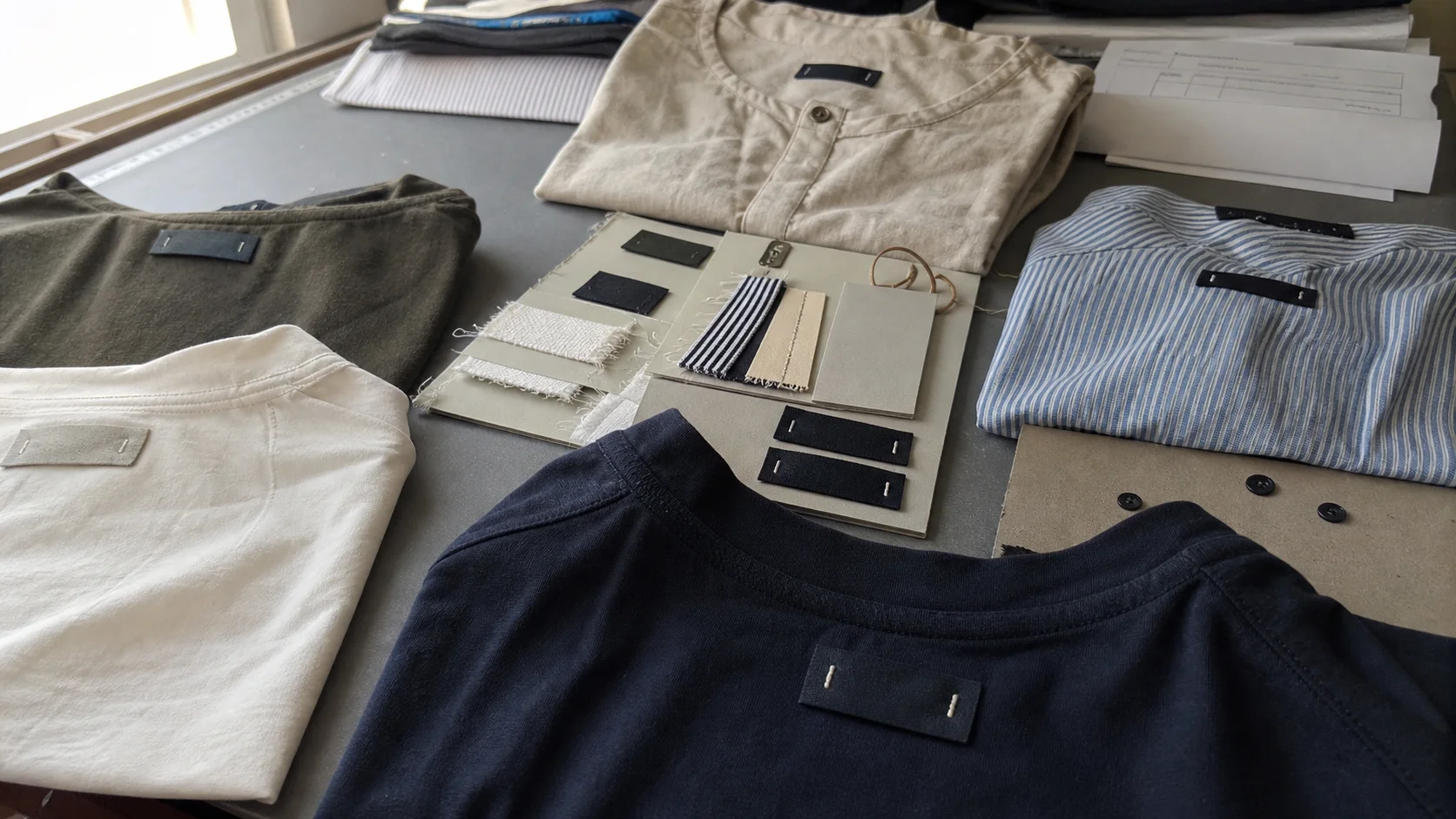
In apparel sourcing, the back neck tab may be a woven label, printed label, heat transfer, satin tape, twill tape, self-fabric patch, silicone badge, or narrow printed trim. It can sit inside the collar seam, under the neckline binding, at the center back yoke, or across the inner neck area of T-shirts, sweatshirts, polos, jackets, uniforms, and activewear. The compliance requirements change depending on material, attachment method, decoration process, product category, destination market, and brand claims.
For facilities managers, the objective is not to make the tab more complicated than it needs to be. The objective is to prevent a small component from causing failed inspections, relabeling, customer complaints, export holds, or product recalls. The right checklist makes the factory’s daily controls clear enough for production, quality, purchasing, warehousing, and compliance teams to follow consistently.
Purchasing judgment: if the back neck tab carries brand identity, size, care, country-of-origin, fiber content, performance claims, or certification logos, treat it as a regulated and controlled trim. If it is decorative only, it still needs safety, colorfastness, durability, and workmanship checks.
This article focuses on a back neck tab factory compliance checklist for facilities managers working with decoration and printing suppliers. It is written for practical sourcing decisions: what to specify, what to verify, what to reject, and where the common inspection risks usually appear.
A useful checklist starts with scope. Many back neck tab problems happen because purchasing treats the tab as a design detail, while production treats it as a label, and compliance treats it as a claim-bearing component. Facilities managers should align these views before bulk production starts.
The checklist should define whether the back neck tab is decorative, functional, informational, or regulatory. A decorative tab may only show a logo or graphic. A functional tab may reinforce the neckline or cover a seam. An informational tab may show size, style, batch code, care symbols, or QR code. A regulatory tab may include country-of-origin, fiber content, manufacturer identity, certification marks, or safety warnings.
Once the purpose is clear, managers can decide which controls are mandatory. A printed neck tab on a basic T-shirt may need wash durability, crocking, skin-contact chemical safety, and artwork position checks. A woven tab sewn into children’s apparel may need small-parts consideration, sharp-edge review, restricted substance compliance, and secure seam attachment. A heat transfer neck tab for activewear may need stretch recovery, peel resistance, wash resistance, and heat-press process control.
Back Neck Tab Type Common Use Main Compliance Risks Manager’s Control Point Woven label Brand, size, origin, care data Incorrect content, fraying, rough edges, poor sew security Approved artwork, label data check, seam pull check Printed satin or twill tape Branding, size strips, decorative tabs Ink bleed, poor wash fastness, curling, shade variation Ink specification, wash test, roll shade control Heat transfer label Tagless branding, activewear, tees Peeling, cracking, migration, incorrect heat settings Press temperature, dwell time, pressure log Self-fabric tab Premium trims, seam cover, tonal branding Raw-edge fray, shrinkage mismatch, bulky seam Fabric compatibility and sewing allowance Silicone or rubber badge Sportswear, outerwear, promotional apparel Restricted substances, detachment, odor, stiffness Material declaration and attachment testingManagers should also define ownership. Merchandising may own artwork. Compliance may own label data. Production may own attachment. Quality may own inspection. Warehouse teams may own segregation and traceability. Without clear ownership, the factory may approve a nice-looking tab that fails the buyer’s label rules or destination-market requirements.
The material specification is the first defense against compliance drift. A back neck tab should not be ordered from a vague description such as “black printed label” or “soft woven neck tape.” The purchase specification should describe the base material, construction, dimensions, color, finish, decoration method, attachment method, packing, and testing requirements.
For woven tabs, specify yarn type where relevant, label density, edge finish, fold type, size tolerance, ground color, logo color, and softness requirement. A damask woven label usually gives cleaner detail than a lower-density woven label, but it can cost more and may feel firmer against the neck. Satin woven labels can feel smooth, though they may snag or fray if cut and folded poorly. Cotton or recycled polyester woven options may support brand positioning, but claims need documentation.
For printed tapes, specify base tape composition, width, thickness or weight where available, ink type, print side, print repeat, color tolerance, and hand feel. The factory should verify whether the tape shrinks, twists, curls, or bleeds under washing. A soft tape is more comfortable, but it may distort during sewing. A stiffer tape is easier to align, but it may cause wearer irritation or neckline puckering.
For heat transfer tabs, specify transfer film type, adhesive system, finish, stretch level, opacity, application temperature, dwell time, pressure, peel method, and wash durability requirement. The garment fabric matters. A transfer that performs on cotton jersey may not perform on brushed fleece, nylon spandex, rib, or moisture-wicking polyester. Dye migration is also a common risk on dark polyester, sublimated fabrics, and high-stretch sportswear.
For self-fabric tabs, specify the same fabric as body or contrast fabric, grain direction, cut method, folding, seam allowance, and shrinkage compatibility. This is often selected for premium appearance, but it creates production sensitivity. If the tab fabric shrinks more than the garment body, the neckline can pucker after washing. If it is too thick, the collar seam may become uncomfortable.
Purchasing tradeoff: a lower-cost tab can be acceptable if it is decorative, non-claim-bearing, and proven through testing. For regulated information, private-label branding, or premium apparel, the safer choice is a controlled trim supplier with documented material traceability and repeatable color matching.
Back neck tabs often involve small-format printing, which increases the risk of fuzzy text, registration errors, poor opacity, and illegible symbols. The factory should control the print process with the same seriousness used for larger decoration placements.
Common methods include screen printing, pad printing, rotary printing, digital printing, sublimation, heat transfer, and woven-in branding. Each method has different risks. Screen printing can deliver strong opacity, but small text may fill in if the screen mesh, ink viscosity, or curing is wrong. Digital printing can handle detail and variable data, yet color consistency and wash fastness need verification. Sublimation can be durable on polyester, but it is usually unsuitable for cotton and can migrate into surrounding areas. Heat transfer is clean and common for tagless labels, though press settings must be controlled at every production line.
Facilities managers should require an approved strike-off before bulk. A strike-off is not just a color check. It should confirm line sharpness, text height, logo spacing, barcode or QR readability if used, ink penetration, hand feel, opacity, and wash behavior. If the tab includes legal or care information, readability after wash matters more than fresh appearance.
Decoration Method Best Use Typical Risk Factory Control Screen print Opaque logos and simple text Ink cracking, heavy hand, text fill-in Mesh selection, curing check, wash test Digital print Detailed art and variable data Shade variation, weak crocking, low durability Color profile, pre-treatment control, rub test Heat transfer Tagless neck labels Peeling, migration, shine marks Temperature, pressure, dwell time records Woven branding Durable premium labels Rough hand, poor small detail Density approval and edge inspection Sublimation Polyester tape or fabric Bleeding, poor match on non-poly bases Fabric compatibility and migration testInk and transfer chemistry must be reviewed for restricted substances. Facilities managers should request current declarations and test reports where required by the buyer or destination market. For skin-contact neck areas, pay close attention to azo dyes, formaldehyde, phthalates where relevant, heavy metals, organotin compounds, allergenic disperse dyes, and any buyer-specific restricted substance list.
Factories should also maintain curing or pressing records. A heat transfer label applied at the wrong temperature can pass visual inspection and fail after a few washes. A printed tape that is under-cured may rub off during packing or during the first home laundry cycle. Line operators need approved machine settings displayed at the workstation, not only stored in a technical file.
Brands that need reliable decoration support can review relevant production capabilities through Fabrikn’s services. For a compliance-sensitive tab, share the artwork, garment fabric, destination market, and testing expectations before confirming the supplier route.
A back neck tab becomes a higher-risk component when it carries consumer-facing information. Country-of-origin, fiber content, care instructions, RN or manufacturer identification, certification logos, size, and safety statements must match the approved product record. The tab should never be treated as a place for informal copy changes.
Facilities managers should create a label data approval gate. The gate should compare the tab artwork against the purchase order, bill of materials, care label master, packaging artwork, carton markings, online product description, and any certification scope. If the neck tab says “organic cotton,” the factory should have proof that the garment material and chain-of-custody process support that claim. If it says “recycled polyester,” supporting transaction documentation may be needed depending on the program and buyer requirements.
Size markings also need control. Incorrect size tabs are a common and costly mistake because the garment may otherwise be acceptable. Mixed size tabs in the sewing line can lead to wrong-size shipments, relabeling, or customer returns. Facilities managers should require size-wise trim segregation, line-side issuance records, and first-piece checks at the start of every size change.
Care symbols and text must be readable and correct for the actual garment, not copied from a previous style. Decoration and trims can affect care instructions. A garment body may tolerate tumble drying, while a heat transfer neck tab, foil print, silicone badge, or bonded decoration may not. The care instruction should reflect the complete product.
Purchasing judgment: do not approve a back neck tab with sustainability, performance, or certification claims unless the documentation is already available. A beautiful label with an unsupported claim can create more risk than a plain label.
Regulatory requirements vary by selling market and product type. Managers should not rely on a generic global label unless the buyer confirms it. Children’s apparel, uniforms, protective garments, medical-adjacent apparel, and licensed products often have extra rules. Licensed logos may also require strict artwork control and disposal procedures for rejected trims.
Facility-level compliance depends on how trims move through the factory. Back neck tabs are small, easy to mix, and often similar across styles. A manager’s checklist should cover receiving, storage, issuance, line control, rework, rejection, and leftover disposal.
At receiving, the warehouse should compare each trim delivery against the purchase order, approved sample, packing list, lot number, color standard, and quantity. The incoming quality control team should inspect dimensions, color, print clarity, fold accuracy, edge quality, odor, contamination, and packing condition. Any mismatch should be quarantined before trims enter production.
Storage should prevent contamination, yellowing, moisture damage, crushing, and lot mixing. Printed transfers and heat-applied labels may require temperature and humidity control. Some transfer films can become difficult to peel or bond after poor storage. Woven labels and tapes should stay bagged or boxed until issued to avoid lint, dust, and oil contamination.
Line issuance should be controlled by style, color, size, and production batch. A simple bin system can work if it is disciplined. For complex orders, barcode scanning or controlled trim cards may be better. The key is to prevent a line operator from using leftover tabs from a previous order because they look similar.
Facilities managers should also control rejected and obsolete tabs. Branded trims, licensed labels, and claim-bearing components should not be discarded casually. The factory should have a documented method for counting, defacing, destroying, or returning unused trims according to buyer instructions. This protects the brand and reduces the risk of unauthorized use.
If a facility needs help mapping production steps from artwork through bulk delivery, the team can discuss project requirements through Fabrikn’s contact page. Early review is useful because many neck tab issues are easier to prevent before trims are ordered.
Sample approval should be structured, not informal. A back neck tab may pass a visual review on a desk and still fail when sewn into a garment, washed, stretched, pressed, or packed. The approval workflow should test the tab as a component and as part of the finished garment.
The first step is artwork approval. The factory should confirm file format, logo proportion, fonts, text content, color references, placement, and version number. For small labels, minimum text height and line spacing are important. A logo that works on a hangtag may not work on a 20 mm neck tab.
The second step is material approval. The supplier should submit base material swatches, trims, woven strike-offs, printed strike-offs, or transfer samples. Managers should check color, hand feel, edge quality, thickness, opacity, and durability expectations. If the garment is worn close to the skin, softness and edge comfort matter.
The third step is attachment trial. A tab should be tested on the real garment fabric or approved bulk-equivalent fabric. Sewing tension, stitch length, seam allowance, needle size, thread type, heat settings, and operator handling can all affect the result. Necklines are curved and visible, so even slight distortion can look poor.
The fourth step is wash and wear simulation. At minimum, check after one wash and after multiple washes according to buyer standards. Typical checks include peeling, cracking, fading, bleeding, curling, shrinkage, pilling, edge fray, seam puckering, and wearer comfort. Heat transfer labels should be checked for cracking during stretch and recovery, especially on rib or elastane fabrics.
The fifth step is pre-production approval. The approved tab, garment placement, and attachment method should be signed off before bulk trims are released. The pre-production meeting should include production, quality, warehouse, compliance, and line supervisors. Photos and sealed samples help reduce interpretation errors.
Approval Stage What to Review Who Should Sign Off Common Failure Artwork Text, logo, size, symbols, color references Buyer, merchandising, compliance Wrong claim or outdated file Strike-off Print clarity, color, material, hand feel Quality, buyer, product team Poor readability or shade mismatch Attachment trial Sewing or heat application on real fabric Production, quality, technician Puckering, peeling, distortion Wash test Durability, shrinkage, colorfastness Quality and compliance Cracking, bleeding, fraying Pre-production Full garment appearance and records Factory manager and buyer representative Approved sample not followed in bulkBack neck tab purchasing often looks minor in the overall bill of materials, but MOQ and lead time can affect production planning. Facilities managers should check trim lead times before committing to a garment delivery date, especially when labels are custom woven, printed with special inks, certified, licensed, or size-specific.
Typical MOQ ranges vary by supplier, material, and process. For custom woven labels, a practical MOQ may range from 1,000 to 5,000 pieces per design or color, though smaller trial quantities may carry a setup charge. Printed tapes may require roll-based MOQs, often from a few hundred meters to several thousand meters depending on print method. Heat transfer neck labels may start around 500 to 2,000 pieces for simple designs, while specialized films, reflective effects, silicone transfers, or variable data can require more.
Digital methods may support lower MOQs, but unit cost is usually higher. Woven labels may offer better bulk cost at scale, but the setup and approval cycle can be longer. Heat transfers can be efficient for tagless programs, yet they require process discipline and suitable fabric. Facilities managers should not choose only by unit price. The better option is the one that meets compliance requirements with the least rework risk.
Trim Type Typical MOQ Range Typical Sampling Lead Time Typical Bulk Lead Time Custom woven neck tab 1,000-5,000 pcs per design 5-10 working days 10-20 working days after approval Printed satin or twill tape 300-3,000 meters depending on process 5-12 working days 10-25 working days after approval Heat transfer neck label 500-2,000 pcs for standard designs 3-10 working days 7-18 working days after approval Silicone or rubber badge 1,000-5,000 pcs depending on mold 10-20 working days 15-35 working days after approval Self-fabric tab Usually tied to garment fabric MOQ Depends on fabric approval Depends on cutting and sewing scheduleThese ranges are general sourcing references, not guaranteed supplier terms. Lead time depends on artwork readiness, material availability, color approvals, testing requirements, factory capacity, holiday periods, shipping method, and buyer response time. A trim that needs restricted substance testing or claim verification should be planned earlier than a basic decorative tab.
Managers should also plan for wastage. Small trims can be lost, damaged, misapplied, or rejected during production. A typical buffer may range from 2% to 5% for simple sewn labels and higher for heat transfers during setup or training. Expensive branded trims should not be over-ordered casually, but ordering exactly the garment quantity can be risky if rework occurs.
Back neck tab inspection should happen at several points: incoming trim inspection, first-piece approval, inline inspection, end-line inspection, finishing inspection, and final random inspection. Waiting until final inspection is too late because neck tab defects often require opening seams, removing transfers, or replacing labels.
Incoming inspection should verify trim identity, dimensions, color, material, print quality, lot number, odor, contamination, and packing. For printed or heat transfer items, the factory should test a small sample before releasing the lot to production. The goal is to catch supplier-side defects before the sewing line builds them into garments.
First-piece inspection should confirm center-back placement, distance from neckline seam, orientation, straightness, fold direction, thread color, stitch length, seam allowance, and appearance from both inside and outside. For heat transfers, check no scorch mark, shine mark, adhesive outline, ghosting, peeling edge, or fabric distortion.
Inline inspection should monitor consistency. Operators may start correctly and drift as speed increases. Heat presses may vary by platen temperature. Sewing machines may develop tension issues. Trim bins may be refilled incorrectly. Facilities managers should require hourly or batch-based checks for high-risk orders.
Final inspection should review appearance, information accuracy, durability signs, and packing impact. Tabs can curl or crease during pressing and folding. Heat transfer labels can stick to tissue or polybags if not fully cured or cooled. Woven labels can irritate the wearer if cut edges are exposed.
Inspection standards should define acceptable tolerance. For example, placement may allow a small variation from center back if the buyer accepts it, but a size mismatch should be a critical defect. Illegible regulatory text should also be treated as serious. Facilities managers should align the defect classification with the buyer’s AQL standard and product risk level.
For destination-sensitive programs, third-party lab testing may be required. Tests may include colorfastness to washing, rubbing, perspiration, saliva for certain children’s products, dimensional stability, attachment strength, peel strength, and restricted substances. Testing should use the final approved material and process, not only early development samples.
Supplier qualification is part of the checklist. A back neck tab supplier does not need to be overly large, but it should be able to document materials, control production, match approved samples, and respond quickly to quality issues.
Facilities managers should ask practical questions before confirming a supplier. The answers should be clear enough for production planning, not only sales-friendly. If the supplier cannot explain base materials, printing chemistry, tolerances, storage conditions, or test history, the factory may be taking unnecessary risk.
Supplier selection should also consider communication. Neck tab errors are often detail errors: one wrong word, one outdated logo, one unapproved size set, or one missing language. A supplier that asks careful questions may be more valuable than one that gives the fastest quotation.
Buyers evaluating production partners can learn more about company background and operating approach through Fabrikn’s about page. For compliance-sensitive decoration, the buyer and supplier should define expectations before quoting, not after the first defect report.
The following checklist is designed for facilities managers overseeing back neck tab sourcing, printing, attachment, and final inspection. It can be adapted by garment type, buyer standard, and destination market.
Checklist Area Required Control Evidence to Keep Risk if Missed Artwork control Approved version, logo, text, size, color, and claims Signed artwork file and approval date Wrong branding or legal information Material specification Base material, dimensions, finish, fold, tolerance Trim spec sheet and approved sample Poor comfort, shrinkage, fray, mismatch Chemical compliance Restricted substance review for inks, dyes, transfers Supplier declaration or lab report Buyer rejection or regulatory failure Claim verification Support for organic, recycled, performance, or certification claims Certificates, transaction records, scope documents Unsupported marketing claim Incoming inspection Lot check, shade, print clarity, dimensions, odor, count IQC report and retained sample Defective trims entering production Storage control Segregation by style, size, lot, color, and buyer Warehouse labels and inventory records Mixed trims or damaged transfers Line setup First-piece approval for placement and attachment First-piece record and photo Bulk misplacement or wrong method Process settings Heat press or sewing settings controlled and recorded Machine setting log Peeling, puckering, weak attachment Inline inspection Regular checks by bundle, hour, or production lot Inline QC report Defect spread across bulk order Final inspection Appearance, accuracy, durability signs, packing impact Final QC report Shipment rejection or returns Leftover control Count, segregate, destroy, return, or store under approval Trim reconciliation record Unauthorized use or mix-upThis procedure is intentionally direct. It gives managers a workable system without requiring unnecessary paperwork. The main discipline is consistency: the same approved tab, the same data, the same attachment method, and the same inspection standard from sampling through shipment.
Facilities managers often need to balance cost, durability, comfort, appearance, and delivery speed. The cheapest trim is not always the lowest-cost decision if it leads to rework. The most premium trim is not always necessary if the garment is a basic promotional product with a short lifecycle and limited claim requirements.
For high-volume basics, a printed or heat transfer neck label may reduce sewing time and improve wearer comfort. The tradeoff is process control. Heat, pressure, fabric compatibility, and wash durability must be reliable. For premium apparel, a woven or printed tape can create a stronger brand impression, but edge comfort and seam bulk need attention. For children’s apparel, safety and attachment security should carry more weight than decorative effect.
For speed-sensitive programs, use standard materials and avoid unnecessary special effects. Metallic inks, reflective transfers, silicone badges, recycled claim labels, and licensed artwork can all be valid choices, but each one adds approval points. If the delivery window is tight, keep the back neck tab simple and compliant.
For sustainability-led programs, verify claims before design approval. A recycled label on a conventional garment can confuse the claim. A certification logo outside the supplier’s scope can create compliance exposure. A simpler claim-free label may be safer when documentation is incomplete.
Good records help resolve disputes quickly. If a buyer reports peeling, fading, wrong size, or label mismatch, the facility should be able to identify the trim lot, supplier, approval date, production line, machine settings, and inspection results.
Record retention should match buyer requirements and applicable regulations. A practical approach is to keep all back neck tab documentation with the style file and purchase order records. Digital copies are useful, but physical approved samples are still important for shade, hand feel, edge quality, and construction reference.
Some warning signs should stop production until corrected. A facilities manager should not allow bulk sewing or heat application when label data is unapproved, trim lots are mixed, supplier documents are missing for claim-bearing labels, heat press settings are unknown, or the approved sample is unavailable at the line.
Other red flags include strong odor from printed trims, ink rubbing off during handling, curled transfer sheets, inconsistent label width, poor fold accuracy, unreadable text, incorrect care symbols, and trims delivered in unmarked bags. Any one of these can expand into a bulk issue if the line proceeds under delivery pressure.
Managers should also watch for artwork changes after sample approval. A late logo update, size range expansion, new destination market, or fiber content change can make the existing back neck tab incorrect. Change control should require re-approval and, where needed, new testing.
A compliant back neck tab is the result of controlled information, controlled material, controlled decoration, controlled attachment, and controlled inspection. It is not only a design detail. It is a small component with direct impact on brand presentation, consumer information, wearer comfort, and shipment acceptance.
The best checklist is practical enough for factory use. It should tell teams what to check, when to check it, who approves it, what evidence to keep, and what defects require rejection. Facilities managers who build this discipline into daily production reduce rework, protect buyers, and keep decoration and printing details aligned with the finished garment requirement.
Get a free quote from Fabrikn — your trusted B2B clothing manufacturer with 10+ years of experience. MOQ as low as 200 pieces.
Get a Free Quote →A back neck tab is a small label, tape, transfer, patch, or trim placed at the back neck area of a garment. It may show branding, size, care information, country-of-origin, fiber content, or decorative graphics. The compliance requirements depend on its function and the information it carries.
Back neck tabs can contain regulated information, brand claims, certification marks, or skin-contact materials. If the tab is wrong, poorly attached, chemically noncompliant, or unreadable after washing, the garment can fail inspection or require costly rework.
Typical MOQs vary by process. Custom woven labels often range from 1,000 to 5,000 pieces per design. Printed tapes may be ordered by roll or meter, often from a few hundred to several thousand meters. Heat transfer neck labels may start around 500 to 2,000 pieces for standard designs. Supplier terms, material, artwork, and setup requirements can change these ranges.
The specification should include base material, dimensions, tolerance, color standard, artwork version, decoration method, ink or transfer type, attachment method, stitch or heat settings, testing requirements, packing, lot identification, and storage guidance.
Common defects include wrong size label, incorrect artwork, off-center placement, tilted sewing, loose stitches, unreadable print, shade mismatch, ink bleeding, heat transfer peeling, cracking, scorching, fraying, curling, rough edges, odor, and mixed trims within the same order.
The factory should approve artwork, review material samples or strike-offs, test attachment on actual garment fabric, check wash durability, confirm label data, and sign off a pre-production garment. Bulk production should not start until the approved sample and process settings are available to the line.
Neither option is always better. Heat transfer labels can improve comfort and reduce sewing, but they require strict heat press control and fabric compatibility. Woven labels can look premium and durable, but they may add seam bulk or irritation if the edge finish is poor. The best choice depends on garment fabric, buyer standard, order volume, cost target, and durability requirement.
Managers should keep approved artwork, trim specifications, physical approved samples, supplier declarations, test reports, incoming inspection records, first-piece approvals, process setting logs, inline inspection reports, final inspection reports, and leftover trim reconciliation records.
Sustainability claims can be printed only when they are supported by proper documentation and approved by the buyer. Claims such as organic, recycled, certified, low-impact, or eco-friendly should not be added unless the garment materials, production process, and certification scope support the claim.
Managers should stop and clarify before proceeding if artwork is unapproved, trim data conflicts with the bill of materials, test reports are missing, label claims are unsupported, destination-market requirements are unclear, heat settings are unknown, or incoming trims do not match the approved sample.