
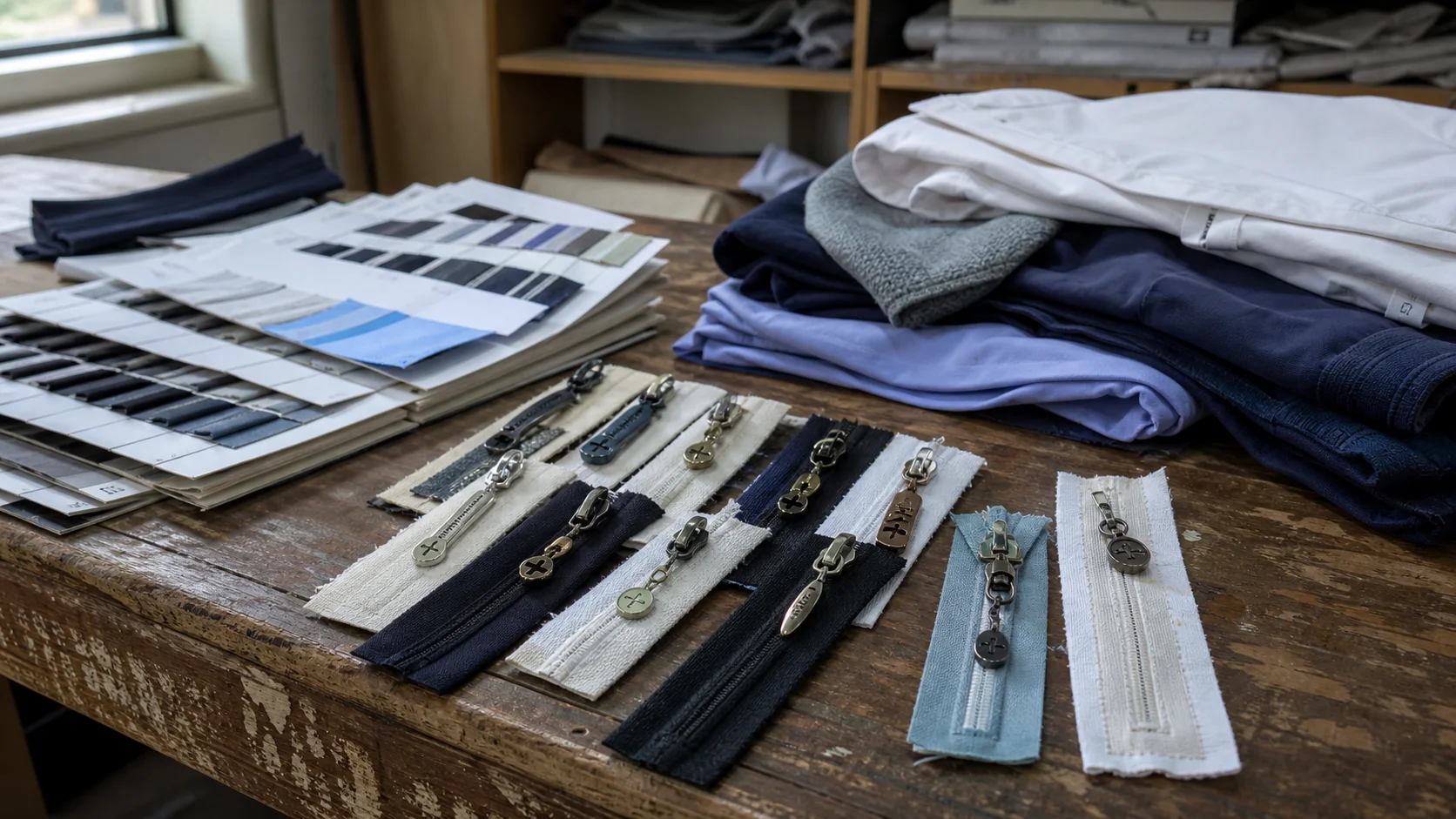
A pharmacy operations-focused outline for auditing wholesale zip puller charm colorfastness before deployment on staff apparel, medicine delivery bags, and patient-facing pharmacy accessories.
Zip Puller Charm Colorfastness Audit for Pharmacy Buyers - Decoration & Printing manufacturing guide
Wholesale zip puller charm colorfastness audit work sounds narrow until a pharmacy operations team has to manage staff uniforms, patient-facing pouches, promotional bags, sample kits, travel cases, and branded accessories across multiple locations. A small charm attached to a zipper can carry brand color, department coding, campaign messaging, or quick visual identification. If that charm bleeds dye, rubs off onto white coats, stains medication delivery bags, or fades after repeated sanitizing, it becomes a quality complaint rather than a decoration detail.
For pharmacy buyers, colorfastness is not only about looking neat. It touches hygiene perception, brand consistency, staff confidence, and reordering discipline. A zip puller charm may be made from PVC, silicone, TPU, rubberized material, coated metal, woven tape, printed polyester, leatherette, or injection-molded plastic. Each material behaves differently when exposed to alcohol wipes, hand sanitizer, detergent, sweat, abrasion, UV light, and warehouse humidity.
This guide is written for pharmacy operations teams sourcing wholesale zip puller charms under the Decoration & Printing category. It explains how to structure a colorfastness audit before placing a bulk order, what to ask from suppliers, which test risks matter most, and where purchasing tradeoffs usually appear.
Pharmacy environments are tough on decorative components. A zip puller charm may be touched dozens of times per day by staff using sanitizer, gloves, lotions, or alcohol-based cleaning agents. It may rub against white lab coats, polyester scrub tops, insulated medicine bags, paper labels, or laminated ID cards. If the charm is printed or dyed poorly, the color transfer can show up quickly.
The risk is higher when the charm is dark, saturated, neon, metallic, or made with soft-touch coatings. Pharmacy buyers often prefer strong brand colors because they stand out on staff bags and patient programs. The buying problem is that stronger color often means higher scrutiny. Deep red, navy, black, bright green, purple, and fluorescent tones should be treated as higher-risk shades unless the supplier has credible test data for the exact material and finish.
Colorfastness problems can create several operational headaches:
A colorfastness audit is a low-cost quality control step compared with replacing thousands of defective pullers. It should be built into the sourcing process before artwork approval, not treated as a post-production check.
The right audit starts with knowing what is being tested. “Zip puller charm” is a broad product description. Two charms can look similar but have completely different colorfastness behavior because of their base material, surface treatment, and decoration method.
Material or Finish Common Decoration Method Colorfastness Watchpoint Purchasing View Soft PVC Molded color, injected logo, printed detail Plasticizer migration, surface tack, dye transfer Good for shaped charms, but request migration and rub checks for dark colors. Silicone Debossed, embossed, color-filled, screen printed Ink adhesion and sanitizer resistance Durable hand feel, usually strong for repeated handling if printing is controlled. TPU or rubberized plastic Injection molding, coating, pad print Coating peel, color rubbing, softening from alcohol Check carefully for pharmacy use because cleaning agents may affect coatings. Metal with enamel Soft enamel, hard enamel, plating Plating discoloration, enamel chipping Premium look, higher unit cost, lower dye-bleed risk than many soft materials. Woven polyester tape puller Jacquard weave, heat transfer, sublimation Dye bleed during washing, crocking on light fabric Good for lightweight pulls, but test against white cotton and polyester. Leatherette or PU Embossing, foil stamping, screen printing Surface cracking, pigment rub-off, edge staining Can look retail-grade, but less ideal for high-sanitizer settings.For pharmacy operations, silicone, molded PVC, and enamel metal are common choices. Silicone tends to perform well when the logo is molded rather than surface printed. PVC allows more detailed shapes and bright color blocks, but the buyer should check plasticizer and surface transfer risk. Metal charms reduce dye-bleed concerns but add weight and can scratch nearby surfaces if the attachment is not controlled.
A useful audit is not a single “pass/fail” label. It is a structured review of the color, material, decoration, end use, and acceptance standard. Pharmacy buyers should define the audit scope in writing before sampling. That keeps the supplier from testing only the easiest condition.
The base material must hold its color under normal use. For molded charms, this means checking whether pigment is mixed into the material or only applied as a surface coating. Pigment-through materials generally reduce visible scratch and fade risk. Surface-coated materials can look sharp at first but may fail abrasion or alcohol wipe tests.
Many pharmacy charms carry a logo, RX icon, department name, patient program mark, or color-coded message. Fine print is often applied by screen print, pad print, UV print, or heat transfer. The audit should check ink adhesion, edge clarity, and resistance after rubbing. Printed white over dark material is a common weak point because poor ink opacity can make the logo look gray or uneven.
Rubbing, also called crocking in textile contexts, is one of the most important checks. A charm that passes dry rubbing but fails wet rubbing may stain light fabric when handled with sanitizer or moisture. Buyers should require testing against white cotton cloth and, when relevant, white polyester fabric similar to lab coats or uniform tops.
Pharmacy teams work around alcohol wipes, hand sanitizer, and disinfecting routines. A decoration that performs well in ordinary retail use may soften, smear, dull, or transfer color after alcohol exposure. The audit does not need to copy every cleaning protocol, but it should include a controlled wipe test using the expected exposure type where possible.
If the charm is attached to washable staff pouches, laundry bags, uniform accessories, or reusable campaign items, ask whether the charm can withstand washing. A low-temperature hand-wash claim is not the same as repeated machine washing. For detachable zip pullers, pharmacy teams may choose to remove charms before laundering, but that instruction must be realistic for staff compliance.
Some charms sit in storage before rollout. Others are exposed to store lighting, delivery vehicles, or window-facing retail areas. Lightfastness and storage stability matter when brand color must remain consistent across phased distribution. Bright orange, red, pink, and fluorescent pigments can fade faster than muted colors.
Purchasing judgment: if the charm will touch white coats, patient-facing pouches, or medication delivery bags, treat wet rubbing and sanitizer resistance as core approval tests, not optional checks.
Large organizations may require lab testing through recognized third-party laboratories. Smaller pharmacy operations may use supplier testing plus internal handling trials. The right choice depends on order value, complaint risk, launch deadline, and whether the charm is part of a regulated or patient-facing program.
Common reference methods may include colorfastness to rubbing, washing, perspiration, light, and chemical exposure. Suppliers may refer to ISO, AATCC, ASTM, or internal standards. A buyer does not need to become a lab technician, but the purchase order should specify which risks must be checked and what grade or result is acceptable.
A dry rub test checks whether color transfers onto a clean white cloth under friction. It is relevant for charms that rub against uniforms, bags, paper inserts, and packaging. For dark-colored PVC, PU, coated TPU, and printed charms, dry rub testing should be standard.
A wet rub test uses a damp white cloth. For pharmacy use, the buyer should consider a separate alcohol wipe simulation if sanitizer contact is expected. Wet rub failure is often more damaging than dry rub failure because stains may appear when staff handle the charm after washing hands or using sanitizer.
A simple practical method is controlled wiping with an alcohol-based wipe for a set number of strokes, followed by visual inspection and rub transfer review. The supplier should confirm whether the test was done on the printed logo, the base color, and any coating. Testing only the back side or unprinted area is not enough.
Zip pullers are handled directly. Synthetic perspiration testing may be relevant for large programs, especially if charms are used on staff accessories worn close to the body. Color transfer from sweat is less obvious during initial sampling but can become visible after daily use.
Abrasion is different from color transfer. A charm may not bleed but may lose its logo or coating after repeated friction. Ask for an abrasion check on raised edges, corners, logo fills, and attachment holes. Small charm holes can wear quickly if the cord, split ring, or metal loop is rough.
For pharmacy operations teams without formal lab capacity, internal simulation is still useful. Place sample charms on the actual zipper style, handle them with clean hands and sanitizer-treated hands, rub them against white coat fabric, and leave some in a warm storage environment. This does not replace lab testing, but it can reveal practical failures before bulk production.
A clean sample approval process prevents disputes. The biggest mistake is approving a visual sample without approving material, finish, test performance, and attachment construction. Pharmacy buyers should treat the approved charm as a controlled component.
State where the charm will be used. A charm for a patient giveaway pouch faces different risk than one for internal pharmacy inventory kits. Mention whether it will touch white coats, reusable bags, insulated packs, scrub pockets, paper packaging, or medication delivery cases.
Ask the supplier to specify material type, hardness if relevant, Pantone or brand color reference, surface finish, and whether color is pigment-through or coated. For woven tape pullers, request yarn composition, dye method, width, thickness, and edge finishing.
Confirm logo size, line thickness, color separation, print method, and whether the artwork includes small reversed text. Decoration methods have limits. A tiny white RX symbol on a dark flexible charm may need molded detail instead of surface print for better durability.
Pre-production samples should use the same material, mold, color, ink, coating, and attachment method planned for bulk production. Digital renders are useful for layout, but they do not prove colorfastness. A lab dip or color chip may help confirm shade before the charm mold is cut.
Test the charm against the actual likely risks: dry rub, wet rub, alcohol wipe, abrasion, and storage. For larger orders, use a third-party lab or require the supplier to provide formal test reports tied to the exact sample batch. Check that the report identifies the material and color tested.
Keep a signed or sealed approved sample. The supplier should keep a matching reference. This sample becomes the comparison standard for bulk inspection. Without it, color differences and logo dullness become subjective arguments.
Define acceptable shade tolerance, logo placement tolerance, attachment strength, surface defects, odor, stain marks, and packaging condition. Include colorfastness retesting if the order is high-volume or if production uses a new dye lot.
Wholesale zip puller charm MOQ depends heavily on material, mold requirements, color count, and decoration method. Buyers should be cautious with suppliers offering extremely low custom MOQs for complex designs because the setup cost must be recovered somewhere, usually through higher unit cost, simplified material, or limited testing.
Charm Type Typical Custom MOQ Range Typical Sampling Time Typical Bulk Lead Time Soft PVC molded charm 500 to 3,000 pieces 7 to 15 days after artwork approval 15 to 30 days after sample approval Silicone molded charm 500 to 2,000 pieces 7 to 14 days 15 to 28 days Metal enamel charm 300 to 1,000 pieces 10 to 20 days 20 to 35 days Woven tape zipper pull 1,000 to 5,000 pieces 7 to 12 days 15 to 30 days Printed PU or leatherette puller 500 to 2,000 pieces 7 to 15 days 18 to 35 daysThese are general commercial ranges, not guaranteed quotes. Actual MOQ can shift based on mold size, number of colors, plating requirement, packaging, testing, and seasonal capacity. Pharmacy buyers with multiple locations should also consider whether they need one master order or staggered releases.
Lead time depends on several practical items:
For a pharmacy rollout tied to a seasonal flu program, vaccine campaign, store refresh, or staff uniform launch, build the timeline backward. Sampling, testing, correction, production, inspection, packing, and shipping all need space. Rushing usually removes the time needed to catch colorfastness failures.
Good suppliers can answer detailed material and testing questions without overpromising. Weak suppliers often answer every question with “no problem” but cannot identify the ink, coating, or testing method. Pharmacy buyers should make the request specific and written.
Buyers sourcing through a manufacturing partner can align these questions with the broader apparel or accessory program. For teams comparing production routes, a review of decoration, printing, and finishing support at fabrikn.com/services/ can help frame the right supplier conversation. If the charm must match uniforms, bags, or retail packaging, coordination matters more than chasing the lowest charm quote.
Bulk inspection should not focus only on count and appearance. Colorfastness issues can hide in a shipment that looks acceptable in cartons. Pull samples from different cartons, production dates, or inner packs. If production used more than one material batch, test samples from each batch.
Set rejection triggers before production. For example, any visible staining on white fabric after wet rub may be a critical defect for charms intended to contact white coats. Minor shade variation may be acceptable for an internal inventory pouch but not for a national brand campaign. The buyer’s standard should reflect the use case.
Colorfastness is the audit focus, but attachment quality cannot be ignored. A charm that holds color but falls off is still a failed component. Check split rings, cords, molded holes, metal eyelets, and zipper compatibility. If the zipper slider has a small aperture, the puller loop may rub more aggressively and accelerate color wear.
For patient-facing items, also review choking hazards, sharp points, and detachable small parts where applicable. Pharmacy operations teams should consult internal safety and compliance personnel when charms are used on products accessible to children or patients.
The best charm specification depends on the pharmacy use case. A one-size-fits-all approach often leads to overpaying for simple internal items or under-specifying patient-facing goods.
For staff pouches, small cases, or uniform accessories, prioritize sanitizer resistance, wet rub performance, and low odor. Silicone with molded branding may be a practical option. Dark PVC can work, but it should pass transfer testing against white coat fabric.
Delivery bags face handling, vehicle heat, friction, and repeated cleaning. Avoid delicate surface prints. Choose pigment-through materials, durable molded logos, or metal/enamel options if weight and noise are acceptable. Packaging teams should also check whether the charm scratches clear windows or label pockets.
For patient-facing promotional pouches, the charm must look clean and consistent. Unit cost pressure is usually higher. A printed charm may be acceptable if the program is short-term and colorfastness tests pass. Buyers should avoid finishes that feel sticky or smell strongly after unpacking.
Color-coded charms can help identify immunization kits, compounding supplies, consultation materials, or store departments. In this case, color accuracy matters for function as well as branding. Request stable color references and avoid shades too close to each other under store lighting.
Training kits and event materials are handled repeatedly but may not be washed. Abrasion and logo durability become more important than laundry resistance. If the item is stored between events, check whether charms leave marks on adjacent fabric or paper inserts during warm storage.
The cheapest charm is rarely the lowest-cost choice if a failed lot creates store-level complaints. That does not mean every order needs premium enamel or third-party lab testing. It means the audit level should match the exposure risk.
For a small internal batch, a supplier report plus internal wet rub and sanitizer trial may be enough. For a chain-wide rollout, branded patient campaign, or item touching white uniforms, formal testing is easier to justify. The inspection cost is small compared with replacing decorated accessories across hundreds of users.
Material choice should follow use conditions:
There is also a design tradeoff. A highly detailed charm with multiple colors, small print, and a soft coating may look attractive in a presentation but create more production variables. A slightly simpler molded design can be more reliable in daily pharmacy use. Buyers should push for decoration that survives handling, not just decoration that photographs well.
Teams needing a custom program that connects apparel, accessories, decoration, and quality requirements can start with the supplier discussion through fabrikn.com/contact-us/. For background on how a manufacturing partner positions sourcing and production support, fabrikn.com/about-us/ is also relevant when qualifying fit.
A written specification reduces misunderstanding. It should be short enough for suppliers to follow but detailed enough to control risk.
Specification Area Buyer Requirement Why It Matters Material State exact material and finish, not only “rubber charm” Material controls colorfastness and sanitizer response. Color Use Pantone or approved brand color reference with tolerance Prevents shade drift across batches. Decoration Identify molded, printed, enamel, woven, or coated details Different methods fail in different ways. Testing Require dry rub, wet rub, sanitizer wipe, and abrasion review as applicable Targets pharmacy handling conditions. Attachment Confirm cord, ring, loop, slider compatibility, and pull strength Prevents detachment and accelerated wear. Packing Request protective packing and location or department sorting if needed Reduces transit marking and rollout labor. Inspection Define defect levels and retest triggers before shipment Supports clear acceptance or rejection decisions.Price differences between charm quotes are usually explainable. Buyers should compare what is included rather than only unit price. A low quote may exclude mold fees, sample revisions, testing, upgraded attachment hardware, individual packing, or color matching. A higher quote may include better material control and inspection support.
Main cost drivers include:
Pharmacy buyers should be careful with last-minute rush orders. If the deadline is fixed, simplify the design rather than compressing the audit. A single-color molded silicone puller may be safer than a multi-color printed soft charm when there is no time for corrections.
Supplier screening is part of the audit. The goal is not to reject every low-cost factory or trader, but to identify whether the supplier understands the performance requirement. Pharmacy operations teams should watch for vague answers and missing controls.
A reliable supplier does not need to promise perfection. The better answer is usually specific: what can be tested, what the known limitation is, what alternative material is safer, and what lead time is needed to confirm performance.
A wholesale zip puller charm colorfastness audit is a practical safeguard for pharmacy operations teams. The charm is small, but it may sit on products that staff and patients handle every day. The right process checks material, print durability, wet and dry rubbing, sanitizer response, attachment strength, and bulk consistency before rollout.
The strongest buying approach is simple: define the end use, choose a material that fits the handling environment, approve a physical sample, test against real pharmacy risks, and inspect bulk production against a sealed reference. That discipline keeps the charm from becoming the weak point in an otherwise well-managed uniform, pouch, or promotional program.
Get a free quote from Fabrikn — your trusted B2B clothing manufacturer with 10+ years of experience. MOQ as low as 200 pieces.
Get a Free Quote →It is a quality review that checks whether a zip puller charm keeps its color and decoration under rubbing, moisture, sanitizer exposure, abrasion, storage, and normal handling. For pharmacy buyers, the audit helps prevent dye transfer onto white coats, pouches, delivery bags, and patient-facing items.
There is no single best material for every order. Molded silicone is often practical for frequent handling and sanitizer exposure. Soft PVC is cost-effective for shaped and colorful designs but needs stronger transfer testing. Metal enamel gives a premium finish with lower dye-bleed risk, though it adds weight and cost.
Typical custom MOQs range from about 300 to 5,000 pieces depending on material and decoration. Metal enamel charms may start around 300 to 1,000 pieces, while PVC, silicone, PU, and woven pullers often sit around 500 to 5,000 pieces. Exact MOQ depends on mold, color count, packing, and supplier capacity.
Sampling commonly takes 7 to 20 days after artwork approval. Bulk production often takes 15 to 35 days after sample approval. Testing, mold revisions, custom color matching, packaging, inspection, and freight can extend the schedule.
Third-party testing is worth considering for large rollouts, patient-facing campaigns, dark colors, items touching white uniforms, or products exposed to sanitizer. For smaller internal orders, supplier testing plus controlled internal handling trials may be sufficient if the risk is low.
Wet rubbing and sanitizer-related transfer are common concerns in pharmacy settings. A charm may look fine in dry handling but leave marks after moisture, alcohol wipes, or repeated contact with light fabric.
Some printed logos can perform well if the ink, curing, and base material are suitable. Surface printing is still more vulnerable than molded, debossed, embossed, or enamel details. Buyers should test the printed area directly rather than relying on a general material claim.
The purchase order should state material, color reference, decoration method, approved sample status, colorfastness requirements, attachment construction, packaging, inspection criteria, and defect triggers. It should also require supplier notice before any material, pigment, ink, coating, or attachment change.
Simplify the design, use pigment-through material, avoid unnecessary coatings, reduce tiny printed details, and test the highest-risk color before production. A more durable simple charm is usually a better buy than a complex low-cost charm that fails after rollout.
They often sit between accessory sourcing and decoration or printing. For pharmacy operations, they may be part of a uniform, pouch, delivery bag, or promotional kit program. That is why material performance and decoration durability should be reviewed together.