
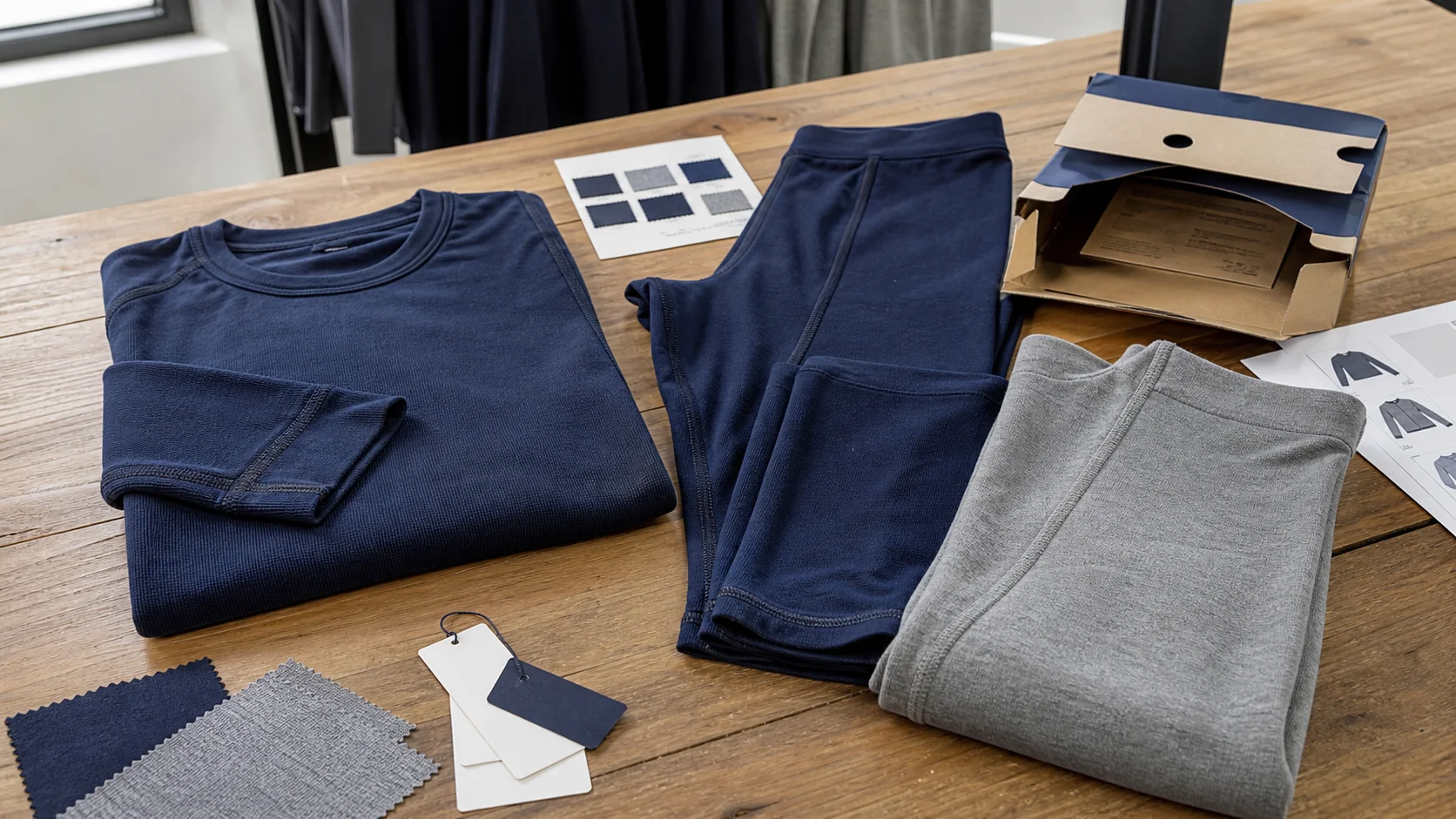
A quality-focused supplier scorecard for outdoor school buyers sourcing bulk chef coats, covering fabric durability, fit, closures, decoration readiness, safety, inspection checkpoints, and field-use performance.
Buying chef coats for an outdoor school is not the same as ordering standard culinary uniforms for a climate-controlled kitchen. Outdoor education programs, camp kitchens, farm schools, wilderness hospitality training, and residential school food teams put garments through harder use: heat, rain, smoke, storage in humid rooms, frequent laundering, and rotation among staff or students with different body types.
A bulk chef coat supplier scorecard for outdoor school buyers helps turn a subjective sourcing decision into a measurable inspection process. It gives procurement teams, program directors, uniform coordinators, and quality managers a shared way to compare suppliers before issuing a purchase order.
This guide is written for buyers who need practical evaluation criteria: fabric weight, construction quality, sizing consistency, trims, labeling, MOQ, sampling, production lead time, packing, and inspection risks. The goal is not to find the cheapest coat. The goal is to avoid uniforms that shrink, yellow, tear at stress points, arrive with inconsistent sizing, or fail after one outdoor season.
Chef Coat Scorecard for Outdoor School Buyers - Fabrikn production reference
Outdoor school buyers often purchase uniforms under tight budget cycles. A program may need chef coats for kitchen staff, culinary instructors, food service students, camp cooks, volunteers, or rotating seasonal teams. The order may be placed once or twice a year, and replacements are not always easy to source mid-season.
That makes supplier selection important. A weak supplier can create problems long after delivery: coats that shrink after industrial washing, buttons that crack, sleeves that restrict movement, fabric that holds smoke odor, or inconsistent grading that makes size allocation difficult.
A scorecard reduces risk by asking direct questions before money is committed. It also helps compare suppliers on more than unit price. In bulk apparel sourcing, a lower FOB or delivered price can be attractive, but the true cost includes rework, returns, replacements, staff dissatisfaction, and rushed freight when garments fail too early.
A practical chef coat scorecard should reward suppliers that provide clear specifications, controlled samples, realistic lead times, and measurable inspection standards. It should penalize vague fabric descriptions, uncertain size charts, and no documented quality control process.
For buyers managing multiple uniform categories, a structured sourcing process can also be supported by an apparel manufacturing partner. Fabrikn outlines production and sourcing capabilities on its services page, which is useful when building vendor requirements for bulk uniform programs.
A chef coat for an outdoor school needs to work across kitchen prep, field cooking, demonstration classes, dining service, and occasional outdoor exposure. It may be worn over base layers in cool weather or in hot, humid conditions near open grills and camp stoves. Standard restaurant chef coats can work, but only if the fabric, fit, and trim choices match the environment.
These settings create different priorities. A fine-dining coat may focus on crisp appearance. An outdoor school chef coat needs a balance of durability, washability, mobility, heat tolerance, and reasonable cost.
The right decision depends on the program. A school ordering 80 coats for seasonal staff has different needs than a district ordering 1,000 coats for multi-site culinary training. The scorecard should reflect those differences without becoming overly complicated.
A useful bulk chef coat supplier scorecard for outdoor school buyers should assign points to the categories that most affect performance. The exact weighting can be adjusted, but quality and service should carry more weight than price alone.
Scorecard Category Suggested Weight What to Check Buyer Judgment Fabric Performance 20% Blend, weight, shrinkage, colorfastness, breathability Critical for outdoor comfort and wash durability Construction Quality 20% Seams, bartacks, button attachment, stress points High priority for repeated use and shared uniforms Fit and Size Consistency 15% Size chart, tolerance, grading, sleeve length, mobility Important when ordering mixed sizes in bulk Trim and Labeling 10% Buttons, snaps, labels, care tags, branding Small details can cause large replacement issues Sampling Process 10% Fit sample, pre-production sample, wash test sample Prevents surprises before mass production MOQ and Pricing 10% Minimum order, size split, price breaks, reorder terms Must match school budget and inventory capacity Lead Time Reliability 10% Material availability, production calendar, shipping method Essential for seasonal programs Inspection and Documentation 5% AQL checks, packing list, measurement report, defect record Confirms the goods match the approved standardA supplier that scores well across these categories is more likely to deliver usable goods, not just attractive quotes. Buyers should request the same information from each supplier to avoid comparing incomplete offers.
Fabric is the starting point for chef coat performance. For outdoor school use, the wrong fabric can make coats uncomfortable, difficult to maintain, or short-lived.
For many outdoor school buyers, a midweight poly-cotton twill is the safest starting point. It offers a reasonable balance between durability, comfort, cost, and care. Very lightweight fabrics may look acceptable in samples but break down faster at cuffs, plackets, and underarms.
Climate matters. A coastal outdoor school with humid summers may prioritize lighter fabric and faster drying. A mountain program operating in cold months may accept a heavier coat that layers well over thermal basewear. A camp kitchen near open flame may prefer cotton-rich fabrics, while a program focused on low-maintenance laundry may prefer polyester-rich blends.
Buyers should be cautious with vague descriptions such as “premium cotton blend” or “durable chef fabric.” Ask for the actual fiber content, fabric weight, weave, and shrinkage data. If the supplier cannot provide those details, score them lower.
Construction quality separates a serviceable bulk chef coat from one that fails mid-season. Outdoor school coats may be pulled from shared laundry bins, worn by different users, hung on hooks, packed into storage tubs, and washed repeatedly. Weak stitching shows up quickly.
Stitch density should be appropriate for the fabric. A typical range may be around 8-12 stitches per inch, depending on fabric and seam type. Too few stitches can weaken the seam. Too many can perforate lighter fabric and cause puckering.
For outdoor school use, reinforcement is not a luxury detail. Pockets, sleeve openings, underarm areas, and placket ends take repeated strain. If the program expects students to wear coats during hands-on outdoor cooking, gardening, or food prep movement, reinforced stress points should be part of the buying standard.
A supplier should be able to show close-up photos of construction or provide a physical sample. Photos alone are not enough for final approval, but they are useful for early screening.
Bulk uniform orders often fail at the size chart stage. Outdoor school buyers may order for adults, teens, seasonal employees, instructors, volunteers, and culinary students. A simple S-M-L size run may not be enough.
For outdoor schools, a slightly relaxed fit is often more practical than a narrow culinary jacket fit. Staff may need to layer underneath. Students may move between kitchen, classroom, and outdoor preparation areas. A coat that looks sharp but restricts movement will not be popular.
Size tolerance should be written into the purchase specification. Common apparel tolerance may vary by measurement point, often around 0.5 inch to 1 inch for larger body measurements, but the exact tolerance should be agreed before production. Tight tolerances can raise rejection risk and cost. Loose tolerances create fit inconsistency.
Ask the supplier for a graded measurement chart across all sizes. Do not approve a bulk order based only on a medium sample. Many problems appear in larger or smaller sizes: sleeves become too long, shoulders grade poorly, or body length changes unevenly.
Trims look minor on a quote sheet, but they often cause real wear problems. Chef coat closures are handled frequently, exposed to heat, and stressed during laundering.
For outdoor school buyers, snaps can be practical, but only if they are rust-resistant and properly attached. Poor snap setting can damage fabric or cause closures to pull out. Buttons should be tested for attachment strength, especially on double-breasted coats.
Care labels should match the actual fabric and trim performance. If coats will be industrially laundered, confirm whether the garment can tolerate the intended wash temperature and drying method. A misleading care label can lead to shrinkage, color loss, or trim failure.
Brand labels, size tabs, and name labels also need planning. Outdoor schools often benefit from clear size identification at the neck or side seam to speed distribution. If coats are assigned to individuals, a writable name label can reduce loss.
Sampling is where buyers protect the order. Skipping samples may save two weeks upfront and cost far more later if the production lot arrives with poor fit or fabric issues.
Not every order needs every stage. A small stock-style order may only need a reference sample and pre-shipment sample. A custom-branded chef coat for a multi-campus outdoor school system should use a more complete approval process.
Sample approval should be written, not casual. A short approval sheet with photos, measurements, and comments is enough for many orders. It gives both buyer and supplier a clear reference if the bulk goods do not match.
Buyers needing help structuring apparel development and approval workflows can review Fabrikn’s about page for company background and sourcing approach.
Minimum order quantity is one of the first commercial issues in chef coat sourcing. MOQs vary by supplier, fabric availability, customization level, and production method.
These are typical ranges, not fixed rules. A supplier using ready fabric may accept a lower MOQ. A mill-dyed custom color may require a higher minimum. Size distribution also matters. Ordering 300 pieces across 12 sizes can be less efficient than ordering the same quantity across six sizes.
Outdoor school buyers should not select the lowest price without reviewing the sample. In chef coats, a small price difference can reflect lighter fabric, weaker stitching, cheaper buttons, or less inspection. If the garment is worn heavily, the slightly better coat can be cheaper over the season.
Uniform programs should plan reorders before the first purchase is placed. Ask the supplier whether fabric and trims will remain available for six to twelve months. If the school needs consistent appearance across seasons, fabric continuity matters. A second order made with a slightly different white, black, or navy fabric can look mismatched.
For seasonal outdoor schools, it is usually smart to keep a small buffer stock in core sizes. The most common sizes often run out first, and replacement lead times may not match camp or school calendars.
Lead time is not just the number of days a supplier writes in a quote. It depends on sample approval, fabric availability, trim sourcing, production capacity, decoration, inspection, and shipping.
These ranges can shift during peak uniform seasons. Outdoor schools preparing for summer should not wait until late spring to start a custom order. Lead-time pressure often leads to rushed sample approval, limited inspection, and expensive shipping.
A realistic supplier will explain these dependencies. A risky supplier may promise a short lead time without clarifying what must happen first. Score reliability higher than aggressive delivery claims.
Inspection is especially important for bulk chef coat orders because defects can repeat across many units. A button attachment problem, wrong sleeve length, or poor fabric shrinkage issue may affect the entire shipment.
Buyers can use AQL inspection levels for larger orders, but the exact standard should be agreed in advance. For small orders, a practical random check may be enough. For large or custom programs, documented pre-shipment inspection is strongly recommended.
A scorecard only works if buyers use it consistently. Each supplier should be asked the same technical and commercial questions. Their answers should be documented, not left in scattered emails.
Direct purchasing judgment matters here. A supplier with a slightly higher price and a stronger sample process may be the better choice for an outdoor school uniform program. A cheap coat that fails during the first month of camp is not a bargain.
Before requesting quotes, buyers should prepare a simple specification sheet. This helps suppliers quote accurately and reduces later misunderstandings.
This does not need to be a complex tech pack for a basic order. Still, the more specific the buyer is, the easier it is to compare quotes. A supplier quoting a 240 gsm twill coat with reinforced pockets is not equivalent to a supplier quoting a 150 gsm lightweight coat with minimal reinforcement.
Outdoor schools often want logos on chef coats for identity, student photos, open house events, or public-facing food service. Branding is useful, but it adds approval steps and quality risks.
Embroidery is durable and professional. It works well for chest logos and names. The risk is puckering, scratchy backing, or thread color mismatch. Heavy embroidery on lightweight fabric can distort the coat. Ask for an embroidery strike-off or decorated sample before bulk production.
Heat transfers can be cost-effective for simple logos and larger graphics. They may not perform as well under high-temperature laundering or heavy abrasion unless the transfer quality is suitable. Outdoor school buyers should confirm wash durability before using transfers on chef coats that will be laundered frequently.
Woven or embroidered patches can give a rugged program identity. They also add sewing steps and potential edge lifting if poorly attached. For outdoor education brands, patches may suit the visual style, but they should be tested for wash and abrasion.
White is traditional, but it is not always the best outdoor school choice. White coats show stains quickly, especially in smoky, dusty, or camp kitchen settings. They can also yellow if laundering is inconsistent.
Black, charcoal, navy, and dark green can hide stains better and support outdoor branding. Dark colors have their own risks: fading, shade variation, and heat absorption in warm weather. A dark coat may look practical but feel uncomfortable in summer sun.
For most outdoor school buyers, the best color decision is tied to use. White may be right for culinary instruction and formal presentation. Darker coats may be better for camp kitchens or field cooking. A mixed program may use white for demonstrations and darker coats for daily prep work.
Packaging is easy to overlook. Outdoor schools often store uniforms in supply rooms, laundry areas, cabins, or seasonal storage facilities. Poor packing can cause moisture problems, odor, and distribution delays.
Individual polybags protect garments during shipping and storage, but they create more waste. Bundle packing reduces plastic but may be less protective and harder to distribute. Buyers should choose based on storage conditions, sustainability goals, and handling needs.
Some outdoor school buyers can source stock chef coats directly from uniform distributors. That works when the design is standard, quantities are low, and delivery speed is the main priority.
A manufacturing partner becomes more useful when the school needs custom fabric, consistent reorders, private labeling, special sizing, program-specific branding, or a controlled inspection process. It can also help when the buyer wants to compare fabric and construction options before committing to a multi-season uniform standard.
For sourcing discussions or custom uniform planning, buyers can reach Fabrikn through the contact page.
For outdoor school buyers, the best chef coat supplier is not simply the one with the lowest unit price or the fastest promise. The strongest supplier is the one that can define the garment, approve the sample properly, control production, and support inspection before shipment.
A practical bulk chef coat supplier scorecard should prioritize fabric performance, construction quality, fit consistency, sampling discipline, and lead-time reliability. Price still matters, especially for school budgets, but it should be judged against expected garment life and replacement risk.
If the order is small and urgent, a stock poly-cotton chef coat with basic branding may be the safest route. If the program is large, recurring, or brand-sensitive, a custom or semi-custom chef coat with documented specifications is usually worth the extra planning time.
The purchasing rule is straightforward: approve the coat you are willing to receive in bulk. Do not rely on assumptions about fabric, fit, or trims. Put the standard in writing, test the sample, and score suppliers against the same criteria before placing the order.
Get a free quote from Fabrikn — your trusted B2B clothing manufacturer with 10+ years of experience. MOQ as low as 200 pieces.
Get a Free Quote →It is a structured evaluation tool used to compare chef coat suppliers on fabric, construction, sizing, trims, sampling, MOQ, lead time, pricing, and inspection readiness. It helps outdoor school buyers choose suppliers based on performance and risk, not only price.
A midweight poly-cotton twill, often around 160-240 gsm, is a practical choice for many outdoor school programs. It balances durability, washability, cost, and comfort. Cotton-rich fabrics may breathe better, while polyester-rich blends may dry faster and wrinkle less.
Stock chef coats may start around 50-200 pieces. Stock coats with decoration often fall around 100-300 pieces. Custom colors, custom patterns, or fully custom chef coats may require 300-1,500+ pieces depending on fabric, trims, and supplier setup.
Stock orders may take 1-3 weeks if inventory is available. Decorated stock orders often take 2-5 weeks. Custom production using available fabric may take 6-10 weeks after sample approval. Custom fabric or complex branding can take 10-16 weeks or longer.
White is traditional and suitable for formal culinary instruction, but it stains easily. Dark colors such as black, navy, charcoal, or green can hide stains better, though they may fade or feel warmer in sun. The best color depends on the program’s climate, laundry system, and presentation needs.
Common defects include shrinkage, weak buttons or snaps, uneven stitching, poor pocket reinforcement, fabric stains, shade variation, incorrect measurements, loose threads, and logo puckering. These should be checked before shipment, especially for custom or large-volume orders.
Embroidery is usually more durable and professional for chest logos, but it can pucker lightweight fabric if poorly handled. Heat transfer can be cost-effective, but it must be tested for wash durability. Outdoor school buyers should approve a decorated sample before bulk production.
A specification sheet should include fabric composition, weight, color, garment style, size chart, measurement tolerance, closures, pockets, cuffs, labels, logo method, care instructions, packing requirements, and inspection standards.
Buyers should request a complete graded size chart, approve samples in key sizes, define measurement tolerances, and consider the need for layering. A relaxed unisex fit may simplify inventory, but some programs may need women’s, youth, or extended sizes for better coverage.
A custom supplier is useful when the school needs consistent reorders, special sizing, branded trims, unique colors, stronger construction, or a documented quality process. Stock uniforms are usually better for small, urgent, or budget-limited orders.