
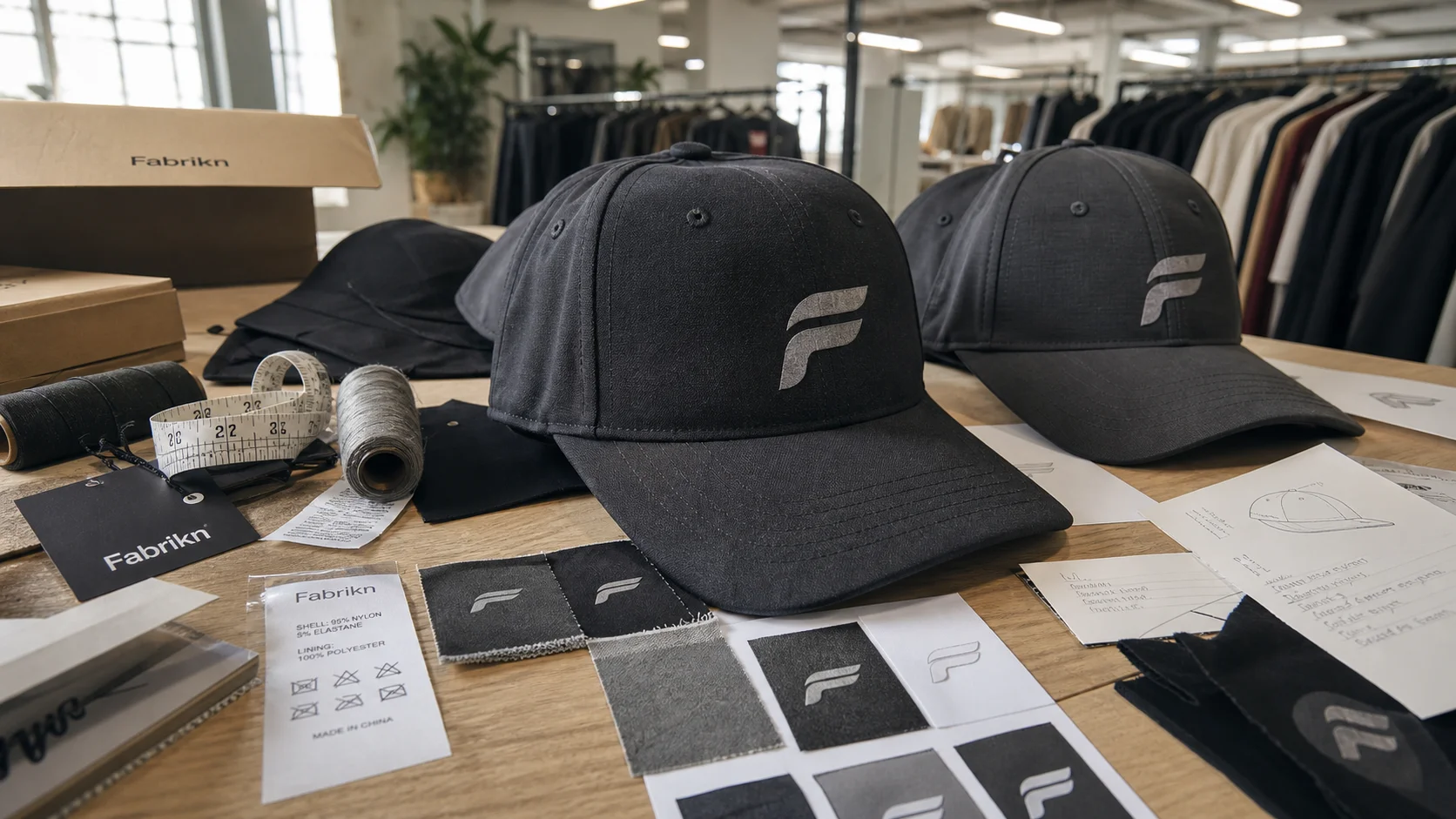
Influencer Marketing for Clothing Brands with checks for samples, fit, MOQ, QC evidence, pricing terms, and delivery risk.
Fast answer: Influencer Marketing for Clothing Brands: Samples, Cost Lines, QC, and Delivery Risk should be judged by production evidence, not by a generic sourcing promise. The buyer needs sample proof, cost breakdowns, QC checkpoints, and delivery buffers in writing.
Ask for recent sample photos, measurement tolerances, fabric or print test assumptions, decoration test notes, packing examples, and a named inspection checkpoint. These details show whether the team can repeat an approved sample at bulk volume.
Separate garment cost, decoration, labels, packaging, sampling, testing, freight, and rush charges. When every cost line is visible, it becomes easier to reduce colorways, adjust size depth, or reserve more time for sampling.
Best Influencer Marketing Strategies for Clothing BrandsInfluencer marketing has become one of the most effective growth channels for clothing brands. In a highly visual industry where style, fit, and brand identity matter just as much as product quality, influencers help bridge the gap between your clothing and your target audience. The best influencer marketing for clothing brands is not just about sending free products to popular creators. It is about building a strategic system that drives awareness, trust, engagement, and sales.
Whether you run a startup fashion label, a streetwear brand, or a private label apparel business, influencer partnerships can help you reach the right shoppers faster than many traditional marketing channels. When done well, influencer campaigns create authentic product discovery, social proof, and customer loyalty. For clothing brands, that can mean more traffic, more conversions, and more repeat buyers.
This article breaks down the best influencer marketing strategies for clothing brands, how to choose the right creators, how to structure campaigns, and how to connect your influencer efforts with your production and brand-building goals. If you are scaling a new apparel line, you may also want to explore Fabrikn’s services to support your product development and manufacturing needs.
Clothing is inherently social. People often buy apparel based on how it looks on real people, how it fits different body types, and how it aligns with their lifestyle. Influencers provide exactly that kind of context. They show your clothing in everyday settings, styling ideas, and aspirational content that feels more relatable than a traditional ad.
For clothing brands, influencer marketing works especially well because:
It demonstrates fit, drape, texture, and styling in a realistic way.
It builds trust through peer recommendations instead of direct brand messaging.
It supports visual platforms like Instagram, TikTok, YouTube, and Pinterest.
It can target niche communities such as sustainable fashion, streetwear, luxury basics, maternity wear, activewear, or modest fashion.
It can generate both immediate sales and long-term brand awareness.
Unlike paid ads alone, influencer content can also be repurposed across your website, email campaigns, and paid social strategy. This gives you more value from each partnership. In the clothing industry, where brand image is everything, influencer marketing can function as a powerful extension of your creative and commercial strategy.
Choosing the right influencer is more important than choosing the biggest influencer. A creator with one million followers is not always a better fit than a micro-influencer with 20,000 highly engaged followers who match your target customer profile. The best influencer marketing for clothing brands focuses on audience alignment, content quality, and authenticity.
Start by identifying your ideal customer. Are you targeting women aged 18 to 30 who follow trend-driven fashion? Are you selling premium essentials to professionals? Are you building a streetwear label for Gen Z shoppers? Once you know your customer, look for creators whose audience matches that profile.
Engagement rate can tell you more than vanity metrics. Look for consistent comments, saves, shares, and meaningful interactions. A creator with strong engagement is more likely to drive actual interest in your clothing.
Does the influencer’s aesthetic match your brand identity? If your clothing line is minimalist and premium, an influencer with chaotic, highly edited content may not be the right fit. If your brand is playful and youthful, you may want creators with energetic styling and strong trend awareness. Consistency in visual style helps your product feel like a natural part of their content.
Audiences can quickly tell when a creator promotes everything they receive. The most effective partnerships come from influencers who genuinely connect with your brand values, whether that means sustainability, inclusivity, craftsmanship, or street culture. Authenticity increases trust and makes product recommendations feel credible.
For many clothing brands, micro-influencers and nano-influencers offer excellent value. They often have higher engagement, more niche audiences, and lower partnership costs. They can be especially useful for new collections, product launches, and local market growth. A network of smaller creators can sometimes outperform a single large campaign.
Successful influencer marketing is built on strategy, not guesswork. Below are the most effective approaches for clothing brands looking to build visibility and drive sales.
Clothing is more compelling when it has a story. Instead of simply asking influencers to show your product, give them a narrative to work with. This might include the design inspiration, fabric benefits, production quality, sustainability angle, or lifestyle use case. Storytelling makes the content more engaging and helps the audience understand why the clothing matters.
When you release a new collection, create a structured influencer rollout. Send products to a select group of creators before launch so they can prepare content. Then coordinate a launch window where multiple influencers post within a short timeframe. This builds momentum and creates the impression that the collection is gaining traction across different audiences.
A mix of macro, micro, and nano influencers gives your campaign more reach and credibility. Macro influencers can generate broad awareness, while micro and nano creators provide targeted engagement and stronger trust. This multi-tier approach is especially effective for clothing brands launching into new segments or trying to reach several buyer personas at once.
One-off influencer posts can work, but recurring partnerships often perform better. When a creator wears your clothing multiple times over weeks or months, the brand feels more natural and trustworthy. Repetition also reinforces memory and helps the audience associate your products with the influencer’s lifestyle.
Affiliate links and promo codes give you measurable sales data and create an incentive for creators to keep promoting your brand. For clothing brands, discount codes can also lower the barrier to first purchase. Just make sure the discount structure protects your margins and fits your brand positioning. Premium brands may prefer value-add incentives over heavy discounts.
Not every influencer campaign needs to look like polished advertising. In fact, many clothing brands perform better with creator content that feels casual, everyday, and relatable. UGC-style content can show try-ons, outfit checks, unboxings, hauls, styling tips, and “day in the life” use cases. This format works well across TikTok, Reels, and paid social.
One of the best influencer marketing strategies for clothing brands is to make the creator the stylist. Ask influencers to show multiple ways to wear the same item or to build full outfits around your products. This is particularly effective for basics, layering pieces, jackets, accessories, and capsule collections. It helps shoppers visualize versatility and increases perceived value.
Timing matters in fashion. Run influencer campaigns around seasonal transitions, holidays, festival season, back-to-school periods, and major retail events. For example, summer dress campaigns, winter outerwear launches, or spring refresh content can feel more relevant when tied to the shopping calendar. Seasonal relevance boosts both engagement and conversion.
Whitelisting allows you to run ads through the influencer’s handle or use their content in paid campaigns. This can dramatically increase reach and performance, especially when paired with strong creator content. For clothing brands, this approach works well because the audience already trusts the creator, and paid amplification extends that trust to a larger group of potential customers.
Giveaways can generate fast attention, but they should be used strategically. Rather than focusing only on follower growth, structure contests to encourage product discovery, email sign-ups, or styling engagement. For example, ask followers to comment their favorite outfit combination or tag a friend who shares their style. This keeps the campaign aligned with brand-building rather than just vanity metrics.
The format of influencer content can be just as important as the influencer themselves. Clothing brands tend to perform best when they use a mix of content types across platforms.
Try-on hauls remain one of the most effective formats because they show actual fit and styling. This format is especially useful for new customers who want to understand how clothing looks on a real body.
Short-form video on TikTok and Instagram Reels is ideal for showing movement, texture, and outfit transitions. These videos can inspire instant desire and work well for trend-driven clothing brands.
When influencers wear your clothing during their real routines, the brand feels integrated into their life rather than added as a sponsorship. This is powerful for lifestyle, athleisure, workwear, and everyday essentials.
Styling tutorials teach audiences how to wear your products, which can remove hesitation and encourage more confident purchases. Tutorials are especially helpful when selling statement pieces or capsule wardrobe items.
Unboxing content works well for premium brands because it highlights packaging, presentation, and product quality. First impressions can create anticipation and showcase attention to detail.
YouTube reviews or detailed blog posts are useful for brands that want to explain fabric, sizing, fit, and craftsmanship in more depth. These formats often support higher-intent shoppers who are close to buying.
To make influencer marketing profitable, you need clear performance metrics. The right KPIs depend on your campaign goal, but for clothing brands, the most useful metrics often include:
Reach and impressions
Engagement rate
Click-through rate
Conversion rate
Revenue attributed to influencer links or codes
Cost per acquisition
Follower growth on brand channels
Website traffic from creator posts
For long-term campaigns, track retention and repeat purchases as well. A creator who brings in customers with a high lifetime value may be more valuable than one who generates lots of one-time sales. You should also monitor qualitative signals such as customer comments, brand mentions, and how often the creator’s content gets reused in your own marketing.
Even strong fashion brands can waste budget if influencer campaigns are poorly planned. Here are common mistakes to avoid:
Choosing influencers based only on follower count.
Using generic briefs that do not reflect the brand’s identity.
Failing to explain the product’s unique value.
Expecting immediate sales from every campaign.
Ignoring audience fit and creator authenticity.
Not tracking links, codes, and campaign performance properly.
Over-discounting and weakening premium positioning.
Running one-off campaigns with no long-term plan.
A successful influencer strategy should feel like a natural extension of your brand. If your messaging, product quality, and creator selection are not aligned, the campaign may generate attention without meaningful business results.
Influencer marketing works best when your product and production are ready to support demand. If a campaign takes off and your inventory is not prepared, you can lose sales and damage trust. That is why manufacturing and marketing should be planned together.
Clothing brands should consider the following before launching a major influencer campaign:
Is your inventory sufficient for increased demand?
Can you restock quickly if a product sells out?
Does the sample quality match the final product?
Are size charts accurate and clear?
Do your fabrics and construction support strong product reviews?
Strong manufacturing helps influencer content convert better because the product lives up to the promise. If you are still building your apparel line, learning more about Fabrikn’s about us page can help you understand the kind of partnership and production support available for growing clothing brands.
The most effective clothing brands do not think of influencers as one-time vendors. They treat them as long-term brand partners. When a creator repeatedly features your brand, the relationship becomes more authentic and the audience becomes more familiar with your products.
To build long-term partnerships:
Pay fairly and communicate clearly.
Share performance results with creators.
Give influencers creative freedom within brand guidelines.
Invite top creators to new launches early.
Offer product seeding and exclusive perks.
Build an ambassador program for consistent collaboration.
Long-term partnerships are especially valuable in fashion because they help build recognizable brand identity. When the same creators wear your pieces over time, your brand becomes more memorable and credible. If you are ready to discuss your clothing line, production goals, or launch strategy, you can also reach out through Fabrikn’s contact us page.
The best influencer marketing for clothing brands is strategic, authentic, and closely tied to your product and audience. Instead of chasing big names or trendy tactics, focus on creators who genuinely fit your brand, content that shows clothing in real life, and campaigns that support measurable business goals.
When you combine strong influencer partnerships with reliable manufacturing, clear brand positioning, and consistent campaign measurement, you create a growth engine that can support both awareness and sales. For clothing brands, that combination is especially powerful because fashion is visual, social, and highly influenced by trust.
If you are building or scaling a clothing brand, now is the time to create a repeatable influencer marketing strategy that supports both your marketing and production plans. With the right partners and the right product, your brand can stand out in a crowded market and build lasting customer loyalty.
Get a free quote from Fabrikn — your trusted B2B clothing manufacturer with 10+ years of experience. MOQ as low as 200 pieces.
Get a Free Quote →The best strategy combines audience-matched influencers, strong product storytelling, recurring partnerships, and measurable tracking. Micro and nano influencers often perform very well for clothing brands because they offer niche audiences and high engagement.
Start with your ideal customer profile, then look for creators whose audience, style, and values match your brand. Review engagement quality, content aesthetics, and authenticity before reaching out.
Often yes, especially for emerging or niche clothing brands. Micro-influencers usually have stronger engagement and more trusted relationships with their followers. However, larger influencers can be valuable for broad awareness and launch campaigns.
Try-on hauls, outfit videos, styling tutorials, unboxing content, and day-in-the-life posts tend to perform very well. These formats show how clothing looks, fits, and moves in real situations.
Track link clicks, discount code redemptions, sales revenue, engagement rate, website traffic, and conversion rate. For long-term campaigns, also track customer lifetime value and repeat purchases.
For most professional campaigns, payment is recommended. Free products can work for small creators or seeding campaigns, but paid partnerships usually deliver more reliable performance and better content expectations.
Recurring collaborations are often more effective than one-off posts. Working with the same influencer across multiple campaigns helps build familiarity, trust, and stronger brand recognition.