
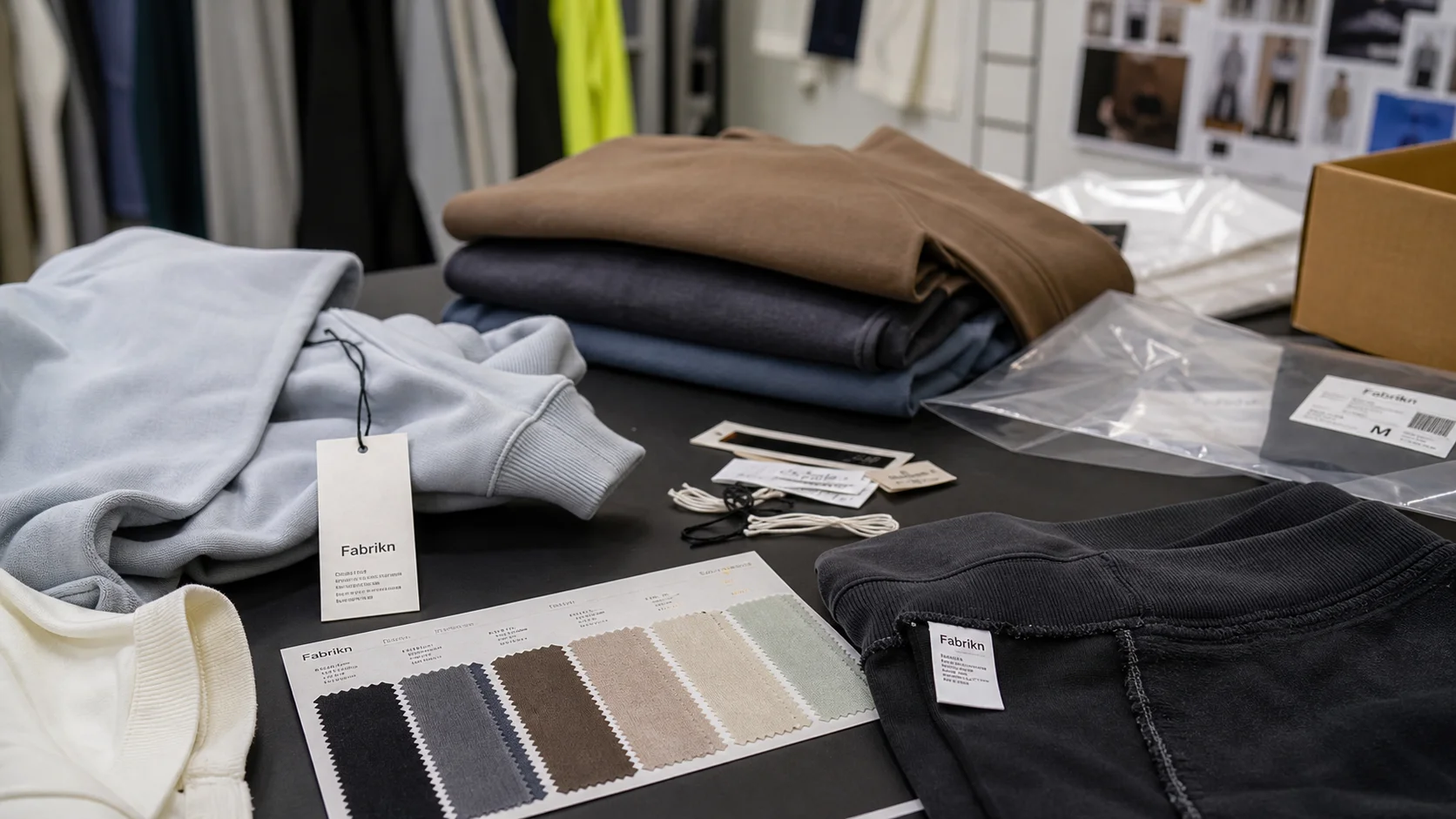
Sustainable Materials for Outerwear with checks for samples, fit, MOQ, QC evidence, pricing terms, and delivery risk.
Fast answer: Sustainable Materials for Outerwear: Samples, Cost Lines, QC, and Delivery Risk should be judged by production evidence, not by a generic sourcing promise. The buyer needs sample proof, cost breakdowns, QC checkpoints, and delivery buffers in writing.
Ask for recent sample photos, measurement tolerances, fabric or print test assumptions, decoration test notes, packing examples, and a named inspection checkpoint. These details show whether the team can repeat an approved sample at bulk volume.
Separate garment cost, decoration, labels, packaging, sampling, testing, freight, and rush charges. When every cost line is visible, it becomes easier to reduce colorways, adjust size depth, or reserve more time for sampling.
As sustainability becomes a defining priority in fashion, outerwear brands are under increasing pressure to create jackets, coats, shells, and insulated layers that perform in harsh weather without compromising environmental responsibility. The challenge is clear: outerwear must be durable, weather-resistant, functional, and comfortable, while also reducing its footprint across the product lifecycle. That is why choosing the best sustainable materials for outerwear is one of the most important decisions a brand can make.
Unlike basic apparel, outerwear demands high-performance fabrics that can handle wind, rain, abrasion, temperature shifts, and repeated wear. This means the material selection process cannot rely on sustainability alone. It must also account for breathability, water resistance, insulation efficiency, longevity, and recyclability. The good news is that today’s textile innovation offers many eco-friendly performance fabrics that meet both sustainability and technical requirements.
In this practical guide, we will explore the best sustainable materials for outerwear, what makes them effective, and how brands can use them to build high-quality collections that align with modern consumer expectations. If you are developing a new outerwear line or improving an existing one, this article will help you make informed sourcing decisions. For support with product development and production, you can learn more about our capabilities on our services page.
Outerwear often serves as the most technically demanding category in a clothing collection. Because these garments are worn in challenging conditions, their materials tend to be resource-intensive. Traditional outerwear fabrics may rely on synthetic fibers derived from fossil fuels, chemical-heavy water repellency treatments, or multi-layer constructions that are difficult to recycle. While these materials can perform well, they often come with significant environmental tradeoffs.
Choosing sustainable materials for outerwear matters for several reasons:
For B2B buyers and fashion brands, this makes fabric sourcing a strategic decision rather than a purely technical one. The best sustainable outerwear fabrics balance environmental responsibility with the practical needs of end users.
Not every fabric labeled “eco-friendly” is genuinely sustainable. In outerwear, where complex coatings, laminations, and insulation systems are common, it is important to evaluate the full material story.
When assessing sustainability, look for the following criteria:
The most sustainable fabric is often the one that meets the product’s performance requirements while minimizing unnecessary complexity. In outerwear, that can mean choosing a recycled shell fabric, a natural insulation option, or a responsibly sourced woven textile paired with a low-impact finish.
Recycled polyester is one of the most widely used sustainable materials for outerwear, particularly for shells, linings, and insulation. It is typically made from post-consumer plastic bottles or recycled textile waste, helping divert waste from landfills and reducing reliance on virgin petroleum-based polyester.
Why it works for outerwear:
Recycled polyester is especially useful for technical outerwear because it offers the performance properties that brands need without the same raw material footprint as virgin polyester. However, it is still a synthetic fiber, so brands should consider microfiber shedding and end-of-life recyclability. Pairing recycled polyester with durable construction and mono-material design can improve sustainability outcomes.
Recycled nylon is another leading performance fabric for outerwear. Like recycled polyester, it helps reduce virgin fossil fuel use. It is often sourced from pre-consumer production waste or discarded materials such as fishing nets and industrial scrap.
Why it works for outerwear:
Recycled nylon is especially valuable in outerwear applications where durability and flexibility are critical. It performs well in rugged environments and is often chosen for products that need to withstand repeated use. When sourced responsibly, it can be one of the best sustainable materials for outerwear in premium technical collections.
Organic cotton is a natural fiber grown without synthetic pesticides, herbicides, or genetically modified seeds. While it is not inherently weatherproof, it can be used effectively in outerwear styles such as parkas, chore coats, field jackets, and casual layering pieces, especially when combined with weather-resistant finishes or blended constructions.
Why it works for outerwear:
Organic cotton is best suited to lifestyle outerwear rather than extreme-performance garments. It excels in collections where natural hand feel and everyday wearability are important. For brands seeking lower-impact casual outerwear, it is a strong option, especially when certified and responsibly sourced.
Hemp is one of the most promising sustainable fibers for outerwear due to its low input requirements and natural durability. It grows quickly, typically requires less water than conventional cotton, and can be cultivated with minimal pesticides. Hemp fibers are strong, breathable, and naturally resistant to wear.
Why it works for outerwear:
Hemp is often blended with organic cotton, recycled fibers, or lyocell to improve softness and fabric versatility. It is a strong choice for brands wanting a natural look and feel while maintaining a credible sustainability story.
TENCEL Lyocell and Modal are branded cellulosic fibers derived from responsibly managed wood sources. They are produced in a closed-loop process that recovers and reuses solvents, significantly reducing waste compared to many traditional fiber production methods.
Why they work for outerwear:
These fibers are often used in linings, pocket bags, and lightweight outer layers rather than harsh-weather shells. They contribute comfort and premium hand feel while supporting sustainability goals. For brands developing elevated outerwear, lyocell can add both performance and luxury.
Wool remains a highly relevant material in sustainable outerwear, particularly for coats, mid-layers, and cold-weather apparel. It is naturally insulating, breathable, odor resistant, and renewable. When responsibly sourced, wool can be a compelling alternative to synthetic insulation and blends.
Why it works for outerwear:
Brands should look for responsible sourcing standards such as the Responsible Wool Standard (RWS) to ensure better animal welfare and land management practices. Wool is particularly effective in premium outerwear where longevity and natural performance are priorities.
Recycled wool gives discarded wool textiles a second life by reprocessing them into new fibers or fabrics. This reduces waste and lowers the demand for virgin wool. It is commonly used in coats, peacoats, and winter garments with a classic aesthetic.
Why it works for outerwear:
Recycled wool can be an excellent option for heritage-inspired collections. Depending on the recycling method, fiber length and quality can vary, so brands should work with experienced suppliers to ensure consistency and performance.
Outerwear sustainability is not just about shell fabric. Insulation plays a major role in overall product impact. Recycled polyester fill, recycled down, and bio-based insulation alternatives all offer ways to reduce environmental pressure while maintaining thermal performance.
Common sustainable insulation options include:
Good insulation should trap heat efficiently, remain resilient after compression, and align with the garment’s intended use. Sustainable insulation is one of the easiest ways to improve the eco-profile of winter outerwear without sacrificing comfort.
Waxed cotton is a classic outerwear material that offers weather resistance through surface treatment rather than heavy synthetic coatings. When made from organic or responsibly sourced cotton, it can be a practical sustainable choice for jackets and heritage outerwear.
Why it works for outerwear:
Although waxed cotton is not suitable for all technical applications, it remains a useful option for brands looking to offer a lower-impact weather-resistant garment with classic style. Low-impact finishes can also be used on other fabrics to improve performance while limiting chemical burden.
When evaluating the best sustainable materials for outerwear, brands must go beyond fiber origin and examine actual garment performance. A material can be environmentally preferable but still fail if it cannot withstand the intended use.
Key performance factors include:
For example, recycled nylon and recycled polyester are ideal for technical shells, while wool and hemp may be better suited to everyday coats and fashion outerwear. Organic cotton can be highly effective in transitional jackets, especially when combined with weather-resistant finishing. The best sustainable material is always the one that aligns with the garment’s use case.
Choosing the right sustainable outerwear fabric starts with product purpose. A waterproof mountain shell has different requirements from a city coat or a fashion-forward chore jacket. Brands should define the following before sourcing materials:
Here are a few practical matching examples:
If you are developing an outerwear collection, working closely with an experienced manufacturing partner can help you balance fabric performance, sustainability goals, and production efficiency. To discuss development support and sourcing guidance, visit our contact us page.
Fabric selection is only one part of sustainable outerwear production. Stitching, trimming, dyeing, finishing, packaging, and logistics all influence the final environmental impact. To build a more responsible product, brands should consider the full manufacturing process.
Important manufacturing considerations include:
At Fabrikn, we understand that sustainable outerwear requires a systems approach, not just an eco-labeled fabric. A well-designed jacket made from a responsible textile still needs robust construction and thoughtful sourcing to achieve real sustainability. Learn more about our team and philosophy on our about us page.
The market for sustainable outerwear materials continues to evolve quickly. Innovation is being driven by consumer demand, regulatory pressure, and brand commitments to reduce emissions and waste.
Key trends shaping the future include:
As these solutions mature, outerwear brands will have more opportunities to design products that are high-performing, stylish, and genuinely sustainable. The winners will be those that evaluate materials holistically and choose suppliers who can deliver both technical quality and transparency.
The best sustainable materials for outerwear are those that combine durability, functionality, and lower environmental impact. Recycled polyester and recycled nylon remain top choices for technical garments, while organic cotton, hemp, wool, lyocell, and waxed cotton offer strong alternatives for lifestyle and premium outerwear. Sustainable insulation, responsible sourcing, and careful manufacturing practices all play a role in creating outerwear that performs well and lasts longer.
For brands in the sustainable fashion space, material selection is a chance to innovate, differentiate, and build trust with consumers. By choosing fabrics thoughtfully and partnering with the right manufacturing experts, you can create outerwear that supports both your product goals and your sustainability mission. If you are ready to develop your next outerwear collection, explore our services or contact us to start the conversation.
Get a free quote from Fabrikn — your trusted B2B clothing manufacturer with 10+ years of experience. MOQ as low as 200 pieces.
Get a Free Quote →There is no single best material for every outerwear product. For technical shells, recycled polyester and recycled nylon are often the most practical sustainable choices. For coats and casual outerwear, organic cotton, hemp, wool, and recycled wool can be excellent options depending on the design and use case.
Recycled polyester is more sustainable than virgin polyester because it reduces demand for fossil-based raw materials and helps divert waste. However, it is still a synthetic fiber, so sustainability depends on factors like durability, recyclability, and responsible finishing.
Recycled polyester and recycled nylon are commonly used for eco-friendly waterproof jackets because they offer strong performance and compatibility with weather-resistant coatings. Brands should also consider low-impact finishes and durable construction.
Yes. Wool, hemp, organic cotton, and waxed cotton can all work well for certain outerwear applications. They are especially suited to lifestyle jackets, coats, and heritage-inspired pieces rather than extreme technical rainwear.
Use durable construction, recyclable trims, low-impact finishes, efficient pattern cutting, and responsible packaging. Designing for repair and longer garment life also improves overall sustainability.
Common certifications include GRS for recycled content, GOTS for organic cotton, OEKO-TEX for chemical safety, bluesign for safer textile production, RWS for responsible wool, and FSC for wood-derived fibers.