
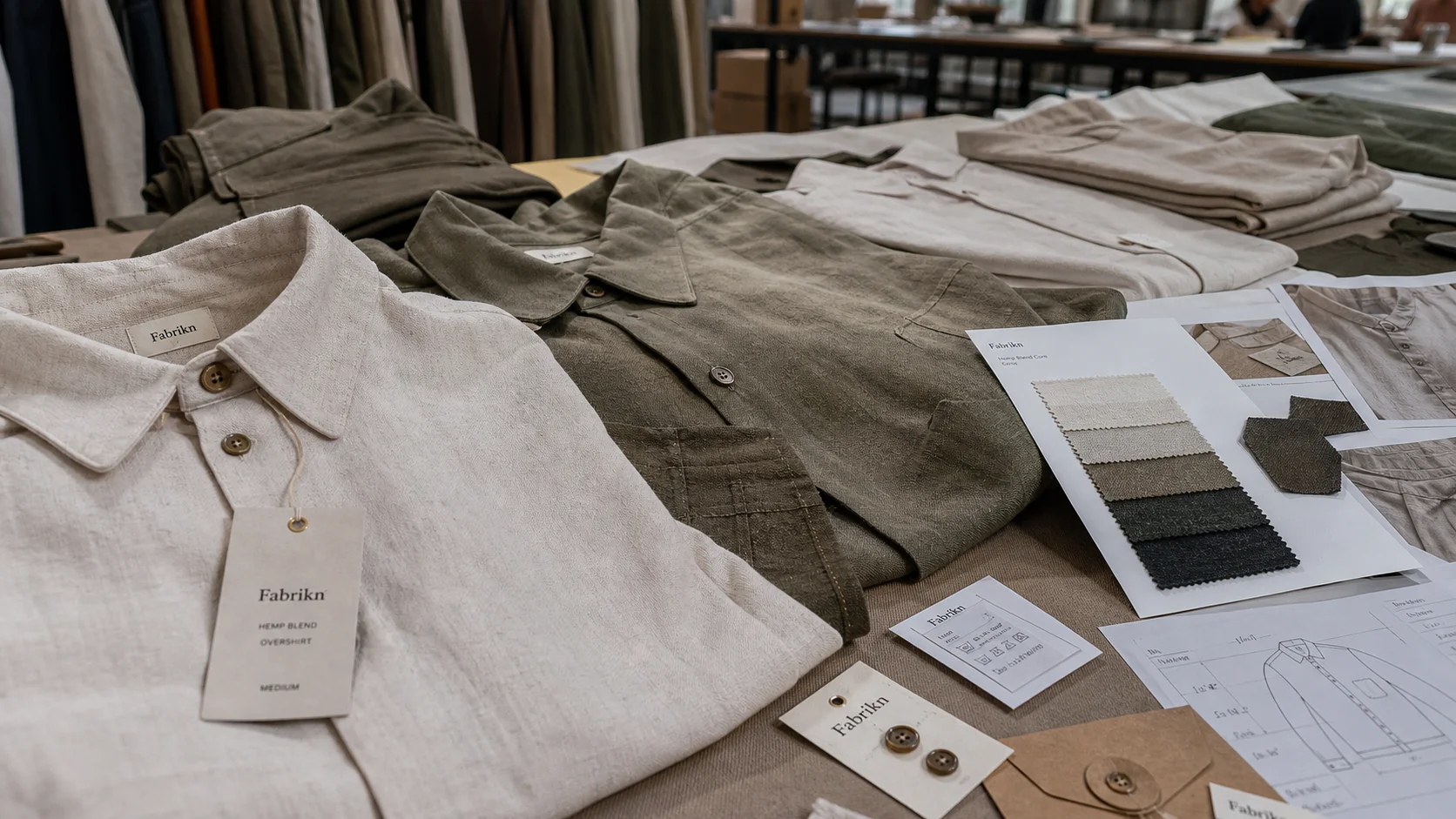
Custom Team Wear Youth Sports Clubs with checks for samples, fit, MOQ, QC evidence, pricing terms, and delivery risk.
Fast answer: Custom Team Wear Youth Sports Clubs: Samples, Cost Lines, QC, and Delivery Risk should be judged by production evidence, not by a generic sourcing promise. The buyer needs sample proof, cost breakdowns, QC checkpoints, and delivery buffers in writing.
Ask for recent sample photos, measurement tolerances, fabric or print test assumptions, decoration test notes, packing examples, and a named inspection checkpoint. These details show whether the team can repeat an approved sample at bulk volume.
Separate garment cost, decoration, labels, packaging, sampling, testing, freight, and rush charges. When every cost line is visible, it becomes easier to reduce colorways, adjust size depth, or reserve more time for sampling.
For youth sports clubs, custom team wear is more than just uniforms; it is a cornerstone of identity, unity, and pride. Whether it’s soccer, basketball, lacrosse, or any other sport, the way athletes present themselves on the field or court says a lot about their dedication, discipline, and the community driving them. Club directors, coaches, and parents alike need to understand that investing in custom team wear is an investment in the club’s brand, experience, and reputation.
With custom apparel, each player feels part of something larger, a cohesive unit capable of sportsmanship and collaboration. It sets the tone for a positive athletic experience—every young athlete should feel confident walking onto the field. This confidence starts with premium, personalized gear designed for performance and comfort.
From detailed color palettes and logos to meaningful slogans and player names, custom team wear allows clubs to tell their story. Whether it’s evoking historical significance or embracing modern trends, a well-crafted kit becomes a uniform for representation and loyalty. Understanding the importance of customization is the first step toward ensuring your team stands out in every competition.
Investing in custom team gear provides multiple benefits beyond aesthetics. Clubs that thoughtfully approach their uniforms reap rewards in morale, cohesion, and public perception. Here are the key advantages:
Customization ensures that the youth feel valued each time they slip into their kit. It turns a simple uniform into gear that reflects effort and aspiration, making the sports club experience memorable.
The design phase is where creativity marries strategy. It’s crucial for clubs to collaborate with professional manufacturers who understand youth sports dynamics. Here’s a step-by-step look at an effective design process:
Start by defining the club’s unique personality—are you traditional, energetic, or bold? Consider mottos, mascots, or community colors that could influence the final look. Involving club stakeholders, including players, can generate valuable input and enthusiasm.
Colors should be vibrant yet practical, capable of standing out during games and withstanding multiple washes. Work with designers to perfect logo placement for maximum visibility on jerseys, shorts, and warm-up gear. Contrast and balance are vital in ensuring logos look crisp on different fabric types.
Adding player names, numbers, motivational messages, or even sponsor logos (where appropriate) elevates the sense of personalization. Consider heat transfer, embroidery, or sublimation depending on the desired effect and budget.
Final renderings offer clubs a clear picture of how designs translate to actual apparel. Manufacturers should provide digital mockups and, if possible, sample garments so the team can examine fabric, cut, and color fidelity before finalizing the order.
Working closely with designers ensures a cohesive final product that aligns with both performance needs and branding aspirations. Professional partners like Fabrikn guide clubs through this creative journey with expertise in custom clothing production.
Material selection is a critical component in delivering custom team wear that stands up to rigorous youth sports schedules. Here are key considerations:
Youth athletes need breathable, moisture-managing fabrics to stay dry and comfortable during practice and competition. Polyester blends with mesh panels allow for temperature regulation, reducing overheating and irritation.
Fast-paced drills, sliding tackles, and sprints demand gear that resists tearing while providing stretch for unrestricted movement. Look for fabrics with reinforced stitching and performance blends that maintain shape after repeated wear.
Youth players often have sensitive skin. Fabrics should feel soft, non-scratchy, and safe for everyday wear. Seamless or flatlock seam constructions reduce chafing, especially across shoulders and underarms.
Many clubs prioritize sustainability. Recycled polyester and eco-friendly dyes deliver quality while reducing environmental impact. Partner with manufacturers who offer transparent sourcing for responsible production.
Remember, material choice directly impacts player satisfaction and confidence. Premium fabrics may cost slightly more but deliver long-term value in performance and durability.
Getting sizing right for youth athletes can be tricky. Clubs must account for rapid growth, varied body shapes, and varying levels of participation. Here are practical strategies:
Provide comprehensive size charts with adjustable options for both younger children and teen players. Include chest, waist, and height measurements to guide accurate selections.
Design shorts with drawstrings and jerseys with slightly relaxed fits to accommodate growth spurts. Consider offering optional compression liners or base layers for colder months.
Whenever possible, host try-on days at the club so parents and players can test sizes before production begins. Sampling helps prevent costly returns or reorder delays.
Inclusivity should be a priority—ensure gear accommodates different body types and abilities. Offering adaptive options demonstrates a club’s commitment to every athlete.
By investing in correct sizing and adjustments, clubs reduce waste, avoid frustration, and guarantee every player feels confident in their gear.
Successful orders rely on careful planning. Here’s how youth sports clubs can streamline their ordering process:
Order new gear well before the season kicks off. Early ordering ensures the manufacturer has enough time for design, approval, production, and delivery. Factor in potential delays due to high demand or holiday schedules.
Document all specifics—colors, fonts, logos, placement, sizes, quantities, and personalization details. Sharing a detailed project brief with suppliers speeds up approvals and reduces revisions.
Manufacturers typically have minimums. Work collectively with the club and families to reach these numbers, or consider mixing custom and stock items to meet minimums without overspending.
Stay in touch throughout design, production, and delivery phases. Request updates and sample photos to ensure alignment. Trusted partners like Fabrikn keep clubs informed every step of the way.
Kids grow fast. Order a few extra pieces in popular sizes to accommodate late additions or replacements. Some partners offer reorder programs for seamless updates.
A thoughtful ordering approach keeps teams prepared, avoids last-minute scrambles, and ensures athletes receive gear promptly.
Budget constraints are common for youth sports clubs, but creativity can help fund custom gear. Here’s how to make it manageable:
Larger orders often unlock lower per-unit prices. Coordinate with different teams or age groups to consolidate orders for mutual savings.
Partner with nearby businesses to sponsor uniforms in exchange for logo placement. Clubs benefit from reduced costs, and sponsors gain valuable exposure through youth sports networks.
Host fundraising tournaments, raffles, or merchandise sales. Custom team wear can also double as merchandise for supporters, generating additional revenue.
Offer flexible payment structures to families—installments or payment timelines can make premium gear more accessible.
Many organizations provide grants for youth sports initiatives. Research local opportunities and present the case for updated, safe, and comfortable gear.
With strategic planning and external support, clubs can equip teams with high-quality custom apparel without straining budgets.
High-quality custom team wear requires proper care to maintain appearance and performance. Educate players and parents on best practices:
Always follow label instructions. Most performance fabrics benefit from cold water cycles and gentle detergents to preserve moisture-wicking capabilities and color vibrancy. Turn garments inside out to protect prints.
Fabric softeners can clog technical fibers, reducing breathability. Bleach weakens fibers and fades colors. Stick to mild, non-alkaline detergents.
High heat damages elasticity and prints. Air drying is ideal, but if using a dryer, opt for low heat to prevent shrinkage. Hanging jerseys ensures they keep their shape.
Store gear in cool, dry places. Avoid crushing or folding printed areas to prevent cracking.
By following care guidelines, clubs extend the lifespan of custom wear, delivering consistent value and a polished appearance throughout the season.
Custom team wear brings aesthetic cohesion, but how clubs celebrate and showcase it amplifies its value. Here are ways to highlight your gear:
Host a “jersey reveal” day to build excitement before the season. Invite local media, families, and members for photos, ensuring the new kit is celebrated.
Share high-quality photos of players in their gear on club channels. Highlight design stories—what inspired the colors or symbols? Tag sponsors appropriately to strengthen partnerships.
Organize a community parade or rally showcasing teams in their gear. This builds local pride and creates memorable experiences for young athletes.
Feature custom wear during special events. Personalized jerseys make athletes feel honored and recognized.
Offer club-branded apparel for families and supporters. Hoodies, hats, and accessories in matching colors reinforce the club identity and generate revenue.
By weaving custom wear into club events and storytelling, you reinforce the emotional investment athletes and families have in their uniforms.
Get a free quote from Fabrikn — your trusted B2B clothing manufacturer with 10+ years of experience. MOQ as low as 200 pieces.
Get a Free Quote →Use these adjacent sourcing guides to compare supplier capability, costing, and production planning before you brief a factory.
For production planning, review Fabrikn services or contact the team through the sourcing brief form.
A strong brief makes the supplier's job narrower and the quote more reliable. For to custom team wear for youth sports clubs, include the target customer, sales channel, expected order quantity, size range, decoration needs, packaging requirements, and delivery market. Then call out the details most likely to affect the result, especially fit intent, material source, and trim selection.
The brief should also explain what cannot change. Some brands care most about hand feel, some about price, some about launch timing, and some about retail compliance. When those priorities are not written down, suppliers tend to optimize for whatever is easiest to quote. Clear priorities help the factory make better tradeoffs before the first sample is cut or printed.
Ask the supplier to respond with assumptions, not just a price. A useful reply states MOQ, sample route, production capacity, inspection plan, packing method, and freight handoff. If the answer is vague, the project may still work, but it needs a tighter pre-production stage before money and calendar pressure build up.
The best time to catch problems is before the pre-production sample is approved. Check measurements, color, placement, material behavior, shrinkage, construction, labels, and packaging in the same review instead of approving each item in isolation. Many bulk issues are not caused by one dramatic mistake; they come from several small unchecked assumptions.
For to custom team wear for youth sports clubs, pay special attention to sample review, bulk inspection, and shipping plan. These details often look minor in an email but become expensive once cutting, printing, sewing, packing, or shipping begins. A simple checklist with owner, due date, and approval status keeps the brand team and factory aligned.
Bulk production should not start until the supplier can explain how the approved sample becomes a repeatable production standard. That means reference sample storage, line instructions, inline checks, final inspection, and defect handling. A factory that can describe this process clearly is usually safer than one that only promises speed.
Price differences are useful only when the quotes cover the same work. Compare sample cost, material source, trims, decoration, packaging, testing, inspection, and freight assumptions. A low unit price can become expensive if it excludes items the brand needs before launch.
Timeline promises deserve the same scrutiny. Ask what happens if the first sample needs revision, whether materials are in stock, when the production slot is reserved, and how export packing is handled. The most reliable supplier is often the one that gives a realistic calendar instead of the fastest optimistic answer.