
Fashion Brand Ecommerce Conversion Optimization with checks for samples, fit, MOQ, QC evidence, pricing terms, and delivery risk.
Fast answer: Fashion Brand Ecommerce Conversion Optimization: Samples, Cost Lines, QC, and Delivery Risk should be judged by production evidence, not by a generic sourcing promise. The buyer needs sample proof, cost breakdowns, QC checkpoints, and delivery buffers in writing.
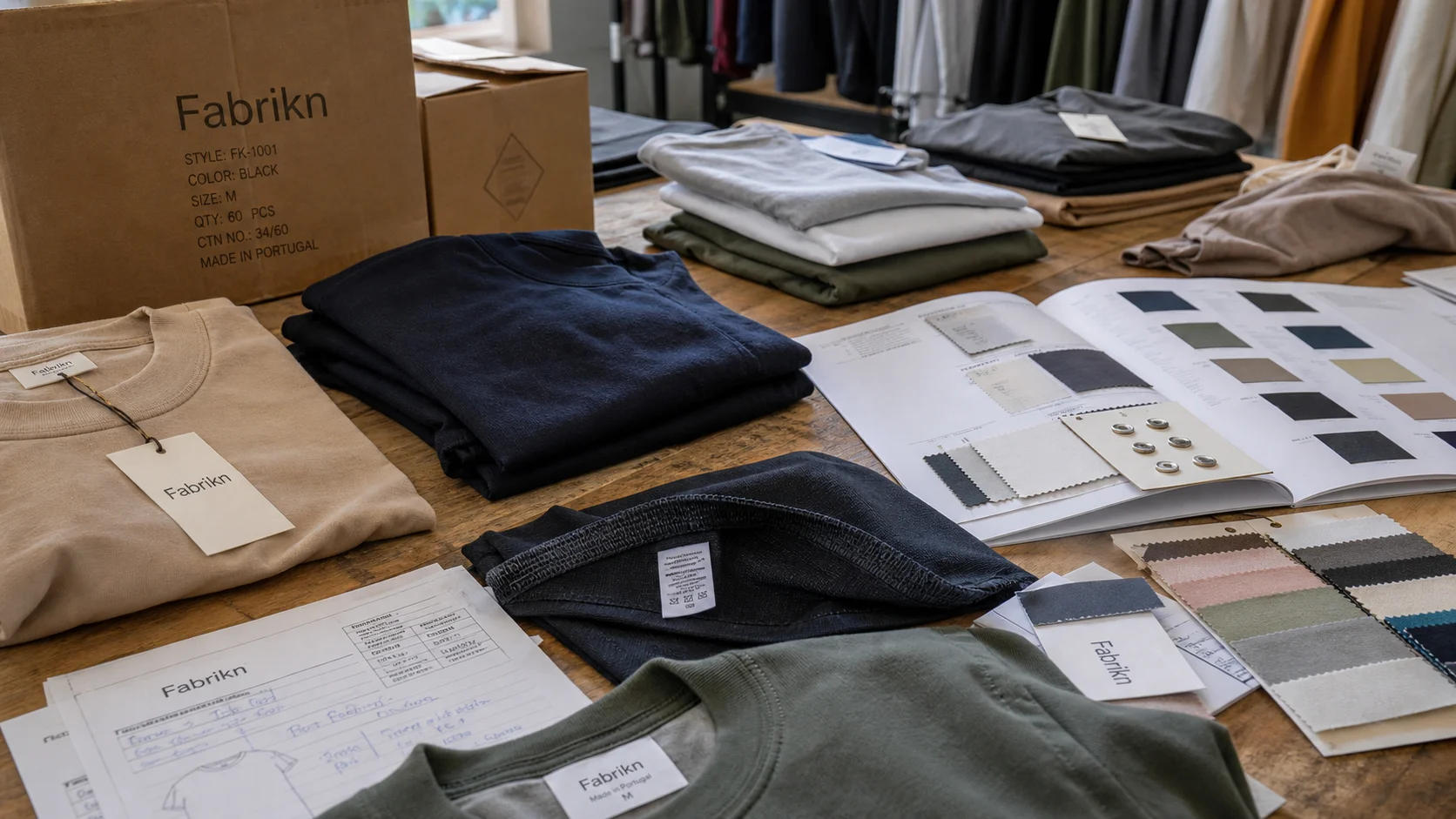
Ask for recent sample photos, measurement tolerances, fabric or print test assumptions, decoration test notes, packing examples, and a named inspection checkpoint. These details show whether the team can repeat an approved sample at bulk volume.
Separate garment cost, decoration, labels, packaging, sampling, testing, freight, and rush charges. When every cost line is visible, it becomes easier to reduce colorways, adjust size depth, or reserve more time for sampling.
Fashion ecommerce is crowded, visual, and fast. People bounce between tabs, compare fits, read reviews, and still leave before buying. So traffic is only half the job. If fashion brands want steadier growth, they have to optimize conversion: tighten every step of the shopping journey so more visitors actually become customers.
This guide covers the parts that usually move the needle most: stronger product pages, better trust signals, mobile UX, quicker checkout, and smarter merchandising. Whether you run a DTC label, a boutique shop, or a growing apparel brand, these tactics can help turn browsers into buyers. And yes, production details matter too. Sample-to-bulk timing, fabric consistency, and compliance from places like Guangzhou, Dhaka, Ho Chi Minh City, and Istanbul can shape online conversion just as much as site design.
Fashion brand ecommerce conversion optimization is the process of improving your online store so a bigger share of visitors complete the action you want, usually a purchase. In fashion, that might also mean joining a waitlist, adding something to cart, signing up for loyalty, or using a size tool that moves someone closer to checkout.
Fashion is emotional and visual. Fit, quality, styling, fabric feel, and brand identity all shape the decision. So this isn’t just about button colors or one-click checkout. It’s about building a shopping experience that answers objections, creates desire, and cuts uncertainty. The same logic applies upstream in production: if a style is sampled in Guangzhou in 18-22 business days, bulk-pulled in Dhaka at $2.50-4.00 per unit at 500 MOQ, or certified with GOTS cotton and OEKO-TEX Standard 100 trims, that kind of clarity tends to show up later as stronger product confidence online.
For fashion brands, conversion sits at the intersection of brand, merchandising, UX, photography, and operational reliability. Everything is connected, from a WRAP-certified sewing line in Ho Chi Minh City to a BSCI-audited knit factory in Istanbul or a GRS-certified recycled-polyester program for outerwear and activewear.
Fashion brands spend heavily on traffic through social media, paid ads, influencer partnerships, and SEO. But if the site experience is weak, those dollars don’t go very far. Better conversion makes every marketing dollar work harder by turning more of the same traffic into buyers.
It also helps brands compete in crowded categories. If shoppers can understand your fit, trust your quality, and feel your brand story, they are more likely to buy from you instead of a competitor. A shopper choosing between two hoodies may go for the one with visible flatlock stitching, a brushed French terry handfeel, OEKO-TEX Standard 100 certification, and a clear 18-22 business day delivery promise instead of a vague listing with no construction details.
Fashion shoppers also tend to:
So even small changes can matter. A better product page, clearer size guidance, or a smoother checkout flow can lift revenue without changing the product. A fit quiz, production origin notes from Guangzhou or Istanbul, and fabric specs like 220 GSM organic cotton jersey or 100% recycled polyester can all reduce hesitation.
Before you improve conversions, you need to know what to measure. The right KPIs show where shoppers drop off and which changes are actually helping.
The share of visitors who buy. This is the main ecommerce performance metric.
Shows how many visitors are interested enough to add a product to cart. If this is low, the product page may be weak, pricing may be off, or the value may not be clear.
Tracks how many shoppers start checkout but never finish. Usually that means friction, surprise costs, or trust issues.
Look at scroll depth, image clicks, size-guide taps, and video views. These numbers show whether shoppers are actually evaluating the item.
If people leave fast, the store may be slow, confusing, or not communicating value quickly enough.
Returns matter in fashion because fit and expectation management affect profit. A high return rate can hide a conversion problem. Even a 5-10% improvement in size accuracy can matter more than a small traffic increase, especially when production is running on tight MOQ targets like 300-500 units per colorway.
Watch these metrics together and patterns start to show up. Maybe the traffic is fine but the product page is weak. Maybe the checkout is the problem. Brands sourcing from Dhaka, Ho Chi Minh City, or Istanbul should also keep an eye on sample lead time, pre-production approval time, and first-pass quality rate, because delays and rework can affect stock levels and conversion too.
Product pages are where fashion ecommerce usually wins or loses. They need to do more than show a garment. They have to help someone picture wearing it, understand the fit, and feel safe enough to click buy.
Fashion shoppers want detail. Show front, back, side, close-up fabric shots, and lifestyle images. If you can, include different body types so buyers can judge fit and proportion better. And if the piece uses 12 oz denim, 2x1 rib trim, or double-needle coverstitch construction, show that up close. Those details sell.
Video shows movement, drape, and texture better than still photos. A simple 10-20 second clip can remove doubt and make the product feel more real. Natural light, turntables, seam close-ups, zippers, and embroidery all help.
Skip the generic copy. Tell the shopper how the piece fits into real life. Mention breathability, stretch, structure, layering, or occasion use. Instead of “oversized cotton shirt,” try “a relaxed cotton shirt made for easy layering and all-day comfort.” If it matters, name the materials: 100% organic cotton, TENCEL Lyocell, viscose, recycled nylon, or 5% elastane for stretch.
Sizing is one of the biggest friction points in fashion. Add measurement charts, model dimensions, fit notes, and plain-language guidance like true to size, relaxed fit, or size up for an oversized look. Include garment measurements in inches and centimeters. If you manufacture in Guangzhou, Dhaka, or Ho Chi Minh City, check size sets against regional grading standards before launch.
People trust other people. Surface reviews that talk about fit, comfort, fabric quality, and styling versatility. User-generated photos help too. Comments like “washed well after 10 cycles,” “held shape after machine wash cold,” or “didn’t pill after wear” can carry a lot of weight.
Hidden policies create hesitation. Put return windows, shipping fees, and estimated delivery dates where people can see them before checkout. No guessing. No hunting around.
Fashion shoppers often arrive with only a loose idea of what they want. Clean navigation helps them narrow in fast.
Use simple category labels, logical filters, and search that understands common fashion terms. Let people sort by size, color, price, fit, material, and occasion. If your catalog is large, add predictive search with autocomplete and typo tolerance. A shopper who types “blak blazer” should not hit a dead end.
Filters should behave well on mobile too. And don’t bury the most-used ones. If most customers filter by size first, that should be easy to reach.
Most fashion traffic is mobile, so the mobile experience has to feel effortless. Pages should load quickly, images should be compressed without looking cheap, and buttons should be easy to tap.
Keep layouts clean. Avoid popups that block the screen right away. Make image galleries thumb-friendly. Keep size selection, color selection, and add-to-cart actions obvious. If checkout on mobile feels like work, people will leave.
Also, test on real devices. What looks polished on a desktop monitor can feel cramped on a phone.
Fashion shoppers often buy based on trust as much as taste. Social proof helps, but it has to feel real.
Use reviews, press mentions, creator content, customer photos, and visible policy details. If your brand has sustainability claims, back them up with clear facts. If you mention organic cotton, recycled polyester, or OEKO-TEX certification, make sure the language is accurate and specific. That kind of credibility matters.
Brand story also helps. Shoppers want to know who you are, how you make things, and why your products are worth the price. That story should feel honest, not polished into something generic.
Checkout should feel short, predictable, and safe. Every extra field adds friction.
Allow guest checkout. Keep form fields to a minimum. Show shipping costs early. Offer familiar payment methods like credit card, PayPal, Shop Pay, Apple Pay, or local wallets where relevant. And make error messages clear, not cryptic.
If cart abandonment is high, look for the usual trouble spots: forced account creation, slow loading, hidden fees, or an awkward mobile form. Sometimes the fix is simple.
Good merchandising can move shoppers toward action without feeling pushy.
Feature bestsellers, new arrivals, and limited drops where people will actually see them. Use cross-sells and complementary bundles to make styling easier. A blazer page can link to matching trousers. A dress can suggest shoes or outerwear. That kind of guidance reduces decision fatigue.
You can also use urgency carefully. Limited stock, preorder windows, and delivery cutoffs can help, but only if they are true. Fake urgency damages trust fast.
Content fills in the gaps product pages can’t cover on their own.
Fit guides, styling notes, care instructions, fabric explainers, and behind-the-scenes production stories all help people buy with more confidence. A good size guide can stop a lot of hesitation. A care guide can reduce returns. A fabric explainer can make a premium price feel justified.
If your brand works with factories in Guangzhou, Dhaka, Ho Chi Minh City, or Istanbul, short sourcing notes can be useful too. Not as filler, but as proof of process. People do care where things come from when the information is presented clearly.
Conversion doesn’t end at checkout. Retention affects future conversions, because repeat buyers convert faster and trust the brand sooner.
Use post-purchase emails, review requests, loyalty perks, restock alerts, and personalized recommendations. Keep customers engaged with useful content instead of constant selling. If they had a good first purchase, the next one is easier.
Returns handling matters here too. A fair, easy return process can make shoppers more comfortable buying in the first place.
Conversion optimization is not one-and-done. Fashion behavior changes with seasons, promotions, and trend cycles.
A/B test product images, CTA wording, page layout, size guide placement, and checkout steps. Use analytics to watch where people hesitate. Heatmaps, session replays, and funnel reports can show issues that raw conversion data hides.
Test one thing at a time when you can. Otherwise it gets hard to know what actually changed results.
Production choices show up on the website more than people think. If a style ships late, fits inconsistently, or arrives with quality issues, conversion drops over time.
That is why sampling, grading, fabric sourcing, and quality control matter to ecommerce performance. A well-made product with consistent sizing is easier to sell. Clear production timelines also help set honest delivery expectations. If your factory in Dhaka can hit 300-500 MOQ with stable repeat orders, or your vendor in Istanbul can produce premium knitwear with BSCI compliance and faster approvals, that stability supports the promise your storefront makes.
Even small operational wins help. Better stitching, cleaner finishing, and more reliable color matching can reduce returns, improve reviews, and make your product pages easier to believe.
Use these adjacent sourcing guides to compare supplier capability, costing, and production planning before you brief a factory.
For production planning, review Fabrikn services or contact the team through the sourcing brief form.
It depends on traffic quality, price point, and brand strength. Many fashion stores sit in the low single digits, but the real goal is improving steadily over time.
Clear images, fit information, honest descriptions, sizing guidance, and trust signals usually matter most.
Show total costs early, simplify checkout, offer guest checkout, and make payment options easy to use.
Yes. Short videos help shoppers understand drape, movement, and texture, which can make buying feel easier.
Because shoppers notice fit, finish, and consistency. Good production leads to better reviews, fewer returns, and stronger trust.