
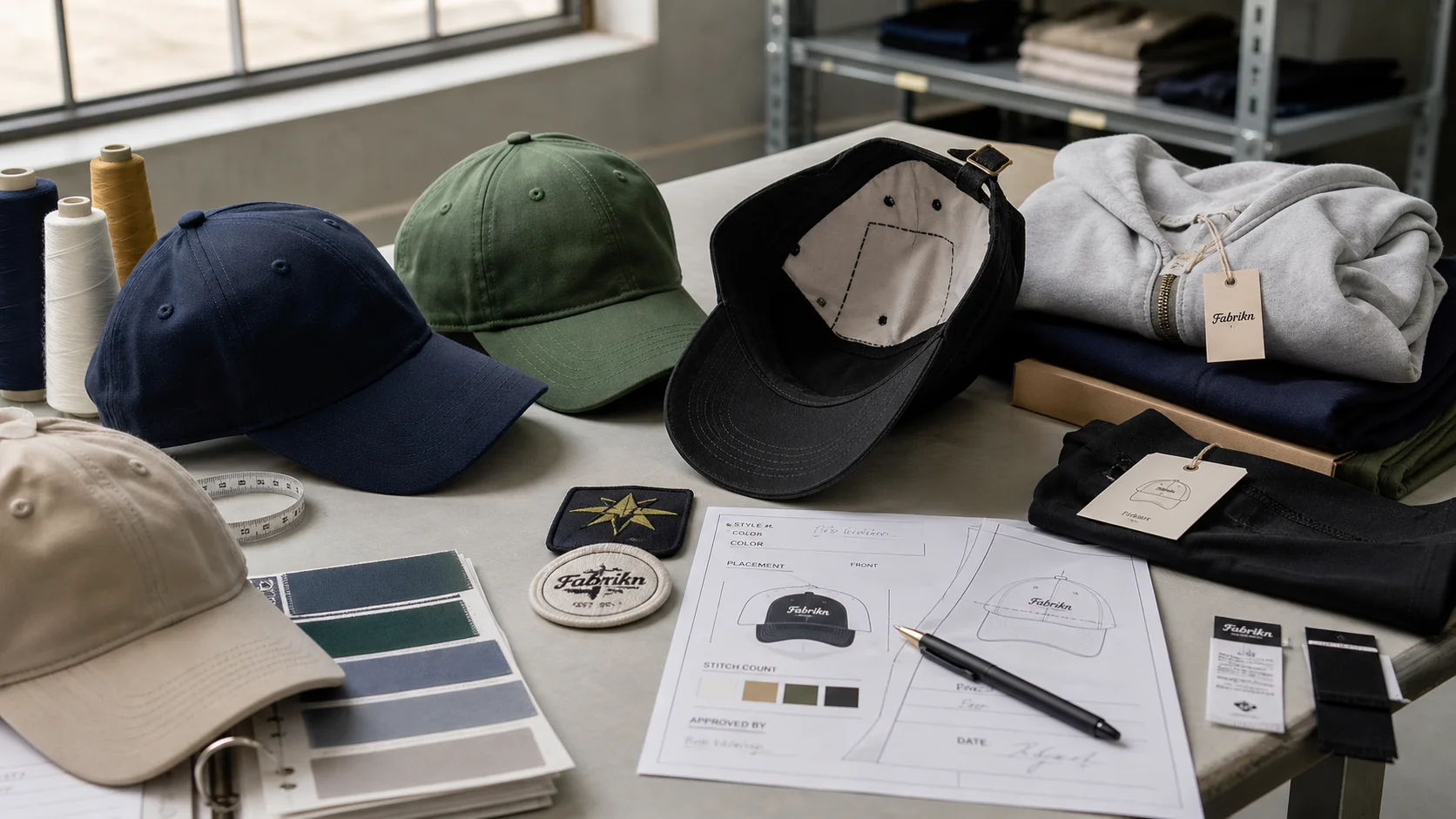
Fashion Brand Launch Budget Breakdown compared by sample evidence, fabric or trim specs, MOQ, AQL terms, cost lines, delivery timing, and rework responsibility.
Fast answer: Fashion Brand Launch Budget Breakdown: Tech Pack, Sample Gate, MOQ, and QC Terms should be judged by production evidence, not by a generic sourcing promise. The buyer needs sample proof, cost breakdowns, QC checkpoints, and delivery buffers in writing.
Ask for recent sample photos, measurement tolerances, fabric or print test assumptions, decoration test notes, packing examples, and a named inspection checkpoint. These details show whether the team can repeat an approved sample at bulk volume.
Separate garment cost, decoration, labels, packaging, sampling, testing, freight, and rush charges. Clear cost lines make it easier to reduce colorways, adjust size depth, or reserve more time for sampling.
Launching a fashion brand is exciting, but it is also financially demanding. A strong idea and a clear brand identity are important, yet neither will carry your business far without a realistic budget. If you are planning a fashion brand launch, understanding every major cost category will help you avoid surprises, protect your cash flow, and make smarter decisions from day one.
This guide breaks down the key expenses involved in a fashion brand launch budget breakdown, from product development and sampling to branding, eCommerce, marketing, and operations. Whether you are starting small with a capsule collection or preparing for a full-scale market entry, this article will help you estimate your startup costs and plan with confidence.
A budget is more than a spreadsheet. It is a business planning tool that helps you decide what to prioritize, how much inventory to produce, how much to spend on marketing, and when to launch. Many fashion startups fail not because the product is poor, but because they underestimate how much capital is needed before the first sale becomes profitable.
A well-structured launch budget helps you:
If you are still defining your production strategy, working with an experienced manufacturer can simplify the process. Explore Fabrikn’s services to better understand how development and production support can fit into your launch plan.
Every fashion brand budget will look different, but most launch plans include the same major categories. These usually fall into six groups:
The exact amount you spend depends on your product type, target market, production volume, and sales channels. A premium womenswear label, for example, may spend more on sampling and branding, while a basics brand may prioritize production efficiency and digital advertising.
Product development is one of the first major spending areas in a fashion brand launch budget breakdown. Before you can sell anything, you need to develop designs, create technical specifications, source fabrics, and produce samples.
Depending on complexity, a single sample can cost anywhere from modest to substantial amounts. Simple garments may require one or two rounds of samples, while tailored or technically advanced items may need multiple revisions before they are production-ready. If your collection includes different categories such as dresses, outerwear, or activewear, your sampling budget should be larger.
A practical budgeting approach is to set aside funds for at least two to four rounds of sampling per style. This ensures you have room for fit corrections and quality improvements without slowing the launch schedule.
Once samples are approved, the largest expense for most fashion brands is production. Your manufacturing budget should include not only the cost of making each item but also shipping, duties, packaging, and minimum order quantities.
Inventory is often the biggest upfront cash outlay. A brand may be tempted to order large quantities to reduce the unit cost, but too much inventory can create excess risk. Unsold stock ties up cash and can lead to markdowns later. A better strategy is to start with a controlled quantity based on realistic demand forecasting.
For many new brands, a smaller initial production run with strong sell-through data is more effective than placing a large, uncertain order. This is especially true if you are testing a new niche or launching a direct-to-consumer brand for the first time.
Fashion is a visual business, which means your brand identity matters almost as much as your product. Consumers often decide whether a label feels premium, trustworthy, or relevant based on its name, logo, packaging, and overall presentation.
Packaging is an especially important part of a fashion brand launch budget breakdown because it affects both perception and customer experience. Even if you are launching lean, your packaging should look polished and consistent with your positioning. Customers often judge quality from first impressions, and strong packaging can increase repeat purchases and social sharing.
If your brand is still shaping its identity, the about us page can also help communicate your values and build trust once your site goes live.
Today’s fashion brands need more than a good collection. They need a functional and attractive digital storefront. Your website is your primary sales tool, brand story hub, and customer service channel.
For a fashion brand, product pages should be clear, stylish, and conversion-focused. They need detailed sizing, fabric information, care instructions, and excellent photography. If your website is difficult to navigate or visually weak, your marketing spend will be less effective.
Budget carefully for eCommerce because the cheapest setup is not always the best long-term option. A site that loads quickly, works on mobile, and supports smooth checkout will usually perform better and reduce abandoned carts.
No matter how good your product is, customers will not buy it if they do not know it exists. Marketing is one of the most important investments in a fashion brand launch, especially during the first few months when brand awareness is low.
A common mistake is underfunding marketing and overinvesting in inventory. If you cannot drive traffic and conversions, your stock may sit unsold. A balanced budget should support both product availability and customer acquisition.
When planning launch campaigns, start with a small set of channels you can execute well. For example, a new brand might focus on Instagram, TikTok, email, and influencer content rather than trying to manage every platform at once. The goal is not to be everywhere; it is to build momentum where your audience already spends time.
Many founders focus heavily on creative and production costs but overlook the business essentials. Legal and administrative expenses are necessary to protect your company and keep operations running properly.
These costs may seem small compared to production, but they add up quickly. If you are hiring freelancers, managing remote suppliers, or shipping products internationally, administrative expenses can become a meaningful part of your total launch budget.
It is wise to create a separate line item for legal support, especially if you are drafting contracts with manufacturers, photographers, models, or agencies. Good documentation can prevent disputes and protect your brand as it grows.
One of the most overlooked parts of a fashion brand launch budget breakdown is working capital. Working capital is the money you need to keep the business running between expenses and revenue. Since fashion brands often spend heavily before generating meaningful sales, this buffer is essential.
A contingency fund is equally important. Manufacturing delays, material shortages, sample revisions, and ad costs often exceed initial estimates. Setting aside 10% to 20% of your total launch budget for contingencies can protect you from major setbacks.
This safety margin gives you flexibility and reduces stress during the most unpredictable phase of the business.
While every brand is different, it can be helpful to think in launch tiers. Here are three rough budget scenarios that illustrate how a fashion brand launch budget breakdown may look in practice.
This model works for founders testing the market with a small capsule collection.
This approach can be effective if you are validating demand before scaling.
This model suits brands ready to position themselves competitively in a niche market.
This is often the most balanced route for a serious fashion startup.
This model is for brands entering the market with a strong creative vision and larger capital base.
A premium launch can create strong brand impact, but it requires disciplined planning to avoid overspending before product-market fit is proven.
Launching on a budget does not mean your brand should look cheap. The key is knowing where to save and where to invest. In fashion, quality and consistency matter, but there are smart ways to reduce unnecessary spending.
Working with the right manufacturing partner can also help control costs by improving planning, reducing sample waste, and streamlining production. If you are looking for support in that area, visit contact us to discuss your project and production needs.
A fashion brand launch budget breakdown is one of the most important planning tools you can create before entering the market. It helps you understand the true cost of turning your idea into a sellable product and building a brand that customers remember.
The best budgets are realistic, flexible, and aligned with your business goals. They account for development, production, branding, digital infrastructure, marketing, operations, and contingency. When all of these areas are planned properly, your launch has a much better chance of succeeding.
Whether you are building a small capsule label or preparing for a larger market debut, take time to budget carefully and review every assumption. Strong planning today can prevent costly mistakes tomorrow.
For more support as you prepare your fashion brand launch, explore Fabrikn’s services, learn more on the about us page, or reach out through the contact us page.
Get a free quote from Fabrikn — your trusted B2B clothing manufacturer with 10+ years of experience. MOQ as low as 200 pieces.
Get a Free Quote →The amount varies widely depending on your product type, production scale, and marketing plan. A lean launch may require a modest budget, while a premium brand launch can require significantly more. The most important factor is matching your budget to your business model and sales strategy.
For most brands, manufacturing and inventory are the largest upfront costs. However, product development, branding, and marketing can also represent major investments, especially for brands that need strong market positioning from the start.
Both matter, but the right balance is critical. Too much inventory without demand can create cash flow problems, while too little marketing can leave you with unsold stock. A balanced launch budget should support both product availability and customer acquisition.
It is smart to budget for at least two to four sample rounds per style, depending on complexity. More technical garments may require additional revisions before production is approved.
Yes. Many successful brands begin with a lean capsule collection and a focused marketing strategy. The key is to keep the collection small, prioritize quality, and use your budget strategically.
Commonly overlooked costs include shipping, duties, packaging, returns, software subscriptions, legal review, and contingency funds. These items can have a significant impact on your total spend if they are not planned for in advance.