
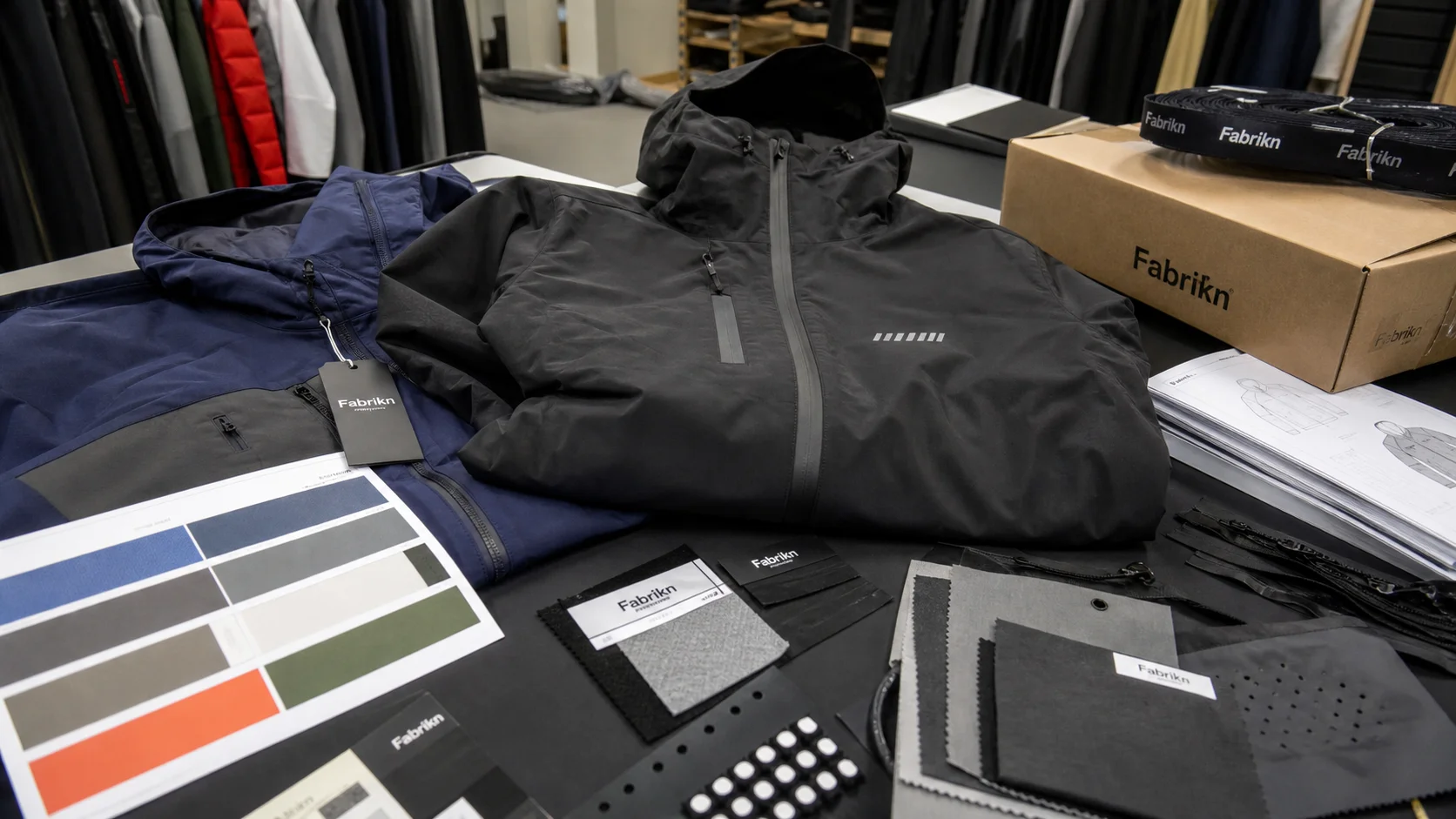
Fashion Brand Launch Content Strategy with checks for samples, fit, MOQ, QC evidence, pricing terms, and delivery risk.
Fast answer: Fashion Brand Launch Content Strategy: Samples, Cost Lines, QC, and Delivery Risk should be judged by production evidence, not by a generic sourcing promise. The buyer needs sample proof, cost breakdowns, QC checkpoints, and delivery buffers in writing.
Ask for recent sample photos, measurement tolerances, fabric or print test assumptions, decoration test notes, packing examples, and a named inspection checkpoint. These details show whether the team can repeat an approved sample at bulk volume.
Separate garment cost, decoration, labels, packaging, sampling, testing, freight, and rush charges. When every cost line is visible, it becomes easier to reduce colorways, adjust size depth, or reserve more time for sampling.
Launching a fashion brand is not just about unveiling a logo, a collection, or a website. It is about building a story people want to follow, trust, and buy into. A strong fashion brand launch content strategy can help you create anticipation before launch, drive traffic on release day, and turn first-time visitors into long-term customers. In a crowded market, content is one of the most powerful tools for shaping brand perception and generating early sales.
This guide breaks down how to plan, create, and distribute launch content that supports awareness, credibility, engagement, and conversion. Whether you are introducing a luxury label, streetwear line, activewear brand, or sustainable apparel business, the right content strategy can give your launch momentum and help your brand stand out.
Fashion is highly visual, emotional, and trend-driven. Customers do not only buy products; they buy identity, values, and aspiration. This makes content especially important for new brands. Before someone purchases from you, they often need to see your pieces styled in real life, understand your point of view, and believe your brand is worth their attention.
A launch content strategy gives your brand structure. Instead of posting randomly and hoping for results, you create a plan that moves people through a journey: discovery, interest, trust, and purchase. This helps you:
In short, content strategy helps you launch with purpose instead of noise.
Before creating any content, define what success looks like. Your goals will shape the type of content you produce, the channels you use, and the metrics you track. Without specific goals, it is hard to know whether your launch is effective.
Common fashion brand launch goals include:
Make your goals measurable. For example, instead of saying “increase awareness,” aim for “gain 2,000 email subscribers before launch” or “achieve 500 website visits on launch day.” Specific goals help you focus your content and evaluate results more effectively.
A fashion brand launch content strategy only works when it speaks directly to the right people. You need a clear understanding of who your customer is, what they care about, where they spend time online, and what motivates them to buy.
Ask these questions:
For example, a minimalist premium basics brand may focus on clean styling videos, wardrobe-building tips, and product quality storytelling. A bold streetwear label may prioritize behind-the-scenes content, creator collaborations, and hype-driven drops. The more precisely you know your audience, the easier it is to produce content that resonates.
Every successful fashion brand has a narrative. Your story gives meaning to your products and helps customers understand why your brand exists. It is one of the most important elements of a launch content strategy because it creates emotional connection.
Your brand story should clearly communicate:
Keep the story consistent across your website, social channels, email campaigns, and press materials. If you are a Fabrikn client or partner, this is also where working with a manufacturer that understands your vision can strengthen product storytelling. Learn more about our capabilities on the Services page or explore our brand background on the About Us page.
One of the biggest mistakes new fashion brands make is focusing only on launch-day promotion. In reality, customers move through several stages before purchasing. Your content should support each stage of this journey.
At this stage, the goal is to introduce your brand and attract attention. Content should be visually compelling and easy to share.
Now your audience knows who you are and needs more reason to trust you. This content should build credibility and show why your products are worth buying.
This is where you turn interest into action. Use strong calls to action and urgency-driven messaging.
A strong launch usually combines several content formats rather than relying on one. Different formats serve different purposes, and together they create a more complete brand experience.
Professional images are essential in fashion. Customers want to see fit, texture, movement, and styling. Use a combination of studio shots, lifestyle images, and detail close-ups. Make sure your visuals match your brand identity.
Video is one of the most effective content formats for fashion brand launches. It can show garments in motion, reveal the creative process, and communicate personality in a way that static photos cannot.
Useful video ideas include:
Your launch landing page should do more than display products. It should introduce your brand, explain your value proposition, and guide visitors toward a clear action, such as signing up, buying, or joining a waitlist.
Email is still one of the most effective channels for converting launch interest into sales. Build an email sequence that nurtures your audience before launch and supports sales after release.
Social media is often the main discovery channel for new fashion brands. Plan content that feels native to each platform while staying consistent with your overall brand voice.
Blog posts can help you attract organic traffic and explain your brand story in more depth. Topics might include styling guides, trend commentary, sustainability stories, or product development insights. If you want support with manufacturing or content-aligned production planning, you can also reach out through the Contact Us page.
Not every fashion brand needs to be on every platform. Focus your efforts where your audience is most active and where your content style performs best.
Ideal for visual storytelling, product showcases, reels, and community-building. Great for fashion brands with strong aesthetics.
Best for reach, behind-the-scenes content, styling videos, and trend participation. TikTok is especially effective for building excitement quickly.
Useful for long-term discovery and traffic. Pinterest works well for lookbooks, outfit ideas, and evergreen style content.
Best for direct communication and conversions. Use email to announce launch timing, share exclusive offers, and build loyalty.
Your website should be the central hub for all launch content. Social channels can attract attention, but your site should convert that attention into sales or leads.
A content calendar keeps your launch organized and ensures you are building momentum in the right order. A fashion launch usually benefits from a phased timeline.
This phase is about generating curiosity and building an audience.
This is your biggest opportunity to convert attention into sales.
Once launch week ends, do not go quiet. Continue nurturing interest with content that supports continued sales.
Even the best content will underperform if no one sees it. Distribution is a critical part of your launch content strategy. You need a plan for how each piece of content will reach your audience.
SEO can help bring in organic traffic from people searching for terms related to your brand, niche, or product type. Optimize your website copy, blog articles, product pages, and image alt text around relevant keywords. For example, if you are launching a sustainable women’s basics line, create content that answers real search queries about ethical materials, fit, and wardrobe essentials.
Distribution tactics may include:
The best results often come from combining owned, earned, and paid channels. Owned channels include your website and email list, earned channels include press and creator mentions, and paid channels include advertising.
Building buzz is only part of the launch. The real goal is to convert attention into revenue. That means removing friction and making it easy for visitors to buy.
Improve conversion by focusing on the following:
You should also think about the customer journey after they land on your site. If they are not ready to buy immediately, capture their email through a discount, waitlist, or early-access offer. This keeps the relationship alive and gives you another chance to convert later.
Tracking results is essential if you want to improve future launches. Review performance during and after the launch so you can see what worked and what did not.
Key metrics to track include:
Look for patterns. Did video outperform static images? Did email drive more sales than social? Did a specific product or message resonate more strongly? These insights can help you refine your future content strategy and improve launch performance over time.
Many fashion brands weaken their launch by making avoidable content mistakes. Keep an eye out for these common issues:
A successful launch content strategy balances creativity with structure. The goal is not just to look polished, but to communicate clearly and convert effectively.
Your launch is the beginning, not the finish line. What you do after the initial release can determine whether your brand grows or fades out.
After launch, continue to publish content that keeps your audience engaged:
This is also the stage to gather feedback. Learn which items sold fastest, which content generated the most interest, and what customers want next. That information will guide your next campaign and help you build a more sustainable brand over time.
A fashion brand launch content strategy is one of the most important investments you can make before introducing your brand to the market. It helps you control the narrative, build anticipation, communicate your value, and drive sales from day one. The strongest launches are not improvised; they are carefully planned across story, content, channel, timing, and conversion.
If you approach your launch with a clear audience, a strong brand story, and content tailored to each stage of the buying journey, you can create real momentum. And if you need support turning product ideas into a ready-to-launch collection, Fabrikn can help with manufacturing and development support. Explore our Services, learn more on our About Us page, or get in touch via our Contact Us page.
Get a free quote from Fabrikn — your trusted B2B clothing manufacturer with 10+ years of experience. MOQ as low as 200 pieces.
Get a Free Quote →A fashion brand launch content strategy is a planned approach to creating and distributing content before, during, and after a brand launch. It is designed to build awareness, create excitement, and drive sales.
Ideally, you should start planning your content strategy at least 8 to 12 weeks before launch. This gives you enough time to build anticipation, create assets, and prepare your marketing channels.
The most effective content usually includes product photography, short-form video, founder storytelling, behind-the-scenes content, email campaigns, and social media posts that align with your brand identity.
A blog is not mandatory, but it can be very helpful for SEO, brand storytelling, and building trust. Blog content can also support long-term traffic after the launch period.
Track metrics such as website traffic, email signups, engagement rates, conversion rates, and sales. These indicators will show whether your content is attracting the right audience and encouraging action.
Influencer partnerships can be highly effective if they match your brand identity and target audience. Micro-influencers and niche creators often work especially well for fashion brands because they can generate authentic engagement.
One of the biggest mistakes is focusing only on visual aesthetics without a clear strategy for audience targeting, messaging, and conversion. Beautiful content matters, but it must also support business goals.