
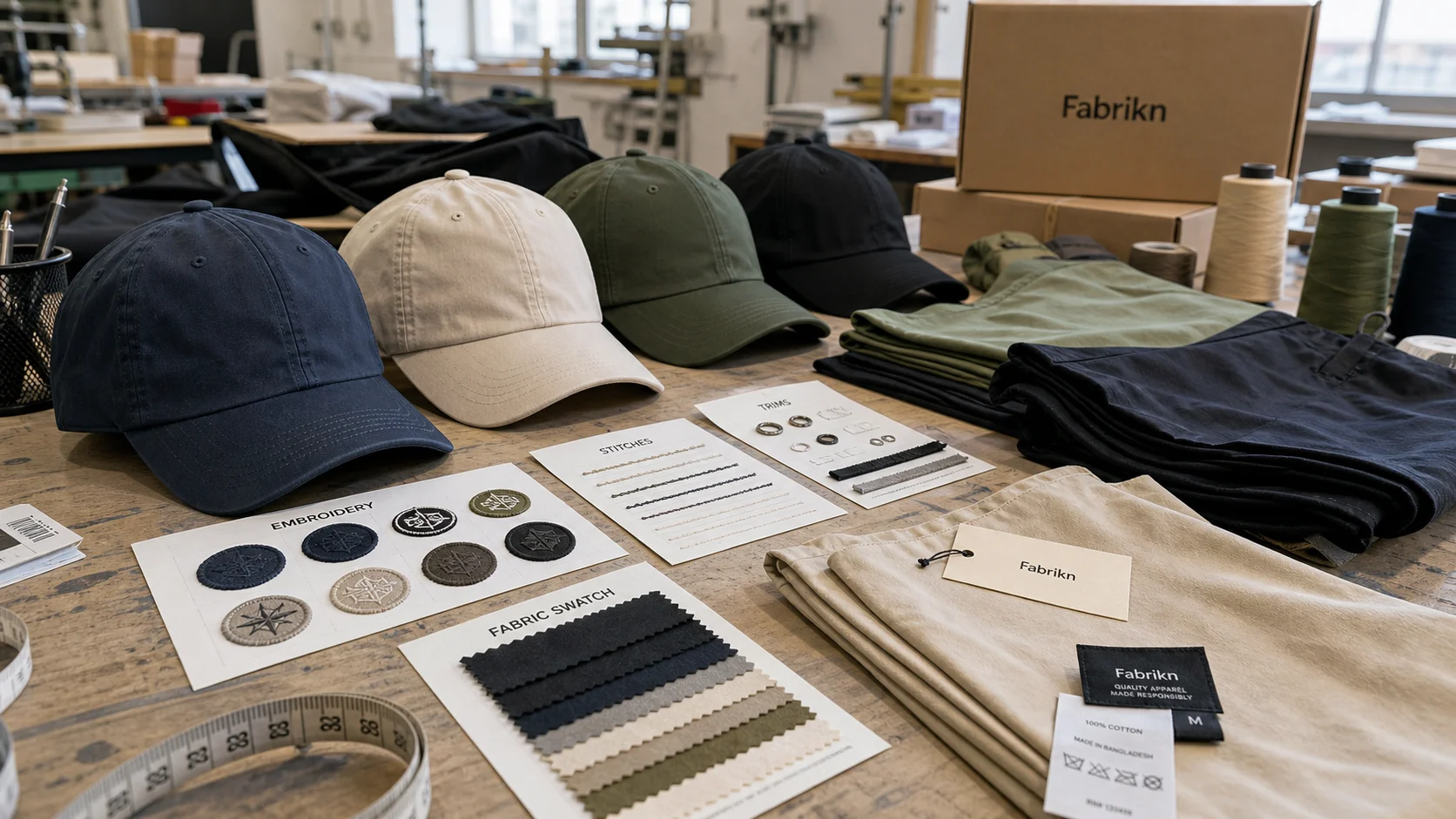
Fashion Ecommerce Returns Policy Template with checks for samples, fit, MOQ, QC evidence, pricing terms, and delivery risk.
Fast answer: Fashion Ecommerce Returns Policy Template: A Practical should be judged by production evidence, not by a generic sourcing promise. The buyer needs sample proof, cost breakdowns, QC checkpoints, and delivery buffers in writing.
Ask for recent sample photos, measurement tolerances, fabric or print test assumptions, decoration test notes, packing examples, and a named inspection checkpoint. These details show whether the team can repeat an approved sample at bulk volume.
Separate garment cost, decoration, labels, packaging, sampling, testing, freight, and rush charges. When every cost line is visible, it becomes easier to reduce colorways, adjust size depth, or reserve more time for sampling.
For fashion ecommerce brands, a clear and customer-friendly returns policy is not just a legal safeguard — it is a key part of the shopping experience. Shoppers want confidence before they click “buy,” especially when purchasing clothing, shoes, or accessories online where fit, fabric, and color can be difficult to judge. A well-written fashion ecommerce returns policy template helps online retailers set expectations, reduce disputes, protect margins, and build trust.
In this guide, we’ll explain what a fashion ecommerce returns policy template should include, how to tailor it to your brand, what common mistakes to avoid, and how to use your policy to improve both customer satisfaction and operational efficiency. Whether you are launching a new online store or reviewing an existing policy, this article will help you create a practical returns framework that supports your business.
Returns are a natural part of fashion ecommerce. Customers may order multiple sizes, compare colors at home, or return items that don’t fit their expectations. In some categories, return rates are significantly higher than in other retail sectors. That makes it essential for retailers to have a returns policy that is both clear and commercially sustainable.
A strong returns policy helps in several ways:
For fashion ecommerce, the returns policy is part of the brand experience. A policy that feels fair, transparent, and easy to understand can influence whether a shopper completes a purchase. If you want to improve customer trust across your fashion business, it helps to align your operations, product quality, and service experience. Learn more about how Fabrikn supports apparel businesses on our services page.
A practical fashion ecommerce returns policy template should cover the essential details customers need before they buy. The aim is to make the policy easy to read while also protecting the retailer’s interests.
State how many days customers have to return an item. A common range is 14, 30, or 60 days from delivery. Make it clear whether the clock starts on the delivery date, purchase date, or order confirmation date.
Example: “Items must be returned within 30 days of delivery.”
Specify the condition items must be in to qualify for a return. For fashion, this often means:
If your business allows try-on returns, explain how far customers may inspect the product without violating the policy.
Clarify what customers can expect once a return is approved. Will you issue a full refund, store credit, or exchange? Some brands offer different rules for full-price and sale items.
Be specific about:
List items that cannot be returned. Common examples in fashion ecommerce include:
For B2B apparel or private-label clothing, non-returnable conditions may also apply to custom production runs. If your business involves manufacturing or bulk clothing production, it can help to define these rules early in your sales process. If you need support with product development or production planning, you can also reach out through our contact-us page.
One of the most important parts of the policy is who pays for return shipping. You can choose to:
This section should be crystal clear, since shipping cost is often a point of friction.
Explain exactly how customers should start a return. The process should be simple and easy to follow. Include details such as:
The easier your process is to follow, the lower your support burden will be.
State whether customers need an order number, receipt, or invoice to complete a return. This helps prevent fraud and keeps your operations organized.
Let customers know that returned items may be inspected before a refund or exchange is issued. This allows you to verify condition and confirm policy compliance.
Include a separate section for items that arrive defective, damaged, or wrong. Customers should know what to do if they receive the wrong size, color, or style. In most cases, the retailer should cover shipping and offer a replacement or full refund.
If you sell globally, mention whether international returns are accepted, how duties and taxes are handled, and whether customers need to pay cross-border shipping costs.
A strong fashion ecommerce returns policy template is usually organized into short, readable sections. Here is a practical structure you can adapt for your brand:
You should also make the policy easy to find on your website. Most brands place it in the footer, product pages, checkout area, and order confirmation emails.
Fashion shoppers are more likely to buy when the returns process feels simple and fair. Use these best practices to strengthen your policy and customer experience.
A returns policy should be written for customers, not lawyers. Use plain language, short sentences, and clear terms. Avoid overly technical wording unless necessary.
Hiding limitations can lead to disputes and negative reviews. If sale items are final sale, say so clearly. If some products cannot be returned for hygiene reasons, make this visible before checkout.
Your written policy must match what your warehouse and customer service team can actually deliver. If you promise a 5-day refund turnaround, make sure your systems support it.
Use a streamlined return process that minimizes back-and-forth emails. Offer self-service returns where possible, and include clear instructions in confirmation emails and order pages.
Many fashion returns happen because customers choose the wrong size or misunderstand the product. Detailed product descriptions, fit notes, measurements, and size charts can reduce preventable returns.
Analyze return data regularly. If customers frequently cite fit, fabric feel, or color mismatch, use that insight to improve product pages and merchandising decisions.
When customers have questions, they should be able to contact you quickly. A responsive support process can resolve issues before they turn into complaints. For brands needing operational support or manufacturing guidance, about-us is a good place to learn more about Fabrikn’s approach.
Many online retailers make returns policies too vague, too rigid, or too generous without considering the cost. Here are the most common mistakes in fashion ecommerce:
Another common issue is trying to copy a policy from a larger retailer without considering your own operations. What works for a global fashion chain may not work for a small or mid-sized brand. Your policy should reflect your logistics, margins, customer base, and product type.
The best fashion ecommerce returns policy template is not a one-size-fits-all document. It should reflect your product range, business model, and customer expectations. Consider the following factors when customizing your policy:
T-shirts, denim, activewear, swimwear, outerwear, and accessories each create different return challenges. For example, swimwear and underwear often require stricter hygiene policies, while outerwear may have fewer size-related returns if detailed measurements are provided.
Higher-priced fashion items may justify more generous return terms because customers need additional reassurance before purchasing. Lower-priced items may require tighter rules to protect margin.
If you sell through both your own ecommerce store and marketplaces, your return rules may need to account for platform-specific requirements.
Domestic and international shoppers may face different shipping times, customs rules, and return costs. Local laws may also affect the policy language you use.
Your return policy should match your brand promise. A premium brand may want to emphasize convenience and service, while a value-focused brand may set stricter boundaries to maintain profitability.
A returns policy is more than a legal page. It influences almost every part of your ecommerce business. When written well, it can improve conversions, reduce support tickets, and support long-term loyalty. When written poorly, it can create friction, confusion, and unnecessary cost.
From a sales perspective, a clear policy can reduce hesitation and increase checkout completion. Shoppers feel safer knowing they can return an item if it does not fit or match expectations.
From an operations perspective, a structured policy improves workflow. Your team knows how to handle each return, what evidence is required, and when a refund should be issued. This reduces inconsistencies and speeds up processing.
From a financial perspective, return policies affect reverse logistics, inventory handling, and profitability. Generous return windows may improve sales, but they can also increase costs. That is why it is important to balance customer convenience with business sustainability.
For brands building or scaling a clothing line, returns management should be considered alongside product development, quality control, and fulfillment planning. A more reliable product and better fit guidance can reduce return volume before it starts.
Your returns policy should evolve with your business. Review it whenever you:
It is also wise to review the policy at least once a year for accuracy, compliance, and consistency with your current operations.
If you are building or scaling a fashion ecommerce brand, returns policy planning should be part of a wider operational strategy. Strong manufacturing, quality control, and customer communication all support lower return rates and better customer experiences. Explore Fabrikn’s services to see how we help apparel businesses develop products and streamline production. If you have questions about your project, reach out via our contact-us page.
A fashion ecommerce returns policy template is one of the most important documents in your online retail business. It protects your company, supports your team, and reassures customers at the moment they are deciding whether to buy. The best policies are clear, practical, and tailored to the realities of fashion ecommerce.
Focus on readability, transparency, and operational alignment. Make sure your policy covers eligibility, item condition, non-returnable products, shipping costs, refunds, and damaged-item procedures. Then review it regularly as your brand grows and your customer expectations evolve.
With the right policy in place, you can turn returns from a pain point into a professional part of the customer journey — one that strengthens trust and supports long-term ecommerce success.
Get a free quote from Fabrikn — your trusted B2B clothing manufacturer with 10+ years of experience. MOQ as low as 200 pieces.
Get a Free Quote →A fashion ecommerce returns policy template is a pre-structured policy document that outlines how online clothing and accessory retailers handle returns, refunds, exchanges, and non-returnable items. It helps brands create a clear and consistent customer experience.
Many fashion brands choose a 14- to 30-day returns window, though some offer longer periods. The right choice depends on your margins, logistics, and customer expectations.
Free returns can improve conversions, but they also increase costs. Many brands offer free returns only for damaged, defective, or incorrect items, while asking customers to pay for change-of-mind returns.
Yes. Many retailers mark sale or clearance items as final sale. If you do this, make sure the rule is stated clearly on product pages and in the policy.
Provide a separate process for incorrect or damaged items. In most cases, the retailer should cover return shipping and offer a replacement or refund as quickly as possible.
Use better size guides, accurate product photos, detailed descriptions, fit notes, and quality control. Tracking return reasons can also help you identify recurring issues.
Yes, often you do. International orders may involve extra shipping costs, customs issues, duties, and longer processing times. Make sure those details are included if you sell globally.
Review it at least once a year or whenever your product range, shipping setup, or market changes. Keeping the policy up to date helps avoid confusion and disputes.