
Sourcing Strategies for Flexible Packaging in compared by sample evidence, fabric or trim specs, MOQ, AQL terms, cost lines, delivery timing, and rework...
Fast answer: Sourcing Strategies for Flexible Packaging in: Material, Print, MOQ, and QC Terms should be judged by production evidence, not by a generic sourcing promise. The buyer needs sample proof, cost breakdowns, QC checkpoints, and delivery buffers in writing.
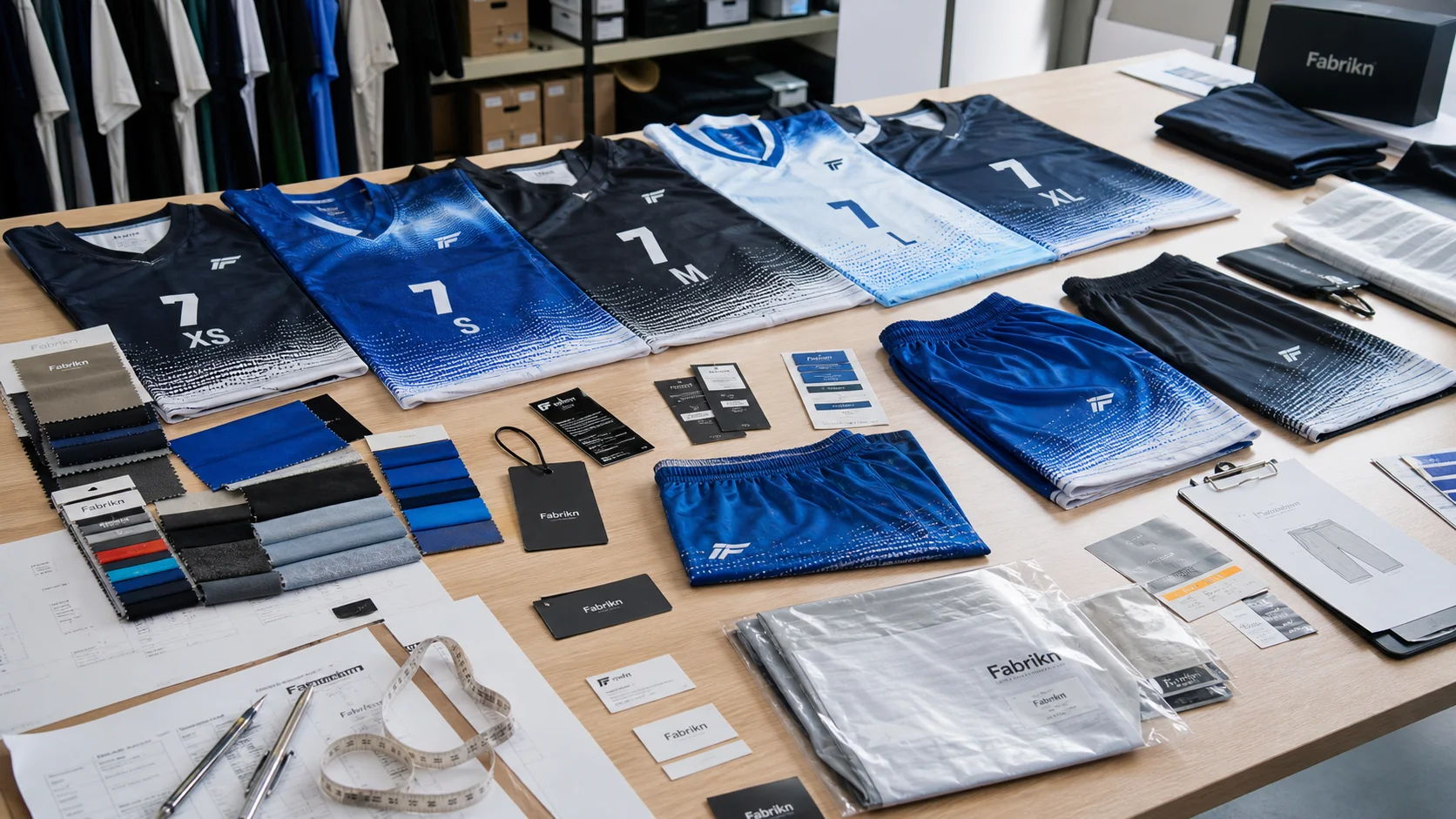
Ask for recent sample photos, measurement tolerances, fabric or print test assumptions, decoration test notes, packing examples, and a named inspection checkpoint. These details show whether the team can repeat an approved sample at bulk volume.
Separate garment cost, decoration, labels, packaging, sampling, testing, freight, and rush charges. Clear cost lines make it easier to reduce colorways, adjust size depth, or reserve more time for sampling.
Smart Sourcing Strategies for Flexible Packaging in Seasonal Fashion ProductionSeasonal fashion production operates on a rhythm dictated by trends, climate changes, and consumer demand spikes, making flexibility in every component of the supply chain an imperative. Among these components, packaging plays a vital role, acting as the first tangible touchpoint between the brand and the customer. As collections shift from spring to summer and from holiday deliveries to limited-time collaborations, the ability to source flexible packaging that can adapt to varying designs, volumes, and lead times is critical. For B2B partners in the fashion industry, adopting smart sourcing strategies not only promotes efficiency but also protects margins and enhances brand stature. Fabrikn, a manufacturing partner that understands the nuances of seasonal schedules, has curated a range of packaging and production services that support these shifting demands. Brands that work with experienced partners gain insights into how strategic sourcing can turn packaging from a logistical pressure point into a competitive advantage.
Seasonal fashion is defined by urgency, creativity, and an imperative to respond to rapidly evolving customer expectations. Unlike evergreen lines, seasonal collections require precise coordination across design, manufacturing, and distribution. One of the most complex categories to manage is packaging, especially when the volumes fluctuate dramatically between capsules, launches, and once-a-year drops. Packaging in this context must do more than protect garments; it must resonate with the campaign messaging, support sustainability goals, and align with the tactile experience that represents the designer’s vision. For seasonal runs, packaging also needs to be adaptable in size, shape, and finishing to accommodate unique product mixes. This demand for flexibility requires sourcing strategies that prioritize scalable production models as well as creative responsiveness.
Flexible packaging becomes advantageous in this scenario because it allows brands to adjust run sizes quickly, experiment with custom graphics, and integrate features like reclosable seals or biodegradable laminates without the heavy overhead of rigid tooling. The sourcing strategy must therefore encompass not only the selection of materials but also timelines, supplier capabilities, and inventory management philosophies. A proactive approach involves forecasting packaging requirements well before the season begins, collaborating with partners who can handle short lead times, and ensuring that warehousing solutions are prepared for surge volumes. When brands align packaging design decisions with their seasonal release calendar, sourcing can become a driving factor in delivering collections on time and within budget.
Flexible packaging is uniquely suited to the health of seasonal fashion production because it offers both creative and logistical advantages. From stand-up pouches and foldable mailers to printed polybags and garment bags, these systems respond quickly to changes in aesthetic direction, environmental initiatives, and fulfillment methods. The shift toward direct-to-consumer drops and pre-order campaigns has increased pressure on packaging suppliers to move beyond standard options. Consumers expect packaging that mirrors the story being told online and in retail spaces, which means the sourcing strategy must keep pace with marketing calendars. Flexible packaging allows brands to upsize or downsize order volumes without incurring significant additional costs, which becomes especially crucial when demand forecasts are still being finalized weeks before launch.
Another reason flexible packaging is central to seasonal production is its compatibility with multi-modal distribution networks. Lightweight materials reduce transportation expenses, and their deformable nature simplifies storage, which, in turn, aligns with fast fashion and limited-edition models that require nimble inventory management. Quality remains a concern, particularly when sourcing from diverse suppliers, but with the right partner relationships, quality control procedures can keep pace with speed. Flexible packaging also supports brand differentiation: specialized finishes, textured surfaces, and custom printing techniques can be integrated more easily compared to rigid alternatives. This capability ensures each seasonal release feels bespoke yet remains scalable, reinforcing the brand’s narrative with every shipment.
By treating flexible packaging as a strategic asset rather than a necessary afterthought, brands gain the confidence to experiment with seasonal concepts without sacrificing operational control. The sourcing model should include options for short-run custom prints, modular insert systems, and trackable labels that boost the unboxing experience. In this way, packaging becomes an extension of the fashion product, reinforcing the seasonal message and increasing perceived value while keeping procurement costs manageable.
When cultivating sourcing strategies for flexible packaging in seasonal fashion production, brands must take a holistic view that incorporates planning, partner selection, sustainability, and contingency allowances. The following sub-strategies offer a framework for achieving packaging resilience during peak periods.
Smart sourcing starts with recognizing that packaging lead times cannot be compressed indefinitely. The foundation of any seasonal plan involves aligning packaging requirements with design milestones, marketing calendars, and inventory-building windows. During the concept phase, brands should estimate the volume of each SKU, the packaging style, and the desired finish, thereby enabling procurement teams to request quotes and secure capacities well in advance. Supplier collaboration in this stage allows for co-development of solutions that respond to color changes, label placements, and limited-edition embellishments. Early planning also allows for headcount allocation in factories, ensuring that the necessary tooling, printing plates, and inspection routines are scheduled without last-minute squeeze. With clear timelines, packaging partners can better allocate internal resources and offer phased deliveries that match seasonal rollouts.
Forming strategic partnerships with flexible packaging manufacturers ensures that each seasonal collection benefits from deep industry knowledge and manufacturing foresight. Suppliers who have experience with fashion brands understand the pressure points of seasonal production, including the need for rush orders, sample approvals, and final adjustments. When evaluating partners, brands should assess capacity, quality certifications, and the ability to support design innovation. Strategic partners often provide additional services such as mockups, digital proofs, and sustainability consulting, which accelerates decision-making. Transparent communication, shared performance KPIs, and quarterly reviews deepen trust and keep both sides accountable for delivery times and quality standards.
Integration with partners can be further strengthened by incorporating regular design reviews, where packaging prototypes are evaluated alongside garment samples. This ensures visual harmony and avoids costly rework during peak launches. Strategic alliances also open opportunities for co-investment in new materials or shared inventory programs, which reduce per-unit costs while maintaining flexibility.
Relying on a single supplier introduces risk when seasons demand rapid shifts or surge capacity. Multi-sourcing, where fashion brands partner with several flexible packaging vendors, reduces vulnerability and allows for greater agility in procurement. This approach supports staggered deliveries, emergency order fulfillment, and diversification across geographies. Multi-sourcing requires a dedicated sourcing team to manage qualification, standardization, and communication, but the payoff is resilience. Brands can assign specific packaging types or materials to certain suppliers, ensuring consistent quality while maintaining the ability to pivot between partners if unforeseen issues arise. Also, multi-sourcing encourages competitive pricing as each supplier understands they must demonstrate value beyond the base contract.
Consumers increasingly expect packaging that aligns with broader sustainability commitments, especially in fashion where waste reduction is a powerful brand differentiator. Sourcing strategies should therefore include sustainable materials, recyclable components, and transparent certifications. A fashion brand’s sustainability goals must be reflected in flexible packaging choices—whether through biodegradable film, recycled content, or mono-material constructions that simplify recycling. Procurement teams can work closely with packaging specialists to assess the environmental impact of each option, ensuring alignment with regulatory requirements and customer expectations. Also, suppliers who prioritize sustainability often possess eco-innovation labs or certifications such as FSC, ISO 14001, or GRS, giving fashion brands assurance through recognized standards. Integrating sustainability into sourcing policies strengthens brand trust and positions seasonal collections as forward-thinking initiatives.
Seasonal fashion production can be derailed by delays from natural disasters, transportation challenges, or sudden demand spikes. Smart sourcing prepares for such events by maintaining contingency plans and buffer stocks for key materials. While lean inventory is desirable, a strategic buffer for packaging components—especially those critical to the launch narrative—provides breathing room during crunch periods. Contingency planning also involves keeping alternate suppliers on standby, creating expedited production pathways with existing partners, and identifying nearby warehousing options for emergency distribution. Some fashion brands engage third-party logistics providers to store pre-printed packaging or reserve production capacity, ensuring they can scale promptly when demand exceeds projections. By building these margins into the sourcing strategy, seasonal campaigns retain momentum even when disruptions occur.
Technology is reshaping how packaging is sourced, especially in time-sensitive seasonal production runs. Digital tools enable fashion brands to forecast demand more accurately, manage supplier performance, and track quality metrics in real time. Advanced planning systems integrate sales projections with procurement schedules, automatically updating packaging requirements as styles are added or removed from the drop list. E-sourcing platforms centralize RFQs, quotes, and supplier communications, reducing administrative delays and maintaining a transparent audit trail. These technologies also help identify cost-saving opportunities by comparing historical pricing, evaluating total landed costs, and simulating various sourcing scenarios.
Data analytics contribute to smarter decision-making by mapping supplier capacity against seasonal peaks, highlighting bottlenecks before they occur. Aggregated metrics—such as on-time delivery rates, first-pass quality scores, and acceleration capability—become valuable when negotiating terms or assessing new partnerships. Also, packaging suppliers are increasingly using digital print proofs, virtual mockups, and automated color matching, allowing fashion teams to approve designs without multiple physical samples. Such automation streamlines the sourcing process, reduces waste, and keeps packaging production aligned with fashion’s rapid cycle. Fashion brands should invest in compatible systems that foster integration across procurement, design, and production teams, ensuring packaging strategies remain cohesive throughout the season.
In seasonal fashion production, risk management extends beyond lead times; it encompasses quality, compliance, and supplier reliability. Flexible packaging must consistently meet standards for appearance and durability, even under the pressure of truncated sourcing windows. Developing a comprehensive quality assurance program entails establishing clear specifications, conducting pre-production approvals, and performing in-line checks during manufacturing. Risk assessments should identify potential failures—such as misaligned printing, weak seals, or material inconsistencies—and embed mitigation steps with suppliers. Risk management also requires awareness of regulatory requirements related to labeling, ink safety, and material declarations, particularly for exports.
Fabrikn’s commitment to holistic manufacturing excellence ensures that packaging sourcing decisions are evaluated through both compliance and quality lenses. By building stringent inspection protocols and real-time reporting dashboards, fashion brands protect their seasonal launches from setbacks. Suppliers with strong traceability systems can quickly isolate issues and prevent rework, which becomes vital when timelines are already compressed. Also, incorporating third-party audits or certifications adds credibility and fosters alignment with large-scale retail partners. Through proactive risk management, brands reduce the chance of recalls, delays, or negative customer experiences, keeping seasonal momentum intact.
The decision between global and local sourcing for flexible packaging has significant implications for seasonal fashion production. Global sourcing can offer cost efficiencies and access to specialized materials, but it also introduces risks related to transit times, customs, and geopolitical shifts. Local sourcing, on the other hand, provides speed, responsiveness, and easier collaboration but may come with higher per-unit costs. A balanced strategy often combines both approaches: brands might secure local suppliers for urgent fan-out campaigns while maintaining international partners for baseline materials or specialized finishes. This dual approach enables accessible sustainability audits and reduces the carbon footprint of certain segments while still benefiting from global innovations.
Evaluating logistics, tariffs, and shipping lanes becomes essential in this analysis. Seasonal fashion brands should be aware of port congestions or seasonal holidays that could disrupt packaging deliveries. When local capacities are limited, global partners need to provide dependable forecasting and flexible production plans. Conversely, for markets where rapid storeside replenishment is required, local sourcing can react more swiftly, ensuring that packaging arrives alongside new garments. Maintaining a global-local sourcing mix allows fashion teams to adapt to multiple timelines without overcommitting to single geographies, which is especially valuable in unpredictable seasons.
Strong supplier relationships are the backbone of effective packaging sourcing. Fashion brands should treat packaging partners as allies rather than vendors, investing time in building mutual understanding. Regular performance reviews, joint planning sessions, and shared innovation workshops help sustain alignment during the most demanding seasons. Clear communication channels ensure that changes in design, schedule, or materials are relayed instantly, minimizing surprises. A partnership mindset also allows for collaborative problem-solving when unexpected issues arise, such as supply chain disruptions or changing customer preferences.
Supplier relationship management benefits from shared metrics that measure responsiveness, adherence to timelines, and quality consistency. Incentivizing suppliers for exceptional performance, particularly during seasonal crunch periods, encourages commitment. Conversely, transparent feedback about areas for improvement fosters continuous development. When suppliers feel valued, they are more likely to prioritize the brand’s seasonal launches and offer proactive suggestions for packaging enhancements. Building this level of trust may involve co-investing in training, sharing market insights, or coordinating logistics planning directly with the supplier’s teams. The result is a cohesive ecosystem where packaging sourcing becomes an integral part of seasonal execution rather than an isolated procurement activity.
Seasonal fashion brands often operate under tight budgets, yet they cannot compromise on packaging that reflects their story. Achieving this balance requires creative sourcing tactics that blend economy with impact. One approach is to identify modular packaging systems that allow for minimal customization through inserts or stickers, enabling tribes to tailor the experience with cost-effective tweaks. Dollar-efficient procurement also involves evaluating the total cost of ownership—packing, transportation, storage, and handling—rather than focusing solely on per-unit pricing. Bulk ordering for standard materials with flexible customization slots can also reduce costs while maintaining the visual distinction necessary for seasonal drops.
Also, brands should explore packaging outsourcing models where partners handle relief printing, die-cutting, and finishing in consolidated operations to minimize waste and expedite turnaround. Value engineering sessions with suppliers can uncover opportunities to reduce material usage without diminishing perceived quality. The goal is to design a packaging program where every element, from tape to tissue paper, contributes to the emotional narrative without inflating costs unnecessarily. When cost constraints are balanced with brand expectations through intelligent packaging sourcing, fashion brands can deliver unforgettable seasonal experiences while safeguarding profitability.
Operational excellence is critical when juggling packaging demands across multiple seasonal lines. Brands should implement workflows that create visibility across departments, ensuring that everyone understands packaging requirements down the fabric to the finish. Centralized project management systems that track milestones, approvals, and shipments prevent miscommunications when the calendar is packed with launches. Also, standardizing documentation, from spec sheets to packaging development kits, streamlines approvals and allows suppliers to execute quickly. Regular cross-functional meetings involving merchandising, supply chain, and marketing teams keep packaging aligned with broader campaigns.
Inventory control is another operational focus. Fashion brands can implement vendor-managed inventory models with packaging suppliers, enabling crew to monitor usage and replenish based on actual production consumption. This reduces manual ordering and prevents stock-outs. Another tip is to maintain a packaging innovation library that catalogs past finishes, materials, and constructions. This reference base speeds decision-making when launching similar seasonal campaigns and reduces the need for new tooling. Finally, investing in training for sourcing teams on the nuances of flexible packaging—such as understanding film grammage, sealing techniques, and sustainable alternatives—empowers them to make informed requests and negotiate effectively.
Flexible packaging sourcing plays a pivotal role in ensuring the success of seasonal fashion production. From the initial forecast to the final delivery, packaging must be responsive, sustainable, and aligned with the brand’s story. By adopting smart sourcing strategies—early coordination, strategic partnerships, multi-sourcing, sustainability integration, and robust risk management—brands can navigate the shifting demands of seasonal calendars with confidence. Leveraging technology, maintaining strong supplier relationships, and balancing cost with experience further enhance the packaging program’s effectiveness. By viewing packaging as a strategic differentiator rather than a logistical challenge, seasonal fashion leaders can deliver memorable launches that resonate with consumers and keep operations running smoothly.
For brands looking to elevate their seasonal production, Fabrikn’s bespoke packaging and manufacturing expertise ensures every element, from flexible mailers to protective polybags, complements the broader strategy. Explore more about how Fabrikn supports fashion brands at https://www.fabrikn.com/services/ and if you are ready to optimize your seasonal supply chain, our team is available via https://www.fabrikn.com/contact-us/. Learn about our history of delivering for fashion innovators at https://www.fabrikn.com/about-us/.
Get a free quote from Fabrikn — your trusted B2B clothing manufacturer with 10+ years of experience. MOQ as low as 200 pieces.
Get a Free Quote →Flexible packaging allows for rapid customization, scalable order quantities, and lightweight logistics, which perfectly align with the volatility and creativity of seasonal fashion launches. Its adaptability to unique finishes and quick turnaround times helps brands match packaging to each new collection without excessive costs.
Brands should incorporate sustainability goals into their sourcing policies by choosing recyclable, recycled, or biodegradable materials while working with suppliers who can value-engineer solutions. Prioritizing mono-material constructions and partnering with knowledgeable manufacturers allows brands to meet eco-standards without sacrificing cost efficiency.
Multi-sourcing reduces dependence on a single supplier, enabling brands to quickly pivot when demand spikes or disruptions occur. It also fosters a competitive dynamic where suppliers strive for excellence, and it allows brands to distribute different packaging needs across specialists who best match each requirement.
Key practices include aligning packaging planning with season timelines, centralizing communication tools, maintaining spec libraries, leveraging vendor-managed inventory, and training teams on packaging technologies. These steps increase transparency, reduce errors, and ensure packaging arrives when the season demands it.