
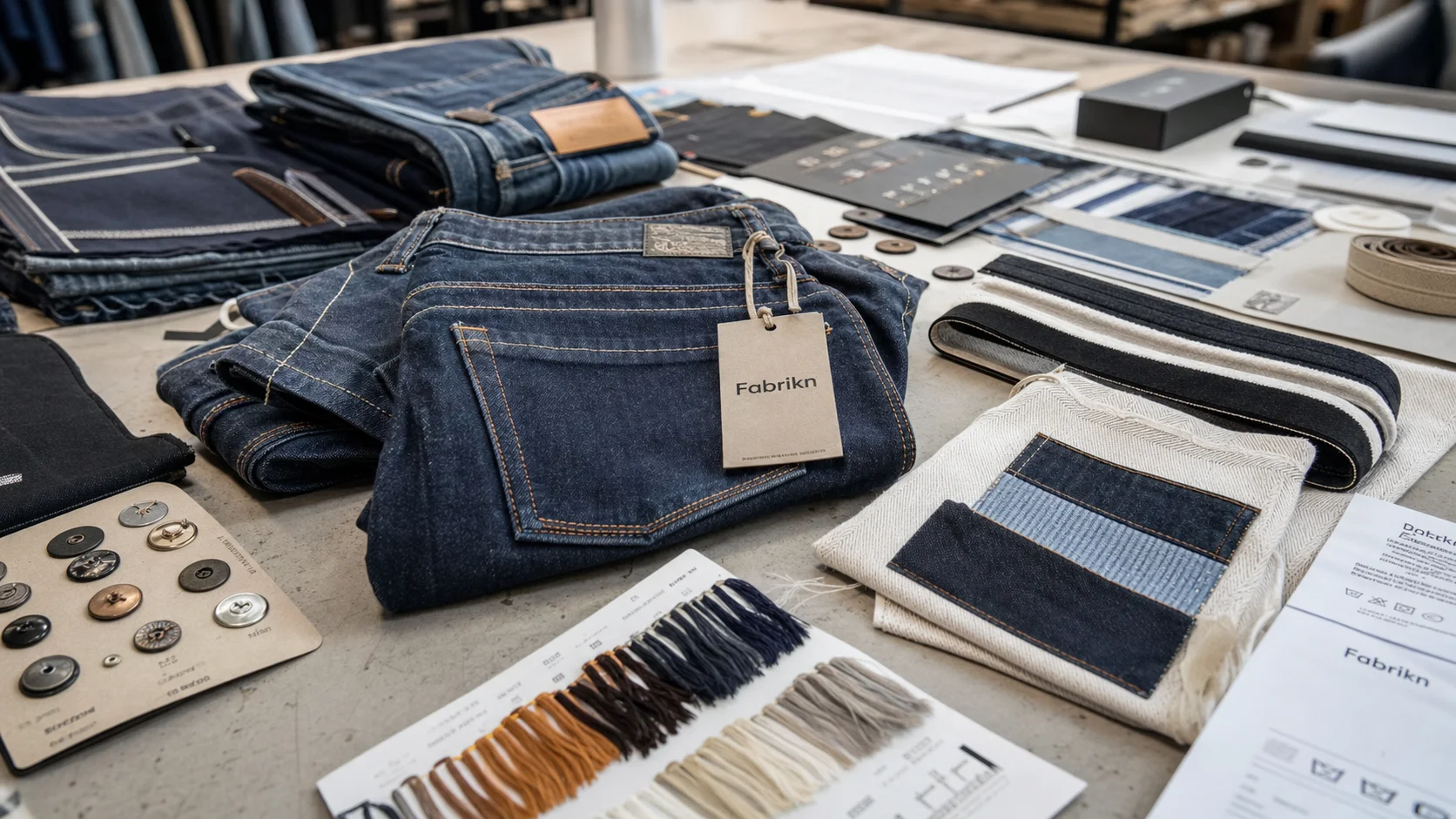
French Terry Hoodie Manufacturer China with checks for samples, fit, MOQ, QC evidence, pricing terms, and delivery risk.
Fast answer: French Terry Hoodie Manufacturer China: Costs, Quality, Timelines should be judged by production evidence, not by a generic sourcing promise. The buyer needs sample proof, cost breakdowns, QC checkpoints, and delivery buffers in writing.
Ask for recent sample photos, measurement tolerances, fabric or print test assumptions, decoration test notes, packing examples, and a named inspection checkpoint. These details show whether the team can repeat an approved sample at bulk volume.
Separate garment cost, decoration, labels, packaging, sampling, testing, freight, and rush charges. When every cost line is visible, it becomes easier to reduce colorways, adjust size depth, or reserve more time for sampling.
China doesn’t just make French terry hoodies; it corrals the entire process into one industrial rhythm. Yarn spinning, dyeing, cutting, embroidery, and packaging sit close enough to behave like a single operation. That matters. A french terry hoodie manufacturer china can fix a shade issue in 48 hours because the dye house, knit mill, and garment line usually sit in the same cluster.
After 200+ factory visits in 8 countries, the pattern kept repeating. French terry is not simply sewn; it is managed. The looped back structure depends on knitting tension, GSM accuracy, and shrink control long before the first panel gets cut. A 20 GSM swing changes drape, hand feel, and fit enough to send returns climbing.
Premium-looking hoodies still come out of mass-market factories. Why? Integrated supply chains cut down on mistakes. Fewer handoffs mean fewer chances for a rib supplier to miss stretch recovery or for embroidery to pull a shoulder seam out of shape. In one plant, 12 steps under one roof beat a cheaper setup that outsourced half the job across three towns.
Mid-price factories can also be stricter than ultra-cheap suppliers because repeat export clients keep them honest. I watched a $6.20 FOB factory reject its own lot for uneven shrinkage. A $4.80 quote tried to ship that same mess. Repeat business changes behavior.
China still leads Vietnam, Bangladesh, and Turkey on speed and coordination in this category. Vietnam can handle certain labor-heavy programs, but fabric dependence slows some orders. Bangladesh can price aggressively, yet knit fabric control is uneven from one supplier to the next. Turkey moves fast for European buyers on 300-800 piece runs, though decoration and specialty washes push costs up quickly.
Paperwork comes first. I ask for the business license, export history, compliance audits, fabric test reports, and brand references before I pay a sample fee. If a supplier stalls on any of that, I slow down. A real factory knows its ownership structure, license scope, and the mills or dye houses it uses.
For a french terry hoodie manufacturer china, the knit spec, GSM range, wash shrinkage, colorfastness targets, and seam strength should be clear before a sample is cut. A solid factory can tell you whether the body fabric is 280 GSM or 320 GSM, whether the yarn is ring-spun or open-end, and whether the hood lining uses self-fabric or jersey.
MOQ says plenty. Startups need flexibility, so 300-500 pieces per color can matter more than a perfect price. Established brands should push for repeatability, audited processes, and stable production lines. Building a long-term line? A supplier that can hold 2-3 shade bands across 1,000 units beats one that only entertains tiny test runs.
I’ve seen red flags that never miss: vague answers about who owns the knitting machines, no in-house QC, samples that differ from bulk by more than 5%, and no straight answer on where the fabric comes from. A factory should explain who dyes the cloth, how shade bands are controlled, and what happens when a bulk lot lands between color points. Supplier versus broker. Very different.
For buyers comparing custom hoodie manufacturing to cut and sew manufacturing, the document trail matters even more because every handoff changes risk. If you are also building a broader line, private label clothing services can help standardize labels, care tags, and packaging across styles, but only if the factory can show actual export records, not just a polished website.
Fabric weight drives the first jump in price, and it moves faster than most buyers expect. A 280 GSM hoodie costs less than a 320 GSM version because yarn usage rises, knitting time increases, and shrink management gets tighter. You pay for more fiber, more control, and more waste prevention.
A real cost stack includes base fabric, ribbing, sewing labor, garment wash, labels, packaging, freight, duties, and compliance testing. On a clean blank program, I’ve seen FOB quotes around $7.50-10.50 for mid-range quality at 500-1,000 pieces. Add screen printing, and the price can move by $0.80-2.50 per piece. Add dense embroidery on the chest and sleeve, and labor can rise another $1.20-3.50, especially if the design needs backing and multiple hoop positions.
FOB, EXW, and DDP change the headline quote in ways many buyers underestimate. EXW looks cheap because it excludes inland transport and export handling. FOB includes the local export leg. DDP folds in freight and duties, which helps budgeting but can hide padding in the price. I compare landed cost, not the first email number.
Regional pricing shifts with factory type too. Coastal export factories often quote higher than inland factories, yet that premium can disappear in lower defect rates and faster problem solving. A Zhejiang factory may quote $0.60 more per hoodie than a cheaper inland zone, then save you 7-10 days in approvals and rework. Those days cost money.
Very low quotes often hide extras: sampling, color matching, carton specifications, hangtags, and even thread color changes can become change orders. The supplier quoting $5.90 may not be cheap once the fabric swatch, wash lab dip, and packing upgrade land on the invoice. To get a clean starting point, get a free quote only after standardizing fabric weight, decoration method, and shipping term.
French terry failures show up in familiar ways: spirality twists side seams after washing, shrinkage runs above tolerance, pilling appears after two or three cycles, the nap looks uneven, and shade variation breaks a matching set. Not abstract defects. Refund claims with shipping labels attached.
My target thresholds are blunt. Wash shrinkage under 5% is a reasonable benchmark for most fashion hoodies, though some premium programs push lower. Colorfastness should match the market and the test method. Seam integrity must survive stretch and wash without popping at the pocket opening or underarm. If the hoodie uses enzyme wash instead of stone wash, the hand feel changes, but abrasion control can be easier on French terry.
Sample rooms can fool you. I’ve watched spotless hoodies come out of a sample room, then seen bulk inconsistency once production passed 1,000 units. Simple reason: samples usually go through the best mechanic on the floor, with freshly sorted trims and close supervision. Bulk runs under time pressure, shift changes, and line-balancing issues.
Quality checkpoints belong at every stage: yarn incoming inspection, knitting, dyeing, cutting, sewing, finishing, and final packing. If the factory cannot show the record for each stage, the inspection is theater. I also want needle detection logs, metal contamination checks, and carton drop tests, especially for shipments over 500 cartons.
According to ASTM, AATCC, OEKO-TEX, and Textile Exchange, fabric performance should be verified through standardized methods rather than visual approval alone. I use third-party inspections for first orders, for factories with multiple production lines, and any time subcontracting enters the picture. A 2% random check is not enough if one line is making 800 units and another is quietly finishing the rest off-site.
For French terry hoodies, China is usually strongest on coordination. Vietnam can work well for certain apparel programs, but fabric dependency can add 2-4 weeks when mills are not nearby. Bangladesh often wins on price, especially above 3,000 pieces, though communication and finishing control may take more management. Turkey appeals to European buyers who need 300-1,500 pieces and a shorter transit window.
Lead time is not just sewing time. Fabric booking, lab dips, trims, approvals, bulk knitting, washing, shipping — all of it counts. China can move a coordinated hoodie program in 4-6 weeks after sample approval if fabric is available. Vietnam and Bangladesh may need 6-10 weeks depending on fabric sourcing. Turkey can be quicker on small runs, sometimes 3-5 weeks, but that speed usually comes with a higher unit price.
Price-point fit matters. Entry-level brands chasing a retail price of $35-45 often need Bangladesh or lower-cost Chinese factories. Mid-market labels selling at $58-88 usually benefit from China’s balance of speed and consistency. Premium brands selling above $100 can justify Turkey for shorter runs or China for stronger trim ecosystems and better decoration options.
The cheapest country is not always the cheapest landed cost. A $0.70 unit saving can vanish if defect rates rise by 4%, if rework adds 10 days, or if transit delays push a launch past its retail window. I’ve seen a supposedly low-cost program become the most expensive after one poor dye lot and a missed ship date.
The development sequence is usually tech pack, proto sample, fit sample, size set, and pre-production sample. Each stage has a job. The proto sample proves construction. The fit sample checks proportion. The size set confirms grading. The pre-production sample locks bulk details. Skip one, and bulk risk climbs fast.
Timing varies. A proto sample can take 5-10 days. Fit revisions add another 3-7 days. Lab dips for color can take 4-12 days, especially if the mill is matching a dense heather or pigment shade. Missing trims add 2-5 days. Wash approvals can add a full week. I’ve seen a supposedly simple hoodie project slip from 18 days to 34 because one cord end and one zipper pull were not approved at the same time.
A strong tech pack saves money. Include spec sheets, stitch details, pocket dimensions, hood shape, drawcord notes, and artwork placement. If you want embroidery, specify stitch count range and placement tolerances. If you want screen print, define ink type and hand feel. Precision here is not pedantry. It prevents version drift.
What most people miss: sample approval should be measured, not emotional. Set tolerances for chest width, body length, sleeve length, and shrinkage before the first round. Limit revision loops to 2 or 3 rounds. Otherwise, the sample room turns into an endless design studio, and the order starts late with no clear benchmark for bulk.
If you are building a hoodie line at scale, this is where custom hoodie manufacturing should be treated as process engineering, not art. The best factories can translate your sample comments into a production sheet that the line leader can actually use. That keeps a 500-piece launch from turning into a 2,000-piece headache.
Start with 5-8 factories, not 20. Ask each one for comparable quotes using the same fabric weight, decoration method, packing, and shipping term. Verify business paperwork, order test samples, and inspect one pilot run before you commit to volume. If a supplier will not quote on equal terms, the comparison is already broken.
For first orders, I prefer smaller pilot quantities, third-party inspection, and a negotiated defect allowance. A 300-500 piece test run tells you more than a glossy sample ever will. Track landed cost, rejection rate, and reorder speed rather than unit price alone. Those three numbers reveal whether the factory is helping your margins or quietly eroding them.
My buying frame is simple. The right factory is the one that can repeat quality, not just make one good sample. That distinction saves inventory, launch dates, and cash. If you need a starting point, compare notes, standardize your specs, and get a free quote only after the same benchmark is in every inbox.
For a mid-range blank hoodie, I usually see FOB quotes around $7.50-10.50 at 500-1,000 pieces. Printing, embroidery, wash treatments, and premium trims can push that higher by $1.00-5.00 per piece. Freight and duties are separate unless you request DDP pricing.
A proto sample often takes 5-10 days, and fit revisions can add 3-7 more days. Lab dips, missing trims, or wash approvals can extend the process to 2-4 weeks. A clean tech pack usually shortens the cycle.
Ask for the knit spec, GSM range, shrinkage target after wash, colorfastness standard, and seam strength requirement. You should also request business registration, export history, and fabric test reports. If they cannot answer where the fabric comes from, stop there.
Check the business license, factory address, export history, and whether they can explain ownership of knitting machines and QC procedures. A real factory can show line photos, test reports, and repeat brand references. Trading firms often stay vague on production details.
Yes. Many factories will consider 300-500 pieces per color for startup programs, though costs per piece are usually higher at those quantities. Established factories may prefer 1,000+ pieces for better efficiency, but some will accept pilot runs if you plan repeat orders.