
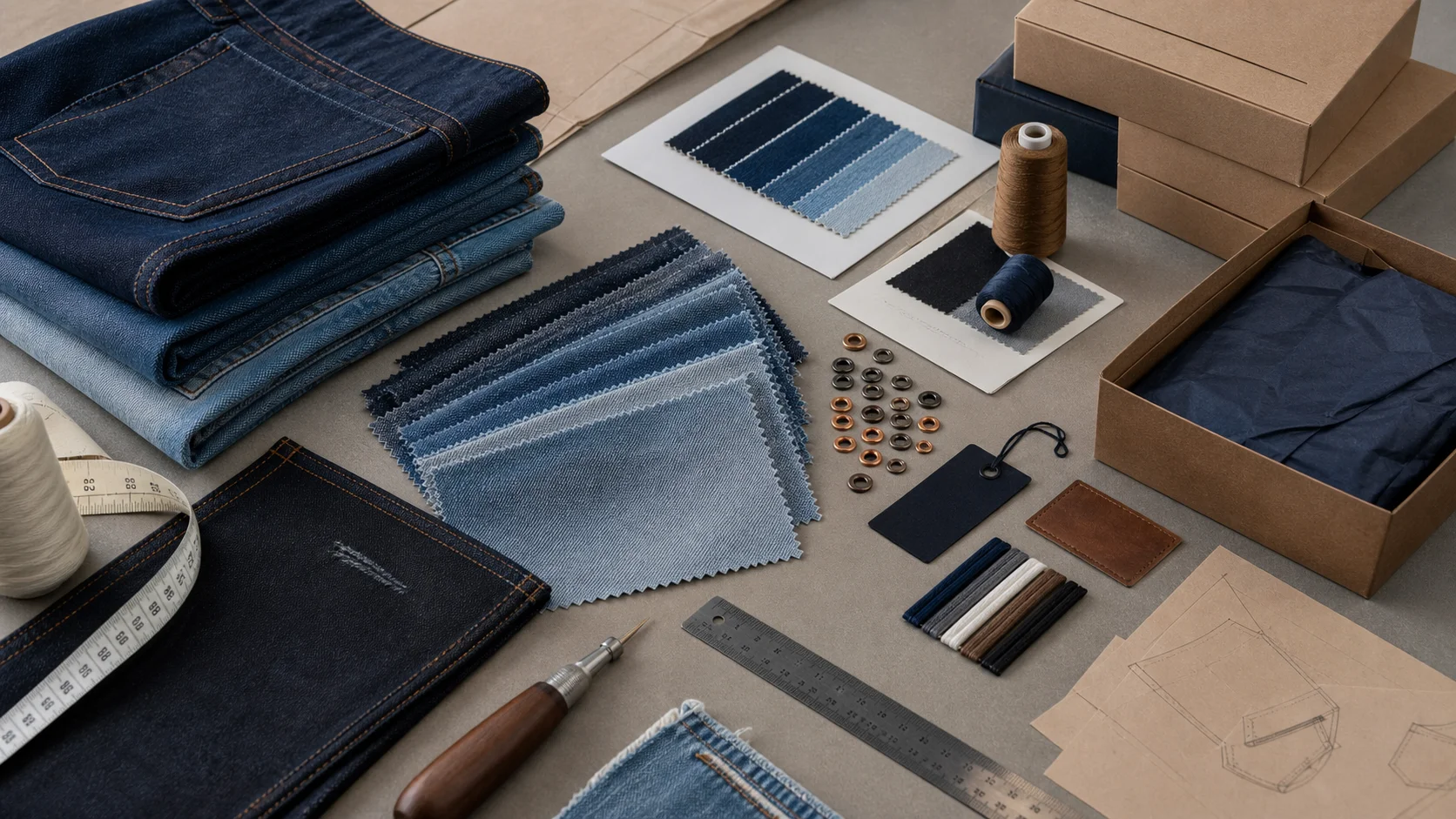
Garment Production Timeline from Sample to Bulk compared by sample evidence, fabric or trim specs, MOQ, AQL terms, cost lines, delivery timing, and rework...
Fast answer: Garment Production Timeline from Sample to Bulk: Sample Evidence, MOQ, Capacity, and Rework Terms should be judged by production evidence, not by a generic sourcing promise. The buyer needs sample proof, cost breakdowns, QC checkpoints, and delivery buffers in writing.
Ask for recent sample photos, measurement tolerances, fabric or print test assumptions, decoration test notes, packing examples, and a named inspection checkpoint. These details show whether the team can repeat an approved sample at bulk volume.
Separate garment cost, decoration, labels, packaging, sampling, testing, freight, and rush charges. Clear cost lines make it easier to reduce colorways, adjust size depth, or reserve more time for sampling.
The first sample is rarely the finish line; it is usually the beginning of the real work. In any garment production timeline from sample to bulk, a collar moved by 4 millimeters or a fabric swap can send the schedule back to square one. I have watched buyers celebrate a promising prototype, then lose three weeks to a sleeve pitch correction, a neckline tweak, and a fabric change that forced the plan to start breathing again from scratch. That is the rhythm: not a straight line, but a chain of dependencies.
Most new brands budget four to six weeks and then blink when a simple cotton tee takes eight to 14 weeks, or a complex jacket stretches to 12 to 20 weeks. The delay rarely comes from one dramatic failure. It comes from small tasks stacked on top of each other: fabric sourcing, lab dips, trim approvals, pattern corrections, fit comments, and the mill taking 10 days just to confirm a dyed yarn lot. On factory visits in Vietnam and Portugal, I saw sampling teams move briskly on paper patterns and proto samples, while bulk production in Bangladesh and China accelerated only after materials were locked and the line was booked.
That regional split matters. A smaller manufacturer in Ho Chi Minh City can return a sample in five to seven days because the pattern room, sample cutters, and sewing room sit close together. A high-volume supplier in Zhejiang may need nine to 12 days for the first round, yet once bulk starts, the same factory can finish 20,000 pieces faster than a boutique operation with 40 sewing machines. Premium brands still wait longer because they ask for better handfeel, tighter tolerances, and more testing, not because the factory is dragging its feet.
According to ISO standards around process control, quality systems improve when checkpoints are explicit. That is exactly what I see in better factories. Brands that respect each checkpoint protect margin, launch dates, and inventory risk. Brands that rush usually pay twice: once in rework, and again in markdowns.
The sample room is where optimism meets math. Every stage has a job, and every stage has a delay window buyers should know before they promise a retailer a ship date. In the garment production timeline from sample to bulk, the first file is the tech pack. That packet contains measurements, artwork placement, stitch types, seam allowances, label positions, and grading notes. A strong tech pack and pattern development phase usually takes three to 10 days. Weak packs can sit for two weeks because the factory keeps sending questions back instead of cutting fabric.
Next comes the proto sample, the first physical version, usually built in a substitute fabric or a close match from stock. I have seen proto turnaround in five to 12 days, depending on whether the factory has paper patterns ready and whether the fabric room can spare 1.5 meters for testing. A fit sample follows, and this is where timelines start to splinter. Fit revisions commonly take three to seven days per round, but if the brand keeps changing key measurements, that window stretches to 10 days or more. A sales sample, often used for showrooms or wholesale appointments, can take five to 14 days if the correct fabric is available.
Here is what most people miss: the cleanest sample process usually comes from brands that send fewer revisions but more precise comments. A page of exact measurements and annotated photos beats six pages of vague feedback every time. I have worked with brands that reduced sample rounds from four to two simply by naming the problem clearly. “Tight across bicep by 1 cm” gets a fast response. “Feels off” does not.
PP sample approval and pre-production signoff are the gates that matter. Once the PP sample is accepted, the factory can lock trims, finalize markers, and prepare bulk. MOQ changes the rhythm here. A 300-piece order may wait for shared machine time, while a 3,000-piece order can get a sample team working in parallel with sourcing. For buyers, that means the same style can move in 18 days or 38 days depending on workload, not just design difficulty.
Approval does not mean production starts the next morning. It means the paperwork and materials race begins. The hidden gap between sample approval and bulk start often runs one to six weeks, and custom-dyed fabric can take the longest. Branded trims, woven labels, zipper pulls, and custom hangtags add their own queue. I have seen a premium fleece order sit idle for 18 days because the mill needed a shade band approved before booking 1,200 kilograms of yarn.
Fabric mills often control the real schedule, not the cut-and-sew factory. That point frustrates buyers because the sewing floor looks ready, yet the cloth is trapped upstream. Low-cost basics usually move faster because stock-supported jersey, rib, or twill is already in warehouse lots. Sustainable collections often wait longer, especially if the buyer needs certified organic cotton, recycled polyester documentation, or traceability files tied to Textile Exchange standards. A conventional tee may use stock fabric and move in six to eight weeks. An organic tee with dyed yarn and audit paperwork may need 10 to 14 weeks.
Before bulk cutting, disciplined factories run lab dips, shrinkage tests, and needle detection planning. I have watched a reliable factory save two full days by booking pre-production meetings before trims arrived, then rechecking seam allowances on the first marker rather than after 5,000 pieces were cut. Marker making, cutting, and line planning should never be treated like clerical work. They decide fabric yield, labor efficiency, and defect rates.
If a factory uses this phase well, it reduces bulk faults that would cost far more than three days of patience. One missed shade approval can trigger 7,000 units of rework. A clean pre-production signoff can protect two percent to four percent of margin, which is real money when your order value is $18,000 or $180,000. For buyers comparing standards across suppliers, the OEKO-TEX framework is also useful when assessing chemical safety and quality expectations.
The smartest buyers compare timelines the way they compare freight rates: by product, region, and order size. A 500-piece t-shirt order can reach bulk in six to eight weeks if the fabric is stock-supported and the fit is straightforward. A tailored blazer often needs 12 to 20 weeks because canvassing, sleeve roll, lining, and pressing all introduce separate checks. Add embroidery, and you may add one to two weeks. Add a special wash, and another one to three weeks can disappear.
Regional sourcing changes the clock, but not in the lazy way people assume. Nearshore factories in Turkey, Portugal, or Central America can cut transport time and reduce email lag, yet they often charge 15 percent to 40 percent more per piece than Asian factories. Asia can offer lower piece prices, especially for larger volume orders, but custom materials may take longer because mills serve huge programs first. I have seen a $3.20 jersey tee in Bangladesh ship bulk faster than a $7.80 nearshore version only because the cloth was already in stock.
Small orders do not always move faster. A 400-piece brand run can be deprioritized if the factory is holding a 25,000-piece program with a confirmed deposit. That is why MOQ matters. A factory with MOQ 500 may give you faster attention than one nominally accepting 100 pieces but overloaded with samples. For brands using cut and sew manufacturing, capacity discipline often matters more than geography.
Product type also changes the equation. A knit tee needs fewer operations than a cargo pant with snap closures, cargo pockets, and enzyme wash. A hoodie with 320 GSM French terry and rib cuffs may take two to four extra days over a light jersey top because the fabric is heavier and the finishing stricter. If you are building a line of 12 styles, do not assume each style shares the same timeline. They rarely do.
Delay rarely arrives with sirens. It arrives as silence. The most common bottlenecks are late approvals, missing measurements, unavailable trims, and factory scheduling conflicts. A single late fabric approval can push bulk back seven to 14 days. One unresolved fit comment can add five to 10 days per round. Two unclear comments can do worse, because the factory starts guessing, and guessing is expensive.
I have stood on factory floors in China and India where the cutting team was ready, the line plan was printed, and 14,000 meters of fabric were still waiting at the mill because the buyer had not signed off on the shade band. The brand side usually thinks the factory is behind. In practice, half the delay is often a decision delay at headquarters. Teams wait for a merchandiser, who waits for a designer, who waits for a retail buyer. The calendar keeps moving.
Sustainability requirements can extend timelines if they are bolted on late. Chemical restrictions, recycled content claims, and certification checks need lead time. Testing for colorfastness, pH, or restricted substances may take five to 12 days, and certificates can add another week if the supplier has to chase paperwork. Data from AATCC methods shows why testing is not optional: a product that passes appearance checks can still fail after laundering. That failure is costly at bulk scale.
Warning signs are usually visible. If a supplier gives vague ETA answers, repeats sample names without revision logs, or says bulk fabric is “in process” after approval, I start asking harder questions. The same applies if trims are not booked seven days after signoff or if the factory cannot name the PP sample date. In my experience, bad timelines are rarely hidden. They are simply ignored until they become expensive.
You can shave one to four weeks off the schedule without turning production into chaos, but only if you stop treating every decision as sequential. Tight tech packs save the most time. So do fewer fit revisions. A brand that sends exact measurements, seam photos, and reference garments can cut two rounds out of sampling. That alone may save seven to 12 days.
Approve materials earlier. Reserve fabric while the sample is still under review. Test shrinkage and colorfastness before final signoff. Lock size specs before PP approval. Simple moves. Big effects. I worked with a brand last year that moved its hoodie launch forward by 11 days because it booked rib trim and drawcords during the fit stage instead of waiting for the final sample stamp.
Parallel workflows matter. While the sample room is fixing sleeve length, the sourcing team can prepare cartons, labels, and clothing packaging solutions. While the mill is dyeing fabric, the merchandiser can confirm wash instructions and packing ratios. Smart brands use approval calendars shared across design, sourcing, and sales so nobody stalls a decision for four days because it sat in one inbox.
Speed has a cost. Rush fees, air freight, and overtime can raise landed cost by eight percent to 25 percent. I would rather pay a little extra on one stage than speed every stage blindly. Control points beat endless revision cycles. If your factory can hit the right fit, the right shade, and the right handfeel on schedule, you are buying time without buying defects.
Before final approval, I want buyers to check five things: sample status, material booking, PP sample date, bulk cut date, and shipment window. If any of those are missing, the plan is not finished. I have seen too many brands approve a sample at 5 p.m. on Friday and discover on Monday that the fabric was never reserved.
Use simple targets by product type. Basics should usually plan six to eight weeks. Woven tops need eight to 12 weeks. Denim needs 10 to 16 weeks because wash development and shrinkage testing are unforgiving. Outerwear often needs 14 to 20 weeks, especially if it uses bonded fabric, waterproof tape, or complex trims. A private label tee line built with stock jersey can move faster, which is why many brands compare options through a product catalog before committing to custom development.
Send your factory these questions this week:
Brands that want more control should build the relationship early, not after the first missed date. If your business is planning recurring programs, explore private label clothing services before your next season brief lands. The factories that answer timelines with numbers, not optimism, are the ones worth keeping close.
For simple styles, a realistic timeline is eight to 14 weeks from first sample to bulk. Complex garments such as blazers, denim, or outerwear often need 12 to 20 weeks because fabric, testing, and approvals take longer.
A 500-piece order for a basic knit or woven style can reach bulk in six to eight weeks if the fabric is stock-supported and comments are clear. If the order needs custom dyeing, special trims, or wash testing, add two to six weeks.
Rush fees, overtime, and air freight can raise landed cost by eight percent to 25 percent. The biggest expense is often transport, especially if the order ships by air instead of sea to protect a launch date.
Yes, if you tighten your tech pack, approve materials earlier, and run sourcing in parallel with sampling. Brands that reduce revisions from four rounds to two often save one to two weeks without compromising fit or construction.
Most delays happen at approvals, fabric booking, and fit comments. A late fabric signoff can add seven to 14 days, while unclear fit feedback can add five to 10 days per round.