
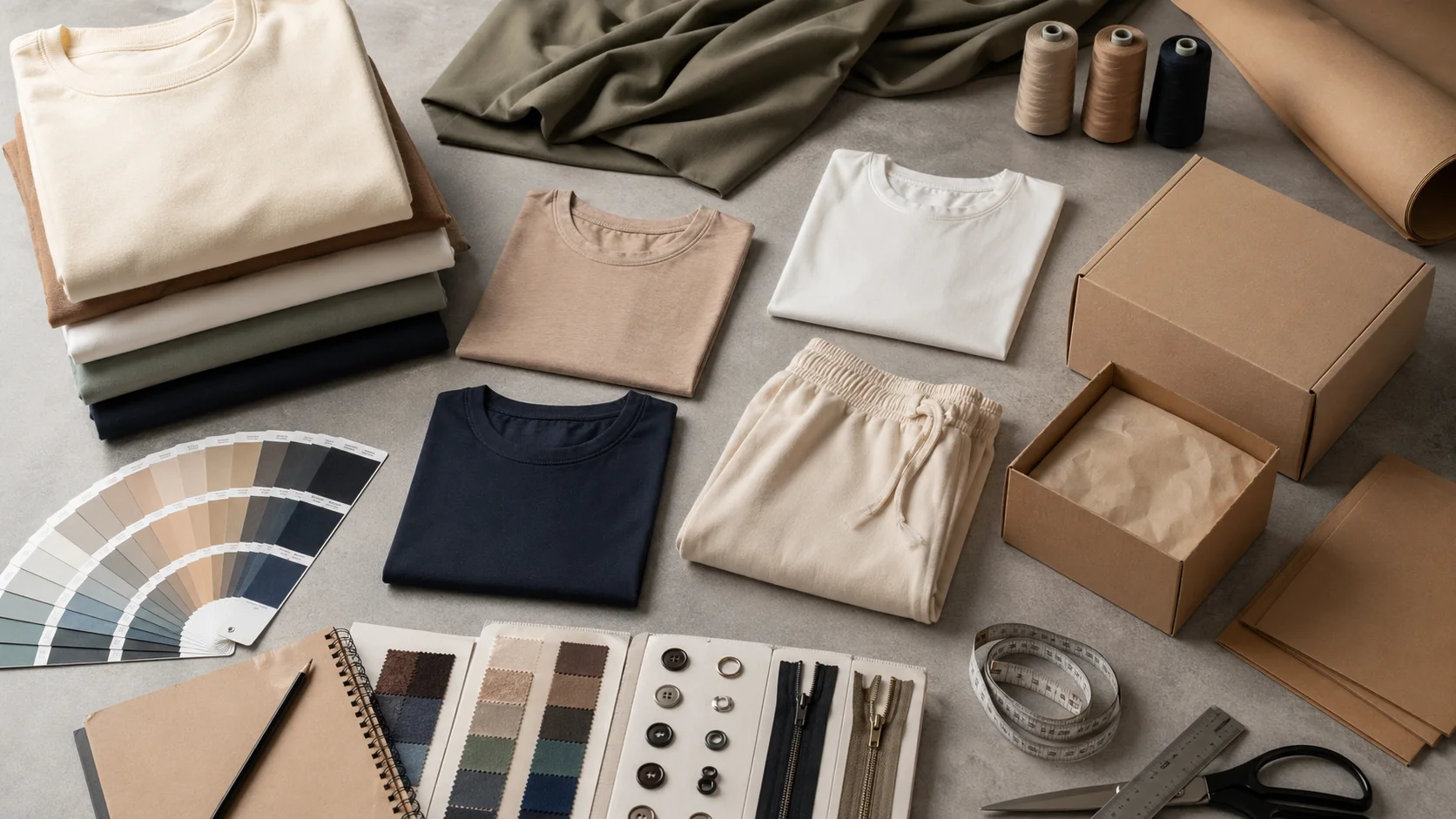
Private Label China Shortlist with checks for samples, fit, MOQ, QC evidence, pricing terms, and delivery risk.
Fast answer: Private Label China Shortlist: Audit Proof, Samples, and Export Readiness should be judged by production evidence, not by a generic sourcing promise. The buyer needs sample proof, cost breakdowns, QC checkpoints, and delivery buffers in writing.
Ask for recent sample photos, measurement tolerances, fabric or print test assumptions, decoration test notes, packing examples, and a named inspection checkpoint. These details show whether the team can repeat an approved sample at bulk volume.
Separate garment cost, decoration, labels, packaging, sampling, testing, freight, and rush charges. When every cost line is visible, it becomes easier to reduce colorways, adjust size depth, or reserve more time for sampling.
Finding the right private label clothing supplier in China can be the difference between building a profitable apparel brand and wasting time, money, and momentum. China remains one of the most important sourcing destinations in the world because of its mature textile ecosystem, broad manufacturing capabilities, competitive pricing, and ability to support everything from small startup runs to large-scale production.
But with thousands of factories, trading companies, and sourcing agents online, the search can feel overwhelming. Many new brands struggle to identify which suppliers are legitimate, which ones are truly private label capable, and which ones can meet quality, compliance, and branding requirements consistently.
This step-by-step guide explains how to find private label clothing suppliers in China, how to evaluate them, and how to avoid costly mistakes during sourcing. Whether you are launching a new fashion label, expanding an existing product line, or looking for a more reliable production partner, this guide will help you make smarter decisions.
If you need support with custom apparel manufacturing, you can also explore our services or contact us directly to discuss your project.
Private label clothing manufacturing means a supplier produces garments that are sold under your brand name. In most cases, the factory manufactures a product based on your specifications, then adds your branding elements such as woven labels, printed neck tags, hang tags, packaging, and custom trims.
Private label is different from white label. White label products are usually pre-designed and sold to multiple buyers with minimal customization. Private label gives you more control over design, fit, fabrics, colors, branding, and finishing details.
For clothing brands, private label manufacturing often includes:
This model is especially attractive for startups and growing brands because it creates a more professional, differentiated product without requiring the brand owner to own a factory.
China continues to be a top sourcing destination for apparel brands for several reasons. First, the supply chain is highly developed. Fabric mills, trim suppliers, garment factories, washing facilities, embroidery partners, and logistics providers often operate within the same region or province, which can shorten lead times and improve coordination.
Second, Chinese manufacturers typically offer a wide range of product categories, from T-shirts and hoodies to activewear, denim, lingerie, children’s wear, outerwear, and knitwear. This makes China attractive for brands that want to grow into multiple product lines over time.
Third, Chinese suppliers are often experienced in export production. Many factories understand international quality standards, labeling requirements, packaging needs, and shipping documentation, which reduces friction for overseas buyers.
That said, not every supplier is the right fit. Some factories focus on mass production only, while others may offer private label services but lack the product quality, communication, or flexibility needed for a brand that wants to scale.
Before you start searching for suppliers, define exactly what you want to produce. The more specific your requirements, the easier it will be to filter out unsuitable factories and identify the right partners.
Prepare a basic product brief that includes:
Even if your design is not fully finalized, having a clear concept will help suppliers determine whether they can support your needs.
When sourcing private label clothing in China, you will usually encounter two main supplier types: factories and trading companies.
A factory directly manufactures garments. This can offer better visibility into production, lower pricing, and more control over quality. However, some factories have higher minimum order quantities or less flexibility for small brands.
A trading company acts as an intermediary between you and multiple factories. Trading companies can sometimes be useful if you need help sourcing different product types, need faster communication, or want broader sourcing support. The downside is that you may pay more, and visibility into the actual production process may be reduced.
If possible, work directly with a factory that has genuine private label experience. If you choose to work through a trading company, make sure you understand exactly which factory will produce your goods and how quality control will be managed.
Do not rely on a single platform. The best suppliers are often discovered through a combination of online marketplaces, B2B directories, trade fairs, referrals, and industry contacts.
Use a broad search strategy so you can compare options and build a shortlist. Look for suppliers that specialize in your product category rather than generic apparel providers that manufacture everything.
Once you find several candidate suppliers, narrow the list based on their product focus, certifications, communication quality, and apparent professionalism. A strong shortlist should include suppliers that clearly match your product type and appear capable of handling custom branding.
Review their website, product photos, factory information, certifications, and social profiles. Look for signs that they understand export markets and private label work.
At this stage, avoid choosing based on price alone. The cheapest supplier is not always the best value if they miss deadlines, cut corners, or produce inconsistent quality.
Once you have a shortlist, contact each supplier with a clear request for quotation. Include product specifications, branding requirements, expected order quantity, and target timeline. The more complete your inquiry, the more accurate the supplier’s quote will be.
Always request samples before placing a bulk order. Samples help you evaluate construction, stitching, sizing, fabric handfeel, print quality, and overall workmanship. If a supplier refuses to provide samples or avoids direct answers, consider it a warning sign.
Sampling may cost money, but it is one of the most valuable investments in the sourcing process.
Good communication is essential when sourcing from China. A supplier may have great machinery and low prices, but if they respond slowly, misunderstand your requirements, or avoid technical questions, production problems can follow.
During your first interactions, pay attention to:
Reliable communication is often one of the strongest indicators of a reliable long-term supplier relationship.
Minimum order quantity, pricing, and lead time are critical before moving forward. Some suppliers specialize in large production runs, while others are more startup-friendly. You need to understand whether the factory can realistically support your first order volume.
Ask for clear answers about:
Be cautious if a quote is much lower than the market average. That can sometimes indicate poor-quality materials, hidden fees, or unrealistic promises.
Private label clothing must meet your brand standards consistently. This means you should ask about the supplier’s quality control process at every stage, from fabric inspection to final packing.
Strong suppliers typically have internal quality systems in place, such as:
If you are building a premium clothing brand, consider arranging third-party inspections before shipment. This can help reduce the risk of receiving defective or inconsistent products.
Before placing an order, verify that the supplier is a legitimate business with the capacity to produce and export goods. Ask for company registration information, export experience, factory address, and relevant certifications if your product requires them.
Depending on your product category and market, you may also need compliance documentation for fabric safety, chemical restrictions, labeling, or product testing. This is especially important for children’s apparel, activewear, and products sold in regulated markets.
If you are unsure what compliance documents you need, work with a supplier that has experience serving international brands. You can also learn more about our company background on the about us page.
There are several reliable places to begin your search for private label clothing suppliers in China.
Online B2B platforms are one of the easiest ways to find suppliers quickly. These platforms allow you to search by product type, verify business profiles, and contact multiple suppliers at once. However, the quality of listings varies widely, so you still need to vet each supplier carefully.
Many reputable factories have their own websites and can be found through targeted Google searches. Search using product-specific phrases such as “private label hoodie manufacturer China” or “custom activewear factory China.”
A professional website does not guarantee quality, but it can indicate that a supplier invests in export marketing and customer communication.
Trade shows can be one of the most effective ways to meet suppliers face-to-face, review product samples, and build trust quickly. Apparel and textile trade fairs often feature manufacturers, fabric suppliers, and accessory vendors in one place.
Referrals from other brand owners, sourcing professionals, or consultants can save time and reduce risk. If someone has already worked with a supplier and had a positive experience, that supplier may be worth investigating.
If you do not have time to search and vet suppliers yourself, working with a trusted manufacturing partner can be helpful. A knowledgeable sourcing partner can help you identify factories, manage sampling, and reduce communication barriers.
Shortlisting suppliers is only the first step. You must also qualify them carefully to ensure they can deliver on quality, timing, and service.
Here are practical ways to vet a private label clothing supplier in China:
If a supplier is reluctant to show their production process or avoids sharing details, proceed carefully. Transparency is a strong sign of reliability.
Before placing your first purchase order, ask each supplier a set of direct questions. This helps you compare them on equal terms and reveals how experienced they are.
Their answers will help you assess not just capability, but professionalism and reliability.
Many brands encounter problems because they rush the sourcing process. Avoid these common mistakes when searching for private label clothing suppliers in China:
A careful, structured sourcing process may take more time upfront, but it can prevent expensive problems later.
If you are building a clothing brand and need a reliable manufacturing partner, Fabrikn supports businesses looking for custom apparel production, private label development, and sourcing guidance. Instead of trying to manage every step alone, you can work with a team that understands product development, manufacturing coordination, and brand-focused execution.
We help brands navigate the production process from concept to final delivery, with a focus on quality, communication, and consistency. If you want to discuss your next project, you can reach out through our contact page or learn more about our manufacturing capabilities on our services page.
Finding private label clothing suppliers in China is not just about locating a factory; it is about finding the right long-term partner for your brand. The best supplier will understand your product, meet your quality expectations, communicate clearly, and support your growth as you scale.
By defining your requirements, searching across multiple channels, shortlisting carefully, requesting samples, and vetting each supplier thoroughly, you can reduce risk and improve your chances of building a successful apparel business. A structured approach will save time, protect your investment, and help you launch products that customers actually want to wear.
If you are ready to start sourcing or want professional support, Fabrikn is here to help.
Get a free quote from Fabrikn — your trusted B2B clothing manufacturer with 10+ years of experience. MOQ as low as 200 pieces.
Get a Free Quote →The best approach is to use multiple sourcing channels, including B2B platforms, Google searches, trade shows, referrals, and manufacturing partners. Then shortlist suppliers based on product fit, communication, sample quality, and credibility.
Ask for their business registration, factory address, production photos, and video calls. A real factory should be able to show production facilities and explain its manufacturing process clearly.
It depends on the supplier and product type. Some factories accept lower MOQs for basic garments, while others require larger volumes. Always confirm MOQ before requesting samples or moving to production.
Yes. Samples are essential for evaluating quality, fit, stitching, and branding execution. Never place a bulk order without sample approval unless you are fully confident in the supplier.
Yes, but you will need to be strategic. Start with a focused product range, choose manageable MOQ suppliers, and keep customization practical in the beginning. Working with an experienced manufacturing partner can help you make smarter budget decisions.
Lead times vary by product complexity, order size, and material availability. Sample development can take days or weeks, and bulk production often takes several weeks after sample approval. Shipping time is additional.
Common customization options include woven labels, printed neck tags, hang tags, size labels, embroidery, screen printing, custom packaging, and branded trims.
Private label manufacturing gives your brand more control over product design, quality, and identity. It helps you stand out in the market and build a more professional, differentiated brand.