
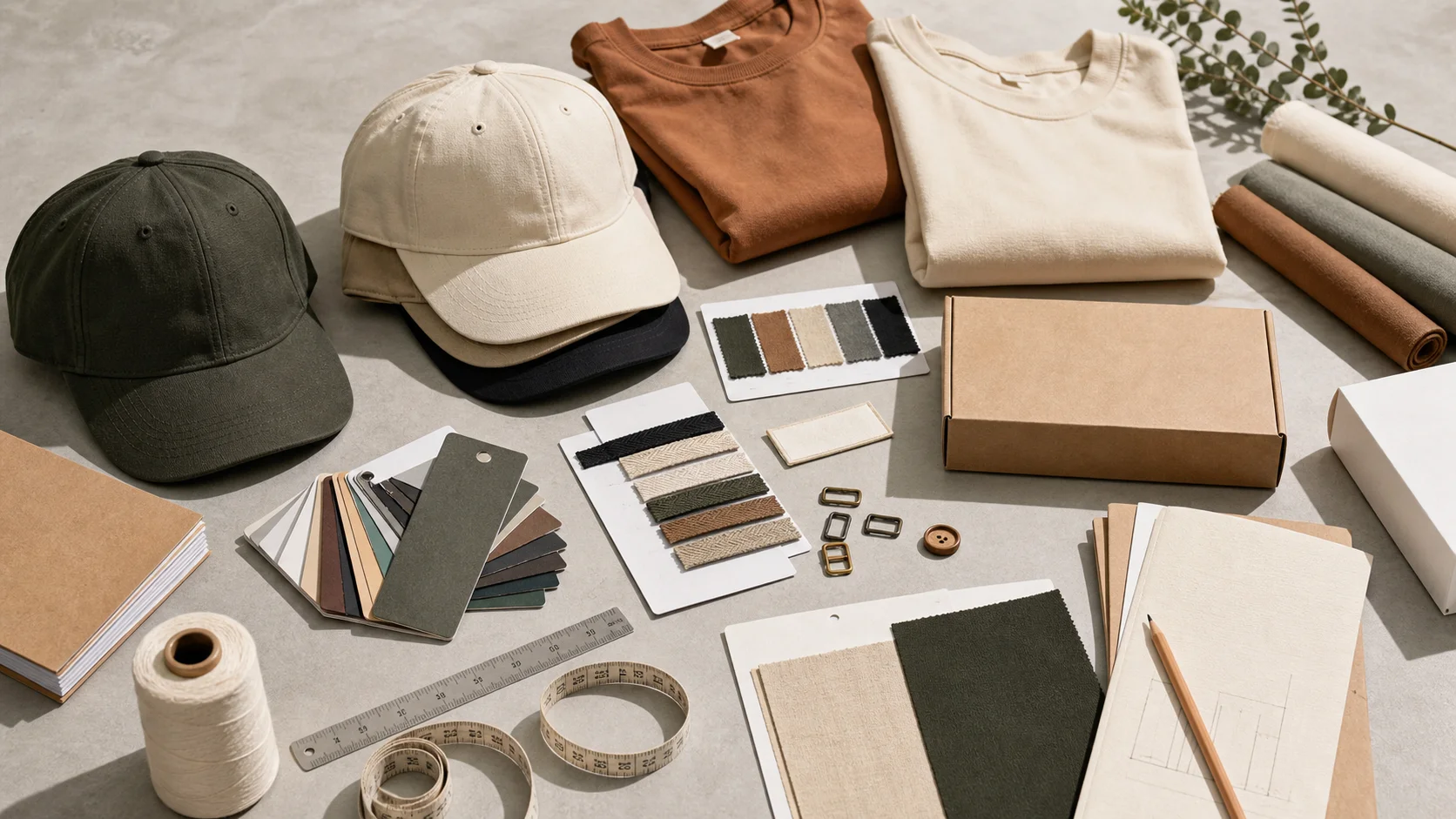
Apparel Sourcing Websites for Startups with checks for samples, fit, MOQ, QC evidence, pricing terms, and delivery risk.
Fast answer: Apparel Sourcing Websites for Startups: Samples, MOQ, QC, and Lead Time should be judged by production evidence, not by a generic sourcing promise. The buyer needs sample proof, cost breakdowns, QC checkpoints, and delivery buffers in writing.
Ask for recent sample photos, measurement tolerances, fabric or print test assumptions, decoration test notes, packing examples, and a named inspection checkpoint. These details show whether the team can repeat an approved sample at bulk volume.
Separate garment cost, decoration, labels, packaging, sampling, testing, freight, and rush charges. When every cost line is visible, it becomes easier to reduce colorways, adjust size depth, or reserve more time for sampling.
Finding the right apparel sourcing websites is one of the most important steps for any startup building a clothing brand. Choose poorly, and the consequences spread fast. Your supplier can shape product quality, pricing, lead times, branding options, and even your reputation in the market. For new founders, the challenge is not only discovering where to source garments, but also learning how to evaluate suppliers, avoid common mistakes, and build long-term relationships that support growth.
In practice, startup-friendly factories often quote simple cut-and-sew basics like 180 GSM cotton t-shirts at about $2.50-4.00 per unit at 500 MOQ, while heavier fleece hoodies, washed denim, or technical activewear can move into the $6.00-15.00+ range depending on fabric, trims, and decoration. Sampling usually takes 7-14 business days. Bulk production often lands at 18-22 business days for repeat orders, though first-time development takes longer when patterns, fit comments, or lab dips are involved.
So what should founders do first? This guide breaks down the best apparel sourcing websites for startups, what makes each platform useful, and how to decide which source is right for your business model.
Whether you are launching a private label fashion line, a direct-to-consumer basics brand, or a promotional apparel business, this article will help you identify reliable suppliers more efficiently.
Apparel sourcing is more than finding a factory that can produce garments. It is about securing a dependable supply chain that aligns with your brand goals, product standards, and budget. Startups often operate with limited capital and need to make smart decisions early. A poor sourcing choice can lead to inconsistent quality, delayed launches, high defect rates, and customer dissatisfaction.
Reliable suppliers help startups in several ways:
For startups, the best sourcing websites are not always the cheapest. The most valuable suppliers are those that can communicate clearly, produce consistently, and grow with your business. Certifications also matter: for organic cotton programs look for GOTS, for product safety checks look for OEKO-TEX Standard 100, and for socially audited factories request WRAP or BSCI documentation.
If you are working with recycled polyester or regenerated nylon, GRS can be a key certification to verify.
There are many apparel sourcing websites online, but not all are equally useful for startups. Some are marketplace-style platforms that connect buyers with factories, while others are directories, wholesale networks, or custom manufacturing partners. Below are some of the best options for founders looking for reliable apparel suppliers.
Alibaba is one of the largest B2B sourcing platforms in the world and a common starting point for new apparel brands. It connects buyers with manufacturers and trading companies across many countries, especially China. For startups, Alibaba offers access to a wide range of products, from blank t-shirts and hoodies to activewear, workwear, and fashion garments. Common production hubs listed on the platform include Guangzhou for cut-and-sew knitwear, Dongguan for jersey basics, and nearby Pearl River Delta factories with embroidery, screen printing, and garment washing capabilities.
Why startups use Alibaba:
Typical factory capabilities on Alibaba include 160-220 GSM combed cotton jersey, 300-400 GSM fleece, 12-gauge knit sweaters, reactive-dyed pique polos, and garment-dyed heavyweight tees. Many factories use automatic cutting tables, single-needle and overlock machines, flatlock machines for sportswear, six-head embroidery machines, and digital printing or rotary screen printing lines. Reputable suppliers may share test reports for azo dyes, colorfastness, and shrinkage, along with certifications like OEKO-TEX Standard 100, BSCI, or WRAP.
For recycled products, ask for GRS transaction certificates.
But startups should be careful. Alibaba includes both factories and intermediaries, so buyers need to review credentials, request samples, and confirm production capabilities before making large orders.
Global Sources is another major sourcing platform that focuses on connecting international buyers with manufacturers, particularly in Asia. It is known for a more curated supplier directory compared to some open marketplaces. Startups that want a more structured discovery process may find Global Sources useful when searching for apparel manufacturers and accessory suppliers, especially those serving buyers from Guangzhou, Shenzhen, and regional export hubs with established QA teams.
Why startups use Global Sources:
For items like performance polos, woven shirts, and technical outerwear, suppliers may list machines such as bonded seam machines, bar tack machines, heat-seal tape application equipment, and computerized cutting systems. Startups should still request sample packs, factory audit reports, and proof of certifications such as BSCI, WRAP, or OEKO-TEX Standard 100 before issuing a purchase order.
For startups building serious long-term brands, Global Sources can be a good place to identify factories with export experience and professional communication standards.
Maker’s Row is especially popular with U.S.-based apparel startups that want to find domestic manufacturers. It was designed to help brands source locally, which can be helpful for those who value shorter shipping times, easier communication, and closer quality control. If your startup wants to produce in the United States, Maker’s Row can be a valuable platform.
Why startups use Maker’s Row:
Domestic partners listed on Maker’s Row often work with cut-and-sew factories, sample rooms, and embellishment shops using Gerber or Lectra CAD systems, automatic spreaders, digital textile printers, and industrial embroidery heads. This can be a strong choice for startup runs of 100-300 units per style when the goal is rapid sampling, especially for heavyweight French terry, brushed fleece, organic cotton jersey, and garment-dyed pieces requiring tighter color control.
Maker’s Row is not always the cheapest option. But it can be a strong choice for startups that prioritize speed, quality, and local sourcing.
Sewport is a fashion sourcing platform that helps brands connect with garment manufacturers and fashion service providers. It is built specifically for the apparel industry, which makes it more relevant than generic supplier directories. Startups can use Sewport to find factories, pattern makers, sampling services, and production specialists.
Why startups use Sewport:
Sewport is especially helpful for fashion entrepreneurs who need more than just a blank garment supplier. If your brand requires development, sampling, and production coordination, this platform is worth exploring. You can often find specialists in flat pattern making, grading, marker making, knitting, dyeing, and finishing, as well as factories in Istanbul for premium knitwear and tailoring, or in Ho Chi Minh City for casualwear, sportswear, and export-oriented CMT production.
Sourcify helps brands find factories and manage custom product sourcing, including apparel. It is designed for businesses that want more hands-on support during the sourcing process, which can be useful if you are new to manufacturing and want help narrowing down suppliers.
Why startups use Sourcify:
For startups producing custom garments, the platform can help organize quote requests, sampling, and order coordination. That said, it still helps to know your specs, because even the best sourcing service cannot fix vague measurements or unclear fabric requests.
And that is where many first-time founders get stuck.
Finding a supplier is only the first step. The real work starts when you need to separate reliable partners from sellers who look good on paper but cannot deliver.
Here are a few things to check:
And if something feels vague, push for details. Real manufacturers usually have no problem answering questions about fabric sourcing, stitching methods, size tolerance, or packaging.
New brands often make the same mistakes. Not because they are careless, but because sourcing can be overwhelming at first.
One more thing: don’t assume every supplier can make every product well. A factory that is great at basics may not be the right choice for denim, outerwear, or technical sportswear.
For many startups, the smartest approach is to begin small, test suppliers carefully, and avoid overcommitting early. If you are not sure which platform to use, start with one that matches your business model.
For example, Alibaba and Global Sources can be useful if you want broad access to overseas factories. Maker’s Row may make more sense if domestic production matters most. Sewport and Sourcify are better when you need extra help with development and coordination.
There is no single best answer. A startup with a premium streetwear brand and a startup selling promotional polos will not use the same sourcing strategy. That is normal.
Sometimes, working directly with a clothing manufacturer is better than relying on a marketplace alone. You get a more direct relationship, clearer communication, and often better control over product development. That can make a big difference once your brand starts to grow.
Direct manufacturers are often better for:
And if you already know your target fit, fabric, and decoration methods, a manufacturer can move faster than a general sourcing platform. Less back-and-forth. Fewer surprises.
Use these adjacent sourcing guides to compare supplier capability, costing, and production planning before you brief a factory.
For production planning, review Fabrikn services or contact the team through the sourcing brief form.
What is the best apparel sourcing website for startups? It depends on your needs. Alibaba is a common starting point, while Maker’s Row is better for U.S. production and Sewport or Sourcify can help with more guided sourcing.
Should startups work with factories directly? Yes, when possible. Direct factory relationships can improve communication, pricing, and quality control.
How do I know if a supplier is reliable? Look for samples, certifications, audit documents, clear responses, and experience with your product category. If the answers are messy, that is usually a sign.
What minimum order quantity should I expect? It varies by product and supplier. Some startups can start with 100-300 units per style domestically, while overseas factories may prefer 300-500 units per color or more.
Apparel sourcing takes patience, but the payoff is worth it. Get the right supplier in place, and everything else gets easier.