
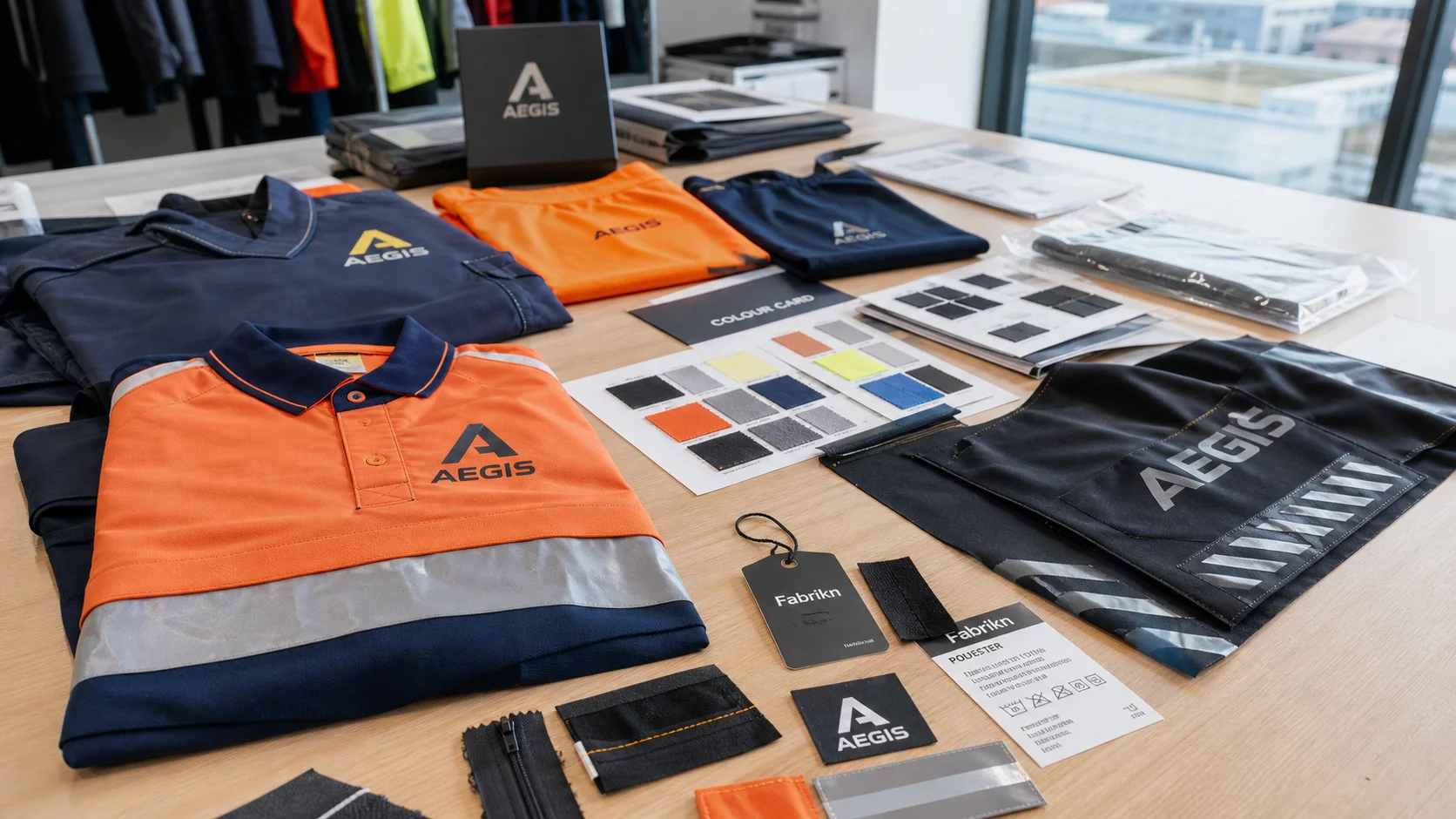
Sustainable Fabrics T Shirts with checks for samples, fit, MOQ, QC evidence, pricing terms, and delivery risk.
Fast answer: Sustainable Fabrics T Shirts: Fabric, Fit, Sampling, and QC should be judged by production evidence, not by a generic sourcing promise. The buyer needs sample proof, cost breakdowns, QC checkpoints, and delivery buffers in writing.
Ask for recent sample photos, measurement tolerances, fabric or print test assumptions, decoration test notes, packing examples, and a named inspection checkpoint. These details show whether the team can repeat an approved sample at bulk volume.
Separate garment cost, decoration, labels, packaging, sampling, testing, freight, and rush charges. When every cost line is visible, it becomes easier to reduce colorways, adjust size depth, or reserve more time for sampling.
The global fashion industry is increasingly embracing sustainability, and nothing represents this shift better than the humble t-shirt. Often a wardrobe staple, the t-shirt's ubiquity makes it an ideal canvas for innovation in eco-friendly textiles. From ensuring reduced waste to prioritizing ethical sourcing, choosing the best fabrics can dramatically lower the environmental impact of every garment. At Fabrikn, we believe in pairing premium quality with responsible practices. By focusing on sustainable materials, manufacturers and brands can offer consumers stylish, comfortable, and planet-positive apparel.
An eco-friendly t-shirt begins with the fabric. The fibers chosen will determine resource usage, energy consumption, and the end-of-life potential for the garment. In this article, we explore the best sustainable fabrics for t-shirts, balancing key environmental metrics, performance properties, and practical considerations. Whether you're a retailer sourcing responsibly or a brand seeking meaningful differentiation, this guide will help you navigate the complex but rewarding landscape of green textiles.
Not all “sustainable” labeled materials are created equal. To determine the best fabrics, consider three pillars of sustainability: environmental impact, social responsibility, and product longevity. Look at the entire lifecycle—from raw material cultivation or recovery to manufacturing, dyeing, wear, and disposal. The most responsible fabrics minimize water usage, avoid toxic chemicals, support regenerative agriculture or waste reduction, and require less energy for production.
Softness, breathability, and durability are also essential for t-shirts. Consumers expect comfort, so sustainable fabrics must match or exceed the qualities of conventional cotton. Fabric weight, drape, and color retention should align with brand standards. Blends that optimize performance while maintaining eco credentials can be powerful allies. We break down each fiber, evaluating how it aligns with these criteria.
Organic cotton is arguably the most well-known sustainable fabric for t-shirts. Unlike conventional cotton, which consumes vast quantities of water and relies heavily on pesticides, organic cotton is farmed without synthetic chemicals. This significantly reduces soil and water contamination. Organic farmers often practice crop rotation, enhancing biodiversity and soil health.
While organic cotton still requires water, farming improvements and more responsible irrigation techniques can reduce consumption. Further benefits include safer working conditions for farmers and better traceability, especially when paired with certifications such as GOTS (Global Organic Textile Standard) and Oeko-Tex. For softness and durability, organic cotton provides an excellent base for versatile t-shirt styles, from fitted silhouettes to boxy cuts.
For brands and manufacturers, look for organic cotton from certified suppliers who can verify their supply chain. Fabrikn works closely with mills that uphold these standards, ensuring the finished garments deliver both feel and conscience.
Bamboo has become popular in eco-fashion due to its rapid growth and low input requirements. It's a naturally regenerative plant that thrives without fertilizers or irrigation. Bamboo fibres can be processed into ultra-soft material reminiscent of high-end modal or silk, making it appealing for premium t-shirts.
It’s important to distinguish between mechanically processed bamboo—where the plant is crushed and spun using natural enzymes—and chemically processed viscose, which can involve harsh chemicals if not properly managed. Bamboo lyocell, an advanced form, uses a closed-loop solvent process to recover 99% of chemicals, leading to a more responsible production cycle.
Because bamboo fabrics are moisture-wicking, breathable, and naturally antimicrobial, they are ideal for activewear and everyday tees. However, ensure the supplier discloses their process to avoid greenwashing. Fabrikn partners with mills committed to closed-loop systems, providing transparency from fibre to finish.
Hemp is a powerhouse in sustainable textiles. The plant grows quickly, requires minimal water, and naturally resists pests. Hemp fibres are exceptionally strong, contributing to durable garments that break in rather than break down. This longevity is a form of sustainability—fewer replacements mean lower environmental costs over time.
Historically associated with coarser fabrics, modern hemp processing techniques now yield an impressively soft and breathable textile suitable for t-shirts. Hemp blends with organic cotton or recycled fibres can create a balanced hand while maintaining the resilience that hemp offers. It is naturally UV-resistant and anti-microbial, lending itself to outdoor and lifestyle brands prioritizing performance.
While sourcing quality hemp fabric might require more diligence due to regulatory nuances in some regions, the payoff is a fabric that is both environmentally sound and distinctive. Ensuring hemp fibres are decorticated responsibly and blended carefully can result in luxurious, sustainable tees.
Recycling is a crucial pillar in reducing fashion's footprint. Using recycled cotton or polyester diverts materials from landfills while reducing virgin resource consumption. Recycled polyester, often derived from post-consumer plastic bottles, significantly cuts fossil fuel usage and greenhouse gas emissions compared to virgin polyester production.
Recycled cotton, made from pre-consumer scraps or post-consumer garments, retains softness and comfort. It can be blended with other sustainable fibres to enhance stretch or structure. Compared to virgin cotton, recycled cotton requires less water and energy, decreasing the overall environmental profile of a t-shirt.
Brands should ensure recycled materials are certified by recognized bodies, such as Global Recycled Standard (GRS), to verify authenticity and traceability. Fabrikn enables clients to integrate recycled fibres into their collections, providing transparency in certification and quality control.
Tencel and modal are brands of lyocell produced by Lenzing. These cellulosic fibres are derived from sustainably managed forests and processed through environmentally responsible closed-loop systems. This means solvents are recycled, and waste is minimal. Tencel is renowned for its strength, breathability, and moisture management, making it ideal for premium t-shirts and athleisure pieces.
The fabric drapes beautifully, feels cool on the skin, and resists pilling, which enhances garment life. Also, Tencel is biodegradable, enabling easier end-of-life options for garments. Modal, often blended with cotton or recycled fibres, offers a silk-like softness with excellent stretch recovery.
When sourcing Tencel or modal, look for the Tencel brand label and ensure the finish meets Oeko-Tex Standard 100 to confirm the absence of harmful chemicals. Fabrikn's production teams are experienced with these fibres, aligning cutting-edge fabrics with sustainable credentials.
Combining fibers can balance performance, sustainability, and cost. For example, blending organic cotton with Tencel enhances drape and softness while maintaining breathable structure. Hemp-cotton blends increase durability without sacrificing comfort, ideal for unisex or workwear-inspired tees.
Recycled polyester can be blended with organic cotton to add stretch and reduce shrinkage, which is particularly useful for activewear. Bamboo and modal blends offer a luxurious sheen for higher-tier collections. The key is to keep blends simple and focused on recyclability or biodegradability to avoid end-of-life complications. Single-fiber constructions are easier to recycle, but thoughtful blends with environmentally compatible fibres can elevate the garment while keeping sustainability in check.
Working closely with a manufacturer like Fabrikn ensures you select blends that meet both aesthetic goals and environmental standards. Our technical teams test the blends to confirm colorfastness, hand feel, and wash performance before each production run.
Authenticity is critical. Look for reliable certifications that validate the entire textile production chain. GOTS covers organic fibres and the use of chemicals, additives, and social criteria. The Global Recycled Standard (GRS) tracks recycled content, while OEKO-TEX Standard 100 tests for harmful substances.
For wood-based fibres like Tencel, the FSC (Forest Stewardship Council) or PEFC (Programme for the Endorsement of Forest Certification) ensure responsible forest management. The Better Cotton Initiative (BCI) provides another avenue for more responsibly grown cotton, though the organic standard is stricter in many cases.
Certifications should not be treated as badges alone. Demand transparent documentation, supply chain data, and third-party audit reports. Fabrikn partners with mills that hold these certifications, providing our clients with the credentials necessary to market sustainably and compliantly.
Sustainable fabrics are only one piece of the puzzle. The manufacturing process plays a decisive role. Energy-efficient factories, water recycling systems, and waste reduction protocols further reduce the environmental footprint. Dyeing, often one of the most polluting stages, should utilize low-impact dyes and process controls to prevent effluent discharge.
Fabric finishing affects both the garment’s feel and its environmental impact. Treatments that reduce water retention, enhance softness, or add antimicrobial properties should be evaluated for their chemical load. Innovative finishes such as enzymatic washing and digital printing reduce water and energy usage compared to traditional methods.
Manufacturers must also emphasize social responsibility—fair wages, safe working conditions, and worker empowerment are integral to genuine sustainability. At Fabrikn, we ensure these standards are upheld throughout our production lifecycle. Learn more about how we can support your sustainable supply chain by visiting our services page.
Brands can influence consumer behavior through education. Encourage customers to care for their t-shirts properly—wash in cold water, air dry, and repair when possible. Provide garment care instructions that align with the fiber's characteristics. Consider offering recycling programs or take-back initiatives to keep textiles in circulation.
Tell the story behind your fabrics. Transparency fosters trust. Share details such as fiber origins, certifications, and manufacturing practices on product tags and marketing channels. Highlighting the life cycle can create emotional value beyond the fabric itself.
Lastly, consider offering capsule collections to reduce overproduction. Capsule strategies paired with sustainable fabrics drive the message home: quality, not quantity. Patrons appreciate brands that commit to lasting, eco-friendly garments. For collaboration inquiries or to explore custom sustainable solutions, contact us through our contact page.
Innovation never stops. Lab-grown fibres, mushroom-based textiles, and seaweed-derived finishes are entering the sustainable fashion conversation. We anticipate regenerative cotton—where farming practices actively rebuild soil health—and circular models that keep garments within closed loops.
Digitalization also plays a role. Better data tracking ensures accountability across the supply chain, enabling brands to quantify their environmental benefits more accurately. Even everyday t-shirts benefit when brands leverage technological advances to minimize waste, optimize dyeing, and reduce inventory excess.
At Fabrikn, we monitor these developments, helping partners integrate the next generation of sustainable fabrics into their collections. Whether you’re launching a minimalist staple line or an elevated premium capsule, the right fabric choices shape your brand’s legacy.
Get a free quote from Fabrikn — your trusted B2B clothing manufacturer with 10+ years of experience. MOQ as low as 200 pieces.
Get a Free Quote →A strong brief makes the supplier's job narrower and the quote more reliable. For best sustainable fabrics for eco-friendly t-shirts, include the target customer, sales channel, expected order quantity, size range, decoration needs, packaging requirements, and delivery market. Then call out the details most likely to affect the result, especially fabric weight, shrinkage, and colorfastness.
The brief should also explain what cannot change. Some brands care most about hand feel, some about price, some about launch timing, and some about retail compliance. When those priorities are not written down, suppliers tend to optimize for whatever is easiest to quote. Clear priorities help the factory make better tradeoffs before the first sample is cut or printed.
Ask the supplier to respond with assumptions, not just a price. A useful reply states MOQ, sample route, production capacity, inspection plan, packing method, and freight handoff. If the answer is vague, the project may still work, but it needs a tighter pre-production stage before money and calendar pressure build up.
The best time to catch problems is before the pre-production sample is approved. Check measurements, color, placement, material behavior, shrinkage, construction, labels, and packaging in the same review instead of approving each item in isolation. Many bulk issues are not caused by one dramatic mistake; they come from several small unchecked assumptions.
For best sustainable fabrics for eco-friendly t-shirts, pay special attention to hand feel, lab dip approval, and care label rule. These details often look minor in an email but become expensive once cutting, printing, sewing, packing, or shipping begins. A simple checklist with owner, due date, and approval status keeps the brand team and factory aligned.
Bulk production should not start until the supplier can explain how the approved sample becomes a repeatable production standard. That means reference sample storage, line instructions, inline checks, final inspection, and defect handling. A factory that can describe this process clearly is usually safer than one that only promises speed.
Price differences are useful only when the quotes cover the same work. Compare sample cost, material source, trims, decoration, packaging, testing, inspection, and freight assumptions. A low unit price can become expensive if it excludes items the brand needs before launch.
Timeline promises deserve the same scrutiny. Ask what happens if the first sample needs revision, whether materials are in stock, when the production slot is reserved, and how export packing is handled. The most reliable supplier is often the one that gives a realistic calendar instead of the fastest optimistic answer.
What makes a fabric sustainable for t-shirts? Sustainable t-shirt fabrics minimize water and energy usage, avoid harmful chemicals, support ethical labor, and either biodegrade or can be recycled at the end of their life. Certifications like GOTS, OEKO-TEX, and GRS help validate these claims.
Is organic cotton better than recycled fibres? Both have merits. Organic cotton improves farming practices and soil health, while recycled fibres reduce waste by reusing existing materials. Combining both in a blend can maximize environmental benefits.
Can sustainable fabrics be luxurious? Absolutely. Fibres like Tencel, modal, and bamboo offer silky textures, while hemp and organic cotton deliver softness and structure. Fabric blends further refine the hand and performance.
How do I ensure my supplier follows sustainable practices? Request certifications, factory audits, and documentation of the fiber-to-finish process. Transparent communication and on-site visits enhance trust. Fabrikn offers comprehensive support, ensuring every step aligns with your sustainability goals. Learn more about our approach on the about us page.
What’s the most eco-friendly fabric for a basic t-shirt? The "best" fabric depends on your brand’s priorities. Organic cotton is a solid baseline, but exploring blends with Tencel, recycled fibres, or hemp can elevate performance while keeping the environmental footprint low. Consider lifecycle impact, certifications, and how the fabric supports your design vision.