
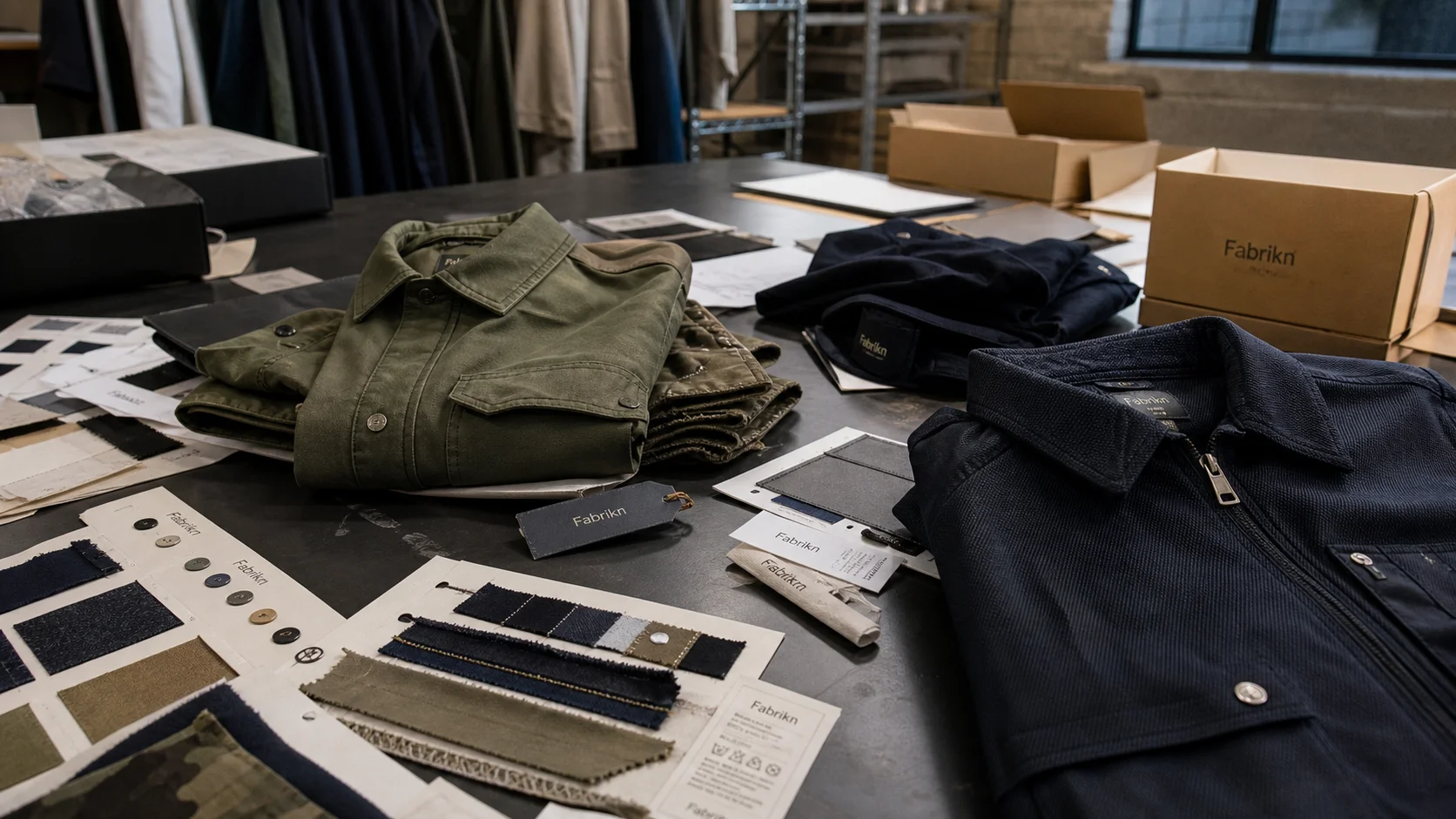
Fashion Brand Wholesale Outreach Checklist with checks for samples, fit, MOQ, QC evidence, pricing terms, and delivery risk.
Fast answer: Fashion Brand Wholesale Outreach Checklist: A Step-by-Step should be judged by production evidence, not by a generic sourcing promise. The buyer needs sample proof, cost breakdowns, QC checkpoints, and delivery buffers in writing.
Ask for recent sample photos, measurement tolerances, fabric or print test assumptions, decoration test notes, packing examples, and a named inspection checkpoint. These details show whether the team can repeat an approved sample at bulk volume.
Separate garment cost, decoration, labels, packaging, sampling, testing, freight, and rush charges. When every cost line is visible, it becomes easier to reduce colorways, adjust size depth, or reserve more time for sampling.
Breaking into wholesale can be one of the fastest ways for a fashion brand to grow revenue, expand market reach, and build credibility. But retailers receive countless pitches every week, which means your outreach needs to be clear, professional, and highly targeted. A strong fashion brand wholesale outreach checklist helps you stay organized, present your brand effectively, and improve your chances of landing stockists who truly fit your products.
Whether you are a startup label preparing for your first wholesale accounts or an established fashion brand looking to scale distribution, the process is similar: research the right retailers, prepare compelling sales materials, reach out with confidence, and follow up consistently. In this guide, we’ll walk through a step-by-step checklist designed to help fashion brands win retailers and build lasting wholesale partnerships.
If you are still refining your production and wholesale readiness, you may also want to explore our manufacturing services and learn more about Fabrikn, a B2B clothing manufacturer supporting growing fashion brands.
Wholesale outreach is more than sending emails to store buyers. It is a strategic sales process that helps fashion brands place products in curated retail environments where the right customers will discover them. When done well, wholesale can deliver volume sales, brand exposure, and repeat orders.
Retailers, especially boutique buyers and department store merchandisers, are looking for brands that solve a problem for their customers. They want products that fit their store identity, price point, quality standards, and margin expectations. That means your outreach should focus less on selling everything you make and more on proving why your collection is a smart fit for that retailer.
Wholesale outreach also affects your brand perception. A polished line sheet, consistent pricing, and prompt communication signal that your business is reliable and easy to work with. Retail buyers often choose brands not only because of the products, but because they trust the supplier to deliver on time and communicate clearly.
Use this checklist to prepare, contact, and convert retailers more effectively:
Before sending a single email, identify the types of retailers that best match your brand. Not every store is a good fit, and targeting the wrong buyers wastes time and lowers response rates.
Start by clarifying your ideal retailer profile based on the following factors:
When you know who you’re selling to, your outreach becomes much more relevant. For example, a sustainable womenswear brand might focus on eco-conscious boutiques and ethical concept stores rather than fast-fashion chains. A streetwear label may target urban lifestyle retailers and curated online shops with a younger audience.
Retail buyers expect clear, professional sales assets. If your wholesale materials are incomplete or difficult to understand, even great products may get overlooked.
Your wholesale-ready package should include the following:
Make sure your materials are easy to skim. Buyers are busy and often review dozens of brands in one sitting. Use clear product naming, consistent formatting, and simple pricing tables. If your manufacturing partner supports custom development, you can also highlight that flexibility on your materials page or inquiry page, such as contact us for support with wholesale production.
Once your materials are ready, build a list of retailers that actually fit your brand. This step is crucial because quality outreach outperforms mass outreach every time.
Search for stores using:
Create a spreadsheet with columns for store name, location, website, buyer name, email, social handles, style notes, and outreach status. Add notes about why each store is a fit. This personalized approach helps you tailor your message later.
Do not chase every retailer with a large following. Focus on stores whose customers are likely to buy your products. A smaller boutique with a highly engaged audience can be more valuable than a large store with poor brand alignment.
Your first email or message should be short, direct, and personalized. Retail buyers can immediately tell whether a pitch was mass-sent or thoughtfully written.
A strong wholesale outreach email should include:
Example structure:
Keep the message concise. A buyer should understand who you are, what you sell, and why your brand is relevant within the first few lines. Avoid long brand histories, overly promotional language, or too many attachments.
Many wholesale deals are won in the follow-up. Buyers are busy, and a polite reminder often makes the difference between being ignored and getting reviewed.
Use a simple follow-up schedule:
Each follow-up should add value. You can share new product photos, mention a best-seller, announce upcoming deadlines, or offer to send samples. Avoid sounding pushy or repetitive. The goal is to stay top of mind without becoming annoying.
If a buyer says they are not ready, ask when you should reconnect and keep that note in your spreadsheet. Wholesale is often a timing game. A store may say no this season and yes next season.
When a buyer shows interest, your presentation needs to reinforce trust. This is where many brands either close the deal or lose momentum.
Be prepared to discuss:
Buyers want to know that you can deliver consistent quality and reliable replenishment. If your collection is manufactured in partnership with a dependable production team, that is a major advantage. Professional manufacturing support can improve consistency, reduce delays, and make wholesale fulfillment much smoother.
You should also be ready with samples. Physical samples often help buyers assess handfeel, construction, fit, and quality in ways that photos cannot. If samples are not possible, provide detailed imagery, videos, and zoomed-in fabric shots.
Once a retailer is interested, the conversation moves from brand story to business terms. This stage requires clarity and professionalism.
Discuss these points early:
Be flexible, but do not undersell your brand. If your pricing is too low, you may damage your margins and weaken your market positioning. If a retailer asks for a concession, consider offering a first-order incentive, sampling support, or a small starter pack rather than cutting pricing too aggressively.
Always confirm agreements in writing before production begins. Clear documentation protects both your brand and the retailer.
Winning a retailer is only the beginning. Long-term wholesale success depends on smooth order fulfillment and ongoing account management.
To strengthen retailer relationships:
Retailers are more likely to reorder from brands that are reliable, responsive, and easy to work with. If you create a positive experience, the first order can lead to seasonal replenishment and stronger placement within the store.
Think of wholesale as relationship building, not just product selling. Over time, great retailer relationships can become a major distribution channel for your brand.
Even strong fashion brands make mistakes during outreach. Avoiding these issues can significantly improve your conversion rate.
A thoughtful, organized outreach process will always outperform a rushed one. If you need help improving production readiness before going wholesale, exploring professional support on Fabrikn’s services page can be a useful next step.
If your goal is to attract retailers and wholesale buyers through your website, SEO can help increase discoverability. Many buyers research brands online before responding to outreach, and a strong web presence can support your pitch.
Use these SEO-friendly practices:
Search visibility can improve trust. When a buyer sees a polished site with consistent branding, accurate product information, and easy-to-find wholesale details, your outreach feels more credible.
Get a free quote from Fabrikn — your trusted B2B clothing manufacturer with 10+ years of experience. MOQ as low as 200 pieces.
Get a Free Quote →A fashion brand wholesale outreach checklist is a step-by-step plan that helps brands prepare materials, identify the right retailers, send targeted outreach, follow up effectively, and close wholesale accounts.
You can find retailers through online searches, social media, trade shows, competitor stockist pages, and wholesale platforms. Focus on stores that match your brand style, price point, and target customer.
A wholesale line sheet should include product images, style names, SKUs, wholesale and retail prices, sizes, colors, fabric details, minimum order quantities, and lead times.
Typically, two to three follow-ups are appropriate if spaced out over several weeks. Keep each message polite, brief, and relevant.
A good retailer fits your brand’s price point, customer profile, style direction, and overall positioning. The best accounts are those whose shoppers are likely to love and buy your products.
Yes, Fabrikn supports B2B clothing manufacturing for fashion brands that need reliable production and development support. You can learn more about our capabilities on our services page or reach out through our contact page.
Wholesale outreach is a repeatable process, and the brands that win retailers are usually the ones that prepare carefully, communicate clearly, and follow through consistently. With the right checklist in place, your fashion brand can build stronger retail partnerships and grow with confidence.