
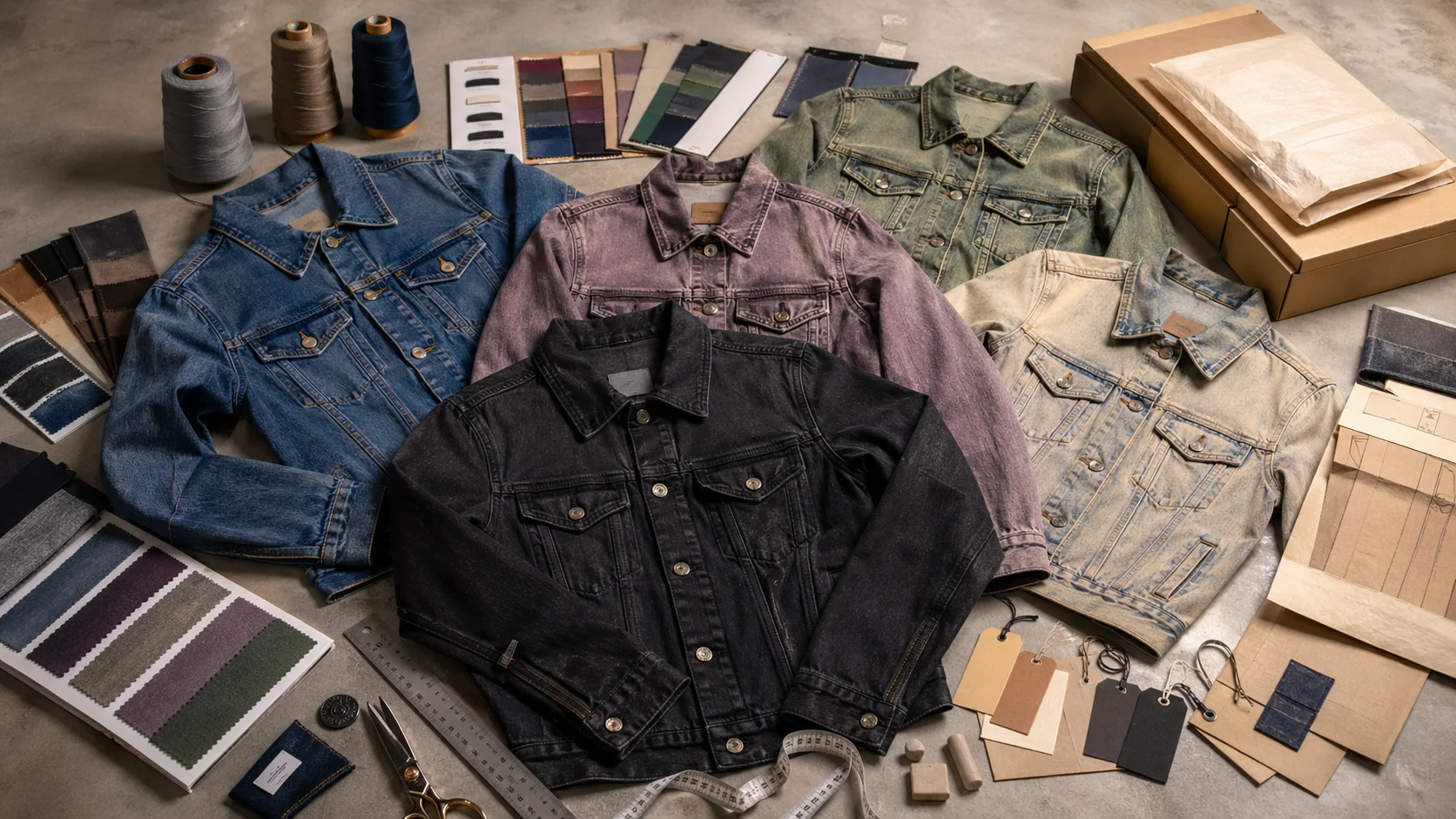
Shopify Size Practices Apparel with checks for samples, fit, MOQ, QC evidence, pricing terms, and delivery risk.
Fast answer: Shopify Size Practices Apparel: Samples, Cost Lines, QC, and Delivery Risk should be judged by production evidence, not by a generic sourcing promise. The buyer needs sample proof, cost breakdowns, QC checkpoints, and delivery buffers in writing.
Ask for recent sample photos, measurement tolerances, fabric or print test assumptions, decoration test notes, packing examples, and a named inspection checkpoint. These details show whether the team can repeat an approved sample at bulk volume.
Separate garment cost, decoration, labels, packaging, sampling, testing, freight, and rush charges. When every cost line is visible, it becomes easier to reduce colorways, adjust size depth, or reserve more time for sampling.
For apparel brands selling on Shopify, size guidance is more than a helpful add-on. It is one of the most important tools for improving conversion rates, reducing returns, and building customer trust. When shoppers cannot confidently choose the right size, they hesitate, abandon carts, or buy multiple sizes with the intent to return what does not fit. That creates friction for both the customer and the business.
This guide explains Shopify size guide best practices for apparel with a practical, SEO-focused approach. Whether you sell t-shirts, activewear, uniforms, jackets, dresses, or premium fashion pieces, a well-designed size guide can improve the customer experience and support business growth. It also helps search engines understand your content, giving your size-related pages more opportunities to rank.
If you are building or improving your apparel brand, this article will help you create a size guide that is easy to use, optimized for search, and aligned with your brand experience. For brands looking for support with manufacturing, product development, or apparel strategy, you can also explore Fabrikn’s services or learn more about us.
Size uncertainty is one of the biggest barriers in online apparel shopping. Unlike in physical retail, customers cannot try on garments before purchasing. As a result, they rely heavily on product photos, reviews, garment measurements, and fit information to make decisions.
A strong Shopify size guide helps in several ways:
For fashion and basics brands alike, fit is part of the product. If customers feel uncertain about fit, they are less likely to complete the purchase. That means a size guide is not just a support page; it is a revenue tool.
In addition, apparel categories vary widely in fit expectations. A relaxed hoodie, tailored blazer, compression legging, or slim-fit dress shirt all require different guidance. Your size guide should reflect the specific nature of each product line rather than relying on a generic one-size-fits-all chart.
Shopify does not require a single universal format for size guides. Instead, brands can implement fit information in several ways depending on the theme, apps, and content structure they use. The best option is the one that gives shoppers clear, visible, and easy-to-understand guidance.
Common Shopify size guide components include:
For apparel brands, the most effective size guides combine quantitative data with simple language. A chart alone is rarely enough. Shoppers also need context: Does this jacket run small? Is the knit fabric forgiving? Is the tee meant to be oversized? These details matter because they help customers interpret the numbers correctly.
When creating your Shopify size guide, aim for clarity first. Avoid crowded tables, vague language, and overly technical terminology unless your audience expects it. Your goal is to make sizing decisions easier, not more complicated.
Your size guide should be visible on product pages, ideally near the size selector. If customers need to search the site or scroll endlessly to find it, you lose the benefit. Place a clear “Size Guide” link or button close to the variant selection area.
For mobile users, visibility matters even more. Apparel shopping on mobile is common, and the size guide should be accessible without forcing users into a frustrating navigation experience.
Body measurements are helpful, but garment measurements are often more accurate for fit expectations. This is especially true when customers compare the product against a piece they already own. Providing flat-lay measurements for chest width, body length, sleeve length, waist, or inseam can reduce confusion.
If you include both body and garment measurements, label them clearly. Do not mix them in a way that forces shoppers to guess which one applies to the product.
Numbers alone do not tell the full story. Add short fit descriptions such as:
These phrases are highly valuable because they bridge the gap between measurement tables and real-world shopping decisions. A customer may know their chest measurement but still need guidance on whether the piece is intended to fit close to the body or with extra room.
Consistency is essential. If a medium in one product feels like a small in another, customers quickly lose trust. Work toward a standardized size system across similar product categories whenever possible.
If some styles intentionally fit differently, explain that clearly. For example, a relaxed hoodie and a fitted tee may both be labeled “M,” but the fit experience should be described differently.
If your Shopify store serves multiple markets, include size conversions for US, UK, EU, and other relevant regions. This is especially important for brands that ship globally or operate in regions with different sizing conventions.
Make sure the conversions are accurate and updated. Size conversion mistakes can lead to a poor shopping experience and unnecessary returns.
Model details can help shoppers visualize fit, especially when you note height, weight, or the size the model is wearing. However, model references should support the size guide, not replace it.
People come in many body shapes, and model photos can only show one example. Pair model information with measurement charts and fit notes for a more complete sizing resource.
Many customers do not know how to measure themselves correctly. A short “How to Measure” section can dramatically improve usability. Include simple instructions for measuring chest, waist, hips, inseam, shoulder width, and sleeve length depending on the product type.
You can also add visual icons or line drawings to make the instructions more approachable. The more self-explanatory your size guide is, the fewer mistakes customers will make.
Fabric affects fit. Cotton may shrink, stretch jersey behaves differently than woven twill, and elastane creates more flexibility in sizing. Your size guide should mention these characteristics when relevant.
For example, if a garment is pre-shrunk, note that. If the item has minimal stretch, say so. If the style is meant to loosen after wear, explain that as well. These details can be the deciding factor in a customer’s purchase.
Size guides should be visually clear. Use enough spacing, strong contrast, and legible typography. Avoid cluttered tables with too many columns or tiny text.
On mobile, simplicity is even more important. A clean, scrollable layout often performs better than a complex chart squeezed into a narrow screen.
Size guides should evolve with your product line. If you change patterns, fabrics, or suppliers, review the chart and fit notes. A stale size guide can be worse than no guide at all because it creates false confidence.
Brands that work with experienced manufacturing partners are often better positioned to maintain consistency. If you need support with product development or apparel execution, Fabrikn’s services can help align manufacturing quality with customer expectations.
Size guides can contribute to SEO when they are written and structured intentionally. While the primary purpose is customer support, search engines reward useful, relevant content that answers user intent. Many shoppers search for sizing help before purchasing, which makes size guide pages a strong opportunity for organic visibility.
To optimize your Shopify size guide for SEO, focus on the following:
Search intent is crucial. A shopper searching for “Shopify size guide best practices for apparel” is likely looking for practical advice about implementing a better fit experience. Your content should answer that intent directly, not just display a table. This is why an effective size guide page often includes a short explanatory section, measurement instructions, and product-specific notes.
It also helps to create SEO-friendly content around fit topics such as:
These supporting topics can live in blog posts, FAQ sections, or collection pages and can internally link back to product pages and size guides. This reinforces the structure of your site and helps search engines understand the relationship between content areas.
The best Shopify size guide is one shoppers actually use. That means implementation matters as much as the content itself.
Here are practical ways to add size guidance to product pages:
Different product types may require different approaches. A simple tee may only need a short chart and fit note, while tailored pants may need detailed inseam, rise, and waist guidance. The more complex the product, the more detailed the guide should be.
It is also wise to coordinate size guide language with your product descriptions. If your product page says “relaxed fit,” the size guide should reinforce that language. If the product is designed to be cropped or oversized, say so clearly in both places.
Brands that want to strengthen customer trust throughout the buying journey should also ensure their About and Contact pages are easy to find. Adding links to your About Us and Contact Us pages can help users feel more confident about the brand behind the product.
Even good apparel brands make sizing mistakes that create avoidable returns and frustration. Here are some of the most common problems to watch for:
One of the biggest mistakes is assuming the customer already knows how your brand fits. Even loyal buyers need reminders when a new collection or silhouette changes the expected fit. If your sizing is inconsistent, customers will notice quickly.
Another common issue is trying to make size guides too technical. Apparel shoppers need confidence, not a lesson in pattern engineering. Keep the information useful, human, and easy to scan.
If you are creating a Shopify size guide for apparel, a simple structure can help keep the information organized. Here is a practical template you can adapt:
This structure is easy to understand and can be adapted across most apparel categories. It also works well from an SEO perspective because it gives you a clear content hierarchy and enough text to answer common customer questions.
Building a strong apparel business requires more than attractive products. It requires reliable manufacturing, consistent quality, and thoughtful customer-facing details like size guidance. At Fabrikn, we work with B2B apparel brands to support product development and production processes that align with business goals.
If you are refining your fit strategy, improving product consistency, or preparing to scale your apparel line, the right manufacturing partner can make a significant difference. Better construction and more consistent patterns make size guides more accurate and easier to maintain.
To learn more about what we offer, visit our services page. If you are ready to discuss a project, reach out through our contact us page. You can also visit our about us page to learn more about our approach.
Get a free quote from Fabrikn — your trusted B2B clothing manufacturer with 10+ years of experience. MOQ as low as 200 pieces.
Get a Free Quote →The best method is to place a visible size guide link or button near the size selector, then provide a clear chart with fit notes, measurements, and how-to-measure instructions. The guide should be easy to access on both desktop and mobile.
Ideally, both. Body measurements help customers identify their general size, while garment measurements provide a more precise fit reference. For many apparel products, garment measurements are especially useful because they show how the item will actually wear.
Size guides can rank for fit-related searches if they contain useful content, clear headings, and relevant keywords. They also improve user experience, reduce bounce rates, and support stronger internal linking across your Shopify store.
Not always, but different product categories often benefit from separate guidance. For example, tops, bottoms, outerwear, and dresses may all require different measurement details. The more variation in fit, the more useful a product-specific guide becomes.
Be transparent. Add clear fit notes such as “runs small” or “relaxed fit,” and explain how customers should choose their size. Honesty reduces returns and improves trust.
Update it whenever the product fit, pattern, fabric, or supplier changes. It is also a good idea to review guides regularly to make sure they still reflect current inventory and customer feedback.
Yes. A well-written size guide helps customers choose the right size the first time, which can significantly reduce fit-related returns and exchanges.